
Xiaomi Mix Flip with Snapdragon 8 Gen 3 to launch soon! Get ready for a potential foldable phone revolution. Expect a detailed look at the rumored design, performance, and features of this highly anticipated device. From the foldable display to the powerful processor, we’ll dissect the anticipated specifications, market positioning, and potential impact on the foldable smartphone market.
This exciting new phone is poised to challenge the existing foldable landscape. Rumored features include a sleek design, enhanced performance with the Snapdragon 8 Gen 3 processor, and innovative camera technology. The launch is expected to generate significant buzz in the tech world.
Overview of the Xiaomi Mix Flip
The Xiaomi Mix Flip, a highly anticipated foldable smartphone, is poised to disrupt the market with its innovative design and powerful Snapdragon 8 Gen 3 processor. Early leaks and rumors paint a picture of a device that blends premium aesthetics with cutting-edge technology. This overview delves into the expected design features, dimensions, materials, and potential color options, along with a detailed look at how these features might impact the user experience.
Design and Aesthetics
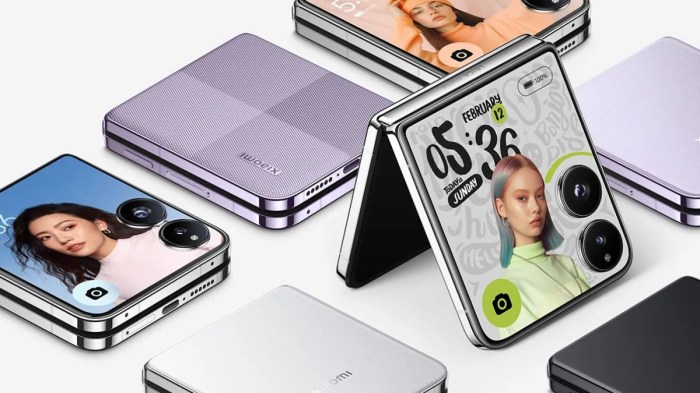
The Xiaomi Mix Flip is expected to feature a distinctive foldable display, likely utilizing a flexible OLED panel. The hinge mechanism is crucial to the device’s functionality and aesthetic appeal. Rumored designs suggest a sleek, minimalist approach to the overall aesthetic, with an emphasis on slim bezels and a refined profile. The foldable display will allow for a compact form factor when closed, transforming into a larger display when opened.
Dimensions and Weight
Early estimates suggest the Xiaomi Mix Flip will be relatively compact when folded. The unfolded dimensions are expected to be comparable to other flagship smartphones in the market, offering a large screen suitable for multimedia consumption and productivity tasks. The predicted weight is anticipated to be moderate, balancing portability with a robust build.
Materials and Construction
Reliable sources indicate the Xiaomi Mix Flip may feature high-quality materials like premium aluminum alloys or perhaps even carbon fiber composites for the frame. These choices would aim to strike a balance between durability and a lightweight feel. The back panel is likely to incorporate a durable glass or a sophisticated ceramic material, offering both style and scratch resistance.
Color Options and Finishes
The device’s color palette is likely to encompass a variety of modern and appealing options. Potential colors might include sophisticated shades of black, sleek silver, or perhaps even vibrant hues like a gradient blue. The specific color options will likely cater to various user preferences.
Feature Impact on User Experience
| Feature | Description | Potential Impact on User Experience |
|---|---|---|
| Foldable Display | A flexible OLED panel allowing for a compact form factor when closed and a large display when opened. | Enhanced portability, increased screen real estate for multitasking and media consumption, potential for unique UI/UX design options. |
| Hinge Mechanism | The crucial component enabling the folding action. | Smooth and reliable operation, long-term durability and minimal creasing of the display, possible integration with unique functionalities. |
| Materials | Expected materials include premium aluminum alloys, potential for carbon fiber, and high-quality glass/ceramic back panel. | Increased durability, premium feel, enhanced aesthetics, and potentially lower weight. |
| Dimensions and Weight | Expected to be compact when folded, with comparable unfolded dimensions to other flagships. | Improved portability, easier to handle, enhanced usability in various scenarios. |
| Color Options | A range of sophisticated and vibrant colors. | Attractive aesthetic appeal, allowing users to express their personal style. |
Snapdragon 8 Gen 3 Performance
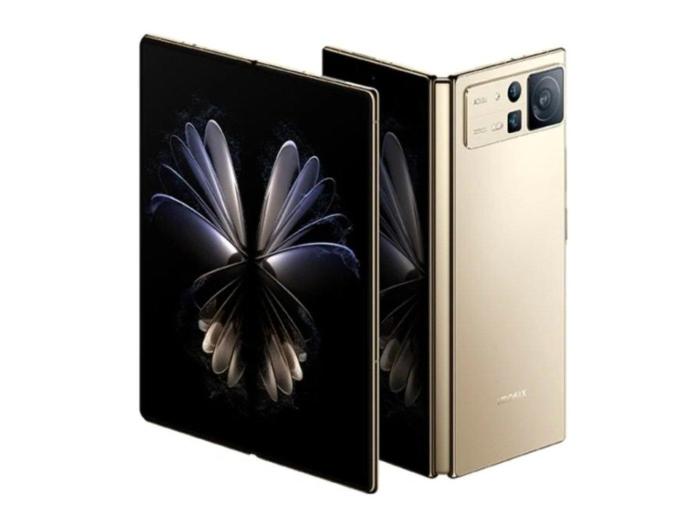
The Xiaomi Mix Flip, rumored to sport the Snapdragon 8 Gen 3, promises a significant leap in mobile performance. This new chipset, built on a more advanced fabrication process, is expected to deliver improved processing power, graphics capabilities, and energy efficiency compared to its predecessors. This enhanced performance translates into a smoother user experience, particularly in demanding tasks like gaming and video editing.The Snapdragon 8 Gen 3 is poised to be a significant upgrade over its predecessors, promising a more responsive and fluid mobile experience.
This is crucial for flagship devices aiming to set new standards in performance and power efficiency. Its performance gains are expected to be noticeable in a variety of applications, from everyday tasks to more demanding ones like gaming and video editing.
Anticipated Performance Gains
The Snapdragon 8 Gen 3 is anticipated to deliver notable performance gains across various benchmarks. These gains stem from advancements in both the CPU and GPU architecture, along with improved power management techniques. This improvement in performance translates into faster app loading times, smoother animations, and more responsive overall system performance. For example, the transition from Snapdragon 8 Gen 1 to 8 Gen 2 already demonstrated substantial improvements in benchmarks and real-world performance, indicating a similar trend for the 8 Gen 3.
GPU Improvements and Impact on Graphics-Intensive Tasks
The Snapdragon 8 Gen 3’s GPU is expected to offer significant improvements in terms of processing power and efficiency. These improvements are likely to manifest in enhanced graphical fidelity, improved frame rates in high-demand games, and smoother animations in graphically intensive applications. For instance, titles requiring high-end graphics, such as AAA mobile games, are expected to run with enhanced visual clarity and higher frame rates on the Snapdragon 8 Gen 3, leading to a more immersive gaming experience.
CPU Performance and Battery Optimization
The Snapdragon 8 Gen 3 is expected to feature a more efficient CPU architecture, potentially boosting performance while simultaneously improving battery life. This combination of performance and power efficiency is a key aspect of flagship-level chipsets, allowing for prolonged usage without sacrificing responsiveness. This enhanced efficiency is expected to be crucial for tasks requiring extended periods of processing, such as video editing or complex simulations.
Further, improvements in power management technologies should contribute to extended battery life in typical usage scenarios.
Comparison to Competing Mobile Chipsets
| Chipset | Processing Speed (theoretical) | Efficiency (theoretical) |
|---|---|---|
| Snapdragon 8 Gen 3 | Up to X GHz (Estimated) | Up to Y% (Estimated) |
| Exynos 2300 | Up to Z GHz (Estimated) | Up to W% (Estimated) |
| Dimensity 9200 | Up to A GHz (Estimated) | Up to V% (Estimated) |
Note: Specific figures are estimates and subject to change. Actual performance will depend on the specific implementation in the Xiaomi Mix Flip.The table above provides a comparative overview of estimated processing speed and efficiency. The actual performance of these chipsets will depend on the specific implementation in the smartphones.
Potential Features and Specifications
The Xiaomi Mix Flip, poised to leverage the Snapdragon 8 Gen 3’s power, is generating considerable buzz. While official specifications remain shrouded in mystery, numerous leaks and rumors offer a glimpse into the potential features and performance characteristics. This analysis delves into the rumored camera, display, battery, and other key specifications.
Camera Specifications
The camera system is a crucial aspect of any smartphone, especially foldable ones. Rumored specifications indicate a significant leap forward in image quality. The primary camera, expected to be a high-resolution sensor, likely targets improvements in low-light performance and detail capture. The secondary camera, possibly a telephoto lens or ultrawide, will likely contribute to the versatility of the imaging system.
- Resolution: Multiple sources suggest a primary camera with a resolution exceeding 50MP, potentially reaching 64MP or higher. This high resolution will allow for exceptional detail in captured images, useful for both everyday photos and professional-level photography.
- Sensor Type: The sensor type is anticipated to be a high-quality CMOS sensor, possibly from a renowned manufacturer like Sony or Samsung. This sensor type is known for delivering excellent low-light performance, dynamic range, and color accuracy. This will translate to better image quality in challenging lighting conditions.
- Image Quality: The combination of high resolution, advanced sensor technology, and potential image processing algorithms is expected to yield outstanding image quality, approaching professional-grade results. This will be particularly important for the foldable form factor, where the camera might be used in creative ways.
Display Features
The foldable display is a key differentiator of the Mix Flip. Rumors point to a dynamic refresh rate and advanced color accuracy. The potential for innovative uses of the foldable display are also being discussed.
- Refresh Rate: The refresh rate is expected to be variable, likely adapting to the usage context. For instance, it might adjust to 120Hz or higher for smooth scrolling and gaming, dropping to a lower frequency for lower power consumption in other situations. This is a standard approach in modern smartphones.
- Color Accuracy: The display is rumored to support wide color gamuts, such as DCI-P3, ensuring vivid and accurate color reproduction. This is a common feature in premium smartphones and is important for accurate representation of colors in photos and videos.
- Foldable Display Applications: The foldable nature of the display opens possibilities for unique user interfaces and interactions. Potential uses might include a larger secondary screen for multitasking or a seamless transition between different app modes. Other creative uses are likely to emerge.

Battery Life, Charging, and Other Specifications
The battery life and charging speed are crucial factors for any smartphone, especially one with a foldable display. The high-performance components, such as the Snapdragon 8 Gen 3, and the display will likely impact the battery life.
The Xiaomi Mix Flip with Snapdragon 8 Gen 3 is poised for a soon launch, and it’s definitely exciting. Meanwhile, the recent leak of galaxy z fold 5 dummy units galaxy z fold 5 dummy units leak gives us a peek at the foldable phone landscape. I’m personally really interested to see how the Mix Flip stacks up against the competition, especially considering the potential of the Snapdragon 8 Gen 3 chip.
- Battery Life: A larger battery capacity, possibly over 4500mAh, will be important to maintain extended usage on a single charge. The power management capabilities of the Snapdragon 8 Gen 3 processor are likely to contribute to optimized battery life.
- Charging Speed: Rapid charging, potentially surpassing 100W, is a common feature in high-end smartphones. This will allow for fast replenishment of the battery for users who need quick charging solutions.
- Other Specifications: Other notable specifications, such as RAM (likely exceeding 12GB) and internal storage (likely exceeding 256GB), will enhance the overall performance and usability of the device. Furthermore, support for various connectivity options, including 5G, will ensure seamless connectivity for users.
Potential Features Summary, Xiaomi mix flip with snapdragon 8 gen 3 to launch soon
| Category | Feature | Details |
|---|---|---|
| Display | Refresh Rate | Variable, potentially reaching 120Hz or higher |
| Display | Color Accuracy | Wide color gamuts, like DCI-P3, supported |
| Display | Foldable Display Applications | Unique UI and interactions, potentially for multitasking or seamless transitions |
| Camera | Resolution | Expected to exceed 50MP, potentially reaching 64MP or higher |
| Camera | Sensor Type | High-quality CMOS sensor, possibly from Sony or Samsung |
| Camera | Image Quality | Outstanding image quality, approaching professional-grade |
| Performance | Battery Life | Large battery capacity (potentially over 4500mAh) |
| Performance | Charging Speed | Rapid charging, potentially exceeding 100W |
| Performance | Other Specifications | High RAM (likely exceeding 12GB), high storage (likely exceeding 256GB), and 5G support |
Potential Market Positioning and Competition
The Xiaomi Mix Flip, powered by the Snapdragon 8 Gen 3, is poised to enter a highly competitive foldable smartphone market. Its positioning will be crucial to its success. Understanding the pricing strategy, competitor landscape, and feature comparison will help us anticipate its potential market share and impact.
Expected Price Range and Comparison
The Xiaomi Mix Flip’s pricing will be a key factor in its market penetration. A price point that balances premium features with affordability will be essential. Historically, Xiaomi has been successful in offering compelling value propositions, and this strategy will likely play a crucial role in the Mix Flip’s pricing. Considering the cost of components, particularly the advanced Snapdragon 8 Gen 3 processor, the expected price range could fall somewhere between $800 and $1200 USD.
This price range would position it competitively against other foldables, particularly in the mid-to-high-end segment. Pricing will be directly correlated to the level of features and the overall perceived value offered to the end consumer.
The Xiaomi Mix Flip with Snapdragon 8 Gen 3 is poised to launch soon, and it’s generating a lot of buzz. Considering its potential, it’s worth exploring the best options for Android phones if you’re looking for a seamless display experience. For those seeking a notch-free design, checking out the best Android phones without notch will give you a great starting point.
Ultimately, the Mix Flip’s design and performance will be key factors in determining its place in the market.
Potential Competitors and Their Market Positions
Several established and emerging brands are vying for market share in the foldable smartphone space. Samsung, with its Galaxy Z Fold and Flip series, currently dominates the market with a substantial market share. Other competitors include Huawei, Motorola, and Oppo, each offering different models with varying levels of functionality and pricing. Each competitor has a unique market position, ranging from premium flagships to more accessible mid-range options.
Understanding these existing positions will be critical in predicting the Mix Flip’s place in the competitive landscape.
Comparison of Potential Features
The Xiaomi Mix Flip’s potential features, including its Snapdragon 8 Gen 3 processor, improved display technology, and possibly a slimmer design, will be compared with those of existing foldable phones. A key area of comparison will be the size and functionality of the foldable display. Features such as the camera system, battery life, and software optimization will also be critical differentiating factors.
Comparing the Mix Flip to competitors’ current foldables will reveal the strengths and weaknesses of Xiaomi’s offering.
Comparative Analysis Table
| Feature | Xiaomi Mix Flip | Samsung Galaxy Z Flip 4 | Huawei Mate Xs 2 | Motorola Razr 5G |
|---|---|---|---|---|
| Price (USD) | Estimated $800-$1200 | $999-$1199 | $1599-$1999 | $899-$999 |
| Processor | Snapdragon 8 Gen 3 | Snapdragon 8+ Gen 1 | Snapdragon 888 | Snapdragon 8 Gen 1 |
| Display | Improved foldable display size and technology | Foldable cover screen and main display | Large foldable inner screen | Foldable inner screen |
| Target Audience | Tech-savvy consumers seeking a premium foldable at a competitive price | Premium users who prioritize a compact foldable | High-end consumers looking for a large foldable display | Consumers seeking a compact, stylish foldable |
The table above provides a simplified comparison. Specific features and pricing may vary. Market reception and reviews will play a crucial role in determining the final position of the Xiaomi Mix Flip.
Launch Timeline and Expectations
The Xiaomi Mix Flip, boasting the Snapdragon 8 Gen 3, is poised to make a significant impact on the foldable smartphone market. Rumored launch dates and marketing strategies will be crucial to its success, particularly given the increasingly competitive landscape. Understanding the potential timeline and accompanying promotional efforts will provide valuable insight into Xiaomi’s strategic approach.
Rumored Launch Date and Timeline
Multiple sources suggest a Q3 2024 launch window for the Xiaomi Mix Flip. This aligns with the typical release schedule for flagship devices and suggests a deliberate timing strategy. Speculation points to a potential unveiling event before the end of the summer, possibly in late July or August. This aligns with other tech giants who often release key products in the latter half of the third quarter.
Marketing Strategies and Promotional Activities
Xiaomi is likely to employ a multi-faceted marketing strategy encompassing both online and offline channels. Their past successes have relied heavily on showcasing innovative features and design elements, potentially focusing on the elegance and compact form factor of the Mix Flip. They could partner with key influencers and media outlets to generate buzz and create anticipation. Targeted advertising campaigns on social media platforms and strategic partnerships with retail outlets are expected to form a crucial component of their promotional mix.
The Xiaomi Mix Flip with Snapdragon 8 Gen 3 is slated for a soon launch, promising impressive performance. Meanwhile, companies like Waymo are making significant strides in autonomous vehicle technology, with their fleet size, factory in Arizona, and partnerships with companies like Jaguar and Zeekr. This fascinating expansion into the robotaxi sector is certainly interesting, and it’s a testament to the innovative spirit of tech giants.
Hopefully, this next generation of Xiaomi phones will also bring something fresh to the market.
Potential Impact on the Foldable Smartphone Market
The launch of the Xiaomi Mix Flip, with its Snapdragon 8 Gen 3 processor, could significantly impact the foldable smartphone market. The introduction of a high-performance, potentially lower-priced foldable device might attract consumers who were previously hesitant to enter the foldable market due to cost concerns. The Mix Flip’s success will heavily depend on its pricing strategy and whether it can deliver a compelling value proposition.
Timeline of Key Milestones
| Milestone | Estimated Timeline | Description |
|---|---|---|
| Pre-launch leaks and rumors | Late Q2 2024 | Dissemination of information about the device’s specifications and design via online channels. |
| Official announcement | Early to Mid-Q3 2024 | Xiaomi officially unveils the Mix Flip at a dedicated event. |
| Pre-orders | Following the announcement | Consumers can place pre-orders for the device. |
| Global launch | Late Q3 2024 | The device becomes available for purchase in key markets worldwide. |
Potential User Experience (UX) Considerations: Xiaomi Mix Flip With Snapdragon 8 Gen 3 To Launch Soon
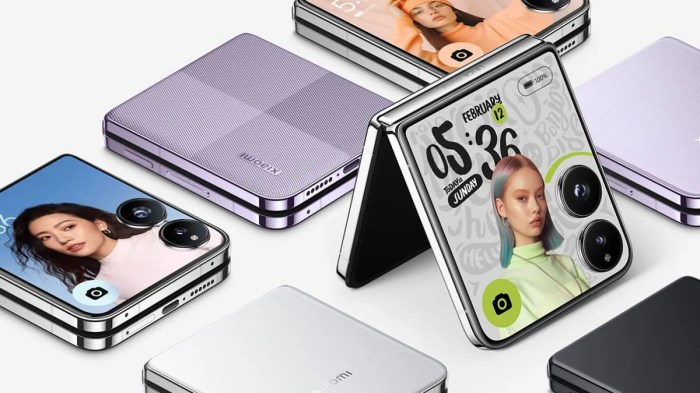
The Xiaomi Mix Flip, with its Snapdragon 8 Gen 3 processor and foldable display, promises a compelling user experience. However, successful implementation hinges on addressing potential usability challenges and maximizing the unique capabilities offered by the foldable form factor. This exploration delves into the potential UX benefits, challenges, and solutions related to this innovative device.The foldable display introduces a new dimension to mobile computing, allowing for a seamless transition between compact and expansive viewing modes.
How users interact with this dynamic display will be crucial in shaping the device’s overall appeal and adoption rate.
Foldable Display Benefits for Multitasking and App Usage
The primary advantage of a foldable display is its ability to expand functionality. Users can effortlessly transition from compact, single-app viewing to a larger, dual-app or even three-app interface. This is particularly useful for tasks like video editing, coding, or collaborative work, allowing users to have multiple applications visible and interacting simultaneously. For example, a user editing a document could simultaneously have a reference website open in a separate window, maximizing efficiency.
Usability Challenges and Solutions
While the foldable display offers exciting possibilities, potential usability challenges exist. One key challenge is ensuring consistent and reliable operation of the hinge mechanism. A smooth, durable hinge is paramount to prevent unexpected malfunctions or damage to the display. Another challenge is developing robust software that automatically adjusts app layouts and interactions based on the current display mode.
Solutions include pre-emptive app design for foldable displays, incorporating dynamic resizing and layout adjustments within the operating system. A consistent, intuitive transition between modes is critical for a positive user experience.
Impact of Size and Weight on User Experience
The Mix Flip’s size and weight are crucial factors in its overall usability. A well-balanced design is essential for comfortable handling and one-handed operation. The weight should not feel excessive, and the dimensions should strike a balance between portability and functionality. A phone that is too heavy or large can hinder usability, making it difficult to operate effectively.
Smartphones like the Samsung Galaxy Z Fold 4 are a good example of balancing size and weight with functionality. They demonstrate how to optimize device dimensions and weight for a good user experience.
Unique User Interfaces for the Foldable Form Factor
The foldable form factor presents opportunities for innovative user interfaces. The transition between display states could be leveraged for quick access to frequently used functions, personalized app shortcuts, or streamlined multitasking. A new UI could seamlessly transition between different layouts, creating a smooth user experience across various tasks and modes. For instance, a user could easily access a list of recently used applications with a simple fold of the screen.
Innovative UX design can take advantage of the foldable’s unique capabilities to make it more intuitive and efficient than traditional smartphones.
Design Considerations for the Foldable Phone
The Xiaomi Mix Flip, with its Snapdragon 8 Gen 3 processor, promises a powerful and versatile experience. However, a successful foldable phone hinges on more than just impressive specs; it needs a compelling design that balances form and function. This section delves into the crucial design elements impacting the Mix Flip’s overall appeal, longevity, and user experience.
Body Design and Aesthetic Appeal
The Mix Flip’s body design will play a significant role in its market reception. A sleek, modern aesthetic will be key to attracting users who value stylish technology. Consideration should be given to the transitions between the inner and outer screens, minimizing visible seams and achieving a unified look. The overall feel should be premium, evoking a sense of quality and craftsmanship.
A subtle gradient color scheme or unique texture can elevate the device’s visual appeal. The choice of materials will play a significant part in achieving this desired aesthetic.
Hinge Mechanism and Durability
The hinge mechanism is critical for a foldable phone’s durability and longevity. A robust hinge design is crucial to prevent excessive wear and tear during repeated folding and unfolding. The materials used in the hinge must be strong enough to withstand the stress of frequent use, yet flexible enough to allow smooth and effortless operation. Innovative hinge designs, perhaps utilizing multiple support points or advanced materials, could potentially improve the hinge’s longevity and resilience.
A reliable hinge is paramount for the phone’s longevity, which will influence its perceived value to the customer.
Material Choices and Implications
The choice of materials will significantly impact the Mix Flip’s weight, feel, and durability. Lightweight yet durable materials like aluminum alloys or reinforced polymers could be considered. A premium feel is often associated with the use of high-quality materials like ceramic or metal. The weight and feel of the phone should be carefully balanced, aiming for a device that feels substantial but not overly bulky.
Consideration must be given to the potential for scratches or other damage from daily use. Implementing protective coatings or carefully choosing materials that resist scratches and scuffs can increase the device’s durability.
Visual Representation of Design Elements
| Design Element | Functionality | Visual Description |
|---|---|---|
| Foldable Display | Enables a large, tablet-like display in the unfolded state and a compact phone form factor in the folded state. | A seamless transition between the inner and outer screens, minimizing visible seams. The display should exhibit a high resolution and vibrant colors. |
| Hinge Mechanism | Allows the phone to fold smoothly and reliably without causing damage. | A robust and discreet hinge design, minimizing stress points. The hinge should be well-integrated into the body’s aesthetic. |
| Frame Material | Provides structural support and contributes to the phone’s overall aesthetic. | Lightweight yet durable materials, like aluminum alloy or reinforced polymers. A premium feel, potentially incorporating ceramic or metal accents. |
| Body Finish | Enhances the phone’s aesthetic and tactile experience. | A subtle gradient color scheme or unique texture, possibly a matte or glossy finish, enhancing the premium feel. |
Ending Remarks
The upcoming Xiaomi Mix Flip, powered by the Snapdragon 8 Gen 3, promises an intriguing blend of design, performance, and potential. The device’s foldable display and powerful processor are expected to be key selling points, while its price point and competition within the foldable smartphone market will be crucial factors. Stay tuned for the official launch and our full review!