

VR light gun game is a fascinating genre blending the classic thrill of light gun shooters with the immersive potential of virtual reality. Imagine wielding a futuristic light gun, battling foes in realistic environments, and experiencing the intense action firsthand. This exploration delves into the mechanics, technology, and trends shaping this exciting field.
From the evolution of light gun games to the technical intricacies of VR development, this deep dive provides a comprehensive overview of VR light gun games. We’ll explore the core gameplay mechanics, examine innovative features, and discuss the future of this exciting genre. Get ready to experience the next level of light gun action.
Introduction to VR Light Gun Games

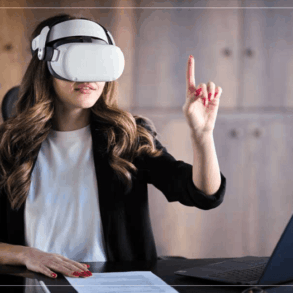
Virtual reality (VR) light gun games have emerged as a captivating and engaging genre, blending the visceral thrill of traditional light gun shooters with the immersive experience of VR. These games leverage the unique capabilities of VR headsets to transport players into dynamic environments, allowing for a more intuitive and responsive interaction with the virtual world. Players wield light guns, triggering actions and firing shots within realistic or fantastical settings.VR light gun games utilize the same fundamental mechanics as their non-VR predecessors, but the integration of VR technology enhances the immersion and realism.
Players experience the world from a first-person perspective, feeling the recoil of shots and the impact of virtual bullets on virtual targets. This heightened sense of presence elevates the gameplay experience, allowing for more precise aiming and tactical engagement.
VR light gun games are a blast, offering a unique way to experience interactive action. While hunting down virtual bad guys, I stumbled across a fantastic deal on a Humble Freedom Bundle, including the ACLU, Witness, and Stardew Valley, a great collection for a good price. It’s a perfect distraction for when my VR light gun game sessions get a little too intense.
Core Mechanics and Gameplay
The core mechanics revolve around wielding a light gun, a device that registers inputs and triggers actions within the VR environment. The player’s movements and aiming are tracked, providing a sense of physical presence within the game world. Accuracy and timing are crucial for success, with precise aiming required for effective targeting and strategic shooting. The interaction with the virtual environment is often seamless, allowing for immediate feedback and a sense of agency.
Game mechanics may incorporate elements like weapon customization, upgrades, and environmental interactions to further enhance the gameplay experience.
Historical Context and Evolution
Light gun games have a rich history, dating back to the arcade era. The original light guns, often employing a single-axis system, were used to interact with simple games. The evolution of these games into VR signifies a shift towards more immersive and responsive experiences. VR light guns enable players to interact with virtual environments in unprecedented ways, transforming shooting games into a truly interactive and dynamic experience.
Types of VR Light Gun Games
This section details the various types of VR light gun games currently available. The immersive nature of VR enables developers to create games beyond the traditional shooter genre.
| Game Type | Description | Example |
|---|---|---|
| First-Person Shooters (FPS) | Classic light gun games in VR, often with a focus on combat and aiming. | VR Zombie Shootout, VR Swat Force |
| Action-Adventure | VR light gun games integrating action and adventure elements. Players may need to solve puzzles or navigate environments. | VR Gun Runner, VR Dungeon Siege |
| Rhythm Games | Games that combine light gun mechanics with rhythm-based gameplay, typically focusing on timing-based shooting. | VR Beat Saber, VR Rhythm Shooter (Hypothetical) |
| Simulation Games | Games simulating real-world scenarios, such as police or military operations, with light gun interaction. | VR Tactical Shooter Training Simulator, VR Police Force Simulator |
Gameplay Mechanics and Features: Vr Light Gun Game

VR light gun games offer a unique blend of familiar light gun action and the immersive potential of virtual reality. This new paradigm shifts the experience beyond the confines of traditional flat screens, bringing a level of interaction and realism previously unimaginable. The mechanics are refined to capitalize on the three-dimensional space, creating a truly dynamic and engaging gameplay loop.The core gameplay revolves around precise aiming, firing, and targeting, all crucial for success.
Players need to accurately track their virtual targets in the 3D environment, a skill that translates well from traditional light gun games but adds a significant layer of complexity. This enhanced interaction is driven by the intuitive and responsive nature of VR controllers.
VR light gun games are seriously addictive, aren’t they? Speaking of fun, you know how much holiday decor I have? It’s time to upgrade your holiday decor storage with 30% off these must-have accessories! upgrade your holiday decor storage with 30 off these must have accessories. Seriously, these storage solutions will keep your holiday decorations pristine and ready for next year’s epic VR light gun game battles!
VR Light Gun Controller Mechanics
VR light gun controllers are designed for a seamless and intuitive interaction with the virtual environment. They vary in their features and functionalities, offering a range of possibilities for players. Some controllers feature haptic feedback, providing tactile sensations during gameplay, while others focus on precise aiming and firing mechanisms. This variation in design leads to distinct gameplay experiences.
- Haptic Feedback: Some controllers offer haptic feedback to simulate the impact of firing or the feel of hitting targets. This added layer of sensory input enhances the sense of presence and realism. For instance, a controller might vibrate when the player hits a target with high precision, adding a visceral experience that enhances the interaction.
- Aiming Mechanisms: Controllers are designed to allow for accurate aiming, and this can be accomplished through various means. Some employ a laser-like aiming point that adjusts to the player’s movements in real time, while others use a more traditional reticule system that is adjusted using the controller itself. The choice of aiming system often impacts the overall feel and responsiveness of the game.
- Firing Mechanisms: The way the controllers trigger shots is also important. Some are designed to fire upon button press, while others utilize a more nuanced system, such as tracking hand movement or the position of the controller itself. This precision allows for a wider range of firing options, creating varied gameplay.
Unique Elements of VR Light Gun Games
VR light gun games transcend traditional light gun experiences by leveraging the unique capabilities of virtual reality. The ability to interact with a three-dimensional environment, combined with the intuitive use of VR controllers, creates a gaming experience that is fundamentally different.
- Spatial Awareness: Players must be aware of the spatial relationships between themselves, the targets, and the environment. This is a key differentiator from traditional light gun games where the field of play is primarily two-dimensional. The need to track targets in a three-dimensional space adds a new layer of strategic depth.
- Immersive Environment: The virtual world allows for more dynamic and varied environments. Players are no longer confined to a static shooting range. They can explore a wider range of locations, adding a significant level of replayability and immersion to the game.
- Advanced Targeting Systems: VR controllers often include more advanced targeting systems than traditional light guns. These systems can allow for tracking targets in complex scenarios and adjusting firing patterns based on the position of the target. This increases the challenge and provides a more nuanced gameplay experience.
Innovative Gameplay Features
Innovative features in VR light gun games are constantly emerging. These features often combine the intuitive use of VR controllers with creative gameplay mechanics.
- Environmental Interaction: Players can interact with objects within the virtual environment to gain advantages or create obstacles for enemies. This level of environmental interaction is not present in traditional light gun games.
- Dynamic Levels: The level design can be dynamic, with moving platforms, obstacles, and enemy formations. This necessitates a constant adaptation of player strategies and tactics, enhancing the game’s replayability.
- Realistic Physics: The use of realistic physics in the VR environment can add a new level of complexity and challenge to gameplay. For example, the impact of bullets on objects and the ricochet of shots can be simulated, further immersing the player in the virtual world.
Platform Comparison
| Platform | Controller Features | Typical VR Light Gun Games | Immersive Experience |
|---|---|---|---|
| Oculus Quest | Intuitive controllers, haptic feedback | Focus on fast-paced action, simple controls | Excellent for standalone experiences |
| HTC Vive | Precise tracking, advanced controllers | More complex games, advanced gameplay | High level of precision and detail |
| PlayStation VR2 | Integrated controllers, motion tracking | Variety of genres, advanced features | Immersive, but platform specific |
Technical Aspects of VR Light Gun Games
VR light gun games, while seemingly simple, present a fascinating array of technical challenges. Bridging the gap between the physical act of firing and the virtual reality experience demands precise tracking, responsive feedback, and seamless integration of motion capture. The level of immersion achieved directly correlates with the sophistication of these technical elements.
Tracking Systems and Accuracy
Accurate tracking is paramount for any VR light gun game. The system must precisely register the gun’s movements in relation to the player’s actions, translating those movements into the virtual world. This translates into precise aiming and firing, crucial for successful gameplay. Different tracking technologies have varying levels of accuracy and latency. For example, external tracking systems using cameras and markers offer high accuracy but can be affected by environmental factors, while internal tracking, leveraging sensors integrated within the headset, can provide a more natural, albeit potentially less accurate, experience.
Latency, the delay between a real-world action and its virtual representation, is a critical factor in the player’s experience. Minimizing latency is essential for smooth and responsive gameplay, impacting the sense of immersion and player satisfaction.
Haptic Feedback for Realism
Haptic feedback, a critical component of realistic VR experiences, enhances the immersion of light gun games. By providing tactile sensations, haptic devices allow players to feel the recoil, impact, and other forces generated by virtual interactions. For example, a strong recoil when firing a virtual rifle will produce a corresponding vibration in the light gun, enhancing the sense of realism.
High-quality haptic feedback systems can also simulate different types of ammunition, varying the feedback intensity and pattern to provide a more diverse and engaging experience.
Motion Capture and Animation
Motion capture plays a significant role in shaping the behavior of virtual weapons. By recording real-world movements and translating them into virtual animations, developers can create more natural and dynamic interactions with the light gun. This involves capturing the subtle movements of aiming, firing, and reloading, ensuring that the virtual gun behaves in a manner consistent with real-world physics and ergonomics.
Developers can then use this data to create animations that mirror these real-world actions, enhancing the overall sense of immersion. For instance, the animation of the virtual weapon should visually reflect the player’s real-world aiming posture and trigger pull.
Technical Specifications for Optimal Gameplay
| Specification | Description | Importance |
|---|---|---|
| Tracking System | High-precision external tracking system or advanced internal tracking with low latency. | Critical for accurate and responsive aiming and firing. |
| Processing Power | High-end PC or dedicated VR hardware capable of handling complex calculations and animations in real-time. | Ensures smooth and uninterrupted gameplay. |
| Haptic Feedback System | Powerful haptic actuators providing realistic recoil, impact, and other feedback. | Enhances realism and immersion. |
| Display Resolution | High-resolution VR headset with high refresh rate. | Crucial for clear visualization of the virtual environment and objects. |
| Latency | Minimal latency between player actions and virtual responses. | Essential for responsive and immersive gameplay. |
Content and Storytelling in VR Light Gun Games
VR light gun games, while often focused on action and rapid-fire gameplay, can incorporate compelling narratives and immersive storytelling experiences. This is achieved through clever design choices that leverage the unique capabilities of virtual reality, moving beyond simple linear progression to offer a richer, more interactive experience. The integration of environmental storytelling, interactive elements, and creative worlds adds layers of depth and immersion, making these games more engaging and memorable.Storytelling in VR light gun games transcends traditional methods.
The inherent interactivity allows players to actively shape the narrative, impacting events and outcomes in real-time. This participatory nature differentiates these games from their 2D counterparts, making the experience feel more personal and impactful. The pacing of these stories often relies on quick bursts of action punctuated by moments of reflection or crucial information, keeping players engaged without overwhelming them.
Narrative Structure and Pacing, Vr light gun game
The narrative structure in VR light gun games typically involves a series of interconnected missions or objectives. These missions often unfold within a dynamic environment, reacting to the player’s actions in real-time. The pacing is crucial, balancing moments of intense action with exposition and narrative reveals. Well-designed games use strategic pauses and environmental cues to provide narrative context without interrupting the flow of gameplay.
These narrative moments might occur during brief cutscenes, through cleverly placed environmental details, or through dialogue triggered by specific actions.
Environmental Storytelling
VR offers a unique opportunity to leverage environmental storytelling. In these games, the virtual environment itself becomes a character, communicating aspects of the story through its design and details. For instance, a crumbling building might suggest a past conflict, while a flickering holographic display could reveal hidden information. The player’s exploration of the virtual world becomes an active part of the storytelling process, encouraging discovery and interaction.
Careful placement of objects, sounds, and visual cues allows the game to communicate information without relying on traditional dialogue or exposition.
Interactive Elements for Immersion
Developers incorporate interactive elements to enhance immersion. This could involve using the light gun to interact with objects within the environment, triggering events, unlocking clues, or even manipulating the environment itself. For example, a shattered mirror might reveal a hidden passage, or a damaged console might prompt the player to gather specific items to repair it. These interactive elements encourage exploration and encourage the player to actively participate in shaping the narrative.
Creative Worlds and Scenarios
VR light gun games can create incredibly diverse and engaging worlds. A game set in a futuristic cityscape, where the player must defend a virtual city from robotic invaders, offers a stark contrast to a historical adventure, where players use light guns to fight alongside historical figures against mythical creatures. These scenarios can vary wildly, leveraging the immersive qualities of VR to craft unique and memorable experiences.
The key is to leverage the VR environment to create scenarios that feel both familiar and extraordinary.
Common Narrative Themes
| Theme | Description |
|---|---|
| Defense | Protecting a location or resource from an external threat. |
| Investigation | Uncovering secrets and solving mysteries through exploration and interaction. |
| Exploration | Discovering new areas and uncovering hidden information within the virtual world. |
| Escape | Evading capture or danger within a hostile environment. |
| Adventure | Embarking on a journey with a clear goal or objective, often featuring elements of exploration and discovery. |
VR Light Gun Game Development
Crafting immersive VR light gun games requires a meticulous approach, encompassing diverse technical skills and a deep understanding of user experience. The development process spans from conceptualization to final testing, demanding a collaborative effort between designers, programmers, artists, and testers. A strong emphasis on user feedback and iterative design is crucial for creating a polished and engaging final product.
Essential Development Steps
The creation of a VR light gun game involves a series of interconnected steps. Firstly, a detailed game design document is crucial for establishing the core mechanics, narrative, and overall vision. This document acts as a blueprint for all subsequent development phases. Following this, the 3D environment and character models are designed and developed. Programming the game logic and integration of the light gun interaction is a pivotal stage.
Rigorous testing and feedback are implemented at each step to ensure a smooth and enjoyable player experience. Finally, the game is polished through optimization and bug fixes, preparing it for release.
Necessary Tools and Technologies
A variety of tools and technologies are employed in VR light gun game development. High-level programming languages like C# or C++ are essential for implementing game logic and interactions. Unreal Engine or Unity, popular game engines, provide the framework for building the 3D environment, managing assets, and handling user input. VR development kits and SDKs, such as those from Oculus or HTC, are necessary for integrating VR functionalities and ensuring seamless interaction with the headset and light gun.
3D modeling software, like Blender or Maya, are used for creating realistic and engaging 3D environments and character models. Audio software, such as Audacity or Pro Tools, are essential for crafting the immersive sound design.
User Testing and Feedback
User testing is paramount throughout the development process. Early alpha and beta testing phases allow developers to gather valuable feedback on gameplay mechanics, user interface, and overall experience. This iterative feedback loop helps identify and address issues early on, minimizing the need for extensive rework later in the development cycle. Analyzing user feedback on aspects such as difficulty, immersion, and overall enjoyment is critical to refine the game and ensure its quality.
Creating Immersive Environments
Developing immersive VR environments involves meticulous attention to detail. Realistic lighting, textures, and environmental effects are crucial to transport the player to a believable and engaging space. Strategic placement of objects and environmental elements, considering their interaction with the light gun, enhances the game’s immersion. Implementing physics-based interactions, such as breaking objects or triggering events, elevates the level of realism and gameplay depth.
Role of Game Designers
Game designers play a vital role in shaping the gameplay experience. They define the core mechanics, including how the light gun interacts with the environment and the challenges presented to the player. They are responsible for creating a compelling narrative and a sense of progression. Understanding player motivations and designing levels that challenge and reward players are crucial aspects of a game designer’s role.
The designers’ understanding of the target audience is key to crafting an engaging experience.
VR light gun games are seriously fun, but have you ever considered the global supply chain implications? Recent news about the Huawei P40 Pro containing US parts, detailed in this article huawei p40 pro found contain us parts , highlights how interconnected our technology world is. Even something as seemingly simple as a VR light gun game relies on components from all over the world, making the experience even more fascinating.
Software and Hardware Requirements
| Category | Description |
|---|---|
| Software |
|
| Hardware |
|
User Experience and Interface
VR light gun games hinge on a compelling user experience, where intuitive interfaces and comfortable interactions are paramount. A well-designed interface not only enhances enjoyment but also directly impacts player engagement and accuracy. This section delves into the critical design principles for creating immersive and responsive VR light gun experiences.
Intuitive VR Light Gun Interfaces
Designing intuitive interfaces for VR light guns requires a deep understanding of player expectations and the limitations of VR technology. The goal is to seamlessly blend the physical act of aiming and shooting with the virtual environment, minimizing the cognitive load on the player. This necessitates careful consideration of the gun’s visual representation, haptic feedback, and overall responsiveness.
Players should feel a natural connection between their actions and the game’s reactions.
Comfort and Engagement
A crucial aspect of VR light gun design is ensuring player comfort. Prolonged use in VR can lead to discomfort and motion sickness. To mitigate this, designers should prioritize minimizing the necessary head movements during gameplay. Strategies include careful environmental design, strategically placed targets, and clear visual cues that guide the player’s line of sight without excessive head turning.
A game’s narrative and engaging content also play a critical role in sustaining player attention and comfort. Immersive sound design further elevates the experience.
Importance of User Feedback
User feedback is invaluable in iteratively improving VR light gun interfaces. Conducting playtests with diverse user groups is essential. Observing player reactions, analyzing their interaction patterns, and collecting qualitative data (e.g., interviews, surveys) provides valuable insights into usability and potential areas for improvement. Identifying and addressing issues related to accuracy, responsiveness, and overall comfort based on user feedback is key to creating a high-quality product.
Effectiveness of UI Elements
The choice of UI elements significantly impacts the player’s experience. For instance, clearly defined target indicators, health bars, and score displays are vital for keeping the player informed and engaged. A minimal but informative UI design is crucial to avoid visual clutter and maintain focus on the game itself. Effective visual feedback, such as realistic muzzle flashes or satisfying hit sounds, reinforces player actions and provides a more engaging experience.
Improving Accuracy and Responsiveness
Accuracy and responsiveness are fundamental to a good VR light gun experience. Precise tracking of the player’s movements is critical. Improving the accuracy of tracking can be achieved by employing advanced motion capture technology and optimizing algorithms that translate hand movements into virtual actions. Ensuring low latency between the player’s actions and the game’s response is also paramount.
A fast response time ensures a more fluid and satisfying gameplay experience. Minimizing latency issues can involve optimizing the game’s processing and networking components.
Comparison of VR Light Gun Interface Designs
| Interface Design | Strengths | Weaknesses | Examples |
|---|---|---|---|
| Realistic Aiming | Provides a sense of immersion and realism. | Can lead to reduced accuracy if not carefully calibrated. | Many FPS VR games |
| Simplified Aiming | Reduces the cognitive load and potentially increases accuracy. | Might feel less immersive for some players. | Certain action games targeting casual players |
| Haptic Feedback | Enhances the sense of physical interaction. | Requires careful calibration to avoid discomfort. | Games incorporating haptic gloves or controllers. |
| Visual Cues | Guides player’s attention and enhances spatial awareness. | Must be strategically placed to avoid distracting from the main action. | Games with laser pointers, target Artikels, or environmental clues. |
Last Word
VR light gun games offer a compelling blend of classic arcade fun and cutting-edge VR technology. While still a niche market, the genre shows promising potential for growth, driven by innovative gameplay and immersive experiences. The future of VR light gun games hinges on continued advancements in technology and creative storytelling. Get ready for a new era of light gun excitement.