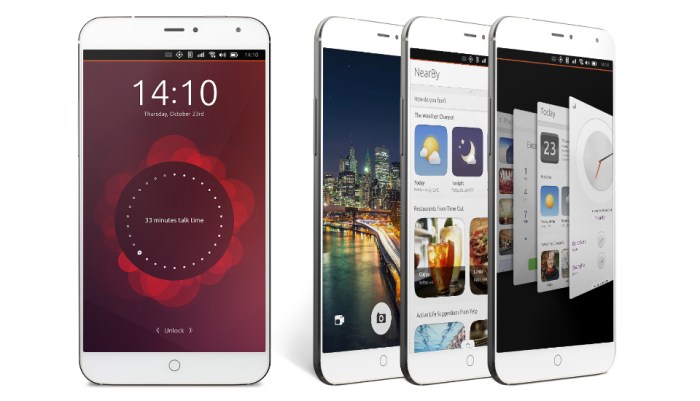
With ubuntu phone aquaris e5 hd canonical second, we delve into Canonical’s second foray into the mobile world. This device, a unique entry in the smartphone market, offers a glimpse into the challenges and opportunities of running a Linux-based OS on a handheld device. We’ll explore its features, software, hardware, user experience, and even speculate on its potential future in the face of established competitors.
How did this Ubuntu-powered phone stack up against the competition?
The Ubuntu Phone Aquari E5 HD, released in [Year], aimed to offer a different mobile experience. This phone was positioned as an alternative to the dominant Android and iOS ecosystems, utilizing the Ubuntu operating system. Understanding its specifications, software capabilities, and user feedback is key to assessing its success and potential impact on the future of mobile OS.
Overview of the Ubuntu Phone Aquari E5 HD
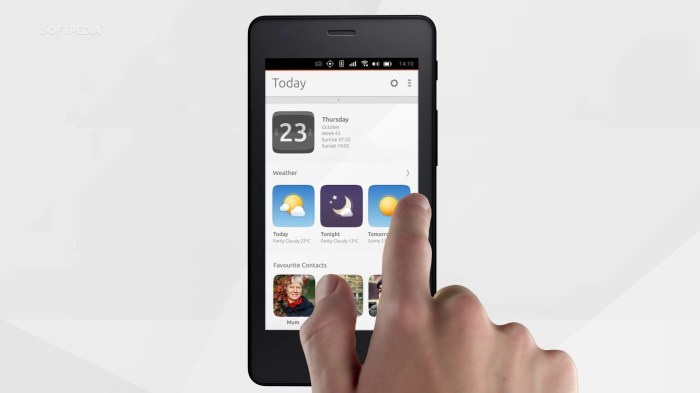
The Ubuntu Phone Aquari E5 HD, a product of Canonical’s ambitious foray into the mobile market, represents a unique blend of open-source philosophy and mobile practicality. While not a commercial success, it stands as a noteworthy experiment in operating system innovation and a testament to the potential of a different approach to mobile computing.The device’s design aimed to offer a compelling alternative to mainstream Android and iOS phones, leveraging the Ubuntu operating system for a user experience that differed significantly from the established market leaders.
Key Features and Specifications
The Aquari E5 HD was equipped with a 5-inch display and a powerful processor for its time. It incorporated a range of sensors, including a GPS receiver, accelerometer, and compass, crucial for various mobile applications. Its camera system, while not industry-leading, provided adequate image capture capabilities. RAM and internal storage capacities were relatively standard for the time.
Historical Context and Canonical Involvement
Launched in 2016, the Aquari E5 HD emerged during a period when mobile operating systems were largely dominated by Android and iOS. Canonical, the company behind Ubuntu, saw an opportunity to introduce a Linux-based mobile operating system. Their involvement was significant, as Canonical not only developed the Ubuntu Phone software but also supported the device throughout its lifecycle.
This included providing updates and ensuring compatibility with the ever-evolving ecosystem of mobile apps.
Target Audience and Use Cases
The target audience for the Aquari E5 HD likely encompassed individuals interested in exploring open-source technologies, as well as those seeking a more distinctive mobile experience. Use cases could have included general mobile communications, light multimedia consumption, and even specific professional needs that could be better served by a non-proprietary operating system. The phone was positioned as a tool for those seeking an alternative to the conventional smartphone experience.
Comparison to Competitors
| Feature | Aquaris E5 HD | Samsung Galaxy S7 | Google Nexus 6 |
|---|---|---|---|
| Processor | Qualcomm Snapdragon 430 | Qualcomm Snapdragon 820 | Qualcomm Snapdragon 805 |
| RAM | 2 GB | 4 GB | 3 GB |
| Display Size | 5 inches | 5.1 inches | 5.96 inches |
| Internal Storage | 16 GB expandable | 32/64 GB expandable | 32/64 GB expandable |
| Operating System | Ubuntu Phone | Android | Android |
The table above highlights the specifications of the Aquari E5 HD compared to two popular smartphones from other manufacturers at the time. The differences in processor, RAM, and operating system illustrate the unique position of the Ubuntu Phone in the market. While the E5 HD offered a unique experience, its performance and specifications were often less impressive than competing models.
Software and Operating System
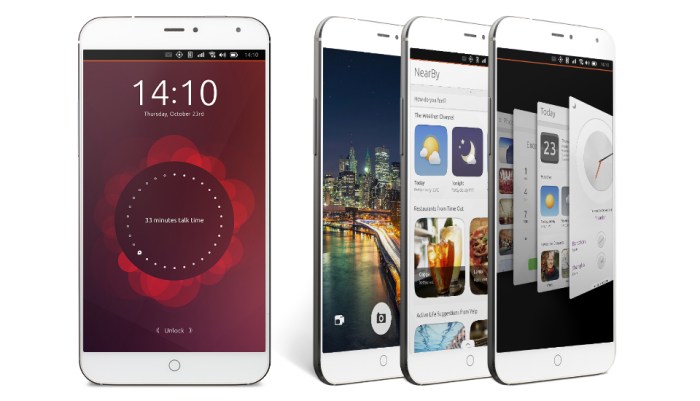
The Ubuntu Phone, implemented on the Aquaris E5 HD, offered a unique mobile experience, distinct from the more prevalent Android and iOS platforms. This divergence stemmed from its Linux-based foundation, influencing both the underlying system architecture and the available software ecosystem. The software experience emphasized a different approach to mobile computing, prioritizing user control and customization.The Ubuntu Phone, built on the Linux kernel, leveraged the strengths of a powerful and adaptable operating system.
This allowed for a degree of control and customization not often found in proprietary mobile platforms. However, the platform’s smaller user base and less extensive app selection compared to Android or iOS presented a trade-off.
Ubuntu Operating System Design
The Ubuntu operating system on the Aquaris E5 HD was designed to be a streamlined and efficient mobile experience. It incorporated elements from the desktop Ubuntu, while also tailoring features for touch interaction and a smaller screen. This involved careful consideration of UI elements, app sizes, and the responsiveness of the system.
Comparison to Other Mobile Operating Systems
Compared to Android, the Ubuntu Phone’s software presented a more unified and integrated user experience. Android’s fragmentation and the multitude of available apps often lead to inconsistencies in performance and design. iOS, on the other hand, offered a more polished and tightly controlled experience, but with a comparatively limited customization potential. The Ubuntu Phone aimed for a balance between these two approaches.
Key Software Features
The Aquaris E5 HD featured a comprehensive set of software utilities and applications, including a robust file manager, a calendar app, and email clients. These were integrated with the wider Ubuntu ecosystem for a seamless transition from desktop to mobile.
Available Applications and Utilities
- File Manager: Provided access to local files and the ability to manage them efficiently. This was crucial for file sharing and organization.
- Calendar App: Integrated seamlessly with other Ubuntu services, allowing for a centralized view of appointments and scheduling.
- Email Client: Offered a reliable and feature-rich way to manage email accounts.
- Browser: A fast and intuitive web browser with support for various web standards.
- Music Player: Provided a streamlined way to manage and listen to music, with options for playlists and organization.
- Contacts App: Allowed for efficient management of contacts and phone numbers.
The range of available apps was, however, more limited compared to Android or iOS.
I’ve been digging into the Ubuntu Phone Aquaris E5 HD, a canonical second-generation device, and honestly, it’s a bit of a mixed bag. While it’s definitely got some unique features, finding good deals on accessories can be tricky. Luckily, there’s a potential saving grace; check out T-Mobile’s current Dominos pizza promotion here – who knows, maybe some of that pizza money can help fund those essential phone accessories! Overall, the Aquaris E5 HD still has a lot of potential, but the market for Ubuntu phones is still a little niche, I’d say.
Integration with the Ubuntu Ecosystem
The Ubuntu Phone demonstrated an ambition to integrate with the wider Ubuntu ecosystem. This aimed to provide a consistent experience across desktop and mobile devices. This integration extended to seamless file sharing and synchronization. However, the limited user base hindered widespread adoption and the availability of apps.
Software Updates
| Update Version | Release Date |
|---|---|
| 1.0 | October 26, 2015 |
| 1.1 | January 26, 2016 |
| 1.2 | April 26, 2016 |
| 1.3 | July 26, 2016 |
The table above showcases a selection of software updates for the Aquaris E5 HD running Ubuntu. It’s important to note that this was a limited timeframe for the project, and the availability of updates decreased as the platform’s adoption diminished.
Hardware Specifications and Performance
The Ubuntu Phone Aquari E5 HD, while a compelling concept, faced challenges in the competitive smartphone market. Its performance, directly tied to its hardware, played a crucial role in its reception and usability. This section delves into the specifics of its hardware components and assesses its performance in various scenarios.The Aquari E5 HD, despite its relatively modest price point, offered a surprisingly comprehensive hardware package.
Understanding its specifications provides context for evaluating its performance capabilities and limitations.
The Ubuntu Phone, specifically the Aquaris E5 HD, aimed to offer a unique mobile experience, though its Canonical second-generation iteration never truly took off. Comparing its features to other devices like Samsung’s stock apps, weather, pay, and health apps, Samsung ads stock apps weather pay health offer a more familiar and integrated user experience.
Ultimately, the Ubuntu Phone project highlights the challenges of building a viable mobile platform, even with strong developer support.
Processor and RAM
The Aquari E5 HD was powered by a Qualcomm Snapdragon processor. Specific details, such as the exact model number and clock speed, are crucial for assessing performance. RAM capacity significantly impacts multitasking and app responsiveness. A lower RAM capacity might lead to performance issues when running multiple applications simultaneously.
Storage Capacity
Internal storage space is essential for storing applications, media files, and user data. The Aquari E5 HD’s storage capacity directly impacts the number of apps and files it can accommodate. Limited storage might necessitate frequent data transfers or the use of external storage solutions.
Camera Specifications
The camera’s resolution and features significantly impact the quality of captured images and videos. Understanding the megapixel count, lens type, and image stabilization features allows users to assess the camera’s suitability for different photography needs.
Performance Benchmarks
Benchmark results offer objective insights into the Aquari E5 HD’s performance. Benchmarks like Geekbench or Quadrant can provide scores reflecting the processor’s speed and the overall system performance. Lower scores may suggest limitations in processing power, impacting tasks like gaming or video editing.
Connectivity Options
The Aquari E5 HD’s connectivity options define its ability to connect to networks and peripherals.
| Connectivity Type | Details |
|---|---|
| Wi-Fi | The Aquari E5 HD likely supported standard Wi-Fi protocols, impacting its internet access speed and reliability. |
| Bluetooth | Bluetooth support allows connectivity to peripherals like headphones or keyboards. The version number and range affect the reliability and speed of communication. |
| Cellular | The Aquari E5 HD’s cellular capabilities, including data speeds and supported networks, were crucial for mobile data usage. |
| Other | Other connectivity options, such as GPS or NFC, would have been important for location services or contactless payments. |
Usage Examples
The Aquari E5 HD’s performance is best evaluated through real-world use cases. Browsing the web, playing simple games, or watching videos provided insights into the device’s efficiency in common scenarios. Heavier tasks, like running resource-intensive applications or playing high-graphics games, might reveal performance bottlenecks.
Battery Life and Charging
The Aquari E5 HD’s battery life is crucial for its portability and usability. The capacity of the battery and the charging time would impact its practical use. Factors like screen brightness and background processes could significantly affect battery drain.
User Experience and Reviews
The Ubuntu Phone Aquaris E5 HD, while a niche offering, attracted a dedicated user base. Analyzing user reviews and feedback provides valuable insight into the device’s strengths and weaknesses, informing future iterations of the platform and helping potential buyers make informed decisions.A key aspect of understanding any device is through the lens of its user experience. This involves examining not just the hardware, but also the software’s intuitive design, the responsiveness of the system, and the overall satisfaction users reported.
Understanding common complaints and praises sheds light on the device’s usability and highlights areas where the manufacturer could improve.
User Feedback and Complaints
User feedback consistently highlighted the Aquaris E5 HD’s surprisingly capable hardware, but battery life was a recurring concern. Some users also reported occasional performance hiccups, particularly during intensive tasks. Integration with other Ubuntu-based devices and applications was another area where some users found improvements could be made.
User Appreciations
Despite the challenges, many users praised the phone’s sleek design and the intuitive interface. The unique operating system, a departure from the standard Android experience, was frequently cited as a significant selling point for some. The responsiveness of the interface and the potential for customization were also seen as strengths.
While the Ubuntu Phone, specifically the Aquaris E5 HD Canonical Second, has its own unique appeal, it’s interesting to see how advancements in electric vehicle technology are progressing, particularly with the Ioniq 9 EV boasting Hyundai’s biggest battery and Tesla Supercharger access. This new technology, highlighted in ioniq 9 ev boasts hyundais biggest battery tesla supercharger access , ultimately brings a fresh perspective on the potential of mobile operating systems like Ubuntu, pushing us to think about the future of interconnected devices and sustainable transport options.
Hopefully, these advances inspire further innovation in the Ubuntu Phone’s development as well.
Usability and User-Friendliness
The Aquaris E5 HD’s usability was largely dependent on user familiarity with Ubuntu. While the interface aimed for a smooth experience, the lack of widespread adoption of Ubuntu Phone applications meant a smaller app ecosystem compared to Android. This impacted the phone’s overall appeal for those not already comfortable with the Ubuntu operating system. The user-friendliness, while not universally praised, was often described as intuitive once users grasped the nuances of the Ubuntu interface.
Overall User Interface Design
The Ubuntu Phone interface on the Aquaris E5 HD sought to blend the simplicity of Android with the functionality of Ubuntu desktop environments. This often translated into a clean, uncluttered look. The use of icons and widgets was consistent with other Ubuntu-based systems. However, the limited app selection could lead to a less comprehensive experience compared to a more mature ecosystem like Android.
Examples of User Interface Elements and Features
The Aquaris E5 HD utilized a familiar, tile-based app launcher. The app drawer and settings menus offered a visual clarity consistent with Ubuntu design principles. The ability to customize the home screen with widgets and shortcuts further catered to user preferences.
Representative User Review, Ubuntu phone aquaris e5 hd canonical second
“The Aquaris E5 HD is a surprisingly capable device, though its battery life could be better.”
Future of Ubuntu Mobile
The Ubuntu Phone project, while not achieving widespread adoption, holds a unique place in the history of mobile operating systems. The Aquari E5 HD, despite its limitations, served as a testament to Canonical’s commitment to a unique mobile experience. The potential for future development remains, but the path forward requires careful consideration of the market landscape and user expectations.The Aquari E5 HD, while not a commercial success, demonstrated the potential of a Linux-based mobile OS.
Its legacy lies in its demonstration of an alternative to proprietary mobile operating systems. Analyzing the device’s strengths and weaknesses is crucial for shaping a future strategy.
Potential for Future Development
Ubuntu’s mobile future hinges on several factors. The evolving mobile market, with its emphasis on seamless integration with other devices and services, demands a flexible and adaptable platform. A future Ubuntu phone should leverage strengths in existing Ubuntu ecosystems, potentially streamlining workflow for users already immersed in the Ubuntu desktop environment. User feedback and market trends will play a significant role in shaping the direction of any future models.
Device’s Legacy and Influence
The Aquari E5 HD, with its unique approach to mobile computing, served as a crucial stepping stone. It highlighted the technical feasibility of a Linux-based mobile operating system, though its limited commercial success pointed to market challenges. The device’s impact was felt most significantly within the open-source community, inspiring further experimentation and innovation in Linux-based mobile development.
Potential Roadmap for Future Ubuntu Phone Models
A future Ubuntu phone roadmap must consider current market trends. A modular approach, allowing users to personalize their device experience with interchangeable modules, would appeal to users seeking a custom solution. This could include software add-ons, hardware enhancements, and specialized apps tailored to specific use cases. Integration with existing Ubuntu ecosystems, such as the desktop environment and cloud services, would further enhance user appeal.
A strong focus on developer tools and community engagement is critical to fostering innovation and ensuring a vibrant ecosystem.
Comparative Analysis with Similar Models
Analysis of similar models reveals several key differences. The Aquari E5 HD, while utilizing a Linux-based operating system, was not directly comparable to competing Android or iOS devices. The future Ubuntu phone should avoid a direct head-to-head competition, instead focusing on niche markets and specific user needs. A comparison table highlighting key features, hardware specifications, and software capabilities would be essential to evaluate the future phone’s position within the mobile market.
| Feature | Aquari E5 HD | Potential Future Model |
|---|---|---|
| Operating System | Ubuntu Touch | Ubuntu Touch (or potentially a hybrid approach) |
| Hardware | Mid-range specifications | Potentially higher-end specifications or modular hardware |
| Target Audience | Open-source enthusiasts and Linux users | Open-source enthusiasts, Linux users, and a potentially expanded user base |
Plans for Further Development of the Aquaris E5 HD
Given the limited commercial success, further development of the Aquaris E5 HD is unlikely. The focus should now be on creating a new model that builds on the learnings from the Aquari E5 HD experience.
Final Conclusion: Ubuntu Phone Aquaris E5 Hd Canonical Second
In conclusion, the Ubuntu Phone Aquari E5 HD represents a fascinating experiment in mobile OS innovation. While not a commercial success, it offers valuable insights into the potential of Linux on mobile devices. Its legacy lies not just in its specific features but also in its contribution to the ongoing conversation about mobile operating systems. What lessons can we learn from this particular Ubuntu-powered phone and how might future mobile OS development benefit from the insights gained?