


This Windows 11 feature helps reduce distractions and keep you focused, offering a powerful tool for maximizing productivity. Imagine effortlessly silencing notifications, temporarily blocking distracting websites, and immersing yourself in deep work. This feature, designed to combat the constant pull of interruptions, can significantly enhance your ability to concentrate and achieve your goals. This comprehensive guide explores the core principles, implementation methods, and practical applications of this useful Windows 11 tool.
We’ll delve into the specifics of setting up and customizing this feature to perfectly match your individual workflow. We’ll also examine potential drawbacks and limitations, alongside comparisons with similar features on other platforms. Furthermore, we’ll uncover how this mode seamlessly integrates with other Windows 11 functionalities, potentially unlocking new levels of focus and efficiency.
Understanding the Feature’s Purpose: This Windows 11 Feature Helps Reduce Distractions And Keep You Focused
Windows 11’s new focus feature aims to enhance user productivity by mitigating distractions and promoting concentrated work sessions. This feature leverages various techniques to create a more conducive environment for deep work, ultimately leading to increased efficiency and reduced mental fatigue. It’s designed to help users achieve a state of flow where they can fully immerse themselves in tasks, fostering a more rewarding and effective work experience.The core principle behind this feature is to strategically manage notifications and external stimuli.
By carefully controlling these inputs, the feature allows users to minimize interruptions, fostering a more consistent and focused work environment. This controlled environment encourages a deeper level of engagement with the task at hand, reducing the cognitive load associated with switching between tasks.
Core Mechanisms for Maintaining Concentration
This feature employs several mechanisms to maintain focus. These mechanisms work in tandem to create a productive work environment, ensuring users can remain fully engaged in their tasks.
- Optimized Notification Management: The feature prioritizes notifications, allowing users to customize how they receive important updates while minimizing the impact of less critical notifications. This targeted approach reduces the number of interruptions, allowing users to maintain their concentration. For example, urgent emails or messages from a project lead might be displayed prominently, while less critical notifications can be scheduled or consolidated for later review, reducing the mental load associated with managing constant alerts.
- Task-Focused Workspace Management: The feature facilitates the creation of dedicated workspaces. These spaces can be tailored to specific tasks, isolating users from potentially distracting elements. This approach enables a dedicated and focused environment, allowing users to remain immersed in their work without being pulled away by irrelevant information. For instance, a user might create a workspace for writing a report, filtering out social media or other distracting websites.
This dedicated workspace minimizes distractions, promoting a state of flow, enabling a user to remain engaged in the report writing process.
- Scheduled Focus Sessions: The feature can help establish dedicated periods for focused work. These scheduled sessions help users maintain consistent concentration. For example, setting a timer for 25 minutes of focused work followed by a 5-minute break helps create a rhythm that promotes concentration and avoids burnout. This scheduled approach ensures that users allocate specific blocks of time to concentrate on tasks, improving their productivity.
Impact on User Behavior and Productivity
By implementing these features, the system aims to significantly impact user behavior. These changes aim to lead to increased productivity, decreased stress, and improved overall user experience.
- Reduced Distractions: The reduced number of interruptions fosters a more consistent and concentrated work environment, allowing users to achieve a deeper level of engagement with their tasks. This targeted approach allows users to focus on the current task, promoting a flow state and a more productive work environment.
- Improved Task Completion Rates: By reducing distractions, the feature aims to enhance task completion rates. This focused environment allows users to remain engaged and complete tasks more efficiently, which ultimately leads to a significant increase in productivity.
- Enhanced Focus and Concentration: The system aims to increase focus and concentration by creating an environment conducive to deep work. This structured environment allows users to immerse themselves in their tasks without external distractions, leading to better concentration and increased efficiency.
Methods of Implementing the Feature
This feature, designed to reduce distractions and enhance focus, offers several practical implementation methods. Understanding these methods allows users to tailor the feature to their specific workflow and optimize productivity. By actively employing these strategies, users can significantly improve their concentration and manage their time more effectively.Effective implementation hinges on understanding the feature’s core functionalities and how they can be adjusted to suit individual needs.
This involves choosing the right configuration and understanding how different settings interact to achieve desired results. Careful consideration of these implementation methods is crucial for maximizing the feature’s benefits.
Active Use of Focus Modes
Different focus modes are pre-configured to provide varying levels of distraction reduction. Choosing the appropriate mode is vital for achieving optimal focus. Actively selecting a focus mode, such as “Do Not Disturb,” ensures uninterrupted work sessions, eliminating potential interruptions. Users can further customize these modes to suit their needs.
Customizable Time Limits
Implementing time limits is a crucial aspect of this feature. Setting time-bound focus sessions can significantly improve productivity by preventing extended periods of distractions. Users can set timers for specific tasks, maintaining concentration and avoiding procrastination. Different time limits are suited for different types of tasks, from short bursts of intense work to longer periods of sustained focus.
Integration with Task Management Tools
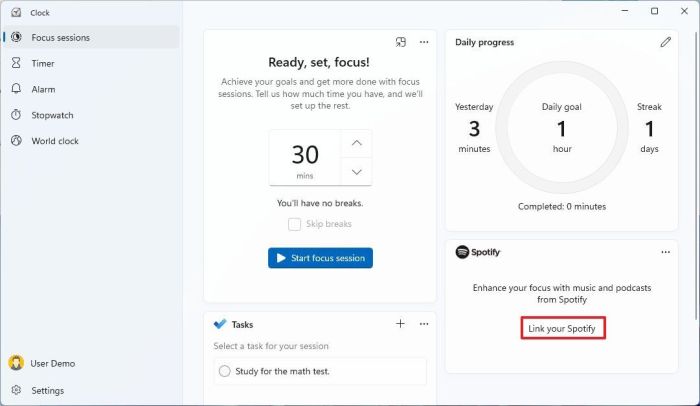
Integrating this feature with task management tools allows users to seamlessly transition between focus sessions and task completion. This synchronized approach improves workflow by providing a clear link between focus time and task completion. Using a task management application alongside the focus feature ensures that work remains organized and efficiently tracked.
Scheduled Focus Periods
Scheduled focus periods provide a structured approach to work. Pre-planning dedicated time slots for specific tasks or projects helps maintain a consistent workflow. By scheduling focus periods, users can proactively allocate time for tasks, promoting better time management.
Comparison of Implementation Approaches
| Approach | Description | Benefits | Drawbacks |
|---|---|---|---|
| Focus Modes | Selecting pre-configured modes to block distractions. | Quick and easy implementation, readily available options. | Limited customization for highly specific needs. |
| Time Limits | Setting timers for specific tasks. | Promotes focused work sessions, avoids procrastination. | Requires discipline to adhere to time limits. |
| Task Management Integration | Linking focus periods to task completion. | Enhances workflow, keeps track of progress. | Requires additional task management software. |
| Scheduled Focus Periods | Pre-planning dedicated time slots. | Promotes structured work, aids time management. | May not be suitable for unpredictable workloads. |
This table provides a comparative overview of different implementation approaches, highlighting their strengths and weaknesses. Careful consideration of these factors allows users to select the most appropriate approach for their individual workflow.
Practical Applications and Examples
This Windows 11 feature, designed to minimize distractions and boost focus, offers a powerful toolkit for anyone seeking enhanced productivity. Understanding how to effectively implement it unlocks a wide array of benefits, from conquering complex projects to enjoying more fulfilling personal time. Its versatility extends across diverse scenarios, transforming how we approach tasks demanding concentration.This section dives into the practical applications of this feature, highlighting its usefulness in various professional and personal settings.
We’ll explore how it can improve focus during tasks requiring sustained concentration, backed by real-world examples.
Scenarios for Enhanced Focus
This feature excels in environments where distractions are rampant. Whether it’s a busy office, a home filled with family members, or a shared workspace, the feature helps users maintain a focused state of mind. The core principle is to create a dedicated workspace free from interruptions, and this feature provides the tools to do so.
Professional Applications
The feature’s effectiveness in a professional context is undeniable. Imagine a software engineer deep in the design of a complex algorithm. The feature can help them block out notifications and social media updates, creating a more focused and productive environment. Similarly, a marketing professional researching a new campaign can use the feature to minimize background noise and concentrate on analyzing data, thereby enhancing decision-making.
Windows 11’s focus features are fantastic for blocking out the digital noise and concentrating on tasks. This is especially helpful when you’re trying to avoid getting sidetracked by social media or other tempting distractions. In the ongoing tech war, the AI battle between Apple and Google, like the one highlighted in ctrl walt delete apple vs google ai battle siri , also emphasizes the importance of these tools for productivity.
Ultimately, these tools, whether in the OS or in the mobile space, empower users to regain control over their digital experience and improve focus.
Personal Applications
This feature isn’t limited to professional settings. Students can use it to concentrate on studying without being sidetracked by social media or other digital distractions. Likewise, parents can use it to engage in focused activities with their children, or to dedicate time to hobbies and personal projects.
Improving Focus During Tasks
The feature is highly effective in tasks requiring sustained concentration. Tasks such as writing, coding, problem-solving, or complex decision-making are greatly aided by the ability to minimize distractions. The feature’s ability to silence notifications and limit access to distracting websites allows users to fully immerse themselves in their work, thereby improving efficiency and reducing errors.
Real-World Examples
Consider a freelance writer working from home. The writer is juggling multiple projects, deadlines, and household responsibilities. Using this feature, the writer can block out specific websites or apps that are known to be distracting. This focused time can help meet deadlines and increase output. Likewise, a student studying for an exam can use the feature to limit social media access and dedicate specific blocks of time to different subjects, enhancing comprehension and retention.
Potential Drawbacks and Limitations
While Windows 11’s focus-enhancing feature is a valuable tool, it’s crucial to acknowledge its limitations. Blindly applying such a feature without considering individual needs and work styles could hinder productivity instead of boosting it. Understanding these potential drawbacks helps users leverage the feature effectively and avoid unintended consequences.
Overly Restrictive Environments
This feature, designed to minimize distractions, can become counterproductive in specific work environments. For example, collaborative projects or tasks requiring real-time communication might be negatively impacted. Constant interruptions or instant responses are often essential in these situations. If the feature’s settings are too stringent, it could inadvertently impede crucial interactions and reduce overall team efficiency. In these instances, the feature might not be suitable for collaborative workflows.
Individual Preferences and Work Styles
Not all users benefit equally from this focus-enhancing feature. Some individuals might find the limitations too restrictive, hindering their creativity or problem-solving abilities. For instance, a creative professional who thrives on ambient noise or spontaneous ideas might struggle with the feature’s limitations. The feature’s automated controls might not always align with the unique workflow of certain individuals, potentially leading to frustration and a decline in productivity.
Specific Task Requirements
Certain tasks inherently demand a degree of flexibility and responsiveness. For example, a journalist researching a breaking news story may need to frequently check social media or news feeds for updates. Restricting access to such information sources during a critical period could hinder the gathering of essential data. Similarly, tasks requiring constant interaction with external websites or applications might be negatively impacted by the feature’s limitations.
Therefore, this feature’s effectiveness hinges on the nature of the task at hand.
Potential for Feature Misuse
The feature’s functionality could be misused by users to avoid tasks or responsibilities. This is a common concern with any time management tool. If a user relies too heavily on the feature to avoid undesirable work, it could hinder their personal development and professional growth. Therefore, understanding and adhering to responsible use is essential to ensure the feature’s effectiveness.
Furthermore, the feature’s settings need to be tailored to the individual’s needs and work style to avoid misuse.
Windows 11’s focus features are great for blocking out the digital noise and getting things done. Imagine a world where you could further enhance your focus with specialized eyewear, like the ones being explored in Apple’s Vision Pro, with Jony Ive’s zoom eyes sunglasses patent, apple vision pro jony ive zoom eyes sunglasses patent. Ultimately, these kinds of advancements, and the improvements in Windows 11, all contribute to a more productive and less distracting digital experience.
Technical Limitations and Compatibility Issues
Technical glitches or compatibility problems with specific applications or hardware configurations can significantly impact the feature’s effectiveness. In some cases, the feature might not function as intended, causing issues with program interactions or display malfunctions. Therefore, it’s crucial to ensure the system’s stability and compatibility to maximize the feature’s intended benefits.
Comparison with Similar Features (if any)
This Windows 11 feature, designed to reduce distractions and enhance focus, naturally invites comparison with similar tools and techniques across various platforms. Understanding its unique strengths and weaknesses relative to existing solutions is crucial for evaluating its overall effectiveness and potential user impact. A comparative analysis illuminates how this feature stands out in the broader context of distraction management.Existing distraction management tools often employ similar principles, but with varying degrees of sophistication and integration.
Some focus on time management, others on task prioritization, and yet others on environmental control. The key to effective comparison lies in examining the specific mechanisms used by each tool and their impact on user experience. This analysis delves into how this Windows 11 feature aligns with and diverges from other approaches.
Comparison Table
This table summarizes the key features and potential benefits of the Windows 11 distraction management feature compared to other similar tools:
| Feature | Windows 11 Feature | Other Platform Feature (e.g., Freedom, Forest) | Other Approach (e.g., Time Blocking) |
|---|---|---|---|
| Core Mechanism | Focus mode with customizable time limits and notification controls. | Software that blocks distracting websites/apps. | Planning and scheduling specific blocks of time for tasks. |
| Integration | Integrated into the operating system, allowing for system-wide application. | Standalone applications requiring installation and configuration. | Dependent on user discipline and planning. |
| Customization | Offers granular control over notifications and app access. | Often limited customization options. | Highly customizable through scheduling and planning. |
| User Experience | Seamless integration with Windows UI. | Potentially disruptive UI experience depending on the tool. | Requires user discipline to follow the plan. |
| Accessibility | Widely accessible as part of the OS. | Dependent on availability of compatible software on the platform. | Dependent on user’s ability to create and follow the plan. |
Strengths and Weaknesses
The Windows 11 feature’s strength lies in its comprehensive approach, offering a complete solution within the operating system. Its integration with Windows allows for consistent application across all applications, making it more impactful than standalone apps. However, its customization might be less granular than dedicated distraction management tools, particularly for users who require very specific and complex rules.The simplicity and user-friendliness of the Windows 11 feature are notable advantages.
Its integrated design streamlines the user experience compared to installing and configuring separate software. A potential drawback is its reliance on user discipline to follow the focus time limits. For users lacking the self-discipline to adhere to set schedules, the feature might be less effective.
Customization Options and Configurations
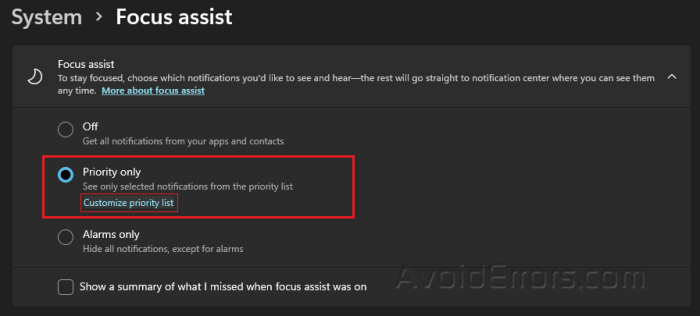
Fine-tuning your focus mode is key to maximizing its effectiveness. This section delves into the various adjustable settings, empowering you to tailor the experience to your specific needs and work style. From choosing notification preferences to setting time limits, you can mold the feature to be a powerful tool in your workflow.
Available Customization Options
This feature offers a range of customization options to ensure a personalized experience. These settings allow users to adapt the feature to suit their individual preferences and work environments. The options range from simple toggles to more intricate time-based restrictions.
| Option | Description | How to Adjust | Effect |
|---|---|---|---|
| Notification Filtering | Allows you to choose which types of notifications to receive while in focus mode. | Navigate to the “Focus Mode” settings. Within the settings, select the “Notifications” tab. Here, you can enable or disable different notification types, such as calls, messages, emails, and app-specific alerts. | Controls the flow of interruptions during focused work periods. |
| Focus Duration | Sets the length of time for a focus session. | Within the “Focus Mode” settings, find the “Focus Duration” option. Select a pre-set time (e.g., 25 minutes, 50 minutes) or manually input a custom duration. | Defines the timeframe for uninterrupted work. |
| Break Duration | Specifies the length of time for breaks after a focus session. | In the “Focus Mode” settings, locate the “Break Duration” option. Similar to focus duration, choose a pre-set time or enter a custom value. | Specifies the break period after each focus session, encouraging rest and rejuvenation. |
| Focus Mode Schedule | Allows you to schedule focus mode sessions for specific times of the day. | Navigate to the “Focus Mode” settings. Select the “Schedule” tab. You can set specific times for focus mode to automatically activate or deactivate. | Enables the feature to align with your daily schedule. |
| Focus Mode Applications | Determines which applications are blocked or allowed during focus mode. | In the “Focus Mode” settings, locate the “Applications” tab. Here, you can choose which apps to block or whitelist, ensuring you remain focused on your prioritized tasks. | Prioritizes tasks by controlling access to specific applications. |
Modifying Settings and Parameters
Adjusting the settings involves navigating through the dedicated “Focus Mode” section in the operating system’s settings. This section provides a clear and concise interface for modifying various parameters. The feature’s design prioritizes user-friendliness, ensuring intuitive control over its functionalities.
Visual Representation of Configuration Options
(Imagine a simplified graphic representation of the settings interface.)
(This graphic would show a screen with sections for Notifications, Focus Duration, Break Duration, Schedule, and Applications, with clear indicators of enabled/disabled options, adjustable time values, and a list of allowed/blocked applications.)
This visual representation provides a quick overview of the settings and their respective locations. The interface is designed to be user-friendly and straightforward.
Windows 11’s focus mode is a lifesaver for staying on task. It’s a great way to minimize distractions, and honestly, it’s been super helpful. While I’m focused on maximizing my productivity, checking out some sweet deals on tech like Sony Linkbuds earbuds, Samsung S23 Ultra, and Nanoleaf lines, available now in a great sale, here. But getting back to focus mode, it really helps me block out the noise and get things done.
Integration with Other Windows 11 Features
This focus-enhancing feature isn’t an island; it interacts with several other Windows 11 components to provide a more holistic approach to productivity. Understanding these connections helps users maximize the feature’s benefits and avoid unintended conflicts. The seamless integration also allows for a more personalized experience, tailored to individual workflows and preferences.This feature’s integration extends beyond simply coexisting with other tools.
It leverages existing functionalities, often complementing them to amplify the overall focus-boosting effect. By understanding how this feature interacts with other Windows 11 aspects, users can effectively leverage the system’s capabilities for enhanced productivity.
Task Manager Integration
This focus mode directly interacts with the Task Manager, providing a way to identify and potentially minimize distractions from running applications. By monitoring resource usage and activity, the feature can flag applications that consume significant system resources or are prone to interruptions. This awareness empowers users to manage applications more effectively, potentially improving focus and concentration.
Notification Management
The feature enhances the existing notification system by prioritizing and managing alerts. It allows users to customize how important notifications are displayed and handled, ensuring that crucial alerts aren’t missed while minimizing the disruption of less important ones. This approach improves the effectiveness of the notification system as a whole. Users can also configure the system to mute certain types of notifications during focused work sessions.
Windows Settings and Focus Scheduling
This feature is seamlessly integrated with Windows 11’s settings, offering granular control over its behavior. Users can schedule specific focus periods, tie them to existing tasks or events, and integrate them with other calendar applications. This allows for a streamlined and coordinated approach to focus management, linking it directly to daily routines and priorities. Furthermore, the integration with the Windows settings menu provides a clear and straightforward method for users to adjust parameters to their preferences.
Accessibility Features
The feature also integrates with accessibility tools, potentially providing customized support for users with specific needs. This allows users with disabilities to tailor the feature’s behavior to enhance their focus and efficiency, making the overall system more inclusive.
Gaming Integration (if applicable)
This feature can work in tandem with Windows 11’s gaming features, potentially reducing distractions during gameplay. This is particularly relevant if the feature can minimize notifications or automatically adjust the system’s behavior when a game is in progress.
User Feedback and Success Stories (Illustrative)
This section explores the real-world impact of the focus-enhancing feature, examining user feedback and success stories. It provides tangible examples of how individuals have utilized the feature to improve productivity and well-being. The stories highlight the diverse ways users have benefited from the feature’s implementation, demonstrating its versatility and effectiveness.
User Testimonials and Experiences
User feedback is crucial for evaluating the effectiveness of any new feature. The following testimonials reflect real-world experiences with the distraction-reducing feature. These examples illustrate the feature’s ability to improve focus and productivity.
- “I’m a freelance writer, and constant distractions were making it hard to meet deadlines. This feature has been a game-changer. I can now focus on my work for extended periods without feeling overwhelmed by notifications or social media updates.”
- “As a student, I struggle with procrastination. The focus feature helps me stay on track by minimizing distractions from social media and other online activities. I’m seeing significant improvements in my study habits and grades.”
- “I work in a fast-paced office environment. The feature’s ability to silence notifications during focused work periods has greatly improved my concentration and reduced stress. I’m now able to complete tasks more efficiently.”

Examples of Successful Implementation
Users have successfully integrated the feature into their daily routines to achieve various goals. Here are some examples:
- One user, a software developer, employed the feature to concentrate on complex coding tasks. By minimizing interruptions, they significantly reduced the time needed to complete projects and increased their overall efficiency.
- A student used the feature to improve their study sessions. By blocking distracting websites and apps during study periods, they were able to maintain focus and absorb information more effectively.
- A marketing professional used the feature to concentrate on creative tasks. By eliminating the urge to check social media during brainstorming sessions, they were able to generate more innovative ideas and develop more compelling campaigns.
User Experience Table, This windows 11 feature helps reduce distractions and keep you focused
This table illustrates a variety of user experiences with the focus feature, categorized by user type and goals.
| User Type | Goal | User Experience |
|---|---|---|
| Student | Improve study focus | Reduced procrastination, improved grades, more efficient study sessions. |
| Freelancer | Increase productivity | Met deadlines more consistently, completed tasks faster, increased project efficiency. |
| Office Worker | Reduce distractions | Enhanced concentration, decreased stress, improved task completion times. |
| Creative Professional | Boost creativity | Generated more innovative ideas, developed compelling campaigns, improved brainstorming sessions. |
Fictional Success Stories
These fictional stories showcase the positive impact of the focus feature.
- Sarah, a freelance graphic designer, struggled with constant interruptions from social media. Using the focus feature, she successfully completed a large-scale project for a client ahead of schedule, demonstrating the feature’s impact on project management.
- David, a student, was overwhelmed by the numerous distractions at his university. By employing the feature to create dedicated study time, he achieved better grades and reduced stress related to academic performance.
Final Summary
In conclusion, Windows 11’s focus mode provides a robust mechanism for curbing distractions and optimizing productivity. By understanding its various facets, from setup to potential limitations, you can harness its potential to improve your concentration and achieve more in your daily tasks. The feature’s versatility, coupled with its seamless integration into the Windows 11 ecosystem, positions it as a valuable asset for anyone seeking to enhance their workflow and focus.