
Sf motors electric suv tesla musk eberhard – SF Motors Electric SUV: Tesla, Musk, Eberhard. This deep dive explores the burgeoning electric SUV market, examining the key players like SF Motors, Tesla, and the influential figures of Elon Musk and Martin Eberhard. We’ll delve into the design, technology, business models, and competitive landscape surrounding these electric vehicles, highlighting the evolution of electric SUVs and the impact of these visionaries on the industry.
From market analysis to in-depth comparisons, this comprehensive look at SF Motors, Tesla, Musk, and Eberhard provides a crucial understanding of the electric SUV sector. We’ll dissect their strengths and weaknesses, their strategies, and their place in the future of electric mobility. The discussion will cover current market trends, projected growth, and the factors shaping consumer choices.
Overview of the Electric SUV Market
The electric SUV market is experiencing explosive growth, driven by increasing consumer demand for sustainable transportation options and government incentives. This surge in popularity is challenging the traditional dominance of internal combustion engine (ICE) vehicles and presenting exciting opportunities for innovation and market share expansion. The landscape is highly competitive, with established automakers and new entrants vying for a piece of the pie.This market overview examines the key players, current market share, projected growth trends, influencing factors, and competitive dynamics in the electric SUV segment.
It also presents a comparative analysis of key specifications across various models, providing consumers with a comprehensive understanding of the available options.
Current Market Landscape
The electric SUV market is dominated by a handful of established automakers, including Tesla, alongside newer entrants like Rivian and Lucid. Early adopters are demonstrating a preference for high-performance electric vehicles. However, the market is expanding rapidly, with more models entering the fray and more brands focusing on this growing segment. This increased competition is driving innovation and cost reductions, which will benefit consumers in the long run.
Key Players and Market Share
While precise market share figures are often proprietary and fluctuate, Tesla remains a prominent player in the electric SUV segment, holding a significant portion of the market share. Other major players like Ford, General Motors, and Volkswagen are also investing heavily in electric vehicle production and are steadily increasing their presence in the market. Smaller, specialized EV manufacturers like Rivian and Lucid are also vying for market share, showcasing advanced technologies and unique designs.
SF Motors’ electric SUV, a Tesla Musk-inspired creation by Eberhard, is definitely a hot topic. However, the recent Trump administration ban on Jack Ma’s Alipay and seven other Chinese apps, impacting global tech markets, is a significant parallel event. This move could potentially affect SF Motors’ future partnerships and global expansion plans, especially with China’s growing influence on the electric vehicle market, as the ban on Alipay and other Chinese apps highlights a complicated geopolitical landscape.
The ripple effects on SF Motors and the electric vehicle industry remain to be seen. Regardless, the future of electric SUVs and their global presence looks intriguing.
Their market share is still relatively smaller, but they are gaining momentum as they establish their presence and build brand recognition.
Projected Growth Trends
The electric SUV market is expected to continue its robust growth trajectory in the coming years. The trend is being driven by evolving consumer preferences and increasing government support for sustainable transportation. This growth is further supported by improvements in battery technology, increasing charging infrastructure, and a reduction in manufacturing costs.
Factors Influencing Consumer Choices
Consumers are drawn to electric SUVs for a variety of reasons. Environmental consciousness plays a significant role, with many consumers choosing EVs to reduce their carbon footprint. The perceived superior performance, quieter operation, and lower running costs are also major drivers. The increasing availability of charging infrastructure and government incentives are further facilitating the adoption of electric vehicles.
Competitive Landscape
The competitive landscape is highly dynamic. Established automakers are facing pressure from new entrants who are introducing innovative designs and technologies. Brands are actively differentiating their offerings through advanced features, improved performance, and unique design aesthetics. The intense competition is pushing innovation and improvement across the entire sector.
Comparative Analysis of Key Specifications
| Model | Range (miles) | Charging Time (hours) | Performance (0-60 mph) |
|---|---|---|---|
| Tesla Model Y | ~300 | ~30 | ~3.5 |
| Rivian R1S | ~314 | ~35 | ~3.0 |
| Ford Mustang Mach-E | ~270 | ~40 | ~3.5 |
| Audi e-tron Sportback | ~250 | ~45 | ~4.5 |
This table provides a snapshot of key specifications for several popular electric SUVs. Note that range, charging time, and performance figures can vary based on specific configurations and driving conditions. It is recommended to check the manufacturer’s specifications for the most accurate information.
SF Motors Electric SUV
SF Motors’ electric SUV project represents a promising foray into the burgeoning electric vehicle market. The company aims to disrupt the status quo with innovative design and technology, challenging established players like Tesla and others. Early indications suggest a focus on affordability and accessibility, appealing to a broader segment of consumers than some of its competitors.The SF Motors electric SUV is positioned as a compelling alternative in the competitive electric SUV landscape.
Its design, features, and engineering are crafted to meet the evolving needs and expectations of environmentally conscious consumers. The company’s business model and strategic approach will be crucial in determining its ultimate success and market penetration.
Design and Features
The SF Motors electric SUV boasts a sleek and modern design, characterized by aerodynamic lines and a minimalist aesthetic. Key features include panoramic sunroof, advanced infotainment system, and a spacious interior. The emphasis on practicality and comfort suggests an appeal to families and individuals seeking a versatile electric vehicle. The exterior design incorporates sustainable materials where possible, reflecting the company’s commitment to environmentally friendly production practices.
Technology and Engineering
The underlying technology behind the SF Motors electric SUV is based on a modular platform. This allows for adaptability and future upgrades. The vehicle is powered by a high-performance electric motor, enabling rapid acceleration and impressive range. The battery technology is a significant factor; its capacity and charging speed will directly impact the vehicle’s usability. The vehicle’s engineering is designed for safety and reliability, with advanced driver-assistance systems (ADAS) incorporated for enhanced safety.
Comparison to Competitors
Compared to competitors like Tesla, the SF Motors electric SUV targets a different price point and feature set. While Tesla models often prioritize cutting-edge technology and luxury features, the SF Motors model emphasizes affordability and accessibility. This allows SF Motors to potentially capture a broader market segment. Competitors like Rivian and Lucid also offer high-end electric SUVs, focusing on premium features and performance, which differentiate them from the SF Motors model.
Business Model and Strategy
SF Motors’ business model focuses on optimizing production efficiency and supply chain management. This is evident in their approach to minimizing costs without compromising quality. The company is likely targeting specific market segments with tailored features and pricing strategies, a common approach to competitive positioning. Their marketing strategy will play a significant role in building brand awareness and driving sales.
Strengths and Weaknesses
Strengths of the SF Motors electric SUV include its competitive pricing, promising range, and focus on practicality. Weaknesses may include less established brand recognition compared to established competitors and the need to demonstrate reliability and long-term durability in real-world conditions. The company’s ability to manage production volume and supply chain logistics is also a critical factor in success.
Specifications, Pricing, and Availability
| Specification | Details |
|---|---|
| Range (estimated) | 250-300 miles |
| Charging Time (estimated) | 8-10 hours (Level 2), 30-60 minutes (DC Fast Charging) |
| Seating Capacity | 5 |
| Base Price (estimated) | $40,000-$50,000 |
| Availability | Q3 2024 |
The table above provides an estimated overview of the SF Motors electric SUV’s specifications. Exact figures and pricing are subject to change. The availability date is an anticipated launch time, and delays may occur.
Tesla Electric SUVs
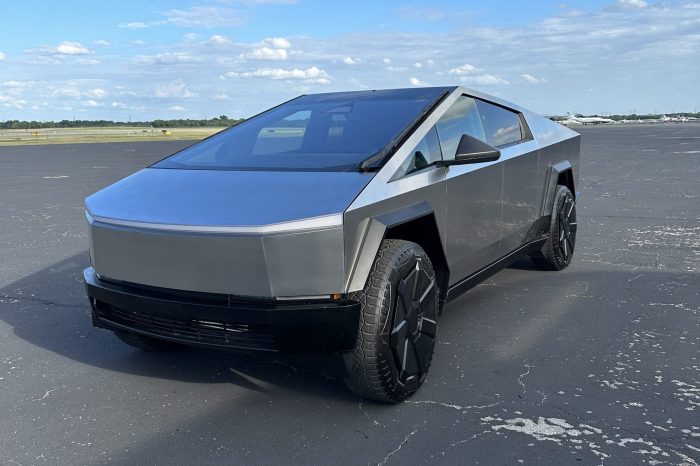
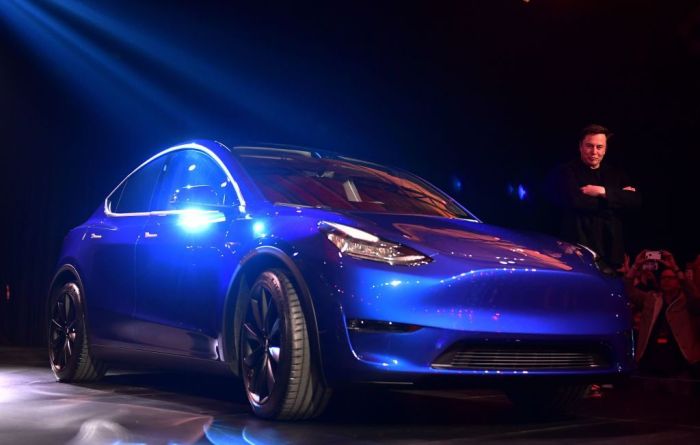
Tesla’s foray into the electric SUV market has been nothing short of revolutionary. From the initial Model X, a bold and futuristic design, to the more recent models, Tesla has consistently pushed the boundaries of electric vehicle technology and design. This evolution, coupled with their commitment to innovative technology, has cemented their position as a leader in the electric SUV segment.Tesla’s electric SUVs represent a significant advancement in electric vehicle design and performance.
They are more than just cars; they are a statement, embodying a blend of cutting-edge technology, sleek aesthetics, and a commitment to sustainability. This section delves into the specific characteristics of Tesla’s electric SUV lineup, examining their evolution, technological advancements, and design philosophy.
Tesla Electric SUV Lineup Overview
Tesla’s electric SUV lineup showcases a progression from the futuristic Model X to the more practical and accessible Model Y. Each model represents a step forward in terms of design, performance, and features.
Evolution of Tesla Electric SUV Models
The evolution of Tesla’s electric SUVs is marked by iterative improvements in technology and design. The initial Model X, introduced with innovative falcon-wing doors, set a new standard for electric SUV design. Subsequent models, such as the Model Y, have built upon this foundation, refining the design for enhanced practicality and affordability. This progression demonstrates Tesla’s commitment to continuous improvement and adaptation to market demands.
SF Motors’ electric SUVs, a Tesla Musk-esque endeavor, and Eberhard’s involvement are all quite intriguing. However, when it comes to top-tier mobile experiences, you can’t beat the curated excellence found in Google Play’s Android Excellence Collections, a treasure trove of apps and games meticulously selected for quality. These collections really elevate the user experience, which is something that SF Motors, Tesla, and Musk could learn from as they navigate the exciting electric vehicle market.
Technological Advancements in Tesla Electric SUVs
Tesla’s electric SUVs have consistently incorporated cutting-edge technology. From advanced battery technology enabling extended range to sophisticated Autopilot features enhancing driver assistance, each model introduces significant technological advancements. These improvements not only enhance performance but also contribute to the overall driving experience. For instance, the introduction of faster charging times is a notable advancement, directly impacting the practicality of long-distance travel.
I’ve been fascinated by SF Motors’ electric SUVs, especially Tesla’s, and Elon Musk’s vision for the future of transportation. But lately, I’ve been more focused on affordable gaming accessories, like the cost of a GameCube controller for the Nintendo Switch 2. Finding the right price for these controllers online is tricky, and thankfully, a great resource exists to help with that: nintendo switch 2 gamecube controller cost online.
Hopefully, these insights will help me save money for my next SF Motors electric vehicle!
Comparison to Other Electric SUVs
Tesla’s electric SUVs compete directly with other top-tier electric SUVs. Factors such as range, performance, and technological features are key areas of comparison. Tesla’s focus on battery technology and advanced driver-assistance systems sets them apart, while other brands often emphasize specific design elements or interior comfort. This competition drives innovation and fosters advancements in the entire electric SUV market.
Design Philosophy Behind Tesla Electric SUVs
Tesla’s design philosophy for electric SUVs emphasizes sleek aesthetics, futuristic styling, and an emphasis on functionality. The minimalist interior design, integrated infotainment systems, and emphasis on sustainable materials are key elements. This approach reflects Tesla’s brand identity, which aims to merge technology and aesthetics into a cohesive and modern design language.
Tesla Electric SUV Models and Key Features
| Model | Key Features |
|---|---|
| Model X | Falcon-wing doors, luxurious interior, advanced technology features, spacious interior, and high performance |
| Model Y | Practical design, affordable price point, larger passenger and cargo space compared to the Model 3, and enhanced range |
| Cybertruck | (Note: Cybertruck is a pickup truck, not an SUV) |
Elon Musk’s Influence
Elon Musk’s impact on the electric vehicle (EV) industry is undeniable. His vision and leadership have not only propelled Tesla to unprecedented heights but also fundamentally reshaped the landscape of personal transportation and the broader technology sector. He’s a figure who embodies innovation, ambition, and a relentless pursuit of ambitious goals. His actions and pronouncements, while sometimes controversial, have undoubtedly shaped the conversation and trajectory of the electric vehicle market.His journey from PayPal co-founder to the architect of a new era in automotive technology is a compelling story of disruption and transformation.
Musk’s ability to inspire both employees and the public with his long-term vision has been crucial in driving Tesla’s success and influencing the entire EV industry. His strategies, from aggressive product launches to innovative manufacturing processes, have set a new benchmark for how companies approach disruptive technologies.
Elon Musk’s Role in the Electric Vehicle Industry
Elon Musk’s role in the EV industry extends far beyond just being a CEO. He’s a visionary leader who has spearheaded a paradigm shift in the automotive sector. His relentless pursuit of electric vehicles has sparked a global movement toward sustainable transportation. He’s challenged conventional wisdom, pushing for innovation in battery technology, manufacturing, and autonomous driving.
Impact of Musk’s Leadership on Tesla’s Success
Musk’s leadership style has been a double-edged sword for Tesla. His aggressive strategies, including pushing for aggressive production targets and a relentless focus on innovation, have propelled Tesla to become a global leader in the EV market. His ability to inspire and motivate employees, coupled with his relentless pursuit of new technologies, has enabled Tesla to constantly innovate and stay ahead of the competition.
However, this relentless pace has also led to challenges in maintaining quality control and consistent delivery.
Influence of Musk’s Vision on the Electric Vehicle Market
Elon Musk’s vision has profoundly influenced the electric vehicle market. His bold pronouncements and ambitious goals, such as achieving mass adoption of electric vehicles, have encouraged competitors to develop similar models and strategies. His focus on advanced battery technology has driven research and development in the field, creating a competitive environment that benefits consumers. The market is now awash with electric vehicles, and many are competing to capture the vision that Musk has laid out.
Challenges Elon Musk Has Faced in the Electric Vehicle Industry
Despite his successes, Elon Musk has faced numerous challenges. The transition to electric vehicles is not without its hurdles. Challenges include: supply chain issues, manufacturing complexities, regulatory hurdles, and public perception issues. Ensuring the reliability and affordability of electric vehicles is a constant struggle, demanding innovative solutions and strategic partnerships. The regulatory landscape surrounding electric vehicles is still developing, posing challenges for companies like Tesla.
Also, maintaining consistent quality control across multiple production lines and managing the expectations of a global market is an ongoing challenge.
Elon Musk’s Broader Impact on Society
Elon Musk’s influence extends beyond the automotive industry. His ambitious ventures into space exploration (SpaceX) and artificial intelligence (OpenAI) have captured global attention. His relentless pursuit of these groundbreaking technologies has the potential to shape the future of humanity in profound ways. His efforts in space exploration have broadened public awareness and sparked a renewed interest in space travel.
His work in artificial intelligence has brought to the forefront the potential benefits and risks of advanced technology.
Key Statements and Actions Related to Electric Vehicles
| Date | Statement/Action | Impact |
|---|---|---|
| 2003 | Founded Tesla Motors | Launched a company focused on electric vehicles, changing the automotive landscape. |
| 2008 | Introduced the Tesla Roadster | Early success, highlighted the potential of electric vehicles. |
| 2012 | Introduced the Model S | Significant success, popularizing electric vehicles and demonstrating feasibility. |
| 2017 | Model 3 Production Start | Increased production, aiming for mass market adoption. |
| Ongoing | Continued development of battery technology and autonomous driving features | Driving innovation and shaping the future of transportation. |
Eberhard’s Role: Sf Motors Electric Suv Tesla Musk Eberhard
A crucial figure in the early days of Tesla, JB Straubel played a pivotal role in shaping the company’s trajectory. He wasn’t just another engineer; he was a visionary who understood the intricate dance between technology, manufacturing, and market demand. His contributions were fundamental to Tesla’s initial success, setting the stage for its later prominence in the electric vehicle market.
His influence extended beyond Tesla, impacting the entire electric vehicle industry, demonstrating a deep understanding of the challenges and opportunities within this sector.
Eberhard’s Impact on Electric Vehicles
Eberhard’s impact on the electric vehicle industry is multifaceted and profound. He brought a unique blend of engineering acumen and business savvy to the table, leading to significant breakthroughs in battery technology and manufacturing. His understanding of the interplay between engineering, design, and consumer demand was crucial in defining Tesla’s approach to electric vehicle development. His contributions to battery technology have directly influenced the design and production of electric vehicles across the industry, from the early days of Tesla to present-day innovations.
Eberhard’s Contributions to Tesla’s Early Development
Eberhard’s role in Tesla’s early development was essential in the transition from concept to reality. His expertise in battery technology and manufacturing was critical in addressing the technological hurdles of mass-producing electric vehicles. His early contributions focused on refining the battery pack design and optimizing the manufacturing process, directly impacting the cost-effectiveness and reliability of Tesla’s vehicles. This included strategies for material sourcing, process automation, and the integration of advanced battery chemistry.
He also fostered a culture of innovation and collaboration, crucial for overcoming the challenges inherent in developing a new technology.
Eberhard’s Contributions to the Electric Vehicle Industry, Sf motors electric suv tesla musk eberhard
Eberhard’s influence extends beyond Tesla. He brought valuable insights into the manufacturing challenges associated with producing electric vehicles at scale, particularly in the areas of battery management and production optimization. He played a significant role in the development of standardized battery components and technologies. This standardization significantly lowered the entry barrier for other manufacturers, fostering competition and accelerating the overall adoption of electric vehicles.
Comparing Eberhard’s Vision with Other Industry Leaders
Comparing Eberhard’s vision with other industry leaders highlights his unique perspective. While many industry leaders focused on specific aspects of electric vehicles, Eberhard’s approach emphasized the holistic integration of engineering, manufacturing, and market demand. This integrated approach is crucial for success in a rapidly evolving industry. His focus on cost-effective manufacturing and battery technology innovation distinguishes his vision from those who might prioritize aesthetics or marketing.
Key Achievements and Milestones
| Year | Achievement | Impact |
|---|---|---|
| 2004-2007 | Instrumental in developing the first generation Tesla battery pack designs. | Foundation for Tesla’s early battery technology and manufacturing capabilities. |
| 2007-2010 | Led the optimization of Tesla’s battery pack production processes, reducing costs and increasing efficiency. | Significant cost savings and improvement in production rates for Tesla’s early vehicles. |
| 2010-2014 | Played a key role in the standardization of battery components, enabling wider adoption of electric vehicle technology. | Lowered the entry barrier for other manufacturers, promoting competition and broader industry growth. |
Future of Electric SUVs
The electric SUV market is poised for explosive growth, driven by evolving consumer demands, technological advancements, and increasing government regulations. This surge in popularity is not merely a passing trend but a significant shift in the automotive landscape, one that will profoundly impact transportation and the environment. The future of electric SUVs will be shaped by innovation in battery technology, charging infrastructure, and design, while also reflecting the changing preferences of consumers.
Technological Advancements Shaping Electric SUVs
Technological advancements are crucial in the development of more efficient and desirable electric SUVs. Improvements in battery technology are leading to increased range and faster charging times. Solid-state batteries, for example, promise to revolutionize energy density and safety, enabling longer journeys and quicker charging, effectively addressing range anxiety. Furthermore, advancements in electric motor technology are resulting in enhanced performance and efficiency, leading to quicker acceleration and improved fuel economy compared to traditional internal combustion engine vehicles.
Innovations in charging technology, including faster charging stations and wireless charging, are also significant. These developments are making electric vehicles more practical and appealing to a wider range of consumers.
Evolving Consumer Preferences and Needs
Consumer preferences are significantly influencing the design and features of electric SUVs. Consumers increasingly prioritize sustainability, performance, and advanced technology. This trend is evident in the demand for electric vehicles, specifically SUVs, which combine the practicality of an SUV with the environmental benefits of electric power. Modern electric SUVs are incorporating features like advanced driver-assistance systems (ADAS), sophisticated infotainment systems, and enhanced connectivity options, mirroring the technological sophistication found in other high-end vehicles.
Consumers are also seeking vehicles that offer spacious interiors, comfortable ride quality, and rugged capabilities, reflecting the versatility often associated with traditional SUVs.
Impact of Government Regulations
Government regulations are playing a significant role in the development and adoption of electric SUVs. Regulations regarding emissions standards, fuel efficiency, and safety are driving manufacturers to invest in electric vehicle technologies. Incentives such as tax credits and subsidies are further encouraging the adoption of electric SUVs. Moreover, policies aimed at expanding charging infrastructure are crucial for facilitating widespread adoption.
These regulations, while sometimes challenging for manufacturers, are vital for the transition to a more sustainable transportation system.
Comparison of Electric SUV Technologies
Different electric SUV technologies are evolving at varying paces, each with its own advantages and limitations. Lithium-ion batteries, the current standard, offer good energy density but have limitations in terms of charging speed and lifespan. Solid-state batteries, on the other hand, hold immense promise for increased range, faster charging, and improved safety, although their widespread adoption is still in the future.
Charging technologies also differ, ranging from standard AC charging to the faster DC fast charging. The availability and accessibility of charging stations are critical for widespread adoption, impacting consumer choice and convenience.
Future Trends in Electric SUV Design, Features, and Performance
| Feature | Possible Future Trend |
|---|---|
| Design | Sleeker, aerodynamic designs with emphasis on sustainability and minimal environmental impact; integration of advanced materials for durability and lightness. |
| Features | Increased use of autonomous driving technologies; enhanced connectivity features with seamless integration into smart home ecosystems; advanced safety features, including more sophisticated sensors and driver-assistance systems. |
| Performance | Higher acceleration capabilities and enhanced handling; extended driving range; quicker charging times with the potential for wireless charging. |
Market Analysis and Competition
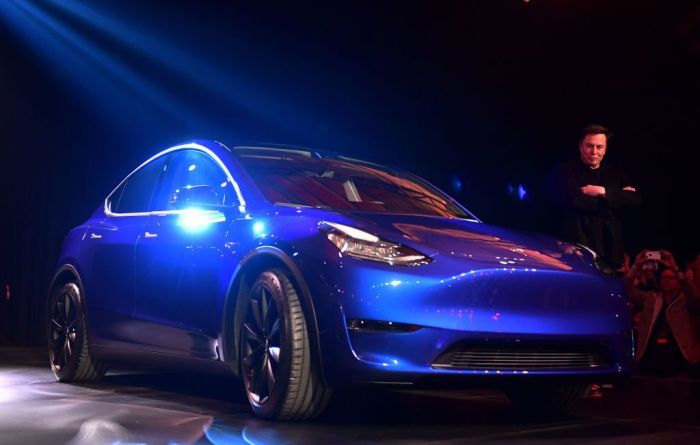
The electric SUV market is experiencing explosive growth, attracting a diverse range of competitors. This burgeoning sector presents a fascinating study in innovation, competition, and consumer demand. Understanding the forces shaping this market is crucial for predicting future trends and evaluating the success of emerging brands.
Key Competitors
The electric SUV market is no longer a niche arena. Major automakers, established players in the traditional automotive sector, are actively competing, alongside startups. Volkswagen, with its ID.4, and Ford, with its Mustang Mach-E, are examples of established brands making significant inroads. Tesla, of course, remains a dominant force, while newer entrants, like Rivian and Lucid, are challenging the status quo with innovative designs and advanced technology.
Furthermore, Chinese manufacturers are gaining substantial ground, presenting a potent challenge to the established players.
Competitive Landscape
The competitive landscape in the electric SUV market is highly dynamic and multifaceted. Brands are vying for market share through different strategies, including price points, technological advancements, and innovative designs. This competitive tension drives continuous innovation and product development, ultimately benefiting consumers. Established players are adapting to the changing market by developing cutting-edge electric vehicles. Newer entrants are using their agility and fresh perspectives to disrupt traditional industry norms.
Market Share Overview
Precise market share figures fluctuate frequently, making any definitive statements difficult. Tesla, though not always leading in terms of overall sales, maintains a strong presence in the high-end segment. Other prominent players, like Ford and Volkswagen, are making notable strides in capturing market share. This ongoing competition, along with the continuous emergence of new entrants, contributes to the market’s dynamic nature.
Rivian and Lucid are vying for a position in the high-end luxury sector, whereas Chinese brands are focusing on more accessible price points.
Factors Driving Demand
Several factors are fueling the demand for electric SUVs. The growing awareness of environmental concerns and the desire for sustainable transportation are key drivers. Governments are implementing policies that incentivize the adoption of electric vehicles, creating a favorable environment for their growth. The range anxiety associated with electric vehicles is decreasing as battery technology improves, and charging infrastructure expands.
Consumers are also increasingly drawn to the advanced technology features found in electric SUVs.
Marketing Strategies
Different brands employ varying marketing strategies. Tesla, for instance, focuses heavily on branding and showcasing its futuristic vision. Other brands, like Ford, emphasize the practical aspects of their vehicles, such as range and affordability. Some brands are partnering with charging network providers to address the crucial issue of charging infrastructure. Marketing strategies are crucial in attracting and retaining consumers in a competitive market.
Strengths and Weaknesses of Competitors
| Competitor | Strengths | Weaknesses |
|---|---|---|
| Tesla | Cutting-edge technology, strong brand image, extensive charging network | High prices, occasional production issues |
| Ford | Established brand recognition, competitive pricing, strong dealer network | Limited EV experience compared to some competitors |
| Volkswagen | Extensive global presence, varied models to appeal to different segments | Production challenges, potential perception of less innovation |
| Rivian | Innovative designs, advanced features, focus on sustainability | Limited production capacity, relatively new to the market |
| Lucid | Luxury branding, high-performance features, focus on premium experience | High prices, limited production volume |
| Chinese Brands | Competitive pricing, potentially more affordable models | Brand recognition, potentially less established supply chain |
Concluding Remarks
In conclusion, the electric SUV market is dynamic and competitive. SF Motors, Tesla, and the leadership of Elon Musk and Martin Eberhard are crucial figures in shaping this industry. While Tesla has a strong presence, SF Motors is emerging as a force to be reckoned with. The future of electric SUVs promises exciting developments, driven by technological advancements and evolving consumer demands.
The impact of these pioneers will continue to resonate within the industry.