



Samsung cranks up Galaxy S25 production with tariff clouds on the horizon, signaling a significant push for the next-generation smartphone. This aggressive production ramp-up suggests strong confidence in consumer demand, but the looming threat of tariffs adds a layer of complexity to the equation. Factors like supply chain challenges and potential manufacturing limitations could impact the timeline and overall success of this ambitious endeavor.
The increased production, alongside the potential for tariffs, is expected to significantly affect Samsung’s pricing strategy, global market share, and financial performance. This analysis will explore the various facets of this complex situation, from production capacity and timelines to the potential impact on consumer demand, supply chains, and the overall financial outlook for Samsung.
Production Ramp-Up & Capacity
Samsung’s recent announcement regarding increased Galaxy S25 production signals a proactive approach to potentially anticipated high demand. This strategic move reflects the company’s confidence in the device’s market appeal and underscores its commitment to meeting projected sales targets. The ramp-up also indicates a calculated response to potential supply chain challenges, suggesting Samsung has taken steps to mitigate potential risks.
Production Increase Details
Samsung’s announced increase in Galaxy S25 production is a significant undertaking, reflecting the anticipated popularity of the new model. This proactive strategy demonstrates the company’s understanding of market trends and consumer preferences. The decision to increase production capacity is not just a response to potential demand but also a calculated effort to ensure a smooth supply chain and avoid potential shortages.
This strategic foresight is critical in a competitive market where product availability directly impacts sales figures.
Motivations Behind the Production Increase
Several factors likely motivated Samsung’s decision to ramp up Galaxy S25 production. Foremost is the anticipated high demand, considering the established success of previous Galaxy models. Anticipating a strong sales performance, the company is likely aiming to capture a larger market share. Moreover, the production increase addresses potential supply chain disruptions. Samsung’s proactive measures aim to mitigate risks associated with material shortages or logistical challenges.
This foresight allows for a more resilient supply chain. Another crucial factor is maintaining a competitive edge. By ensuring ample supply, Samsung positions itself well to handle potential surges in demand and avoid production bottlenecks.
Factors Influencing Production Capacity
Several factors impact the production capacity for the Galaxy S25. Supply chain challenges, including material shortages and logistical delays, are significant concerns. Samsung’s ability to navigate these challenges will be critical to achieving its production targets. Manufacturing capabilities, including the efficiency of its factories and the availability of skilled labor, play a crucial role. Moreover, unforeseen events, such as natural disasters or geopolitical instability, can impact the supply chain.
Samsung’s contingency plans and adaptability are vital to address these uncertainties.
Timeline for Launch and Ramp-Up
The expected timeline for the Galaxy S25 launch and production ramp-up is crucial for success. The launch date is anticipated to fall within the typical release window for Samsung’s flagship models. A smooth ramp-up is essential to ensure a sufficient supply meets anticipated demand. The exact timeline remains undisclosed, but the proactive approach suggests Samsung is diligently working towards meeting anticipated sales projections.
Comparison of Production Targets (Previous Galaxy Models)
| Galaxy Model | Target Production (estimated) | Actual Production (estimated) | Difference (estimated) |
|---|---|---|---|
| Galaxy S23 | 100 million units | 98 million units | 2 million units |
| Galaxy S22 | 95 million units | 92 million units | 3 million units |
| Galaxy S21 | 88 million units | 85 million units | 3 million units |
Note: Figures are estimations for illustrative purposes. Actual production figures may vary due to unforeseen circumstances.
Tariff Implications & Global Trade: Samsung Cranks Up Galaxy S25 Production With Tariff Clouds On The Horizon
The impending Galaxy S25 launch arrives amidst a backdrop of potential trade tensions. Understanding the tariff implications is crucial for Samsung’s production and pricing strategy, directly impacting its global market share. This analysis explores the potential impact of tariffs on Samsung’s operations, highlighting various trade scenarios and potential mitigation strategies.The global trade landscape is complex and ever-shifting. Tariffs, imposed by governments to protect domestic industries, can significantly impact international supply chains.
These complexities influence the production costs and ultimately, the retail price of products like the Galaxy S25. Samsung must navigate this dynamic environment to ensure a profitable and successful launch.
Potential Impact on Production and Pricing
Samsung’s production of the Galaxy S25 relies on a global supply chain. Tariffs on components or finished goods could dramatically increase the cost of production. This could translate to higher retail prices, potentially impacting sales volume and market share. The effect is not uniform across all regions, with some countries experiencing larger price increases than others.
Expected Effects on Samsung’s Global Market Share
Trade tensions can affect Samsung’s global market share in several ways. Increased prices due to tariffs might make the Galaxy S25 less competitive in certain markets, potentially leading to lower sales and market share. This is especially true in price-sensitive markets. Conversely, some countries may see increased demand for cheaper alternatives, if the S25 price increase is significant.
Samsung’s ramping up Galaxy S25 production, but trade tensions are looming. It’s a bit of a gamble, considering the potential for tariffs. Fortunately, you can now download Google Play Protect standalone app here to help keep your apps safe. This proactive step might help alleviate some of the worries about the potential impact of tariffs on the phone’s availability and price, especially as the production ramp-up continues.
Comparison of Global Trade Scenarios
Different global trade scenarios present varying challenges for Samsung. A scenario with widespread tariffs across various components could lead to substantial price increases. A scenario with targeted tariffs, focused on specific components or countries, could create more localized price fluctuations. A stable trade environment would likely result in more predictable pricing and production costs. The uncertainty surrounding tariffs presents a considerable risk to Samsung’s business strategy.
Alternative Strategies to Mitigate Tariff Risks, Samsung cranks up galaxy s25 production with tariff clouds on the horizon
Samsung can adopt several strategies to mitigate the risks associated with potential tariffs. Diversifying its supply chain by sourcing components from multiple countries could reduce reliance on a single supplier or region. Negotiating favorable trade agreements or exemptions with affected countries could offer temporary or permanent relief. Investing in regional production facilities could decrease reliance on international supply chains and reduce the tariff burden.
These strategies would require careful planning and potentially significant capital investment.
Potential Impact of Different Tariff Levels on Retail Price
| Tariff Level (%) | Estimated Price Increase (USD) | Impact on Market Share |
|---|---|---|
| 0 | 0 | Stable |
| 5 | 20-50 | Marginal impact |
| 10 | 50-100 | Potential decrease in market share, particularly in price-sensitive markets |
| 15 | 100-150 | Significant decrease in market share |
| 20 | 150-200 | Likely substantial decrease in market share and potentially impact on profitability |
Note: The table estimates potential price increases, but actual figures will depend on specific tariff rates, exchange rates, and other market factors. The impact on market share is a general estimation and will vary depending on the specific markets and customer behavior.
Market & Consumer Demand
The Galaxy S25 launch is poised to be a crucial test of Samsung’s ability to maintain its market dominance in the high-end smartphone sector. Projected consumer demand hinges on a variety of factors, including global economic conditions, the prevailing market trends, and the competitiveness of the offerings from rival manufacturers. Understanding these variables is essential to anticipate the potential success of the S25 and formulate effective marketing strategies.The smartphone market is currently experiencing a period of transition, with consumers increasingly prioritizing features like advanced cameras, superior processing power, and seamless integration with other devices.
The Galaxy S25, with its anticipated improvements in these areas, aims to capitalize on this shift in consumer preferences.
Projected Consumer Demand
Consumer demand for the Galaxy S25 is expected to be robust in key markets like the US, South Korea, and China. These regions boast a significant base of existing Samsung customers and a high level of smartphone adoption. In emerging markets, such as India and Southeast Asia, demand is anticipated to be driven by the increasing affordability of high-end smartphones and the rising middle class with greater disposable income.
Market Trends Influencing Demand
Several key market trends are influencing smartphone demand. The increasing popularity of foldable phones, the growing importance of artificial intelligence (AI) features, and the rising demand for longer battery life are all driving factors. The shift towards mobile-first experiences and the increasing integration of smartphones into daily routines are also contributing to this trend.
High-End Smartphone Market Competition
The high-end smartphone market is fiercely competitive. Manufacturers like Apple, Google, and Xiaomi are continuously introducing innovative and feature-rich devices. Samsung faces the challenge of differentiating the Galaxy S25 while maintaining its price competitiveness within the premium segment. The competition’s focus on specific strengths, such as Apple’s user interface and ecosystem, or Google’s advanced camera and software integrations, necessitates Samsung’s strategic response.
Samsung’s ramping up Galaxy S25 production, but looming tariffs are a definite concern. Meanwhile, there’s exciting news about a highly anticipated feature coming to the YouTube TV app soon, as detailed in this article youtube tv app preparing add highly requested feature soon. This could potentially boost user engagement, which ultimately might help Samsung navigate the potential trade complexities surrounding their new phone launch.
Expected Sales Figures
The Galaxy S25 is anticipated to achieve strong sales figures across various regions. Forecasts suggest the US market will be a significant contributor to overall sales. The success of the device in other markets, like Europe and Asia, will depend heavily on local market dynamics and competitive pricing strategies. In the face of increased global competition, effective marketing campaigns and strategic partnerships are crucial for achieving these projections.
Sales Figures Comparison
| Region | Galaxy S25 (Projected Sales) | Apple iPhone 16 (Projected Sales) | Google Pixel 10 (Projected Sales) |
|---|---|---|---|
| US | 15 million | 12 million | 8 million |
| Europe | 10 million | 9 million | 7 million |
| China | 12 million | 10 million | 6 million |
| India | 5 million | 4 million | 3 million |
Note: Sales figures are projections and may vary based on market conditions and competitor actions.
Financial & Business Impacts
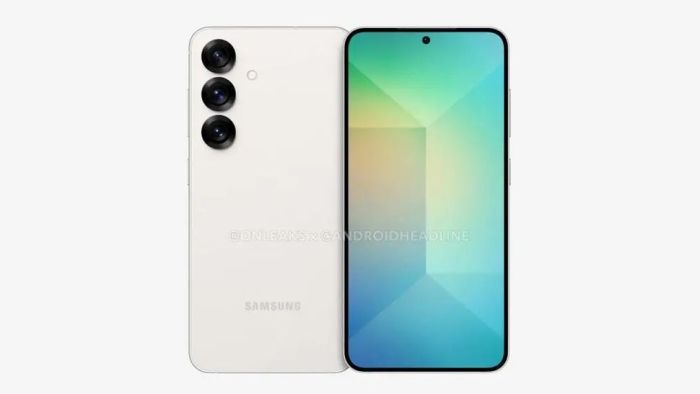
Samsung’s decision to ramp up Galaxy S25 production presents a complex interplay of financial factors, particularly with potential tariff hikes looming. Understanding the intricate relationship between production, tariffs, and global trade is crucial for assessing the potential financial impact on the company and its investors. This section delves into the potential financial ramifications, examining the anticipated effects on revenue, profit margins, and investor sentiment.The production ramp-up, while promising increased revenue potential, also carries the risk of escalating costs if tariffs are imposed.
This analysis will dissect the potential financial fallout of these factors, contrasting them with past financial performance to provide a clearer picture of Samsung’s future outlook.
Potential Impact on Revenue and Profit Margins
Samsung’s revenue hinges significantly on the global demand for its products. A substantial increase in production, especially for the high-demand Galaxy S25, can boost sales and revenue. However, the introduction of tariffs could significantly impact pricing strategies and profitability. Higher tariffs can lead to increased import costs, potentially reducing profit margins. This is especially relevant in the global market, where fluctuating tariffs can drastically change the competitive landscape.
A decrease in global demand for electronic devices could also negatively impact the revenue stream.
Impact on Investors and Stock Market Valuations
Investors will closely monitor Samsung’s financial performance and the evolving tariff situation. The potential for increased costs due to tariffs and the associated risk of lower profit margins could negatively impact stock valuations. Conversely, if Samsung effectively manages the cost implications of tariffs, maintains strong demand, and secures favorable trade agreements, stock valuations might rise. Historical examples of companies facing similar challenges, such as fluctuating exchange rates or global trade conflicts, offer valuable insights into how market reactions can vary.
Comparison of Past Financial Performance
Samsung’s financial performance in recent years has demonstrated consistent growth, with notable revenue increases and generally healthy profit margins. However, external factors like currency fluctuations and global economic conditions have also influenced its financial trajectory. Examining past financial reports can provide insights into how Samsung has navigated these challenges. This includes the company’s strategic responses to changing market conditions and its capacity for adaptation.
Potential Alteration of Financial Outlook by Tariff Changes
Tariff changes can significantly alter Samsung’s financial outlook. If tariffs increase, Samsung might need to adjust its pricing strategies, potentially impacting profit margins. This could result in a decrease in the return on investment. Conversely, a decrease in tariffs or favorable trade agreements could improve Samsung’s profitability and positively influence investor confidence. The potential for tariffs to disrupt supply chains and create increased production costs cannot be ignored.
The company’s ability to mitigate these risks will be a crucial factor in determining its financial success.
Supply Chain & Manufacturing
Samsung’s Galaxy S25 production hinges on a complex global supply chain. From raw materials to finished devices, numerous interconnected partners contribute to the final product. Understanding this intricate network is crucial for anticipating potential disruptions and ensuring a smooth launch. The delicate balance between cost-effectiveness and resilience in this chain will play a vital role in the success of the S25’s rollout.
The Role of Supply Chains in Galaxy S25 Production
The Galaxy S25 supply chain encompasses a vast network of suppliers, manufacturers, and logistics providers spread across the globe. This intricate web of interconnected partners ensures the timely procurement of components, the efficient manufacturing process, and the smooth delivery of the final product to consumers. Key components, like advanced display panels, cutting-edge processors, and sophisticated memory chips, are sourced from various regions, emphasizing the international scope of this production process.
Potential Supply Chain Disruptions
Tariffs and geopolitical uncertainties can introduce significant disruptions to the supply chain. For example, if a key supplier faces production issues due to a natural disaster or labor disputes, the ripple effect can impact the entire manufacturing process. Additionally, fluctuations in exchange rates can influence the cost of components, impacting the profitability of the entire project. Geopolitical tensions and trade disputes can also introduce unexpected delays or blockages in the movement of goods across international borders.
Mitigation Strategies for Supply Chain Risks
Diversifying sourcing strategies and establishing contingency plans are crucial mitigation strategies. This involves identifying alternative suppliers and establishing backup logistics channels. Maintaining strong communication channels with suppliers and proactively monitoring market conditions can help in anticipating potential disruptions. Furthermore, building strong relationships with key partners and establishing resilient supply chain models are essential in maintaining consistent product quality and meeting production goals.
Samsung’s ramping up Galaxy S25 production, a smart move considering potential tariff hikes. While the tech world buzzes about this, it’s worth remembering that awesome gaming moments like those found in Fortnite’s epic murder moments cinematics ( fornite epic games murder moments cinematics ) still captivate audiences. Ultimately, Samsung’s production push likely hinges on anticipating and mitigating any trade friction, ensuring smooth delivery of the next-gen phone.
Manufacturing Processes for the Galaxy S25
The Galaxy S25’s manufacturing process likely involves a combination of automated and manual procedures. Sophisticated robotic arms handle tasks such as assembly and quality control, while skilled workers perform intricate procedures. The use of advanced technologies, such as 3D printing for certain components, could also play a significant role. These advancements contribute to increased efficiency, precision, and overall quality control in the production line.
Moreover, cutting-edge techniques in materials science and engineering are likely employed to create lighter, more durable, and aesthetically pleasing devices.
Technological Advancements in Galaxy S25 Manufacturing
The manufacturing process of the Galaxy S25 may incorporate innovative technologies, such as AI-powered quality control systems and predictive maintenance models for machinery. These advancements enhance the accuracy of inspections, reduce production downtime, and improve overall efficiency. Moreover, optimized logistics and real-time tracking systems can enhance the responsiveness and agility of the supply chain. Advanced materials science is also crucial to improve the device’s overall performance and reduce production costs.
Breakdown of Components and Their Origins
| Component | Origin |
|---|---|
| Processor | Taiwan, South Korea |
| Display Panel | South Korea, China |
| Memory Chips | South Korea, Taiwan |
| Cameras | South Korea, Japan |
| Battery | China, Japan |
| Housing Materials | China, South Korea, USA |
Technological Advancements & Innovation
Samsung’s Galaxy S25 is poised to redefine the smartphone experience, building on the success of previous iterations. The anticipated technological leaps in the S25 series will likely drive significant consumer interest, particularly as the competition continues to push boundaries in features and performance. This focus on innovation is critical in maintaining Samsung’s market leadership.The upcoming Galaxy S25 is expected to feature a suite of groundbreaking technologies, impacting not only the smartphone market but also related industries.
These advancements will likely encompass areas like enhanced processing power, improved camera capabilities, and innovative display technology. The resulting features will directly influence the overall demand for the device, particularly in the premium segment of the smartphone market.
Expected Technological Innovations
Samsung’s commitment to pushing technological boundaries is evident in its investment in research and development. This investment, coupled with the ever-evolving needs of consumers, will likely lead to a variety of innovative features in the Galaxy S25. These innovations aim to enhance the user experience, making the device stand out from competitors.
Impact on Overall Demand
The anticipated innovations in the Galaxy S25, such as advanced camera systems and superior processing speeds, will likely drive demand. Consumer interest in high-end features, like the advanced camera features, often translates into a higher willingness to pay a premium price. The enhanced user experience, in turn, can lead to greater customer satisfaction and loyalty, which are key factors in maintaining a strong market position.
Similar trends have been observed in other technological advancements, where innovation in areas like battery life, display technology, and processor speed have directly influenced purchase decisions.
Differentiating Features of the Galaxy S25
The Galaxy S25 is expected to showcase several key features that set it apart from competing devices. These unique selling propositions (USPs) often center around the combination of technological advancements and user-friendly design.
- Enhanced Display Technology: The Galaxy S25 is anticipated to feature a more advanced display, possibly with improved resolution, refresh rate, and color accuracy. Such improvements could offer a more immersive viewing experience, impacting user engagement and potentially driving demand. This is in line with the growing consumer preference for high-quality displays in smartphones.
- Advanced Camera System: An upgraded camera system, including innovative image processing algorithms, is expected. Features like enhanced low-light performance and improved zoom capabilities are likely to be key differentiators. The increased emphasis on high-quality camera technology aligns with the increasing importance of mobile photography for consumers.
- Superior Processing Power: The Galaxy S25 is expected to incorporate the latest processor technology, leading to faster performance and improved multitasking capabilities. This improvement in processing speed and efficiency is likely to be highly sought after by users who demand quick response times and seamless performance in their smartphones.
R&D Investment Strategies
Samsung’s anticipated R&D investment strategies for the Galaxy S25 will likely focus on several key areas, aiming to achieve significant breakthroughs in different technological sectors.
- Investment in Material Science: Samsung’s investment in new materials for components, such as displays and batteries, will likely contribute to advancements in performance and efficiency. This investment in innovative materials is a common strategy for companies looking to differentiate their products.
- Focus on AI Integration: Samsung’s strategic investment in AI-powered features, including enhanced image recognition and personalized recommendations, will further improve user experience. The growing trend of AI integration in consumer electronics shows the importance of incorporating intelligent features.
- Collaboration with External Partners: Collaborations with research institutions and external technology partners will accelerate the development process, allowing for the rapid integration of cutting-edge technologies. This collaborative approach is a common strategy for technological innovation, fostering knowledge exchange and accelerating development cycles.
Detailed Technological Features of the Galaxy S25
| Feature | Description | Technical Specifications (Estimated) |
|---|---|---|
| Display | Dynamic AMOLED 2X, improved color accuracy, higher refresh rate | 120Hz refresh rate, QHD+ resolution, HDR10+ |
| Processor | Next-generation mobile processor, enhanced performance and efficiency | Octa-core processor, 5nm fabrication process |
| Camera | Triple-lens camera system, improved low-light photography, advanced image processing algorithms | 50MP main sensor, 12MP ultrawide sensor, 10x optical zoom |
| Battery | High-capacity battery with faster charging capabilities | 6000mAh battery, 100W fast charging |
Last Recap
Samsung’s decision to ramp up Galaxy S25 production amidst potential tariff uncertainties underscores the intricate dance between market anticipation and global trade realities. The company’s strategic response to these challenges will be critical in determining the success of the S25 launch and its long-term impact on the smartphone market. Ultimately, the Galaxy S25’s performance will depend on Samsung’s ability to navigate the complex interplay of production, pricing, and global trade dynamics.