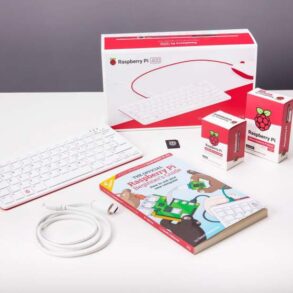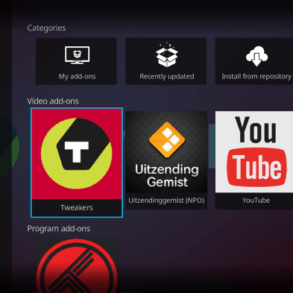


Kicking off with Raspberry Pi 3 or Pi Zero which should you get your Kodi box, this guide dives into the crucial decisions for building your home media center. Choosing the right Pi model for Kodi depends heavily on your budget, desired performance, and intended use case. We’ll explore the key differences in processing power, RAM, and storage between the Pi 3 and the Pi Zero, giving you a clear picture of which model best fits your needs.
From installation to performance, this in-depth look at Kodi on Raspberry Pi will help you choose the perfect setup for your entertainment needs. We’ll cover everything from setup and software requirements to power consumption, and ultimately, provide recommendations for each model based on various use cases.
Introduction to Raspberry Pi for Kodi
The Raspberry Pi, a small and affordable computer, has become a popular choice for building media centers. Its compact size and low power consumption make it ideal for various projects, including setting up a home theater system. This makes it an excellent platform to run Kodi, a powerful and versatile open-source media player.Kodi, formerly known as XBMC, provides a robust interface for organizing and playing various media files, including movies, TV shows, music, and more.
It supports a wide range of formats, allowing users to enjoy their content in various ways. This versatility, coupled with the Raspberry Pi’s affordability and ease of use, has driven its adoption in home entertainment setups.
Raspberry Pi Models for Kodi
Raspberry Pi devices come in various models, each with varying specifications. Understanding these differences is crucial in choosing the right model for your Kodi needs. Different models cater to different needs and budgets, influencing the overall performance and features.
Key Differences Between Pi 3 and Pi Zero
The Raspberry Pi 3 and Pi Zero are two popular models, but they differ significantly in their capabilities. These differences impact the overall performance of Kodi, especially when handling high-resolution videos or numerous concurrent streams.
| Specification | Raspberry Pi 3 | Raspberry Pi Zero |
|---|---|---|
| Processor | 1.2 GHz quad-core ARM Cortex-A7 | 1 GHz single-core ARM Cortex-A8 |
| RAM | 1 GB | 512 MB |
| Storage | MicroSD card (up to 32GB) | MicroSD card (up to 32GB) |
| Operating System Compatibility | Supports various operating systems, including Raspbian OS, which is commonly used with Kodi. | Supports various operating systems, including Raspbian OS, which is commonly used with Kodi. |
The Raspberry Pi 3 offers a noticeably better processing power and RAM capacity than the Pi Zero. This results in smoother playback and handling of more complex media files. The Pi Zero, on the other hand, is more economical and is suitable for simpler setups where performance isn’t a primary concern. The Pi Zero’s single-core processor, while less powerful, can still run Kodi, but it may struggle with demanding tasks like 4K video playback or multiple streams.
Choosing the right model hinges on the expected workload.
Kodi Setup and Requirements
Getting Kodi running on your Raspberry Pi is a rewarding experience. This section delves into the crucial setup steps and essential software prerequisites for a smooth and enjoyable Kodi experience. From choosing the right operating system to installing the necessary components, we’ll guide you through the process.Setting up Kodi on a Raspberry Pi requires careful consideration of operating system compatibility and software dependencies.
A well-configured system ensures a stable and efficient Kodi environment, free from performance bottlenecks or unexpected errors.
Operating System Compatibility
The Raspberry Pi 3 and Pi Zero both support several operating systems that can host Kodi. Choosing the right one is crucial for optimal performance.
- Raspberry Pi OS (formerly Raspbian): This is a popular choice for its ease of use and wide community support. It’s a lightweight operating system designed specifically for the Raspberry Pi, ensuring good performance with Kodi. It’s highly recommended for both Pi 3 and Pi Zero.
- Other Linux Distributions: While Raspberry Pi OS is the standard, other Linux distributions like Ubuntu or Debian can be installed, though specific package management and configuration might be required to ensure compatibility with Kodi and other software.
Software Requirements
For a seamless Kodi experience, certain software is essential.
- Kodi itself: The core component, Kodi, needs to be installed on the chosen operating system. This is usually available through the operating system’s package manager.
- Media Players: Kodi relies on media players to handle different file formats. These players are often integrated into Kodi itself but ensure compatibility with your desired media content.
- Networking Tools: To access online content, ensure that the Raspberry Pi has appropriate networking tools and that the network connection is stable. Wi-Fi or Ethernet connections are both suitable.
Step-by-Step Installation Guide
This guide provides a structured approach to installing Kodi on your Raspberry Pi.
- Prepare your Raspberry Pi: Ensure the Raspberry Pi is powered and connected to your network. This might involve configuring the network settings within the operating system if necessary.
- Choose your Operating System: Select a compatible operating system (like Raspberry Pi OS) and install it on your Raspberry Pi using the appropriate SD card image.
- Install Kodi: Open a terminal and use the package manager to install Kodi. This will vary slightly depending on the specific distribution, but instructions are typically readily available.
- Configure Kodi: Configure Kodi’s settings, such as the preferred media server, network connections, and other preferences.
- Test and Verify: Add media content and verify that Kodi can play it smoothly.
Software Dependencies Table
This table summarizes the software dependencies for Kodi on each Raspberry Pi model.
| Raspberry Pi Model | Operating System | Kodi Version | Other Dependencies |
|---|---|---|---|
| Raspberry Pi 3 | Raspberry Pi OS | Latest Stable Release | Network libraries, media players (e.g., mpv) |
| Raspberry Pi Zero | Raspberry Pi OS | Latest Stable Release | Network libraries, media players (e.g., mpv)
|
Performance Considerations
Choosing between the Raspberry Pi 3 and Pi Zero for your Kodi box hinges on your specific needs and expectations. While both are capable of running Kodi, their underlying hardware limitations dictate performance differences. This section delves into the performance characteristics of each model, considering factors like video resolution, file size, network speed, and ultimately, the quality of your Kodi experience.The Raspberry Pi 3, with its more powerful processor, generally offers a smoother and more responsive Kodi experience compared to the Pi Zero.
However, the Pi Zero, while less powerful, can still be a viable option for users with specific needs or constraints.
Performance Comparison: Pi 3 vs. Pi Zero
The Raspberry Pi 3 boasts a significantly more capable processor and memory compared to the Pi Zero. This translates to faster loading times, smoother transitions between menus and playback, and overall quicker response to user input. The Pi Zero, on the other hand, is more resource-constrained. This means that more demanding tasks, like playing high-resolution video or handling large files, can lead to noticeable performance lags.
Factors Affecting Performance, Raspberry pi 3 or pi zero which should you get your kodi box
Several factors influence the performance of Kodi on both models. Video resolution, file size, and network speed are critical considerations. Higher resolutions demand more processing power. Larger file sizes require longer loading times. Similarly, slower network connections can result in buffering issues and interruptions during playback.
Video Resolution and File Size Impact
High-definition video playback is where the performance differences become most apparent. The Pi 3 can handle 1080p video playback relatively smoothly, while the Pi Zero might struggle with this resolution. The Pi Zero may perform adequately with lower resolutions like 720p. Larger file sizes, like 4K video files, would overwhelm the Pi Zero’s processing capabilities, causing significant playback issues or outright failure to load.
Network Speed and Streaming Performance
Network speed directly impacts the streaming experience. Slow internet connections, common with some Wi-Fi or older Ethernet setups, will cause buffering and delays, affecting the viewing quality. The Pi 3’s ability to handle a higher throughput allows for more stable playback with faster connections. The Pi Zero, due to its limitations, might experience more frequent buffering issues or even complete playback failure with high-bandwidth streaming content.
Performance Benchmarks
The following table illustrates the potential performance differences between the Pi 3 and Pi Zero under varying video resolutions. These are estimations and real-world results may vary.
Choosing between a Raspberry Pi 3 or Pi Zero for your Kodi box depends a lot on your needs. The Pi 3 offers better processing power, making it a solid choice for smoother streaming. However, if you’re on a tight budget or need something more compact, the Pi Zero might be the better option. Interestingly, considering how sensitive security protocols can be, especially for those like the secret service members maybe don’t set your Strava to public, it’s important to choose a device that prioritizes security, regardless of your streaming needs.
Ultimately, the best choice for your Kodi box hinges on balancing performance, cost, and security. secret service members maybe dont set your strava to public is a fascinating reminder of the importance of privacy in today’s digital age. Think about what you’ll be using your box for when making your decision.
| Model | Video Resolution | Estimated Performance |
|---|---|---|
| Raspberry Pi 3 | 720p | Excellent |
| Raspberry Pi 3 | 1080p | Good |
| Raspberry Pi 3 | 4K | Moderate |
| Raspberry Pi Zero | 720p | Good |
| Raspberry Pi Zero | 1080p | Fair |
| Raspberry Pi Zero | 4K | Poor |
Connectivity and Streaming: Raspberry Pi 3 Or Pi Zero Which Should You Get Your Kodi Box
Choosing the right connectivity for your Raspberry Pi Kodi box is crucial for smooth streaming. The performance of your Wi-Fi connection directly impacts the quality of your media playback. Understanding the differences between the Pi 3 and Pi Zero, and the implications of network speed, will help you optimize your streaming experience.The Pi 3 and Zero offer different connectivity options that influence their streaming capabilities.
A strong and stable connection is paramount for a seamless Kodi experience. This section dives into the details of each model’s connectivity, highlighting the best practices for smooth streaming.
Connectivity Options
The Raspberry Pi 3 and Pi Zero offer different connectivity options, impacting their streaming capabilities. The Pi 3 typically includes more robust networking features, which translates into better performance for streaming. The Pi Zero, being a more compact and cost-effective option, might require more careful configuration for optimal streaming.
Wi-Fi Capabilities and Limitations
The Wi-Fi capabilities vary significantly between the Pi 3 and Pi Zero. The Pi 3 often boasts better Wi-Fi performance, with faster speeds and more reliable connections. The Pi Zero, however, might experience slower speeds and occasional connection drops, especially in environments with many wireless devices or weak signals.
Network Speed Implications
Network speed directly impacts streaming quality. A slow network connection results in buffering, lagging, and poor video quality. Conversely, a fast, stable connection ensures smooth, uninterrupted playback. Consider the network speed available in your home environment when selecting the Raspberry Pi model. A Gigabit Ethernet connection, if available, is highly recommended for optimal performance.
Best Practices for Streaming Media with Kodi on Raspberry Pi
For optimal streaming, ensure your Raspberry Pi has a stable and reliable internet connection. Use a wired Ethernet connection if possible, as this provides the most consistent and fastest streaming experience. If using Wi-Fi, position your Raspberry Pi as close as possible to your router to minimize signal interference. Employing a strong Wi-Fi signal is critical for preventing connection drops and maintaining smooth playback.
Optimal Network Configurations
For both models, a stable and strong Wi-Fi signal is essential. Using a wired Ethernet connection is recommended for the Pi 3 and the Pi Zero, whenever possible, for consistent and high-quality streaming. If using Wi-Fi, consider a channel with minimal interference.
Choosing between a Raspberry Pi 3 and a Pi Zero for your Kodi box depends heavily on your needs. While the Pi 3 offers more processing power, the Pi Zero might be a better fit if you’re on a budget. Thinking about the cognitive load of language learning, and how Duolingo language learning anxiety can sometimes be a significant hurdle, it’s worth considering the performance trade-offs for a more enjoyable experience.
Ultimately, the Pi 3 generally provides a smoother Kodi experience, but the Pi Zero is surprisingly capable, particularly for simple tasks. Duolingo language learning anxiety shouldn’t stop you from pursuing a more immersive and entertaining Kodi setup. So, weigh your needs and budget to make the best decision for your Kodi box.
Example Scenarios
Imagine a user with a Pi 3 in a home with a strong Wi-Fi signal and a stable 100 Mbps connection. This user would likely experience smooth streaming of high-definition content with minimal buffering. Contrast this with a user using a Pi Zero in a crowded Wi-Fi environment with frequent interference. This user might experience buffering and lower video quality due to the network limitations of the Pi Zero.
This highlights the importance of considering the network environment when choosing a Raspberry Pi model.
Cost and Value Proposition
Choosing the right Raspberry Pi for your Kodi box hinges on balancing cost with performance. The Pi 3 and Pi Zero offer contrasting capabilities, affecting both the initial investment and the long-term value. Understanding these differences is crucial for making an informed decision.The primary consideration is the trade-off between affordability and processing power. The Pi Zero, being significantly cheaper, sacrifices some performance for cost savings, while the Pi 3 provides a more robust experience.
This difference in processing power directly impacts the Kodi experience, influencing features like playback quality and the number of simultaneously active streams.
Cost Differences Between Pi 3 and Pi Zero
The Pi 3 and Pi Zero models differ significantly in price. The Pi 3 typically costs more than the Pi Zero, reflecting its enhanced processing capabilities. This difference in price often translates to the need for additional hardware, like faster storage or more advanced network adapters. The Pi Zero, being more budget-friendly, is an attractive option for users on a tight budget.
Value Proposition for Kodi Use
The value proposition for each model revolves around its strengths for Kodi use. The Pi 3’s superior processing power makes it ideal for handling more complex Kodi configurations, including multiple simultaneous streams and higher-resolution playback. The Pi Zero, despite its limitations, remains a viable option for basic Kodi installations, especially for users with modest media libraries and simpler streaming needs.
Cost-Effectiveness for Kodi
Cost-effectiveness depends on the specific needs of the Kodi user. A user who prioritizes seamless streaming of high-resolution content and multiple simultaneous streams would likely find the Pi 3 more cost-effective, even with the higher initial cost. For users primarily focused on a basic Kodi installation with a smaller media library and lower-resolution streaming, the Pi Zero is a potentially more cost-effective choice.
Potential Upgrades and Additional Hardware
For both models, additional hardware might be necessary for optimal Kodi performance. Faster storage solutions, like microSD cards with higher capacities and faster read/write speeds, can dramatically improve loading times. A more robust network adapter can also enhance streaming performance.
Estimated Costs
| Component | Pi 3 | Pi Zero |
|---|---|---|
| Raspberry Pi | $35 – $45 | $10 – $15 |
| 64GB microSD Card (Class 10 or higher) | $20 – $30 | $10 – $20 |
| Power Supply | $5 – $10 | $5 – $10 |
| Ethernet Cable (if needed) | $5 – $10 | $5 – $10 |
| Total Estimated Cost | $70 – $100 | $40 – $60 |
Note: Prices are approximate and may vary depending on the retailer and specific components.
Choosing between a Raspberry Pi 3 or Pi Zero for your Kodi box depends heavily on your needs and budget. While the Pi Zero is incredibly affordable, its processing power might be a bottleneck for complex Kodi setups. The Pi 3, on the other hand, offers more robust performance. This is especially important when considering the intense competition in the streaming market, like the struggles faced by Quibi, which received $2 billion in funding but couldn’t compete with the established giants like Netflix and Disney.
quibi funding 2 billion netflix disney cost of competition Ultimately, the Pi 3 likely provides a more enjoyable Kodi experience, but the Pi Zero is a great option for a basic setup on a tight budget.
Power Consumption and Cooling
Choosing the right Raspberry Pi for your Kodi box involves more than just processing power. Power consumption and potential overheating are crucial considerations, especially for long-term use. Ignoring these factors can lead to shorter lifespan for the device and a less enjoyable viewing experience. Proper cooling and a suitable power supply are essential for reliable performance.Careful consideration of power consumption and cooling solutions is vital to ensure the longevity and stability of your Kodi box.
Overheating can significantly reduce the lifespan of the Raspberry Pi and impact the performance of Kodi.
Power Consumption Details
The Raspberry Pi 3 and Pi Zero differ substantially in their power needs. The Pi 3, with its more robust processing capabilities, consumes more power than the Pi Zero. Precise power consumption figures vary depending on the specific tasks being performed, but the Pi 3 generally requires a higher current draw. The Pi Zero, being more power-efficient, is ideal for applications with lower processing demands.
The power draw of both models also depends on the peripherals connected, such as hard drives or external displays.
Potential Overheating Issues
Both models, while generally low-power, are susceptible to overheating if not properly cooled. This is particularly true when running resource-intensive applications like Kodi, especially with high-resolution video playback. The Pi 3, with its higher processing capabilities, has a greater potential for overheating compared to the Pi Zero.
Cooling Solutions
Appropriate cooling is essential for preventing overheating and extending the lifespan of your Raspberry Pi. The choice of cooling solution depends on the model and your budget.
Pi 3 Cooling Recommendations
- Passive Cooling: A simple heatsink, coupled with a well-ventilated enclosure, can often suffice for the Pi 3, especially in environments with good airflow. However, the more demanding tasks may still lead to noticeable temperature rises.
- Active Cooling: For more intensive use, a small, quiet fan directed at the Pi 3 can significantly improve its operating temperature and prevent overheating. A small, 20mm fan placed near the board, but not directly on the CPU, can effectively circulate air around the components.
Pi Zero Cooling Recommendations
- Passive Cooling: The Pi Zero’s smaller size and lower power consumption make passive cooling a more likely solution. A heatsink is often unnecessary, and simply placing the Pi Zero in a well-ventilated enclosure is usually sufficient. Maintaining good airflow around the board is key to preventing any temperature buildup.
Importance of Power Supply
A high-quality power supply is crucial for stable and long-term operation. Using a power supply that cannot deliver the necessary current can cause instability and damage to the device. Insufficient power supply will not only cause performance issues but can also lead to unexpected shutdowns and potentially damage the device’s internal components. Always use a power supply rated for the specific Raspberry Pi model and its operating conditions.
Factors Influencing Power Consumption with Kodi
The power consumption of your Raspberry Pi running Kodi depends on several factors.
- Video Resolution and Bitrate: Higher resolutions and bitrates demand more processing power and therefore consume more power.
- Number of Streaming Channels: Simultaneously streaming multiple channels will increase the total load on the processor, thus increasing the power consumption.
- Hardware Acceleration: If Kodi is using hardware acceleration for video decoding, it might use more power but provide smoother playback.
- Background Tasks: Any other applications or background processes running on the Raspberry Pi will contribute to the overall power consumption.
Use Cases and Recommendations
Choosing between the Raspberry Pi 3 and Pi Zero for a Kodi box depends heavily on your specific needs and budget. The Pi 3 offers significantly more processing power and RAM, making it suitable for more demanding tasks. However, the Pi Zero, despite its lower capabilities, provides a cost-effective solution for simpler setups. This section details the various use cases for each model, helping you make the optimal choice.
Performance Considerations for Kodi Box Selection
The Pi 3’s enhanced processing power translates to smoother playback, faster loading times, and better handling of complex media files, making it ideal for users with large libraries or those streaming high-definition content. Conversely, the Pi Zero is best suited for users with smaller media libraries, less demanding content, and lower streaming resolutions.
Use Cases for the Raspberry Pi 3
The Pi 3’s robust performance makes it a strong contender for several use cases. It’s well-suited for homes with extensive movie collections, those who frequently stream high-definition content, or users who want to run Kodi with add-ons requiring significant processing power. Furthermore, the Pi 3’s capabilities make it suitable for users who want to use Kodi as a central hub for various media sources, such as local network storage or cloud services.
Use Cases for the Raspberry Pi Zero
The Pi Zero, despite its limited resources, finds its niche in specific use cases. Its low power consumption and small form factor make it suitable for users who want a compact, energy-efficient Kodi box. This is particularly useful for situations where space is at a premium or where power conservation is a priority. For example, a Pi Zero might be perfect for a small media center in a dorm room or a guest house.
Best Use Case for Each Model
The Pi 3 excels in scenarios demanding robust performance, while the Pi Zero shines in resource-constrained environments. This difference hinges on the balance between cost and functionality.
Recommendations for Choosing Between the Pi 3 and Pi Zero
Several factors influence the optimal choice between the two models. For users seeking the best possible Kodi experience, the Pi 3 is the clear choice. However, if cost is a primary concern and the requirements are less demanding, the Pi Zero might be a more suitable option. Consider your budget, the size of your media library, and the resolution of the content you plan to stream when making your decision.
Scenarios Where Pi Zero is a Better Choice
The Pi Zero emerges as a better option in specific scenarios where its lower power consumption and smaller size are advantageous. These include:
- Compact setups: A Pi Zero is perfect for small or limited-space installations, where its compact form factor is a significant advantage.
- Energy efficiency: For applications where power consumption is a major concern, the Pi Zero’s low power draw makes it a compelling choice.
- Budget-conscious users: The Pi Zero’s lower cost makes it an attractive option for those seeking a cost-effective Kodi solution.
- Testing and prototyping: The lower cost and accessibility of the Pi Zero makes it an excellent choice for testing and prototyping new Kodi setups.
Comparative Table of Use Cases and Recommended Pi Model
| Use Case | Recommended Raspberry Pi Model | Justification |
|---|---|---|
| Extensive media library, high-definition streaming | Raspberry Pi 3 | Superior processing power handles large files and high-resolution content smoothly. |
| Small media library, lower resolution streaming, compact setup | Raspberry Pi Zero | Lower cost and power consumption are ideal for budget-conscious or space-constrained users. |
| Testing and prototyping new Kodi setups | Raspberry Pi Zero | Lower cost and accessibility for experimentation and learning. |
| Media center in a dorm room or guest house | Raspberry Pi Zero | Compact form factor and low power consumption are well-suited for these environments. |
Final Review
In conclusion, your choice between the Raspberry Pi 3 and Pi Zero for your Kodi box comes down to a careful balancing act between cost, performance, and intended use. The Pi 3 offers a more robust experience for demanding media playback, while the Pi Zero is a great budget-friendly option for simpler setups. We hope this guide has provided a comprehensive overview to help you decide which Raspberry Pi model is the ideal fit for your Kodi entertainment dreams.