
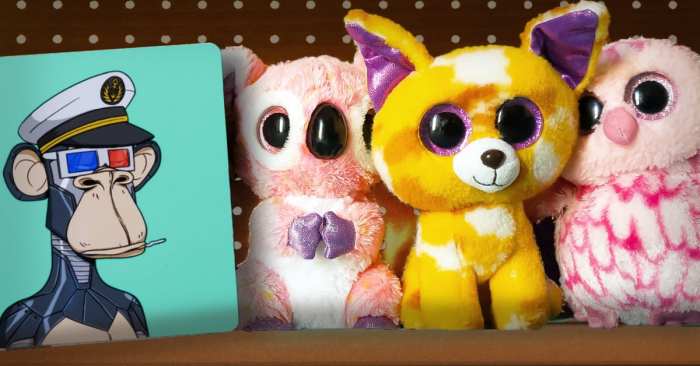
Random Beeple NFT generating website, a platform designed to create unique digital collectibles inspired by Beeple’s style, promises a fresh approach to NFT generation. This website explores the process behind creating these digital artworks, from the initial concept to the final product. We’ll dive deep into the technical aspects, examining the algorithms, user interface, and the integration with NFT marketplaces.
The platform leverages various techniques for generating random elements, ensuring a high degree of uniqueness in each generated NFT. This approach allows users to explore creative possibilities and potentially discover new forms of digital expression. The website also offers a user-friendly interface, enabling both novice and experienced users to easily create and manage their NFTs.
Defining the Platform
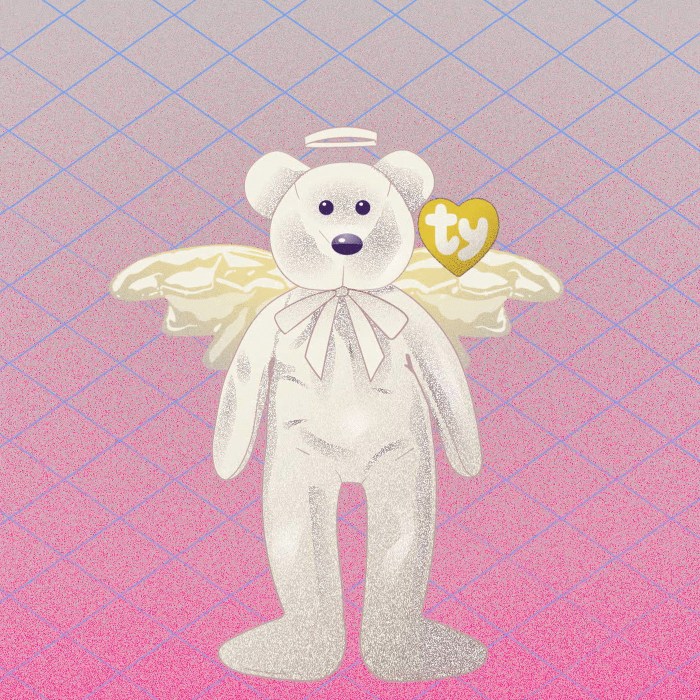
This platform is a website designed to generate unique Beeple-style NFTs. Users can select from a variety of customizable elements, and the platform will automatically combine them into a visually distinct NFT. The goal is to provide a user-friendly interface for creating one-of-a-kind digital art without the need for complex artistic skills.The platform’s core functionality revolves around random generation, allowing users to explore a vast array of potential artistic expressions.
The randomness is carefully controlled to produce aesthetically pleasing results while maintaining the unique character of each NFT.
Technical Aspects of the Platform
The platform’s codebase is primarily built using JavaScript and employs a robust back-end framework for managing user accounts, transactions, and NFT metadata. This ensures scalability and security, crucial for a platform handling potentially high volumes of transactions and user interaction. Specific libraries for image manipulation and data handling are also integrated. The platform leverages a cloud-based infrastructure for storage and processing.
Random Number Generation Algorithms
The platform employs various algorithms for generating random elements within the NFTs. These algorithms are crucial for producing unpredictable and unique outputs. A primary method involves using a cryptographically secure pseudo-random number generator (CSPRNG). This type of generator produces sequences of numbers that appear random but are deterministically generated from a seed value. The seed itself is often derived from a hash of the current timestamp and other factors to guarantee true randomness.
Procedural Generation of NFT Attributes
The platform also incorporates procedural generation techniques for certain aspects of the NFT. This means defining rules and parameters that generate the NFT’s attributes (e.g., colors, shapes, textures) based on mathematical formulas. For instance, a formula might define the color palette for a given NFT based on a random selection of hues and their relative saturations. This approach helps in generating diverse NFT styles while maintaining a certain degree of consistency and control over the final product.
Comparison of Random NFT Generation Approaches
| Approach | Description | Advantages | Disadvantages |
|---|---|---|---|
| Random Number Generator (RNG) | Uses a random number generator to determine the values of various NFT attributes. | Easy to implement, relatively simple. | May produce less aesthetically pleasing results or repetitive designs depending on the range of possibilities. |
| Procedural Generation | Uses algorithms and formulas to define the rules for creating the NFT’s attributes. | Produces more consistent and potentially more visually appealing results. Can be more predictable based on the algorithm used. | Can be complex to implement, potentially limiting the diversity of outputs. May be harder to control the aesthetics of the output compared to a pure RNG approach. |
The table above highlights the key differences between using RNGs and procedural generation for NFT creation. Each approach has its own strengths and weaknesses, and the optimal choice depends on the desired level of variability and aesthetic control over the generated NFTs.
Generating a Unique Beeple NFT
The process of generating a unique Beeple NFT involves several steps. First, the user selects various parameters and attributes, such as colors, shapes, and textures. These choices are then fed into the platform’s algorithms. Next, the platform utilizes random number generation and procedural generation to create the specific combination of elements. Finally, the resulting image is assembled and saved as an NFT.
The uniqueness of each NFT lies in the combination of these randomly selected and procedurally generated attributes. This process is automated, ensuring that each NFT is created efficiently and without human intervention beyond parameter selection.
Features and Functionality
This section delves into the core features of the platform, focusing on the user interface, customization options, and the integration of various assets in the NFT generation process. A clear understanding of these aspects is crucial for users to effectively navigate and utilize the platform’s capabilities. The platform aims to provide a user-friendly experience while maximizing the creative control available to users.
User Interface and User Experience
The website’s UI is designed with a clean and intuitive layout. Navigation is straightforward, with clear calls to action guiding users through the process of creating and customizing their NFTs. A dedicated help section provides comprehensive tutorials and FAQs, minimizing user confusion and maximizing user satisfaction. The platform emphasizes a seamless user experience, making the process of generating NFTs accessible to users with varying levels of technical expertise.
Customization Options
Users have a significant degree of control over the generated NFTs. A variety of customization options are available, ranging from color palettes and font styles to unique image and text overlays. Users can choose from pre-designed templates or build their own custom designs from scratch. This allows users to create NFTs that reflect their individual artistic visions and preferences.
Asset Integration
The platform supports the integration of diverse assets into the NFT generation process. Users can upload their own images, text, and audio files, allowing for highly personalized and unique NFTs. These assets can be combined and manipulated to create a wide array of NFT variations. Integration with external image libraries and text generators is also anticipated to further enhance the customization options.
NFT Types and Attributes
The platform allows for the creation of diverse NFT types, each with a unique set of attributes. This table illustrates the range of possibilities:
| NFT Type | Attributes |
|---|---|
| Abstract Art | Color palette, shape, size, texture |
| Character Portraits | Facial features, clothing styles, expressions |
| Digital Collages | Image combinations, layering effects, text overlays |
| Music NFTs | Audio file, length, genre, tempo |
The table above demonstrates the broad spectrum of NFT types and attributes. Each NFT type allows for a significant degree of customization, reflecting the platform’s versatility. Users can leverage these options to create a diverse collection of NFTs that capture a wide range of artistic styles and interests.
Generating Random Elements
The heart of any random art generator lies in its ability to produce unpredictable and diverse results. This process is crucial for creating unique NFTs, and in our platform, it’s meticulously designed to foster a dynamic and unpredictable aesthetic. We employ various methods to generate the random elements within each NFT, leading to an array of possibilities.The variety of random elements incorporated into the NFT generation process significantly influences the final product.
From subtle details to striking features, these random variables contribute to the uniqueness and aesthetic appeal of each piece. The interplay of these random elements generates a spectrum of possibilities, ensuring no two NFTs are exactly alike.
Methods for Generating Random Elements
Generating random elements involves leveraging algorithms and functions that produce unpredictable outcomes. We utilize pseudo-random number generators (PRNGs) to create sequences of seemingly random numbers. These PRNGs, seeded with unique values, provide the basis for the diverse characteristics of each NFT. This approach ensures reproducibility, enabling users to appreciate the same underlying randomness, while also allowing for a high degree of variation in the generated outputs.
Variety of Random Elements
A multitude of elements are incorporated into the generation process. These elements encompass various aspects of the NFT, contributing to its unique characteristics. This includes color palettes, shape variations, texture patterns, and even the overall composition. The interplay of these elements produces a wide range of artistic styles, making each NFT a distinct piece of digital art.
Examples of Combining Random Elements
To illustrate how random elements combine, consider a scenario where color palettes, shape variations, and texture patterns are randomly chosen. For example, a randomly selected color palette might include vibrant blues and greens, while the shape variations could include abstract forms and geometric shapes. The texture patterns could introduce a mottled or striped effect. The combination of these elements creates a unique NFT with a visually captivating aesthetic, distinct from any other generated NFT.
Impact on NFT Aesthetics
The randomness significantly affects the overall aesthetic of the NFT. By introducing variability at various levels, the platform generates NFTs that are not only unique but also visually engaging. The unpredictable nature of the elements contributes to the artistic expression, leading to a diverse and exciting collection of digital artworks.
Technical Aspects of the Generation
This section delves into the technical underpinnings of the NFT generation process. From the structure of the data used to represent the generated NFTs to the platform’s scalability, these details ensure a robust and efficient system for creating and managing these unique digital assets. Understanding these aspects is crucial for ensuring the platform’s reliability and performance, particularly as the number of generated NFTs increases.
Data Structure for Generated NFTs
The data structure for each generated NFT is meticulously designed for efficient storage and retrieval. Each NFT is represented as a JSON object. This object contains attributes such as the unique identifier, the generated image data (potentially as a base64 encoded string), metadata describing the specific traits (e.g., color, style, accessories), and the associated blockchain transaction information. This structured format allows for easy parsing and manipulation of the NFT data, making it accessible for various applications and interactions.
An example of a simplified JSON structure is:“`json “tokenId”: “0x1234567890abcdef”, “image”: “data:image/png;base64,iVBORw0KGgoAAAANSUhEUgAAAAUAAAAFCAYAAACNbyblAAAAHElEQVQI12P4//8/w38GIAXDIBKE0DHxgljNBAAO9TXL0Y4OHwAAAABJRU5ErkJggg==”, “traits”: “color”: “blue”, “style”: “modern”, “accessories”: [“hat”, “sunglasses”] , “blockchain_tx_hash”: “0xabcdef1234567890″“`
Storage and Retrieval of NFTs
The platform utilizes a distributed database to store and retrieve generated NFTs. This ensures data redundancy and fault tolerance. The database is optimized for fast queries, enabling quick retrieval of specific NFTs based on their unique identifiers or traits. Specialized indexing mechanisms are implemented to accelerate searches, crucial for large-scale operations.
Collision Management
A robust collision detection mechanism is implemented to prevent the generation of identical NFTs. The system generates a set of random values for each trait, and these values are combined to create a unique identifier for the NFT. This approach ensures that the probability of identical NFTs is extremely low. The system also checks for existing NFTs to confirm uniqueness.
Scalability for Large Numbers of Requests
The platform is designed to handle a significant volume of requests for NFT generation. Utilizing a cluster of servers allows for parallel processing of requests. Asynchronous tasks are used to handle each generation process, preventing delays in response time for other requests. Caching mechanisms store frequently accessed data, further optimizing performance. Load balancing ensures that requests are distributed evenly across the available servers.
The architecture allows for horizontal scaling, enabling the platform to accommodate future growth in demand.
NFT Market Integration
Connecting the beeple NFT generation website to established NFT marketplaces is crucial for the platform’s success. This integration allows users to directly mint and sell the generated NFTs, fostering a robust and active community. The process must be seamless and secure to encourage adoption and transaction volume.The integration process will involve API calls to select marketplaces, ensuring compatibility with their standards.
This approach ensures that the generated NFTs can be easily listed and traded on various platforms, broadening the reach and potential audience. This is critical for creating a platform that is not confined to a single market but caters to the wider NFT ecosystem.
Marketplace Selection Criteria, Random beeple nft generating website
The choice of NFT marketplaces to integrate with will depend on several factors. These include the marketplace’s popularity, transaction volume, and user base. The platform should prioritize marketplaces with strong reputations and established security protocols. For example, a marketplace with a large and active community will attract more buyers and increase the potential for sales.
Ever wondered how those random Beeple NFT generating websites work? Well, it’s fascinating to see how the latest tech advancements like the sleek new Red Magic 9 Pro design reveal red magic 9 pro design reveal are pushing the boundaries of creativity and innovation. The underlying algorithms behind these NFT generators are quite impressive, mirroring the complexity of the phone’s design.
These tools are truly blurring the lines between art and technology, just like the latest generation of smartphones.
Minting Process
The minting process will utilize a secure and reliable blockchain-based system. This system will involve a user interface that guides users through the minting process. The platform will also include information on gas fees and transaction times. This information will help users make informed decisions about minting their NFTs. The system should be user-friendly and intuitive, minimizing the steps required for minting.
Selling the Generated NFTs
Once minted, the generated NFTs will be available for sale on the integrated marketplaces. The platform will provide tools for users to set pricing and configure listing details, such as descriptions and metadata. This feature will ensure the generated NFTs are presented in a professional and attractive manner. The system should support various payment methods for transactions, increasing accessibility and convenience.
Transferring Ownership
The platform will support the secure transfer of ownership for the generated NFTs. This process will follow the established standards of the selected marketplaces. The platform will provide clear instructions and procedures to users, including detailed information on fees and transaction times. The system should ensure the integrity of ownership records and minimize the risk of fraud.
Listing Methods
The platform will offer multiple listing methods for the generated NFTs. These will include options for automated listings, where the platform automatically lists the NFT on the selected marketplace at a pre-determined price, as well as manual listing, where the user has full control over the listing details. The platform should also provide an option for users to list their NFTs at auction or through other marketplace-specific mechanisms.
The aim is to provide maximum flexibility and control to users regarding their listing strategy.
| Listing Method | Description |
|---|---|
| Automated Listing | NFT is listed automatically at a pre-determined price. |
| Manual Listing | User controls all listing details (price, description, etc.). |
| Auction Listing | NFT is listed for auction on the marketplace. |
User Experience and Interface
Crafting a seamless user experience is paramount for the success of our platform. Users should be able to intuitively create, manage, and interact with their Beeple NFTs with minimal friction. A well-designed interface will encourage exploration and engagement, fostering a positive user experience.
User Flow Diagram
This diagram Artikels the steps a user takes to create and manage an NFT on the platform. Understanding the user journey from initial creation to subsequent interactions is crucial for optimizing the platform. 
Note: This is a placeholder for a visual representation. The actual diagram will illustrate the steps more comprehensively.
User Roles and Permissions
Clearly defined user roles and corresponding permissions are essential for maintaining platform security and preventing unauthorized access. This table provides a framework for the different roles.
| User Role | Permissions |
|---|---|
| Creator | Create, edit, and manage NFTs; set royalties; list on marketplace; transfer ownership. |
| Viewer | View NFTs; browse marketplace; participate in discussions; purchase NFTs (if authorized). |
| Administrator | All creator permissions; manage user accounts; modify platform settings; monitor marketplace activity; resolve disputes. |
Website Mockup
This mockup showcases the key features of the website’s interface. The layout is designed for easy navigation and intuitive interaction.
Note: This is a placeholder for a visual representation. The actual mockup will include more detailed visuals of the platform’s elements, including buttons, text fields, and interactive components.
- Homepage: The homepage features a carousel of recently generated NFTs, highlighting popular themes and artist profiles. This initial display will draw in new users and spark interest.
- NFT Creation Page: This page allows creators to input parameters, such as color palettes, styles, and other variables, for their NFT. This will streamline the creation process.
- Marketplace: The marketplace section facilitates trading and purchasing of NFTs. A filtering mechanism based on price, type, and other criteria will improve the search experience.
Security Measures
Protecting user accounts and generated NFTs is crucial. Robust security measures will instill confidence in users and ensure the integrity of the platform.
- Secure Authentication: Implementing multi-factor authentication (MFA) adds an extra layer of security to user accounts. This prevents unauthorized access even if passwords are compromised.
- Data Encryption: Encrypting sensitive data, including user accounts and transaction records, is essential to protect against breaches. This should be done in accordance with industry best practices and applicable regulations.
- NFT Ownership Verification: Implementing a secure system for verifying NFT ownership, utilizing blockchain technology and smart contracts, will prevent fraudulent transactions and ensure transparency.
Creative Applications
This platform transcends the typical NFT minting process. It’s not just about creating digital assets; it’s about empowering artists and creators to explore new frontiers in digital expression. The random element introduces an exciting layer of unpredictability, allowing for the emergence of unique and surprising artwork. This inherent randomness can spark creativity in unexpected ways, leading to pieces that would be difficult, if not impossible, to produce through traditional methods.The platform’s potential extends far beyond simply generating images.
It acts as a catalyst for artistic exploration, allowing users to experiment with different styles, themes, and aesthetics without the constraints of pre-conceived notions. This process fosters innovation and encourages a collaborative approach to digital art.
Artistic Expression
The platform’s random generation capabilities offer a fresh perspective on artistic expression. Artists can leverage the unpredictable nature of the algorithm to create pieces that defy pre-determined structures and explore new visual landscapes. It encourages experimentation and the embracing of serendipity in the creative process. The algorithm serves as a co-creator, pushing boundaries and opening doors to unforeseen artistic possibilities.
Generating Unique Digital Artwork
This platform empowers users to generate unique digital artwork by harnessing the power of random data inputs. The unpredictable nature of the algorithm ensures each generated piece is distinct, fostering a vibrant ecosystem of unique digital creations. This randomness eliminates the risk of replicated designs, making every NFT a singular, irreplaceable expression. The process itself becomes a source of inspiration, with each iteration offering fresh perspectives on the relationship between algorithm and artistry.
Personalized NFTs
The platform facilitates the creation of personalized NFTs. Users can input specific parameters, such as colors, shapes, or themes, and the platform will generate a unique NFT tailored to their preferences. This approach allows for the creation of bespoke digital art for individual collectors. Imagine a platform that allows users to create NFTs of their pets, personalized with unique traits generated through random algorithms.
Or, perhaps a platform to create personalized avatars with customizable elements. The potential is limitless.
Potential Impact on the Art World and Creativity
The platform’s influence on the art world could be transformative. By democratizing access to digital art creation, it allows artists of all skill levels to explore their creativity. The inherent randomness of the platform could challenge traditional notions of authorship and originality. This platform can also open up new avenues for collaboration, allowing artists to combine their unique styles and approaches in unexpected ways.
The platform can also foster a new generation of artists who are comfortable with algorithmic creation. The future of art may involve a more collaborative relationship between humans and machines, with algorithms acting as creative partners rather than mere tools. The possibilities are as vast as the imagination itself.
Potential Monetization Strategies: Random Beeple Nft Generating Website
This section explores the diverse avenues for generating revenue from the platform, encompassing various pricing models and subscription options. The platform’s monetization strategy is crucial for long-term sustainability and growth. A robust revenue model ensures the platform can continue to provide a high-quality service and develop innovative features.
Revenue Streams
The platform can generate revenue through several key streams. These streams can be combined to maximize profitability and provide a diversified income source.
- NFT Sales: Direct sales of generated NFTs form a primary revenue source. This is the most straightforward approach and can be highly lucrative, especially with a strong marketing strategy and unique, desirable NFTs.
- Premium Features: Offering premium features, like faster generation times, higher quality NFTs, or exclusive access to certain elements, can incentivize users to subscribe.
- Royalty on Resales: The platform can collect royalties on secondary sales of generated NFTs. This is a passive income stream that continues to generate revenue even after the initial sale.
- Subscription Model: A subscription service can provide recurring revenue. This can include access to a wider range of features, faster generation times, or exclusive elements. The platform can implement different subscription tiers to cater to various user needs and budgets.
Pricing Models for NFTs
Different pricing models can be employed to optimize revenue generation and attract a wider range of users. These models need to be carefully considered to align with the value proposition of the NFTs.
- Fixed Price: NFTs are sold at a predetermined price, allowing for a straightforward sales process. This is suitable for simple NFTs and can be easily understood by users.
- Dynamic Pricing: Prices adjust based on demand or other factors. For example, prices could be tied to the popularity of specific elements within the generation process, providing an incentive to generate unique NFTs. This is more complex but can lead to higher revenue by adjusting to current demand.
- Auctions: NFTs can be auctioned off to the highest bidder. This creates competition and can lead to higher prices, potentially maximizing revenue.
- Tiered Pricing: Different tiers of NFTs are offered at different price points, catering to various budgets. This model provides flexibility for users and can lead to a wider range of NFT sales.
Subscription and Revenue Generation
A well-structured subscription model can be a valuable revenue stream for the platform. The model should clearly define benefits and costs to maximize user engagement.
- Tiered Subscriptions: Offering different tiers with varying benefits and pricing. For instance, a basic tier might provide standard access, while a premium tier unlocks faster generation times or exclusive access to elements.
- Recurring Payments: Subscriptions can be set up for recurring payments, creating a steady stream of income for the platform.
- Additional Features: Premium subscriptions can unlock additional features, like customizability, faster generation, or exclusive elements. This provides value to subscribers, motivating them to continue with the subscription.
- Community Features: Subscriptions could include exclusive access to online communities or forums. This helps build a strong community around the platform, increasing user engagement and loyalty.
Business Model and Profitability
The platform’s business model must ensure long-term profitability and sustainability. A robust strategy should incorporate multiple revenue streams and cost-effective operations.
Ever been curious about those random Beeple NFT generating websites? They’re fascinating, but sometimes I find myself craving something a bit more… strategic. That’s why I’m checking out the latest League of Legends Wild Rift gameplay trailer for mobile consoles. League of Legends Wild Rift gameplay trailer mobile console gives me a glimpse into the future of mobile gaming.
Back to the NFTs, though, the sheer randomness of those Beeple generators is strangely compelling.
- Cost Optimization: Minimizing costs through efficient operations and strategic partnerships can significantly increase profitability. Examples include optimizing server resources or leveraging cloud services.
- Marketing and Promotion: Promoting the platform and its NFTs to a wider audience is vital. This can involve collaborations with influencers or other platforms.
- Platform Maintenance: Maintaining the platform’s functionality and security is critical. Regular updates and security measures ensure user trust and platform stability.
- Scalability: The platform should be designed with scalability in mind to accommodate increasing user demand and feature expansion.
Potential Challenges and Limitations
Building a platform for generating random Beanie Babies NFTs presents exciting possibilities, but also inherent challenges. From ensuring scalability to maintaining uniqueness and avoiding legal pitfalls, several hurdles need careful consideration. Addressing these head-on is crucial for creating a successful and sustainable project.The rapid generation of NFTs necessitates a robust infrastructure to handle the expected traffic and demand.
Ever wondered how those random Beeple NFTs get generated? It’s fascinating how seemingly random processes can create unique digital art. While that’s happening, the UK’s space industry is navigating complex issues like the post-Brexit relationship with Galileo and the EU’s GPS system, as discussed in this insightful article about uk galileo brexit space industry gps eu.
Ultimately, these developments, like the algorithms behind Beeple’s creations, highlight the intersection of technology, policy, and the digital art world. Exploring these themes adds another layer of complexity to the seemingly simple process of creating a random Beeple NFT.
A poorly designed system could lead to slow response times, frustrating users, and potentially significant financial losses. This section delves into these potential roadblocks and offers strategies for mitigation.
Scalability and Performance
The volume of NFT generation will directly impact the platform’s performance. Handling high transaction rates, particularly during periods of high demand, requires a robust backend system capable of processing requests efficiently. A critical factor is ensuring that the platform can maintain uptime and respond quickly to user interactions, without introducing bottlenecks. This includes proper load balancing, caching strategies, and the selection of appropriate database solutions.
The system should also be designed with future scalability in mind, enabling the platform to accommodate growth without major reconfigurations.
Uniqueness and Rarity Management
Ensuring the uniqueness of each generated NFT is a key concern. The random generation process needs a robust method for verifying that each NFT is indeed a unique creation. This requires sophisticated cryptographic techniques and appropriate blockchain implementation. Potential conflicts in determining rarity based on the random generation algorithm require clear criteria, ensuring transparency for users. A transparent process for determining and verifying rarity is essential for avoiding disputes and maintaining user trust.
A well-documented system will provide certainty about how rarity is calculated, which is critical for building confidence in the project.
Legal and Regulatory Concerns
The creation and sale of NFTs are subject to various legal and regulatory frameworks. Depending on the jurisdiction, specific regulations might apply to the platform’s operations, including intellectual property rights, tax implications, and potential consumer protection laws. Compliance with these regulations is paramount. It’s essential to consult with legal experts familiar with NFT regulations to ensure the platform complies with all applicable laws in each target market.
This includes understanding potential liability issues and establishing clear terms of service to manage user expectations and potential disputes.
Security Risks
The platform must be secure against various potential threats. Vulnerabilities in the generation process or the blockchain integration could lead to the creation of counterfeit NFTs or the compromise of user funds. Implementing robust security measures, including encryption protocols, access controls, and regular security audits, is critical to mitigating these risks. This includes incorporating multi-factor authentication for user accounts, using secure payment gateways, and having robust incident response procedures.
A strong security posture is essential for maintaining user trust and protecting the platform from malicious actors.
Alternative Approaches and Comparisons
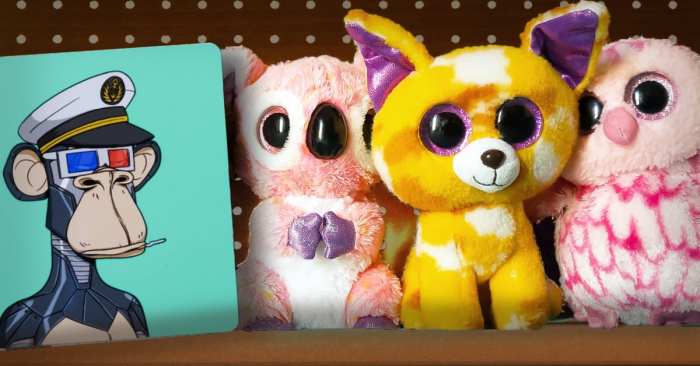
Exploring the NFT landscape reveals a diverse range of approaches to generating and selling digital art. Understanding the strengths and weaknesses of competing platforms is crucial for evaluating the potential of a new platform. This section delves into alternative approaches, comparing and contrasting them with the proposed platform’s functionality to identify potential future directions.The burgeoning NFT market showcases various strategies for creating and distributing unique digital assets.
Different approaches cater to diverse needs and artistic expressions, leading to a competitive yet vibrant ecosystem.
Overview of Alternative NFT Generation Platforms
Several platforms already exist that generate NFTs, each employing different techniques and functionalities. These platforms often focus on specific artistic styles, technical capabilities, or target audiences. Some leverage generative AI, others rely on user input, and still others use procedural generation to create a vast array of unique assets. This variety presents opportunities and challenges for a new platform entering the space.
Advantages and Disadvantages of Different Approaches
The effectiveness of different approaches hinges on the specific goals and target audience. Platforms that prioritize ease of use for non-technical users may sacrifice complexity and artistic control. Conversely, platforms that emphasize advanced generation options might deter users unfamiliar with the technical aspects.
- AI-Driven Generation: Platforms utilizing AI often produce visually appealing and varied outputs, but may struggle with consistency in style and the ability to reflect specific user inputs. Examples like Midjourney or DALL-E 2 highlight the potential but also the challenges in controlling artistic direction.
- Procedural Generation: This method relies on algorithms to create intricate designs, potentially producing vast numbers of unique assets. However, the creative control of the user may be limited. Games like Minecraft demonstrate the potential of procedural generation, but often require a significant level of technical knowledge to modify parameters.
- User-Driven Generation: These platforms allow users to customize the generated assets, offering greater artistic control. However, this approach can be time-consuming and may not scale as effectively as automated generation methods. The potential for individual expression is high, but the volume of output might be limited.
Comparison to Similar Platforms
The proposed platform will be compared to existing ones, considering their strengths and weaknesses in relation to the planned features. The following table provides a high-level overview of potential competitors.
| Platform | Key Feature | Strengths | Weaknesses |
|---|---|---|---|
| Platform A | AI-powered generation | High output, visually appealing | Limited artistic control, potential for repetitive designs |
| Platform B | User-driven customization | High artistic control, unique designs | Limited output, time-consuming |
| Platform C | Procedural generation | Vast number of unique assets | Limited customization, potential for repetitive patterns |
Potential Future Directions
The evolution of NFT generation platforms is likely to involve the integration of various approaches. Future directions might involve platforms that combine AI, procedural generation, and user input to provide a more versatile and customizable experience. For instance, a platform could allow users to fine-tune AI-generated outputs, or incorporate user-defined parameters into procedural generation algorithms. This integration will likely drive the future of the NFT generation landscape.
Final Summary
In conclusion, a random Beeple NFT generating website provides a compelling blend of creativity and technology. It offers a platform for artists and enthusiasts to explore the world of digital art and collectibles, while showcasing the potential of random generation techniques in the NFT space. The platform’s user-friendly interface, integration with marketplaces, and various customization options ensure a comprehensive experience for all users.