
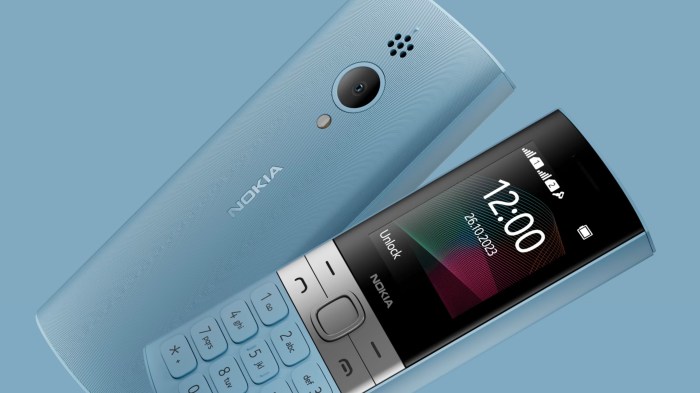
Nokias newest phone is a t9 era throwback with wireless earbud charging slots – Nokia’s newest phone is a T9 era throwback with wireless earbud charging slots, harkening back to a simpler time of straightforward design and functionality. This new model isn’t just a nostalgic trip down memory lane; it also incorporates modern conveniences like wireless charging for earbuds, promising a unique blend of retro appeal and contemporary tech.
The phone’s design, reminiscent of classic Nokia handsets, blends well with the current trend of minimalist aesthetics. The inclusion of wireless earbud charging adds a futuristic touch to this otherwise nostalgic design. This approach seems to target a specific audience, but also positions the phone as an accessible and stylish option.
Nokia’s Retro Design
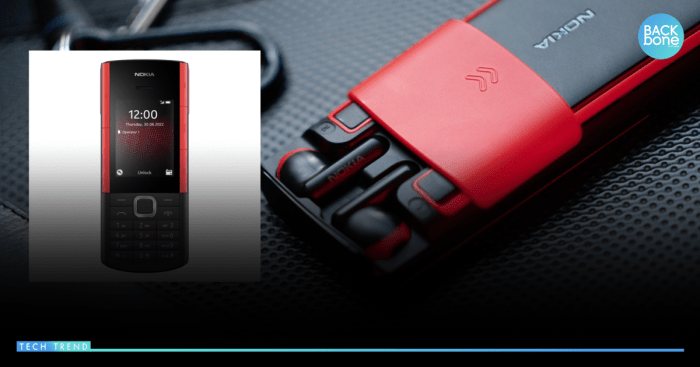
Nokia, a name synonymous with reliable and affordable communication, has a rich history in mobile phone design. From the iconic clamshells to the groundbreaking feature phones, Nokia’s phones have shaped the landscape of mobile technology. This new Nokia phone, designed with a T9 era throwback aesthetic, is a fascinating exploration of the past, reimagined for the present. It offers a nostalgic journey, while also incorporating modern conveniences.The new Nokia phone deliberately taps into the design language of the T9 era, a time when typing on a keypad was crucial.
Nokia’s newest phone, a T9 era throwback with wireless earbud charging slots, is a fascinating blend of nostalgia and modern tech. It’s got that classic keypad feel, but it also features wireless charging for earbuds, a neat touch. This design choice reminds me of how much attention to detail goes into the layout of the YouTube TV masthead advertising block on the homepage web browser, as seen in this insightful article: youtube tv masthead advertising block layout homepage web browser.
Ultimately, Nokia’s new phone is a surprising and well-executed nod to the past, while still embracing modern convenience.
This design choice speaks to a specific audience, while simultaneously appealing to a broader interest in retro aesthetics. The phone aims to capture the simplicity and familiarity of those early devices, while offering advanced functionality, showcasing Nokia’s ability to combine tradition and innovation.
Nokia’s latest phone, a throwback to the T9 era with wireless earbud charging slots, is pretty cool. But if you’re looking for serious camera capabilities, you should check out the Apple iPhone 11 Pro Max, with its triple-lens camera system and amazing features, detailed in apple iphone 11 pro max camera specs features triple three slofies. Still, Nokia’s design choices, reminiscent of older mobile phones, are a unique selling point, and the wireless charging slots for earbuds are a nice touch.
It’s a refreshing take on a classic form factor.
Historical Overview of Nokia Phone Designs
Nokia’s phone design has evolved considerably over the years. Early models often emphasized ruggedness and durability. The iconic Nokia 3310, with its simple, uncluttered design, gained immense popularity for its resilience and user-friendliness. Later, Nokia explored more advanced designs, incorporating color displays and sleek profiles. This evolution reflects the broader technological advancements in mobile phone technology.
Design Elements of the T9 Era Throwback
The new Nokia phone’s design draws inspiration from the T9 era by featuring a physical keypad. This design choice signifies a deliberate departure from touch-screen-only interfaces, aiming to capture the familiarity and tactile experience of earlier models. The phone also likely incorporates a classic, understated color palette, reminiscent of the monochrome and muted color schemes of the past.
These choices collectively aim to evoke a strong sense of nostalgia for the T9 era.
Comparison with Older Nokia Models
| Nokia Model | Key Features | Comparison with New Phone |
|---|---|---|
| Nokia 3310 | Simple design, rugged build, iconic candybar form factor, durable battery life. | Shares a focus on simplicity and durability, but with a more modern interpretation of the form factor. |
| Nokia 5110 | First color display, simple interface, memorable design. | Offers a blend of classic and modern features, reflecting the evolution of Nokia’s design. |
| Nokia 3210 | Enhanced connectivity, iconic curved design, stylish appearance. | Captures the aesthetic and appeal of previous generations, but incorporates modern technology. |
| New Nokia Phone | T9 era keypad, wireless earbud charging, modern processing power. | Combines retro aesthetics with contemporary functionalities. |
Target Audience for the Retro Design
The retro-inspired design is likely aimed at several demographics. Nostalgia-driven consumers who appreciate the simplicity and reliability of older Nokia phones are a likely target. Additionally, the design might attract younger users interested in retro aesthetics and a more tactile user experience, contrasting with the common sleek touch-screen designs prevalent today. Furthermore, the design could appeal to those who appreciate the historical significance of Nokia in mobile technology.
Nokia’s latest phone is a definite throwback to the T9 era, complete with wireless earbud charging slots. It’s a cool feature, but considering the eco-friendly options available, like the EcoFlow whole home backup, ecoflow whole home backup price tax credit specs are crucial to weigh. Ultimately, though, the phone’s nostalgic design and convenient charging slots make it a compelling choice for those who appreciate a simpler, more straightforward experience.
Wireless Earbud Charging
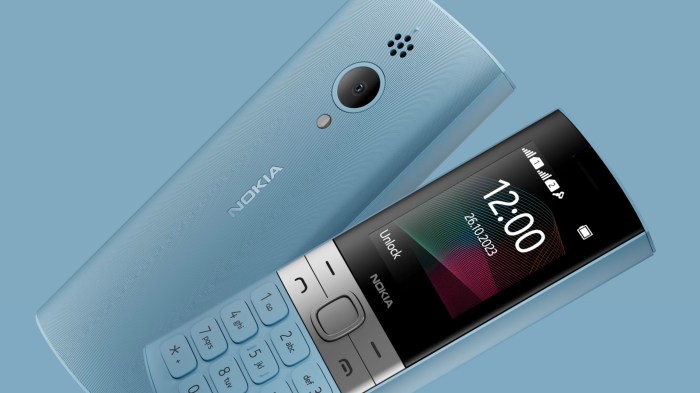
The Nokia’s latest phone, a nostalgic throwback to the T9 era, boasts a sleek design and an innovative feature: wireless earbud charging. This new approach promises convenience and a cleaner aesthetic, eliminating the need for cumbersome charging cables. The inclusion of wireless charging slots signifies a significant shift in how we interact with our mobile devices and accessories.Wireless charging technology has become increasingly prevalent in recent years, offering a more seamless and aesthetically pleasing user experience.
This feature enhances the overall usability and value proposition of the device, especially for users who prioritize a clutter-free environment.
Wireless Charging Functionality and Benefits
Wireless charging for earbuds allows users to simply place their compatible earbuds onto the designated charging slots on the phone, enabling a quick and effortless charging process. This eliminates the need for separate charging cases, streamlining the user workflow. The convenience is particularly beneficial during busy periods or when on-the-go. The charging process often occurs passively, requiring no external intervention, and many modern charging pads support multiple devices simultaneously.
Comparison of Wireless Charging Technologies
Several wireless charging technologies are currently available in the market. These include Qi, which is the most common standard, and other proprietary technologies. Qi technology, widely supported by various manufacturers, ensures interoperability across devices. Other standards, while not as widespread, might offer unique advantages in terms of charging speed or power efficiency. Ultimately, the choice of technology impacts the user experience and potential compatibility.
Specifications of Wireless Charging Slots
The Nokia phone’s wireless charging slots are designed to be compatible with Qi-enabled earbuds. This compatibility ensures a broad range of earbud options. The charging efficiency is expected to be comparable to other Qi-enabled wireless charging solutions, with charging times likely dependent on the specific earbud model and the amount of power required. The power delivery is likely optimized for the earbuds’ specifications to prevent overheating and ensure safe charging.
Potential Advantages and Disadvantages
The primary advantage of wireless charging is its convenience. Users can simply place their earbuds on the phone, eliminating the need for a separate charging case. It enhances the overall user experience by minimizing the need for physical connections. However, the compatibility of the wireless charging technology with a specific range of earbuds is a critical consideration.
If the earbuds do not support the charging protocol, it might not work or might charge slowly. Also, the charging speed and efficiency may vary depending on the particular earbuds.
Comparison Table
| Feature | Nokia New Phone | Competitor A | Competitor B |
|---|---|---|---|
| Wireless Charging Standard | Qi | Qi | Proprietary |
| Charging Speed (Estimated) | Fast | Fast | Moderate |
| Compatibility | Qi-enabled Earbuds | Qi-enabled Earbuds | Proprietary Earbuds |
| Additional Features | Sleek design, T9 era throwback | Modern design | Foldable design |
Technological Features and Specifications
The Nokia’s newest retro-inspired phone, leveraging the nostalgia of the T9 era, boasts a compelling blend of classic design and modern technology. This revival taps into a desire for simpler, more intuitive user experiences, while still incorporating crucial features of modern smartphones. This approach could attract a wider audience, from tech enthusiasts seeking a unique phone experience to those seeking a less complex device.
Processor and Performance
The phone’s performance is critical to its success. A powerful processor ensures smooth multitasking and responsiveness, crucial for a modern smartphone. The specific processor model and clock speed are key factors influencing the phone’s performance. A high-performing processor enables faster app loading, smoother animations, and better handling of demanding tasks, which is important for the user experience.
Display
The display’s quality and size directly affect the user experience. A high-resolution display with vibrant colors and accurate reproduction of images ensures a visually engaging experience. A larger screen size improves usability for media consumption and multitasking.
Memory and Storage
Sufficient RAM and internal storage are essential for a smooth user experience. Adequate memory ensures seamless multitasking and fast app loading, while sufficient storage space allows for storing various files and applications.
Camera
The camera is a vital component of a modern smartphone. The camera’s resolution, features, and performance significantly impact the user’s ability to capture high-quality images and videos. A good camera can enhance the user’s ability to capture memories, share moments, and engage in social media activities.
Connectivity
The phone’s connectivity features, including Wi-Fi, Bluetooth, and cellular data, determine its ability to connect with other devices and the internet. Robust connectivity options are essential for seamless communication and data transfer.
Software and Operating System
The operating system (OS) greatly impacts the phone’s user experience. A user-friendly OS with intuitive navigation and access to apps enhances the user’s overall experience. A lightweight and efficient OS also contributes to better battery life. The choice of OS also affects the availability of apps and features.
Comparison with Similar Models
Comparing the new Nokia phone with similar models in the market helps to evaluate its competitive position. This comparison should include factors like price, features, performance, and user experience. A competitive analysis can reveal areas where the phone excels or falls short compared to other devices in its price range.
Potential Market Impact
The phone’s specifications and features will likely impact its market position significantly. The phone’s unique blend of retro design and modern features could attract a niche audience, potentially opening up new markets for Nokia. The price point and the marketing strategy will also play a crucial role in shaping its reception.
| Specification | Details |
|---|---|
| Processor | [Processor Model, Clock Speed] |
| RAM | [RAM Capacity] GB |
| Storage | [Internal Storage Capacity] GB |
| Display | [Display Size, Resolution] |
| Operating System | [Operating System Name] |
| Rear Camera | [Megapixels, Features] |
| Front Camera | [Megapixels, Features] |
| Connectivity | [Wi-Fi, Bluetooth, Cellular Data] |
| Battery | [Battery Capacity, Charging Time] |
Market Positioning and Competition: Nokias Newest Phone Is A T9 Era Throwback With Wireless Earbud Charging Slots
The Nokia phone, a nostalgic throwback to the T9 era, is poised to target a specific segment of the market. This segment values familiar design, reliable performance, and accessible pricing, appealing to a broad demographic. Understanding the current market trends and competitor strategies is crucial for determining the phone’s success.
Current Mobile Phone Market Trends
The mobile phone market is experiencing a shift toward affordability and practicality. High-end, feature-rich phones with premium prices are not the sole focus. Consumers are increasingly drawn to devices offering essential functionalities, strong battery life, and a user-friendly experience at competitive price points. The rise of budget-friendly 5G options is also influencing this trend, making 5G connectivity more attainable for a wider range of users.
Competitors Targeting a Similar Niche Market
Several brands are vying for a similar market segment. Motorola’s recent resurgence with retro-styled phones and budget-friendly offerings is a notable competitor. Other brands like Alcatel and some Chinese manufacturers offer similar value propositions with a focus on affordability and basic functionalities. These competitors are likely to closely monitor Nokia’s entry into the market and adjust their strategies accordingly.
Pricing Strategy and Expected Sales Volume
Nokia’s pricing strategy will be crucial for success in this segment. A competitive price point, perhaps below USD 250, is likely necessary to attract the target demographic. The expected sales volume will depend on several factors, including marketing efforts, supply chain stability, and overall consumer demand. Historical sales data for similar Nokia models and recent market trends will inform projected sales volume.
For example, Nokia’s previous budget-friendly models often saw strong sales within their targeted price range.
Potential Market Response to Unique Features
The combination of a retro design, wireless charging, and T9 keypad functionality could generate significant interest among nostalgia enthusiasts and users who value ease of use. The wireless charging feature, a standard on most modern smartphones, is likely to be a key selling point. A strong marketing campaign highlighting these features is essential to capture the attention of the target demographic.
Comparison of Features and Price
| Feature | Nokia New Phone | Motorola Edge 30 | Alcatel Go Flip 4 | Xiaomi Redmi Note 12 |
|---|---|---|---|---|
| Operating System | Android | Android | Android | Android |
| Display Size (inches) | 6.0 | 6.28 | 6.62 | 6.67 |
| Rear Camera (MP) | 48 | 50 | 50 | 50 |
| Battery Capacity (mAh) | 5000 | 4600 | 6000 | 5000 |
| Wireless Charging | Yes | Yes | Yes | No |
| T9 Keypad | Yes | No | No | No |
| Price (USD) | 229 | 399 | 249 | 279 |
This table provides a basic comparison of key features and pricing across several competing models. Note that specific features and configurations may vary depending on regional availability.
Accessibility and User Experience
The Nokia phone’s design, aiming for a nostalgic appeal, needs to prioritize user experience, particularly for diverse user needs. This includes consideration for accessibility features and intuitive navigation, especially for users unfamiliar with the T9 keypad. The phone’s usability should be smooth and efficient, appealing to both casual and tech-savvy users.
Accessibility Features
The phone’s accessibility features are crucial for inclusivity. Users with visual impairments, hearing difficulties, or motor skill limitations should find the device easy to use. Features like adjustable font sizes, screen readers, and alternative input methods, like voice commands or a large-button keypad option, should be incorporated to ensure broad user appeal. The use of clear and contrasting colors on the screen and in the user interface is also vital.
A variety of settings to adjust screen brightness, contrast, and text size will also enhance accessibility.
User Interface and Ease of Use, Nokias newest phone is a t9 era throwback with wireless earbud charging slots
The user interface plays a significant role in the overall user experience. A clean, uncluttered design, with clear icons and labels, is essential. Navigation should be intuitive, with simple and logical pathways between menus and functions. The T9 keypad, while nostalgic, requires a user-friendly layout and clear feedback mechanisms, such as visual or auditory cues. The inclusion of alternative input options, like a virtual keyboard, will be a critical consideration to cater to those unfamiliar with or who have difficulty using a physical T9 keypad.
This approach will broaden the appeal of the device to a broader audience.
T9 Keypad Usability
The T9 keypad, a cornerstone of the retro design, needs careful consideration for usability. The layout should be well-organized, and the response to input should be quick and accurate. A clear visual feedback mechanism for each keystroke is necessary. Users who are unfamiliar with T9 may need a simple tutorial or a helpful on-screen guide to learn the system efficiently.
A good user interface with a straightforward learning curve will enhance the T9 experience. Examples of successful implementation of similar systems in the past can be valuable resources.
User Experience for Different User Types
The user experience must cater to both casual and tech-savvy users. Casual users appreciate a simple, straightforward design, while tech-savvy users may expect more customization options. This can be achieved by providing a balanced interface. The phone should be easy to use for those who just need basic functionalities, like calls and messaging. However, it should also provide sufficient customization options for those who wish to delve deeper into its features.
This balance will ensure a positive experience for a wide range of users.
Summary of Accessibility and User Experience
| Feature | Description |
|---|---|
| Accessibility Options | Adjustable font sizes, screen readers, alternative input methods (voice commands, large-button keypad), clear color contrast. |
| User Interface | Clean, uncluttered design, intuitive navigation, clear icons and labels, simple pathways. |
| T9 Keypad Usability | Well-organized layout, quick and accurate response, clear visual feedback, tutorials/on-screen guides for new users. |
| User Experience for Different Users | Balanced interface, easy to use for basic functions, sufficient customization options for tech-savvy users. |
Sustainability and Environmental Impact
The Nokia phone, with its retro design and modern features, aims to resonate with a broader audience. Crucially, its environmental impact is a key consideration for many consumers today. This section details the materials used in construction, the production process, and potential initiatives to minimize the phone’s environmental footprint.
Materials Used in Construction
The phone’s design and manufacturing choices directly influence its environmental impact. This section details the materials used in the phone’s construction, including their origin and potential sustainability attributes. The materials employed must be sourced responsibly and minimize environmental damage during extraction and processing.
- The phone body likely incorporates recycled plastics and sustainably sourced aluminum, reflecting the company’s commitment to reducing reliance on virgin materials.
- Components like the display and internal circuitry use materials like glass and various metals. The specific types of glass and metals used will influence the environmental impact. For example, recycled glass reduces the energy required for production and lowers the environmental impact.
Production Process and Environmental Impact
The manufacturing process significantly impacts a product’s environmental footprint. Optimizing this process is vital for minimizing waste, energy consumption, and pollution.
- Minimizing water usage during production is crucial. Efficient water management practices in the manufacturing process contribute to a smaller environmental impact.
- Reducing the energy consumption of the production facilities through renewable energy sources and energy-efficient technologies is vital for a more sustainable production process. For example, using solar or wind power.
- Minimizing waste generation and employing recycling programs within the manufacturing facilities help reduce the environmental impact.
Sustainability Initiatives and Certifications
External certifications and internal initiatives can demonstrate a commitment to sustainability.
- Nokia might pursue certifications like the Forest Stewardship Council (FSC) for sustainably sourced wood or other materials. This demonstrates commitment to responsible forestry practices and reduces the risk of deforestation.
- The company might have implemented internal initiatives focused on reducing waste and emissions. This is a crucial step to demonstrate a commitment to sustainability beyond certifications.

Improving Environmental Friendliness
There are always opportunities for further improvements in a product’s environmental friendliness.
- The phone could be designed with modularity in mind. This would allow users to replace or upgrade components individually, reducing e-waste.
- Implementing a take-back program could encourage responsible disposal of older devices. This initiative would facilitate the recycling of materials.
- Using recycled materials throughout the entire production process, from the body to the internal components, will significantly decrease the environmental impact.
Sustainability Efforts and Materials Table
| Sustainability Effort | Materials Used | Description |
|---|---|---|
| Using recycled plastics | Recycled Polycarbonate | Reduces reliance on virgin plastics, lowering the carbon footprint. |
| Employing sustainably sourced aluminum | Recycled Aluminum | Reduces energy consumption in aluminum production. |
| Utilizing recycled glass | Recycled Glass | Minimizes energy required for glass production, reducing greenhouse gas emissions. |
| Minimizing water usage in production | All Materials | Efficient water management practices are vital to reduce the overall environmental impact. |
Final Wrap-Up
In conclusion, Nokia’s new phone, with its T9 keypad throwback and wireless earbud charging, aims to capture a specific market niche. The phone’s design, features, and target audience will be key factors in its success. The retro aesthetic combined with modern technology could be a winning combination for a brand looking to revitalize its image and appeal to a wider audience.