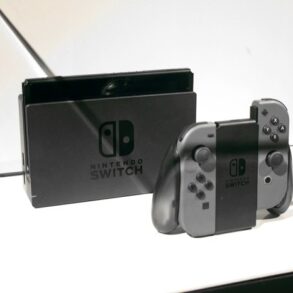



Microsoft Activision Blizzard deal UK CMA comments spark debate about the future of gaming. This acquisition, a massive move in the industry, is now facing scrutiny from the UK’s Competition and Markets Authority (CMA). The CMA’s concerns regarding potential anti-competitive effects are prompting significant discussion among industry experts, investors, and consumers. The deal’s potential impact on the UK gaming market, pricing strategies, and future innovation are at the forefront of the debate.
The proposed merger between Microsoft and Activision Blizzard is a significant development, involving substantial financial terms and expected benefits for both companies. From Microsoft’s perspective, the acquisition is driven by strategic aims to strengthen their position in the gaming market. However, the CMA’s assessment focuses on potential harm to competition, raising concerns about the availability of games and potential price increases for UK consumers.
The CMA’s investigation process is also a key element in the current narrative.
Overview of the Microsoft Activision Blizzard Deal
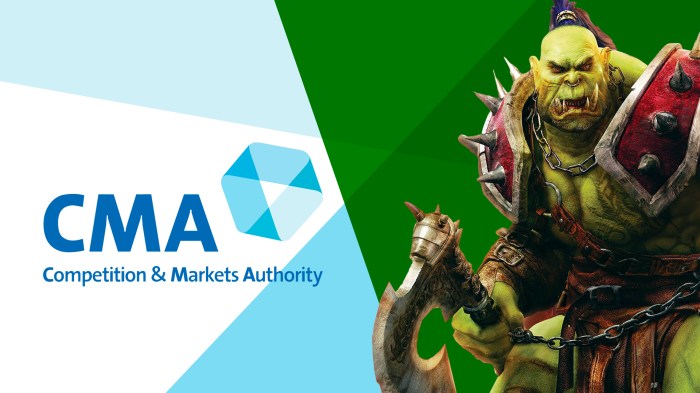
The proposed merger between Microsoft and Activision Blizzard, a major player in the global gaming industry, has sparked significant debate and discussion. This acquisition, if finalized, would create a formidable force in the gaming market, potentially reshaping the landscape for both console and PC gaming. The deal’s implications extend beyond simple financial gains, impacting the competitive environment, innovation, and consumer choices.The deal’s core involves Microsoft acquiring Activision Blizzard, a company known for its popular franchises like Call of Duty, World of Warcraft, and Candy Crush.
This acquisition aims to integrate Activision Blizzard’s vast library of games and intellectual property into Microsoft’s existing gaming ecosystem, including Xbox Game Studios and the broader Microsoft gaming platform. The financial terms, while not fully disclosed, are expected to be substantial. The anticipated benefits for both companies involve increased market share, enhanced platform capabilities, and access to a wider audience.
Financial Terms and Anticipated Benefits
The financial details of the acquisition are not publicly available in full. However, industry speculation suggests the transaction will involve a substantial amount of capital. This significant investment reflects the potential market value of Activision Blizzard’s portfolio of games and intellectual property, and the anticipated return on investment for Microsoft in the long term. The anticipated benefits for both companies encompass increased revenue streams, amplified market share, and enhanced brand recognition within the gaming sector.
Rationale Behind the Acquisition (Microsoft’s Perspective)
Microsoft’s rationale for acquiring Activision Blizzard centers on bolstering its gaming ecosystem and strengthening its position in the competitive gaming market. The acquisition of Activision Blizzard’s games, intellectual property, and development teams will enhance Microsoft’s current offerings, allowing them to provide a more comprehensive and attractive gaming experience to their user base. This acquisition is intended to expand Microsoft’s gaming portfolio, potentially increasing the overall value and attractiveness of its gaming platform.
Anticipated Impact on the Gaming Industry
The merger is expected to significantly impact the gaming industry. The combination of Microsoft’s resources and Activision Blizzard’s intellectual property could potentially lead to a shift in the competitive landscape. The deal could also influence pricing strategies and game availability on various platforms. The long-term implications of the merger, such as the potential for reduced competition and its effect on innovation, are still being debated and analyzed.
The effect on game availability and pricing across various platforms remains a key area of concern for both industry experts and consumers.
UK CMA’s Role and Concerns
The UK Competition and Markets Authority (CMA) plays a crucial role in safeguarding fair competition within the UK market. Its mandate extends to scrutinizing mergers and acquisitions to ensure they don’t harm consumer interests or stifle innovation. This oversight is vital in preventing monopolies and maintaining a vibrant and competitive business landscape.The CMA’s assessment of the Microsoft-Activision Blizzard deal is based on a rigorous examination of the potential impact on the gaming industry.
Their investigation delves into the intricacies of the proposed acquisition, analyzing the implications for competition and market dynamics. The CMA’s findings will have a significant impact on the future of the video game industry, particularly for gamers and developers.
CMA’s Role in Regulating Mergers and Acquisitions
The CMA’s role in merger control involves scrutinizing proposed mergers and acquisitions to identify potential anti-competitive effects. They assess whether the combined entity would gain significant market power, reducing consumer choice and potentially driving up prices. The CMA’s investigation considers factors like market share, product substitutability, and the ability of competitors to respond to a potential merger. The CMA aims to prevent the creation of monopolies or dominant market positions that could harm consumers.
They employ various tools and methodologies to analyze the potential impact of a merger on the competitive landscape.
Specific Concerns Raised by the CMA Regarding the Microsoft-Activision Blizzard Deal
The CMA has expressed concerns about the potential anti-competitive effects of Microsoft acquiring Activision Blizzard. A key concern revolves around the substantial market share Activision Blizzard holds in the gaming industry, particularly in the console gaming sector. This significant presence, coupled with Microsoft’s existing dominance in the gaming ecosystem, raises concerns about the potential for Microsoft to leverage its combined resources to stifle competition and potentially limit consumer choices.
The CMA is scrutinizing the integration of Activision Blizzard’s intellectual property, such as Call of Duty, into Microsoft’s existing platform. Potential issues include the potential for exclusivity deals and the impact on competing platforms. Concerns extend to the impact on smaller developers and studios, who may face difficulties competing against a potentially more powerful entity.
CMA’s Assessment of Potential Anti-Competitive Effects
The CMA’s assessment of potential anti-competitive effects examines the potential for Microsoft to use its combined market power to disadvantage competitors. This could involve using its existing resources to make Activision Blizzard’s games less accessible on rival platforms or making them less appealing. Such strategies could diminish the choices available to consumers and limit the ability of smaller developers to compete.
The CMA considers how this acquisition might affect the innovation and competitiveness within the gaming industry. The CMA’s analysis involves a detailed examination of the current competitive landscape, including the strengths and weaknesses of existing and potential future competitors.
CMA’s Investigation Process and Timeline
The CMA’s investigation process typically involves gathering evidence, consulting with stakeholders, and conducting market analysis. A key aspect of the process is the opportunity for interested parties to submit their views and evidence. The CMA sets a timeline for the investigation, outlining specific deadlines for submitting documents and holding hearings. The investigation typically involves multiple stages, including data collection, analysis, and public consultation.
The CMA’s timeline for the Microsoft-Activision Blizzard investigation was established based on the complexities of the deal and the importance of thorough analysis.
Public Comments and Reactions: Microsoft Activision Blizzard Deal Uk Cma Comments
The Microsoft-Activision Blizzard merger has ignited a firestorm of public reaction, with industry insiders, competitors, and consumer groups weighing in on the potential ramifications of this mega-deal. From antitrust concerns to concerns about gaming dominance, the debate has been multifaceted and intense. This section delves into the various perspectives expressed and the potential impact of these reactions on the future of the gaming industry.
Prominent Public Comments
The merger has attracted a broad range of comments, ranging from passionate advocacy to staunch opposition. Key stakeholders, including industry analysts, competitors, and consumer groups, have voiced their opinions, highlighting diverse viewpoints and anxieties surrounding the deal.
- Industry Analysts: Many analysts have expressed concerns about the potential anti-competitive effects of the merger. They have pointed to the significant market share Microsoft would gain in the gaming industry, potentially leading to higher prices and reduced innovation. Examples include predictions of reduced choice for consumers and a potential chilling effect on new game development.
- Competitors: Competitors, like Sony, have voiced concerns about the potential for Microsoft to leverage its newfound power to disadvantage its rivals in the market. Sony has emphasized the need for a level playing field and has articulated concerns about the potential for unfair practices and reduced consumer choice.
- Consumer Groups: Consumer groups, representing gamers and consumers, have also expressed concerns about the deal’s potential to limit their access to games and increase costs. They argue that the merger could harm competition and reduce consumer choice in the gaming market.
Overall Sentiment
The overall sentiment surrounding the deal is mixed, with strong concerns expressed about potential anti-competitive effects. Concerns about potential negative consequences for consumers and the broader gaming industry are prominent. While some support the deal, their arguments often revolve around the expected economic benefits and enhanced gaming experiences.
Comparison of Stakeholder Reactions, Microsoft activision blizzard deal uk cma comments
The table below provides a comparative overview of the perspectives of key stakeholders involved in the Microsoft-Activision Blizzard merger.
| Stakeholder | Perspective | Reasoning | Potential Impact |
|---|---|---|---|
| Microsoft | Positive | Believes the acquisition will enhance its gaming portfolio and boost its cloud gaming services. It may also increase market share and profits. | Potential for increased market dominance in gaming. Could lead to greater control over gaming platforms and content distribution. |
| Activision Blizzard | Positive | Anticipates increased financial resources and broader distribution opportunities through a merger with a major tech company. | Could lead to enhanced financial stability and broader reach for its game titles. |
| Sony | Negative | Concerned about the potential for reduced competition and negative impact on consumer choice in the gaming market. | Potential for a shift in the balance of power in the gaming industry, potentially leading to decreased innovation and higher prices for consumers. |
| Consumer Groups | Negative | Worried about the potential for higher prices, reduced choice, and negative impact on innovation. | Potential for a less competitive gaming market with fewer choices for gamers. |
| Industry Analysts | Mixed/Negative | Recognize the potential for benefits but also highlight the significant risks to competition. Many analysts express concern about the impact on consumer choice and innovation. | Could lead to a more polarized industry with some sectors thriving while others struggle. |
Potential Impact on UK Gaming Market
The Microsoft-Activision Blizzard merger, a colossal deal in the gaming industry, has sparked significant debate, especially regarding its potential impact on the UK gaming market. This discussion delves into the likely effects on game availability, pricing, and competition, along with the consumer consequences and long-term ramifications for the UK gaming landscape. The UK Competition and Markets Authority (CMA) has a crucial role in assessing these effects, and its comments will undoubtedly shape future mergers in the industry.The UK gaming market is vibrant and diverse, with a significant player base.
The merger, however, raises concerns about potential monopolistic tendencies, particularly regarding the dominance of Microsoft and the substantial portfolio of Activision Blizzard games. The implications are multifaceted and extend beyond just the immediate impact on consumers.
Impact on Game Availability
The combined power of Microsoft and Activision Blizzard could potentially lead to a reduction in the availability of certain games on competing platforms. This isn’t necessarily a direct consequence of the merger but a potential outcome if Microsoft chooses to prioritize its own platforms. The vast library of Activision Blizzard titles, including popular franchises like Call of Duty, could become less accessible to players using rival platforms, which may affect the diversity of gaming options available to UK consumers.
Impact on Pricing
The reduced competition resulting from the merger might potentially allow Microsoft to raise prices for Activision Blizzard games, either on its own platforms or as a result of decreased competition in the market. The precedent of similar mergers in other sectors, where a reduction in competition led to increased pricing, is a concern that the CMA is actively addressing.
This could lead to higher costs for UK gamers, especially if consumers are limited in their choices.
Impact on Competition
The combined resources of Microsoft and Activision Blizzard could give them an insurmountable advantage over smaller, independent developers and publishers. This could potentially stifle innovation and creativity in the UK gaming sector, as smaller companies struggle to compete with the financial and technical might of a mega-corporation. The resulting consolidation of power could limit the diversity of games and the creativity in the industry.
This issue is central to the CMA’s concerns, and its investigation into the potential effects on competition is crucial.
The UK CMA’s comments on the Microsoft Activision Blizzard deal are definitely stirring things up. While the focus is understandably on the potential ramifications for gaming, it’s interesting to note that advancements in mobile tech, like the oneplus 12 battery charging speeds , could be indirectly affected by such a major industry shift. Ultimately, the CMA’s stance on the deal will have far-reaching consequences for the future of the gaming landscape.
Consequences for UK Consumers
The potential reduction in game availability and the potential increase in pricing directly affect UK consumers. They may face a narrower selection of games and potentially higher costs for their entertainment. This outcome will likely be determined by the CMA’s decision on whether to block or approve the merger. Consumers will have limited options and potentially less competitive pricing if the merger proceeds without sufficient regulatory safeguards.
Long-Term Effects on the UK Gaming Ecosystem
The long-term effects of the merger could include a less dynamic and innovative UK gaming ecosystem. A reduction in competition and the potential for consolidation of power could hinder the growth of independent developers and smaller companies. This would ultimately impact the diversity of games available to UK gamers and the overall health of the industry. This long-term perspective highlights the importance of the CMA’s role in regulating the merger.
How CMA Comments Shape Future Mergers
The CMA’s investigation and eventual decision regarding the Microsoft-Activision Blizzard merger will likely set a precedent for future mergers in the gaming industry. Their comments will be carefully scrutinized by other companies contemplating similar deals, and the outcome will shape the regulatory landscape for these transactions. The CMA’s position on competition and consumer protection will undoubtedly influence the strategies and actions of companies in the gaming industry.
Legal and Regulatory Landscape
The Microsoft-Activision Blizzard deal, a significant merger in the gaming industry, has sparked considerable scrutiny, particularly in the UK. Understanding the UK’s legal and regulatory framework for mergers and acquisitions is crucial to comprehending the CMA’s role and potential outcomes. The UK’s approach to competition law, designed to protect consumers and maintain a vibrant market, is a key factor in this case.
Relevant UK Laws and Regulations
The Competition and Markets Authority (CMA) is the primary regulatory body overseeing mergers and acquisitions in the UK. Their powers stem from legislation such as the Enterprise Act 2002. This legislation Artikels the CMA’s mandate to investigate mergers that could potentially lessen competition, impacting consumer choice and prices. The CMA is empowered to block or impose conditions on mergers that they deem anti-competitive.
Legal Precedents
Numerous legal precedents inform the CMA’s assessment of the Microsoft-Activision Blizzard deal. Previous investigations have focused on similar concerns regarding market dominance and potential harm to competition. Cases involving other gaming companies or industries with similar structures provide valuable context for the CMA’s analysis. For instance, previous cases have looked at how mergers could limit choice for consumers, either by reducing the number of competing products or by allowing a dominant player to raise prices without effective countervailing force.
The UK CMA’s comments on the Microsoft Activision Blizzard deal are definitely stirring things up. It’s a complex issue, but if you’re looking for some insightful retro gaming analysis, you should definitely read Time Extension, my new favorite retro gaming blog, you should read time extension my new favorite retro gaming blog. Their take on the competitive landscape in gaming is spot-on, and it really gives a fresh perspective on the potential long-term effects of this deal on the industry.
All in all, it’s a fascinating debate, and it’s great to see different voices weighing in on the future of gaming.
The CMA will likely consider the competitive landscape, the relative market share of the merging entities, and the potential for reduced innovation and consumer harm in their evaluation.
Potential Outcomes of the CMA’s Investigation
The CMA’s investigation could lead to several possible outcomes. The CMA could decide to clear the deal without conditions, indicating that they believe the merger poses no significant competitive concerns. Alternatively, the CMA might impose conditions on the deal, requiring Microsoft to divest certain assets or make other concessions to mitigate potential anti-competitive effects. Finally, the CMA could block the deal altogether if they find sufficient evidence that it would harm competition in the UK gaming market.
The outcome will hinge on the CMA’s thorough evaluation of the deal’s potential impact on market competition and consumer welfare.
Implications for Future Similar Deals
The CMA’s decision in this case will have significant implications for future mergers and acquisitions in the gaming industry and beyond. If the CMA blocks the deal, it would set a precedent for scrutinizing similar deals more intensely. This could discourage or modify the structure of future deals, forcing companies to demonstrate their commitment to maintaining a competitive market.
Conversely, if the deal is approved with or without conditions, it could potentially signal a more lenient approach to large-scale mergers, especially in sectors with complex and evolving competitive dynamics. The case will likely result in a thorough review of the market, including the identification of potential anti-competitive effects and the development of effective mitigation strategies.
Comparative Analysis of Other Jurisdictions
The UK’s Competition and Markets Authority (CMA) decision regarding the Microsoft-Activision Blizzard merger stands as a crucial juncture in the global debate surrounding tech mergers and their impact on competition. Understanding how other jurisdictions are handling similar deals provides valuable context for evaluating the CMA’s approach and potential outcomes. A comparative analysis reveals both common threads and significant divergences in regulatory frameworks and perspectives.
Regulatory Approaches in Different Jurisdictions
Different regulatory bodies around the world, including those in the US and Europe, are employing diverse strategies in their evaluations of similar mergers. These approaches reflect differing legal and economic philosophies, as well as unique industry considerations. The varying perspectives on anti-competitive effects are shaped by the specific market conditions and concerns within each jurisdiction. For instance, the US approach might focus on the overall market structure, while European regulations might emphasize consumer welfare and access to platforms.
Key Concerns and Potential Outcomes
The CMA’s primary concern, as with other regulators, centers around the potential for reduced competition in the gaming market. This fear stems from the significant market share held by Microsoft and Activision Blizzard, leading to concerns about increased prices, reduced innovation, and decreased consumer choice. Potential outcomes range from full prohibition of the deal to conditional approval with strict stipulations, impacting the future of the gaming industry in different regions.
Comparison Table
| Jurisdiction | Regulatory Approach | Key Concerns | Potential Outcomes |
|---|---|---|---|
| United Kingdom (CMA) | Focuses on potential negative impact on competition within the UK gaming market, emphasizing the specific UK context and considering the impact on smaller competitors. | Dominance of Microsoft and Activision Blizzard, reduced consumer choice, potential for increased prices and reduced innovation. | Conditional approval with stipulations to ensure competition is maintained, including the divestment of certain assets or restrictions on the use of Activision Blizzard’s intellectual property. |
| United States (FTC) | Emphasizes market dominance and potential harm to consumers, focusing on the wider global context and the possible implications for innovation in the video game industry. | Concerns about Microsoft’s control over a substantial portion of the gaming market and potential for anti-competitive practices. | Potential for full prohibition or approval with stringent conditions, potentially including commitments for future conduct or access to platforms. Historical cases of US regulatory intervention often result in substantial commitments. |
| European Union (European Commission) | Prioritizes consumer welfare and ensures access to platforms. Focuses on potential harm to smaller developers and publishers in the European gaming market. | Concerns about Microsoft’s control over game distribution and its potential to use its dominance to harm competitors, possibly leveraging its Xbox ecosystem. | Conditional approval is likely, with conditions designed to mitigate anti-competitive risks. The EU’s regulatory history often involves detailed commitments to maintain competition and ensure fair access to markets. |
Future Implications and Scenarios
The Microsoft-Activision Blizzard deal, now facing scrutiny from the UK’s Competition and Markets Authority (CMA), presents a complex web of potential outcomes. The CMA’s concerns regarding potential anti-competitive practices and their impact on the UK gaming market demand a careful consideration of the possible scenarios, particularly for Microsoft’s future strategy and the broader landscape of tech and gaming acquisitions.The CMA’s investigation will likely shape the future of mergers and acquisitions in the tech and gaming industries.
The outcome will set a precedent for regulators worldwide, influencing their approach to similar deals in the future. This, in turn, will directly impact how companies like Microsoft approach future acquisitions, potentially altering their strategies to navigate stricter regulatory hurdles.
Potential Scenarios for the Deal
The CMA’s investigation could lead to several potential outcomes, ranging from full approval to a complete block or conditional approval with significant stipulations. Each scenario carries distinct implications for Microsoft, the gaming industry, and the UK economy. A complete block would likely set a strong precedent for future acquisitions. Conditional approval, requiring concessions or divestment, could significantly alter Microsoft’s plans and impact the competitive landscape.
Full approval, however, would allow Microsoft to proceed with its planned integration, potentially transforming the gaming industry’s competitive dynamics.
Implications for Microsoft’s Future Strategies
The outcome of the CMA investigation will directly impact Microsoft’s future acquisitions and its overall strategic approach. Should the deal be blocked or significantly altered, Microsoft may re-evaluate its approach to acquisitions in the gaming industry and other sectors. This could involve focusing on alternative acquisition targets or modifying strategies to avoid similar regulatory challenges. Conversely, a favorable outcome could embolden Microsoft’s confidence in pursuing similar large-scale acquisitions.
Influence on Future Acquisitions in Tech and Gaming
The CMA’s decision in this case will serve as a crucial precedent for future mergers and acquisitions in the tech and gaming sectors. A tough stance from the regulator could lead to more rigorous scrutiny of similar deals, impacting the scale and nature of future acquisitions. The outcome will also influence how other countries and regulatory bodies approach similar mergers, prompting a possible wave of stricter regulatory measures worldwide.
The UK CMA’s comments on the Microsoft Activision Blizzard deal are definitely interesting, right? It’s a huge deal, and the implications for the gaming industry are massive. Sometimes, though, the little things get overlooked. Like when your PS4 controller stops charging – you might need to check the charging cable, or try a different USB port, as detailed in this helpful guide what do when your ps4 controller has stopped charging.
Regardless, the CMA’s scrutiny of the deal highlights how important competition remains in the market, and hopefully, this will lead to positive changes for gamers.
Companies considering large-scale acquisitions in the future will undoubtedly monitor the outcome carefully, adjusting their strategies accordingly.
Timeline of Potential Events
A timeline of potential events, while uncertain, could include the following stages:
- CMA Decision and Potential Appeals: The CMA will issue a final decision regarding the deal. If the decision is unfavorable to Microsoft, the company may choose to appeal the ruling, potentially leading to protracted legal proceedings. This process could involve appeals to higher courts, further delaying the deal’s conclusion.
- Negotiations and Concessions: In the event of conditional approval, Microsoft might negotiate with the CMA to address concerns raised. This could involve divesting certain assets or making other concessions to mitigate regulatory hurdles.
- Final Decision and Implementation: After the CMA’s final decision (and any appeals process) a final decision will be made, whether that be full approval, a complete block, or conditional approval with stipulations. This would conclude the regulatory process. Microsoft would then need to implement the required changes and integrate Activision Blizzard’s assets.
The timeline will depend heavily on the specific actions taken by the CMA, Microsoft, and any potential appeals processes.
Impact on Gaming Industry Innovation

The Microsoft-Activision Blizzard merger, a deal of monumental proportions, has ignited a firestorm of debate, with a significant portion of the discussion revolving around its potential impact on the gaming industry’s future. The prospect of a consolidated gaming giant raises questions about the direction of innovation and competition in a market already experiencing rapid evolution. This section delves into the potential effects on innovation, focusing on the benefits, drawbacks, and potential shifts in the landscape of gaming experiences.
Potential Benefits for Innovation
The merger could theoretically lead to increased resources for research and development, allowing for more ambitious projects and advancements in game technology. A larger entity might attract and retain top talent in game development, potentially fostering a more collaborative environment. This increased funding could also accelerate the development of next-generation gaming technologies and experiences, pushing boundaries and potentially leading to more immersive and engaging titles.
For instance, the combined resources could facilitate advancements in cloud gaming, virtual reality, and augmented reality, technologies already showing significant promise for reshaping the gaming landscape.
Potential Drawbacks for Innovation
A key concern is the potential for reduced competition. With fewer independent developers and publishers, the diversity of game genres and experiences might decrease. Smaller studios, lacking the financial backing of a megacorp, could struggle to compete, leading to a homogenization of the market. This could stifle innovation and limit the creation of niche games and experiences that cater to specific tastes and preferences.
A similar scenario occurred in other sectors, like music or publishing, when major players absorbed smaller competitors, leading to a narrower range of output.
Effects on Game Genre Availability
The merger could lead to a shift in the balance of game genres. Microsoft, with its existing portfolio, may prioritize genres that complement its existing strengths, potentially overshadowing other genres and reducing the availability of games in areas like strategy or indie titles. This shift could diminish the diversity of experiences available to players, making the gaming market less vibrant and innovative.
Historically, consolidation in similar industries has resulted in a decline in the variety of products, forcing a focus on the more profitable segments.
Influence on Future Gaming Industry Direction
The merger might significantly impact the future direction of the gaming industry. A consolidated power could influence the development of game design principles, potentially favoring games with a focus on user-generated content, or games that prioritize multiplayer experiences. The focus could shift from independent experiences to larger-scale, high-production titles, possibly impacting the future development of smaller, more experimental games.
This would be akin to the changes observed in film production, where the rise of large studios led to a shift towards mainstream blockbusters.
Impact on Competitive Landscape
The increased market share for Microsoft could significantly reshape the competitive landscape in the gaming industry. Existing competitors, particularly independent developers and publishers, might face a more challenging environment for survival and growth. The ability to compete effectively with a larger entity with a larger pool of resources would become considerably more difficult. This could lead to a consolidation of power, which is a well-known issue in various industries, resulting in reduced choice and potentially higher prices.
Closing Summary
In conclusion, the Microsoft Activision Blizzard deal UK CMA comments highlight a crucial moment for the gaming industry. The CMA’s investigation and the resulting public discourse underscore the complexities of mergers in a rapidly evolving sector. This situation raises questions about the balance between corporate growth and consumer protection, potentially shaping future regulatory approaches to large-scale acquisitions in the tech and gaming realms.
The potential impact on the UK gaming market, both positive and negative, will be significant and deserve continued monitoring.