


Mattress shopping make sure your new bed has these 3 things sets the stage for a crucial decision that impacts your sleep quality. Choosing a mattress involves more than just picking a pretty cover. Comfort, support, and quality materials all play a significant role in how well you rest, so knowing what to look for is essential. This guide will help you navigate the often-confusing world of mattresses and ensure your new bed meets your needs.
From understanding the different support systems to assessing material quality and durability, this comprehensive guide will cover all the bases. We’ll also discuss important factors like mattress size, budget, and the crucial step of trying out various options before committing. This way, you can make an informed decision that leads to a more comfortable and restorative sleep experience.
Mattress Shopping: A Comprehensive Guide
Finding the perfect mattress is a crucial investment in your health and well-being. A good mattress supports your body properly, alleviating pressure points and promoting restful sleep. A poor mattress, on the other hand, can lead to chronic pain, discomfort, and reduced quality of life. This guide will walk you through the process of mattress shopping, highlighting key considerations and common pitfalls to avoid.Mattress shopping can be a daunting task.
From understanding your sleep preferences to navigating the myriad of options available, the process requires careful consideration. By understanding the key factors influencing your sleep and recognizing common mistakes, you can confidently choose a mattress that perfectly suits your needs.
Key Factors to Consider
Choosing the right mattress involves evaluating several crucial factors. Your sleep preferences, body type, and budget all play a significant role in determining the ideal mattress. Understanding these factors will help you make an informed decision.
- Sleep Position: Your preferred sleep position significantly impacts your mattress needs. Side sleepers require more cushioning to support their hips and shoulders, while back sleepers may need a firmer mattress to maintain spinal alignment. Stomach sleepers typically benefit from a firm mattress that promotes proper spinal alignment.
- Body Type and Weight: Your weight and body type affect the level of support required from the mattress. Heavier individuals often require a firmer mattress to prevent sagging and maintain proper spinal alignment. A mattress that is too soft may not adequately support the body, causing discomfort and potentially impacting sleep quality.
- Budget: Mattresses vary significantly in price, reflecting differences in materials, construction, and features. Setting a realistic budget upfront helps narrow your choices and avoid overspending. Be sure to consider the long-term value of a mattress, as a higher quality mattress can improve sleep quality and reduce the need for frequent replacements.
Common Mistakes in Mattress Shopping
Several common mistakes can lead to a less-than-ideal mattress purchase. By recognizing these errors, you can avoid costly mishaps and ensure a better sleep experience.
- Ignoring Sleep Preferences: Choosing a mattress without considering your preferred sleep position and body type can lead to discomfort and poor sleep quality. A mattress that is too soft for a side sleeper or too firm for a back sleeper can result in pain and sleep disturbances.
- Rushing the Decision: A hasty decision can lead to a purchase you regret. Taking the time to research different types of mattresses, read reviews, and try out various models is essential. This approach ensures that you select a mattress that meets your specific needs and preferences.
- Not Trying Out the Mattress: A mattress that looks comfortable in a showroom might not feel the same in your own bed. Always try out different models in a store before committing to a purchase. A good mattress should feel supportive and comfortable in your specific sleep position and body type.
Troubleshooting Mattress Shopping
This table Artikels common problems and their corresponding solutions to help you navigate the mattress shopping process smoothly.
| Problem | Solution | Example |
|---|---|---|
| Difficulty choosing the right firmness level | Visit a mattress store and try out different firmness levels. Consider your sleep position and body type. | A back sleeper with a heavier build may benefit from a firmer mattress. |
| Overspending on unnecessary features | Prioritize essential features such as comfort and support. Consider the long-term value of the mattress. | Avoid features that may not contribute significantly to comfort or support, such as elaborate stitching or specialized covers. |
| Ignoring reviews and ratings | Read online reviews and ratings from other customers to get a better understanding of a mattress’s performance. | Look for customer reviews on various online platforms to learn about the pros and cons of different mattress models. |
Support and Comfort
Choosing a mattress is a deeply personal journey, and a key factor in a good night’s sleep is the balance between support and comfort. This crucial element directly impacts everything from back pain to overall well-being. Understanding the different support systems available, their strengths and weaknesses, and how they relate to individual body types is vital for making an informed decision.Finding the perfect mattress is more than just aesthetics; it’s about aligning your body’s needs with the specific support and comfort characteristics of the mattress.
The ideal mattress provides the right balance of firmness and cushioning to maintain proper spinal alignment and reduce pressure points. This ultimately leads to a more restful and rejuvenating sleep experience.
Types of Mattress Support Systems
Mattress support systems vary significantly, each with its own unique characteristics. Understanding these differences is crucial to choosing the right mattress for your needs. Innerspring mattresses, memory foam, and latex are popular choices, each with its own advantages and disadvantages.
Innerspring Mattresses
Innerspring mattresses utilize a system of springs to provide support. The springs are often encased in coils or individually wrapped to allow for varying levels of firmness and responsiveness. These mattresses typically offer good air circulation, making them a popular choice for those who prefer a more breathable sleeping experience. However, the inherent springiness can sometimes lead to motion transfer, impacting a partner’s sleep.
Memory Foam Mattresses
Memory foam mattresses are known for their conforming nature. They mold to the shape of your body, cradling pressure points and promoting a feeling of deep relaxation. This contouring effect is particularly beneficial for individuals with back pain or those who prefer a snug, enveloping feel. However, memory foam can sometimes trap heat, which might be less desirable for individuals who tend to overheat during sleep.
So, you’re mattress shopping? Make sure your new bed has these three things: good support, a comfortable feel, and a durable construction. Speaking of tech, did you know Apple could be pushing more AI with their new M4 chips for Macs and iPads? This could lead to some seriously smart devices. Ultimately, though, the most important thing is still a good night’s sleep.
Prioritizing those three key mattress features will make a huge difference in the long run.
Latex Mattresses
Latex mattresses offer a unique blend of responsiveness and support. Made from natural or synthetic latex, these mattresses are known for their durability and long lifespan. They are generally more supportive than memory foam, yet more responsive than innerspring mattresses. A potential drawback is the higher price point compared to other types of mattresses.
Support and Back Pain
Proper support is crucial for preventing and managing back pain. A mattress that doesn’t adequately support the spine can lead to misalignment, resulting in discomfort and pain. Choosing a mattress with the appropriate firmness for your body type is essential for maintaining spinal alignment throughout the night. This can greatly impact the quality of your sleep and your overall well-being.
Support and Sleep Quality
Support is inextricably linked to sleep quality. A mattress that provides proper spinal alignment and minimizes pressure points allows for a more restful sleep experience. This, in turn, leads to improved energy levels, mood, and cognitive function during the day. A comfortable and supportive mattress fosters a better sleep cycle, enhancing overall health and well-being.
Comparison of Mattress Types, Mattress shopping make sure your new bed has these 3 things
| Mattress Type | Support | Comfort | Price |
|---|---|---|---|
| Innerspring | Moderate | Moderate | Moderate |
| Memory Foam | Good | Excellent | High |
| Latex | Excellent | Good | High |
Note: Price is a relative comparison based on average market pricing.
Addressing Different Body Types
The ideal mattress support type varies based on individual body weight and sleeping posture. Heavier individuals often benefit from the supportive nature of latex or innerspring mattresses, which can better manage the weight distribution. Side sleepers might prefer a memory foam mattress for its contouring ability, while back sleepers may find a firmer innerspring or latex mattress more suitable.
A thorough understanding of your body type and sleeping habits is crucial for choosing the right mattress.
Picking the perfect mattress is crucial, and you need to consider support, comfort, and breathability. But, while you’re focusing on your new slumber haven, have you considered the incredible photography opportunities presented by a total solar eclipse? For instance, Nashville’s upcoming eclipse, with its potential cloud cover, presents a unique challenge for capturing the event, as detailed in total solar eclipse photography nashville clouds.
Ultimately, though, a good mattress is a must, and these three factors are key to a good night’s sleep.
Factors for a Comfortable Sleep Experience
A comfortable sleep experience hinges on several factors beyond just the mattress itself. A supportive mattress, combined with the right bedding and pillow, creates an optimal sleep environment.
- Mattress Firmness: A mattress that aligns with your body weight and sleeping position is crucial for a comfortable night’s sleep.
- Bedding Materials: The right bedding can significantly impact comfort. Look for breathable and soft materials like cotton or linen for a more pleasant sleeping experience.
- Pillow Support: A suitable pillow helps maintain spinal alignment and prevents neck pain, complementing the support provided by the mattress.
- Room Temperature: A cool, well-ventilated bedroom environment promotes a better sleep cycle, minimizing discomfort and maximizing sleep quality.
- Noise Levels: Minimize disruptive noises in the bedroom to enhance sleep quality.
Material Quality and Durability
Choosing a mattress isn’t just about comfort; it’s about investing in something that will last. The quality of the materials used directly impacts the longevity, support, and overall value of your sleep surface. Understanding how different materials perform, their durability, and their environmental impact is crucial for making an informed purchase.High-quality mattress materials are designed to withstand wear and tear, maintaining their structural integrity and comfort over time.
This resilience is a key factor in maximizing the lifespan of your mattress investment.
Assessing Material Durability
Evaluating the durability of a mattress material involves looking at its resistance to sagging, tearing, and the overall wear and tear that can occur from regular use. Different materials react differently to pressure and stress. A material’s ability to retain its shape and support over time is a critical indicator of its durability.
Key Characteristics of High-Quality Mattress Materials
High-quality mattress materials typically exhibit several key characteristics. They are designed with specific qualities in mind to provide support, comfort, and longevity. These include resilience, resistance to moisture, and a capacity to maintain their shape. Materials like natural latex, memory foam, and high-quality innerspring systems are examples of materials that prioritize these characteristics.
Examples of Material Quality Impacting Longevity
A mattress made with low-quality materials may show signs of sagging, tearing, or uneven support much sooner than one made with superior materials. For example, a budget-friendly foam mattress might compress quickly under pressure, leading to a shorter lifespan compared to a mattress with more durable foam or a blend of different supportive materials. The durability of stitching, the density of the filling, and the overall construction of the mattress all contribute to its longevity.
Material Durability Comparison Table
| Material | Durability | Cost | Pros/Cons |
|---|---|---|---|
| Innerspring | Moderate to High (depending on coil type and construction). | Moderate | Pros: Often affordable, good support. Cons: Can be noisy, potentially less durable than newer materials. |
| Memory Foam | Moderate (can sag over time, especially lower density). | Variable (can range from budget-friendly to premium). | Pros: Pressure-relieving, conforms to body. Cons: Can be less breathable, may not provide enough support for heavier individuals. |
| Latex | High | Higher | Pros: Durable, supportive, naturally hypoallergenic, good breathability. Cons: Can be more expensive than other materials. |
| Hybrid | High (combines strengths of different materials). | Moderate to High | Pros: Offers a blend of support and comfort. Cons: Cost can vary widely depending on the specific hybrid design. |
Environmental Impact of Mattress Materials
The environmental impact of mattress materials varies significantly. Some materials use sustainable practices, while others have a higher carbon footprint. Natural materials like latex and wool are often considered more environmentally friendly than synthetic materials. However, the sourcing and manufacturing processes also play a role. Look for certifications and labels that indicate environmentally responsible practices when considering the environmental impact of your mattress choice.
Mattress Size and Dimensions
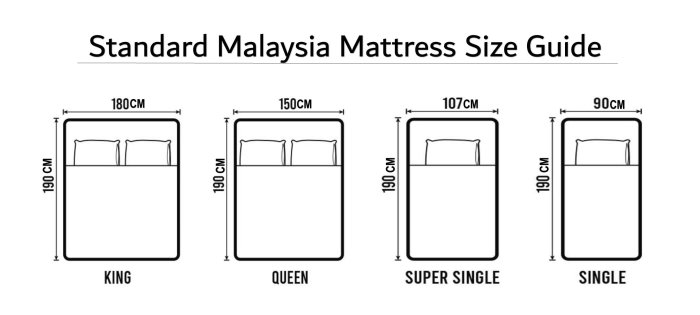
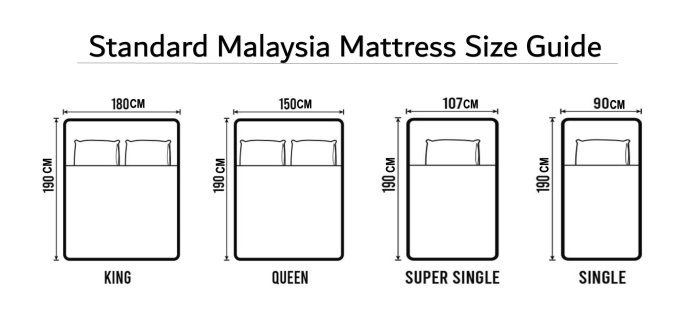
Choosing the right mattress size is crucial for a good night’s sleep. It impacts comfort, support, and even your overall health. A mattress that’s too small or too large can lead to discomfort and poor posture. This section delves into the world of mattress dimensions, helping you select the perfect fit for your needs and bed frame.Understanding mattress dimensions is essential to ensure optimal sleep posture and comfort.
Proper mattress sizing directly correlates with the support your body receives while sleeping. The right size allows for proper spinal alignment, reducing the risk of aches and pains.
Importance of Mattress Size
Proper mattress sizing is vital for comfort and support. A mattress that’s too small can cause pressure points and restrict movement, leading to discomfort. Conversely, a mattress that’s too large can result in uneven support and create gaps, disrupting sleep. The right size is key to a good night’s sleep.
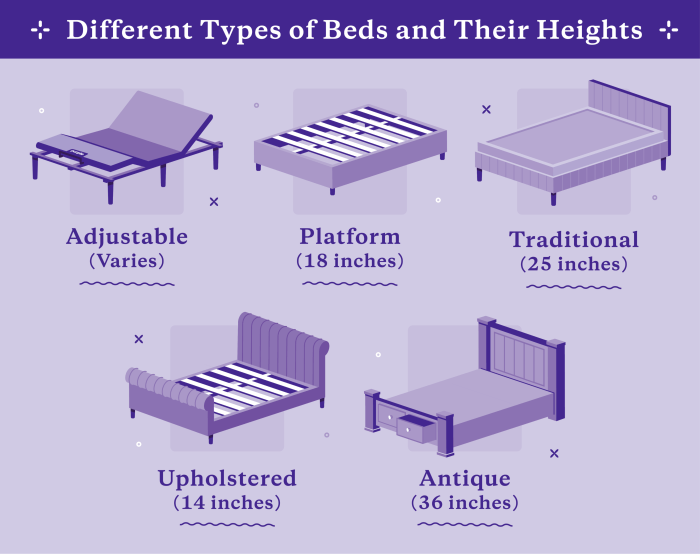
Selecting a Mattress Size Based on Bed Frame
Match your mattress size to your bed frame. A mattress that doesn’t fit properly can cause instability and damage to both the mattress and the frame. For example, a queen-sized mattress will not fit on a twin-sized bed frame. Carefully measure your bed frame’s dimensions before purchasing a mattress.
Significance of Mattress Dimensions for Sleep Posture
Mattress dimensions play a significant role in maintaining proper spinal alignment. A mattress that provides adequate support distributes weight evenly, promoting a neutral spine position. This is essential for preventing back pain and other sleep-related issues. For example, a larger mattress might allow for better spinal alignment for individuals who sleep in a particular posture.
Choosing the right mattress is crucial, and you need to make sure your new bed has these three key things: comfort, support, and durability. While recent events like the SpaceX explosion and NASA’s ongoing work in space exploration, highlighted in this article about spaceX explosion NASA America space future , might seem far removed from mattress shopping, good sleep is just as vital for a productive and healthy life.
Ultimately, prioritizing these three factors will ensure you get the best night’s sleep possible.
Comparison of Different Mattress Sizes
Different mattress sizes cater to varying needs and sleeping arrangements. Twin mattresses are suitable for single sleepers, while king-sized mattresses are designed for couples or individuals who need extra space.
Common Mattress Sizes
The most common mattress sizes available include twin, twin XL, full, queen, king, and California king. These sizes are standard and readily available from most retailers.
Mattress Sizes Table
| Mattress Size | Dimensions (in inches) | Suitability |
|---|---|---|
| Twin | 38″ x 75″ | Single sleepers, guest beds, children’s rooms |
| Twin XL | 38″ x 80″ | Taller individuals, growing children |
| Full | 54″ x 75″ | Couples who prioritize budget-friendliness, smaller spaces |
| Queen | 60″ x 80″ | Couples or individuals who need more space |
| King | 76″ x 80″ | Couples who value extra space, large bedrooms |
| California King | 72″ x 84″ | Couples who need extra length or individuals who want more space |
Budget and Price
Choosing a mattress is a significant investment, and understanding your budget is crucial to making the right decision. A well-defined budget helps you avoid overspending and ensures you’re getting a mattress that aligns with your financial capabilities and desired level of comfort. This section delves into the importance of setting a realistic budget, comparing prices, understanding pricing factors, and exploring budget-friendly options without compromising quality.
Setting a Realistic Budget
Before you start browsing mattress models, establish a clear budget. Consider your financial situation, and determine the maximum amount you’re willing to spend. This pre-defined limit prevents impulsive purchases and helps you focus on mattresses within your price range.
Comparing Prices and Value
Once you’ve set a budget, comparing prices and value across different brands and models becomes paramount. Don’t just focus on the initial price tag; evaluate the features, materials, and overall value proposition. Look for warranties, customer reviews, and return policies. Researching online reviews and reading articles on mattress comparisons will provide invaluable insights.
Factors Influencing Mattress Pricing
Several factors influence the price of a mattress. The quality of materials, the construction techniques, the brand reputation, the added features (like adjustable bases or cooling technologies), and the specific model design all contribute to the final price. Importantly, consider the warranty and customer service aspects that a brand offers, which are not directly reflected in the base price but affect the overall value.
Budget-Friendly Mattress Options
Many brands offer budget-friendly mattresses that provide exceptional value. Look for mattresses with high-quality foams, well-designed support systems, and adequate layers of comfort materials. Don’t be afraid to explore the mid-range options, as they often strike a balance between affordability and performance.
Example of Budget-Friendly Mattress Options
| Brand | Model | Price |
|---|---|---|
| DreamCloud | Classic | $800-$1200 |
| Saatva | Basic | $800-$1200 |
| Purple | Original | $800-$1200 |
Note: Prices are approximate and may vary depending on retailer and promotions.
Correlation Between Price and Quality
A higher price doesn’t always equate to superior quality. However, there’s often a correlation. High-end mattresses frequently use premium materials and advanced construction techniques, leading to better long-term comfort and support. When evaluating a mattress, consider the type of foam used, the number of layers, and the overall design. In some cases, a slightly higher price might lead to a more comfortable and supportive sleep experience in the long run.
Trial and Testing: Mattress Shopping Make Sure Your New Bed Has These 3 Things
Finding the perfect mattress is a deeply personal experience, and no amount of online research can fully replicate the feel of lying on a mattress. This crucial step in your mattress shopping journey allows you to truly experience the support and comfort a mattress offers, ensuring a satisfying sleep experience. Ultimately, trying out various mattresses before committing to a purchase is paramount.
Importance of Trying Out Mattresses
Trying out different mattresses is essential for a personalized experience. No two individuals have the same sleep preferences or body types, meaning what feels perfect for one person might not be ideal for another. Directly experiencing the mattress’s responsiveness to your body weight and pressure points is critical in selecting a mattress that promotes proper spinal alignment and a restful night’s sleep.
This personal touch ensures you avoid potential discomfort or dissatisfaction down the line.
Effective Mattress Testing Methods
Effective mattress testing goes beyond simply lying down. It involves a conscious evaluation of different sleeping positions and pressure points. Try lying on your back, side, and stomach to assess the support and comfort in various postures. Pay close attention to how the mattress responds to your body weight. Consider the level of sinking or firmness, and whether it feels supportive enough for your individual needs.
Don’t be afraid to move around, sit up, and even roll over to experience how the mattress reacts.
Testing Support and Comfort Levels
Evaluating support and comfort involves specific considerations. A mattress that offers adequate support for your spine will help prevent back pain. Look for a mattress that allows your body to sink in just the right amount, avoiding both too much or too little sinking. Observe how your shoulders, hips, and other pressure points feel while lying on the mattress.
A supportive mattress will distribute your weight evenly, preventing pressure points and ensuring proper spinal alignment. A comfortable mattress will allow you to relax and sink into it without feeling too firm or too soft.
Mattress Trial Periods
Many mattress retailers offer trial periods to allow customers to experience the mattress in their own homes. This trial period can vary from a few days to several weeks, giving you a realistic sense of how the mattress performs in your sleep environment. It’s essential to understand the terms and conditions of these trial periods, including return policies and any associated fees.
Some retailers offer in-home trials, allowing you to experience the mattress in your own bed and environment. This allows for a more accurate assessment of its fit and comfort.
Questions to Ask Sales Representatives
Don’t hesitate to ask the sales representative clarifying questions about the mattress. Inquire about the mattress’s specific construction, materials, and support systems. Understanding the details of the mattress’s design will help you make an informed decision. Specific questions can include inquiries about the mattress’s core, the type of foam used, and any certifications or guarantees.
Mattress Testing – Evaluation Table
| Testing Method | Result |
|---|---|
| Lying on back | Support felt even throughout the back. No noticeable pressure points. |
| Lying on side | Hip and shoulder pressure points are well-supported. Minimal rolling off the mattress. |
| Lying on stomach | Firm support, but not overly firm, preventing discomfort. |
| Sitting up and getting out of bed | Easy transition with minimal discomfort. |
| Moving around | Mattress remains stable and supportive without excessive movement. |
Additional Features
Beyond the core elements of support, comfort, and material quality, a wealth of additional features can significantly impact your sleep experience. These features can range from practical enhancements like adjustable bases to innovative technologies designed to optimize comfort and health. Understanding these features allows you to make a more informed decision, ensuring your mattress aligns perfectly with your individual needs and preferences.
Importance of Considering Additional Features
Choosing a mattress isn’t just about finding the right base level of support and comfort; it’s about selecting a product that actively enhances your sleep experience. Additional features can address specific sleep concerns, personal preferences, and even contribute to overall well-being. These features often go beyond the basic comfort and support, offering unique benefits that can significantly improve the quality of your sleep.
Adjustable Bases
Adjustable bases offer significant advantages, providing personalized comfort and support. They allow you to adjust the head and foot positions, potentially alleviating back pain or promoting better breathing patterns. They can be particularly beneficial for individuals with specific health conditions or those who simply prefer customized sleep positions. The enhanced support and flexibility contribute to a more tailored sleep experience.
Cooling Technologies
Heat regulation is crucial for a good night’s sleep. Mattresses with cooling technologies, like gel memory foam or advanced cooling fabrics, help manage body heat, preventing overheating and promoting a more comfortable temperature. This is particularly important for individuals who tend to run warm or live in warmer climates.
Other Enhancing Features
Various other features can enhance your sleep experience. These include features such as:
- Motion Isolation: This feature minimizes disturbance when a partner moves during sleep, promoting uninterrupted sleep for both individuals.
- Edge Support: Provides enhanced support along the mattress’s edges, enabling comfortable sleeping near the sides of the bed without feeling the edge dip.
- Hypoallergenic Materials: These materials help reduce allergic reactions, making the mattress suitable for individuals with allergies or sensitivities.
- Warranty: A strong warranty can demonstrate the manufacturer’s confidence in their product and provide peace of mind in the event of potential issues.

Comparing Mattress Features
The table below illustrates the comparative features of three different mattresses:
| Mattress | Adjustable Base | Cooling Technology | Motion Isolation | Edge Support |
|---|---|---|---|---|
| Mattress A | Yes | Gel Memory Foam | Yes | Excellent |
| Mattress B | No | Cooling Fabric | No | Good |
| Mattress C | Yes | Phase-Change Material | Yes | Excellent |
Impact on Sleep Comfort and Health
The presence of these features directly impacts sleep comfort and health. Adjustable bases and cooling technologies, for example, promote a more personalized and comfortable sleep experience, while motion isolation minimizes disturbance, fostering a more restorative night’s sleep. The choice of features should align with individual preferences and health needs, maximizing the potential benefits of a new mattress.
Mattress Care and Maintenance
A new mattress is a significant investment, and proper care can significantly extend its lifespan and comfort. Ignoring maintenance can lead to premature wear and tear, impacting your sleep quality and the value of your purchase. This section focuses on strategies for maintaining your mattress’s condition, maximizing its lifespan, and ensuring it remains a comfortable sleep sanctuary for years to come.Understanding the importance of consistent maintenance is key to preserving the investment you’ve made.
Regular upkeep prevents the build-up of dust mites, stains, and other issues that can compromise the mattress’s integrity and overall comfort. By following simple guidelines, you can keep your mattress in optimal condition, ensuring many years of restful sleep.
Proper Cleaning Techniques
Regular cleaning is essential for maintaining a healthy and hygienic sleeping environment. Accumulated dust, dirt, and allergens can affect the mattress’s lifespan and your health. A clean mattress promotes a comfortable sleep experience and prevents the growth of mold and mildew.
- Vacuuming: Regularly vacuum the mattress surface, paying close attention to seams and crevices. Use a vacuum cleaner with a soft brush attachment to avoid damaging the mattress’s fabric. This helps remove surface dust, dirt, and debris.
- Spot Cleaning: For spills or stains, blot the affected area immediately with a clean, damp cloth. Avoid scrubbing, as this can spread the stain or damage the mattress’s fabric. For stubborn stains, use a mild, non-abrasive cleaner, following the manufacturer’s instructions. Test the cleaner in an inconspicuous area first to ensure it doesn’t cause discoloration.
- Professional Cleaning: For deep cleaning or for particularly stubborn stains, consider professional cleaning services. These services use specialized equipment and techniques to thoroughly clean the mattress, removing embedded dirt and allergens.
Protecting Your Mattress
Protecting your mattress from everyday wear and tear is crucial for preserving its integrity and longevity. Simple preventative measures can go a long way in extending the life of your investment.
- Mattress Protectors: Investing in a mattress protector is a proactive way to shield the mattress from spills, stains, and dust mites. These protectors create a barrier, preventing direct contact with allergens and fluids.
- Regular Turning and Rotation: Rotating or flipping your mattress regularly helps distribute the wear and tear evenly across the surface. This helps prevent sagging and uneven pressure points, maintaining the mattress’s uniform support.
- Avoiding Excessive Weight on One Area: Avoid placing heavy objects directly on the mattress. Distribute weight evenly to prevent localized sagging and premature wear.
Maintenance Schedule
A structured maintenance schedule ensures consistent care for your mattress. Consistent care significantly extends the mattress’s lifespan and its ability to provide optimal support and comfort.
| Maintenance Task | Frequency |
|---|---|
| Vacuuming | Weekly |
| Spot Cleaning (as needed) | As required |
| Mattress Rotation | Every 3 months |
| Professional Cleaning | Every 1-2 years |
Effects of Proper Care
Proper mattress care directly impacts its lifespan. A well-maintained mattress will retain its shape, support, and comfort for a longer period. Regular cleaning and protection minimize the accumulation of dust mites, allergens, and stains, preserving the mattress’s hygienic condition. Consistent care reduces the need for premature replacements, saving you money in the long run. A properly maintained mattress often lasts for 8-10 years, potentially longer depending on the type of mattress and usage.
Conclusion
Ultimately, mattress shopping is a personalized journey. By carefully considering support, materials, and size, you can find a mattress that perfectly suits your needs and preferences. Remember to prioritize your comfort, test different options, and set a realistic budget. This comprehensive guide provides the knowledge you need to make the right choice for a good night’s sleep.
Happy shopping!