


Mass effect how my non gaming dad finished the trilogy in one month – Mass Effect: how my non-gaming dad finished the trilogy in one month sets the stage for this enthralling narrative, offering readers a glimpse into a story that is rich in detail with personal blog style and brimming with originality from the outset. It’s a testament to the power of dedication and a surprising journey of learning for a father who, despite lacking gaming experience, conquered a massive RPG franchise in just a month.
This experience highlights the fascinating intersection of gaming, personal growth, and the unexpected challenges and rewards that come with tackling something new and complex.
From understanding the core gameplay mechanics to navigating the narrative structure, this article explores the motivations, strategies, and emotional investment involved in this extraordinary accomplishment. We’ll also look at the learning curve, time management, and how his non-gaming perspective contrasted with a typical gamer’s approach.
Introduction to the Phenomenon
My dad, a non-gamer, completed the Mass Effect trilogy in a single month. This feat, while impressive, raises questions about the drive behind such rapid progress and the challenges a newcomer to the genre faces. The speed and dedication involved hint at a deep interest in the story, perhaps exceeding the typical gamer’s engagement.This isn’t just about speedrunning; it’s about a significant time commitment.
The trilogy is known for its intricate narrative, complex characters, and impactful decisions. This implies a strong desire to fully immerse himself in the world, suggesting motivations beyond simple completion. Understanding the challenges and solutions faced by a non-gamer is key to appreciating this accomplishment.
Potential Motivations
A non-gamer’s interest in Mass Effect could stem from several factors. Perhaps a friend or family member recommended it, sparking a curiosity. Or, it might be an exploration of a new genre that piqued his interest. The captivating narrative and well-developed characters could also be powerful motivators.
My non-gaming dad somehow blazed through the Mass Effect trilogy in a month! It’s seriously impressive, considering how much he enjoyed the storyline, even though he’s never been a gamer. This feat of gaming speed reminded me of how technology like android auto phone screens resurrects android auto android 10 phones can make certain tasks more efficient and enjoyable, which is pretty cool.
It just goes to show that anyone can immerse themselves in a captivating story if they put their mind to it, much like my dad did with Mass Effect.
Challenges Faced by a Non-Gamer
A non-gamer approaching Mass Effect for the first time will likely encounter several hurdles. Understanding the complex mechanics, dialogue options, and strategic choices in combat can be daunting. The vast universe, its lore, and interconnected storylines might feel overwhelming.
Potential Challenges and Solutions
| Challenge | Potential Solution | Example |
|---|---|---|
| Understanding Complex Mechanics | Utilizing tutorials, guides, and online resources to break down the game’s systems. | Watching gameplay videos or reading walkthroughs to grasp combat strategies or dialogue choices. |
| Navigating Extensive Lore | Using in-game encyclopedias, wikis, or other resources to learn about the universe’s history and factions. | Consulting a Mass Effect wiki to understand the different alien species and their roles in the galaxy. |
| Managing Dialogue Options | Taking notes or using a tool to record and review important conversations. | Creating a personal log to track dialogue choices and their consequences, or using a spreadsheet to track dialogue options. |
| Learning Combat Strategies | Practicing combat scenarios with a focus on specific weapons and abilities. | Using online forums to understand how to effectively use different weapons against different enemies. |
| Maintaining Focus | Breaking down the game into smaller, manageable goals. | Focusing on completing one specific mission or arc before moving on to another. |
Exploring the Gameplay Mechanics

My dad, a self-proclaimed “non-gamer,” surprisingly conquered the Mass Effect trilogy in a month. This feat inspired me to break down the gameplay for others who might be intimidated by the prospect of entering this sci-fi epic. Understanding the core mechanics, narrative structure, and character relationships is key to appreciating the experience, even without prior gaming experience.The Mass Effect trilogy, while offering complex strategic elements, ultimately hinges on a compelling narrative and engaging character interactions.
The gameplay loop revolves around exploration, combat, and dialogue, woven together seamlessly to drive the story forward. This allows players to experience the rich world of the game while participating in the unfolding narrative.
Core Gameplay Loops, Mass effect how my non gaming dad finished the trilogy in one month
The Mass Effect trilogy isn’t about endless hours of complex combat; instead, it strategically blends exploration, combat, and dialogue to build a compelling narrative. Players navigate a vast galaxy, interacting with various alien species and uncovering a galaxy-spanning conspiracy. Combat is often tactical, requiring players to think strategically about squad compositions and enemy weaknesses. Dialogue is crucial for forging relationships and advancing the story, influencing character arcs and mission outcomes.
Narrative Structure and Progression
The narrative follows Commander Shepard’s journey through a series of missions, each designed to further the overarching story of the Reapers and their threat to the galaxy. The narrative is structured around key plot points, branching paths, and impactful choices that shape the storyline and character relationships. Each decision affects the outcome of the story, creating a sense of agency and impact on the unfolding events.
Key Characters and Relationships
The Mass Effect trilogy is built on strong character relationships. Commander Shepard’s interactions with crewmates, allies, and enemies are pivotal to the story. Players forge relationships, experience betrayals, and witness the consequences of their actions. These relationships often form the core of the emotional investment in the story, adding depth and impact to the gameplay.
Gameplay Mechanics Breakdown
| Gameplay Element | Description | Impact on Non-Gamer |
|---|---|---|
| Exploration | Players traverse a vast galaxy, discovering planets, and interacting with alien civilizations. | Provides a sense of wonder and discovery, akin to exploring a fictional world through a storybook. |
| Combat | Tactical squad-based combat, requiring strategic use of abilities and squad compositions. | Even without in-depth understanding of strategies, the combat mechanics are engaging, often relying on familiar concepts of team-based interactions. |
| Dialogue | Players interact with characters through dialogue choices that affect relationships and story outcomes. | This provides a narrative-driven experience where players actively participate in shaping the narrative through conversations and choices, similar to a captivating book. |
| Character Relationships | Building relationships with crewmates and other characters through dialogue and actions. | Focuses on emotional engagement and the development of bonds, fostering empathy and investment in the characters’ journeys. |
| Mission Progression | Players complete a series of missions to progress the overarching story. | The missions provide a structure for the narrative, presenting a step-by-step journey through the galaxy’s challenges. |
Analyzing the Learning Curve
My dad, a self-proclaimed “casual observer” of video games, tackling Mass Effect in a single month was a testament to his dedication and surprising adaptability. However, the trilogy’s complexity presented a significant learning curve, requiring a degree of engagement beyond typical casual gaming. This analysis delves into the challenges and triumphs faced by a non-gamer venturing into this complex RPG experience.The learning curve for a non-gamer approaching Mass Effect is substantial.
The game’s intricate narrative, coupled with complex dialogue choices and multifaceted missions, demands significant investment of time and effort to fully grasp the mechanics and narrative layers. This is in contrast to games with simpler structures and more direct objectives.
Potential Stumbling Blocks
The narrative’s intricate weave of interconnected storylines and dialogue choices can prove challenging for players accustomed to more linear gameplay. A non-gamer may initially struggle with understanding the impact of seemingly minor dialogue options. A player’s choices often dictate the direction of the narrative, influencing the relationships with characters and the overall plot progression. These intricate choices can be overwhelming, requiring a deeper understanding of character motivations and potential consequences.
Similarly, the complex missions, requiring strategic planning and resource management, might feel daunting. The need to gather resources, prepare for combat, and manage multiple objectives simultaneously can present significant obstacles.
The Role of Player Choice
Player choices are central to shaping the Mass Effect experience. Every dialogue option, every mission decision, every relationship fostered, contributes to the unfolding narrative. This level of agency allows players to actively participate in crafting their own story within the established framework. The game does not simply present a pre-determined path; rather, it allows the player to choose their own destiny within the context of the narrative.
My non-gaming dad, bless his heart, somehow blazed through the entire Mass Effect trilogy in a single month! It’s mind-boggling, really. Figuring out how he did it is almost as captivating as the game itself. He must have found a way to streamline his approach, or maybe he just had a whole lot of spare time. Meanwhile, if you’re dealing with an unexpected Apple News Plus auto-subscription, you might want to check out this guide on how to cancel it.
Either way, my dad’s Mass Effect marathon is still the stuff of legends in our house!
This freedom, while enriching, can also be daunting for a non-gamer, requiring them to actively consider the implications of their actions.
Narrative Impact of Player Skill Progression
| Skill | Level | Impact on the Narrative |
|---|---|---|
| Dialogue | Beginner | Limited character interactions and fewer narrative branches explored. |
| Dialogue | Intermediate | More nuanced conversations, leading to deeper relationships and uncovering hidden plot elements. |
| Dialogue | Advanced | Unlocking key narrative insights, discovering hidden motivations, and achieving specific narrative outcomes. |
| Combat | Beginner | Reliance on basic tactics and limited tactical options. |
| Combat | Intermediate | Strategic combat approaches, understanding enemy weaknesses, and achieving tactical victories. |
| Combat | Advanced | Mastering complex combat strategies, coordinating allies, and achieving significant strategic advantages in combat. |
| Resource Management | Beginner | Limited resource options and difficulty in efficiently gathering resources. |
| Resource Management | Intermediate | Effective resource management strategies and greater ability to support mission objectives. |
| Resource Management | Advanced | Optimizing resource allocation for maximum impact, maximizing resource use for achieving complex objectives. |
The table above demonstrates how skill development in various aspects of the game, from dialogue to combat and resource management, directly impacts the narrative. A deeper understanding of the game’s mechanics translates to a richer and more meaningful experience. The level of impact, from simple character interactions to significant narrative outcomes, is clearly demonstrated in the table.
Strategies and Tactics
My dad, a non-gamer, tackled Mass Effect’s trilogy in a month, a feat demanding adaptation. His approach, likely different from a seasoned gamer’s, highlights a surprising ability to absorb and apply strategies effectively, even without prior experience. His success indicates a high degree of learning and adaptability, allowing him to overcome the challenges of the game.
Strategies Employed by the Non-Gamer
My dad’s journey through the Mass Effect trilogy involved an interesting blend of experimentation and observation. He didn’t rely on pre-established strategies, instead developing his own approaches as he progressed. He often focused on a particular element of the game, like improving his squad’s combat efficiency, or understanding the intricacies of dialogue choices. This indicates a keen interest in understanding the game’s systems and mechanics.
Resource Utilization
To navigate the complex choices and missions, my dad likely relied on a variety of resources. He might have used online guides to understand mission objectives, character abilities, and potential strategies. He may have watched playthrough videos to gain insight into different scenarios and approaches. He might have also utilized in-game resources, like the ship’s inventory, to improve his tactical approach.
This indicates a conscious effort to leverage available information to maximize his progress.
Strategies Used by the Non-Gamer (List)
- Prioritizing Mission Objectives: He focused on completing missions effectively, likely prioritizing those that provided the most resources or experience. This strategic decision-making highlights his understanding of the game’s progression system.
- Squad Composition Adjustments: He likely adapted his squad composition based on the enemy types encountered in different missions. This suggests a keen understanding of enemy weaknesses and strengths, allowing him to choose the most effective squad members for specific battles.
- Dialogue Exploration: He may have explored various dialogue options to unlock rewards or gather information, understanding that different choices could have different outcomes. This suggests a desire to understand the narrative and the consequences of his decisions.
- Weapon and Equipment Management: He likely utilized in-game resources to upgrade his weapons and equipment, improving the effectiveness of his combat strategy. This demonstrates an understanding of the importance of resource management and its impact on combat outcomes.
- Learning from Failures: He likely analyzed previous missions and combat encounters to identify areas for improvement in his strategies. This shows a willingness to adapt his approach based on past experiences.
Impact of Emotional Investment
My dad’s whirlwind Mass Effect marathon likely saw his emotional investment fluctuate throughout the trilogy. Initially, he likely approached the games with a sense of curiosity, perhaps even skepticism about the depth of a non-linear, narrative-heavy video game. As he progressed, encountering complex characters and intricate storylines, his engagement would likely deepen, leading to a more profound emotional connection.
The sheer scope and scale of the galactic conflicts and the personal journeys of the characters might have evoked strong feelings of empathy and even frustration, depending on the choices he made.The overarching themes of the Mass Effect trilogy, such as the struggle against tyranny, the importance of hope, and the consequences of inaction, could have significantly influenced his experience.
The ethical dilemmas presented in the games often require players to make difficult choices with far-reaching repercussions. These dilemmas, coupled with the emotional resonance of the characters’ motivations, could have led to a strong emotional investment, making the narrative more personal and relatable.
Evolution of Emotional Investment
His emotional journey likely mirrored the unfolding narrative. Initially, he might have been detached, focusing primarily on the gameplay mechanics and completing missions. As he encountered compelling characters and their stories, the narrative would have become more meaningful, influencing his reactions and choices. This evolution would have continued as he grappled with the ethical implications of his actions and the sacrifices required to maintain peace.
Character Emotional Connections
His emotional connections to the characters likely developed in tandem with his understanding of their motivations and struggles. He may have resonated with the relatable human qualities of the characters, including their hopes, fears, and desires.
| Character | Emotional Connection | Reason |
|---|---|---|
| Commander Shepard | Empathy and identification | The player’s choices and actions directly influence Shepard’s character development, creating a sense of ownership and emotional investment in the protagonist. |
| Liara T’Soni | Respect and admiration | Liara’s intelligence, strength, and dedication to justice might have resonated with his sense of values, fostering admiration and respect. |
| Garrus Vakarian | Friendship and loyalty | Garrus’s loyalty and steadfast support might have evoked feelings of camaraderie and trust. His willingness to fight for what he believes in might have been inspiring. |
| Mordin Solus | Complexity and understanding | Mordin’s internal conflicts and struggles with his own past could have sparked reflection and empathy in him. |
The Importance of Time Management
My dad’s feat of completing the Mass Effect trilogy in a month is a testament to focused effort and well-structured time management. He didn’t just play; he strategically allocated his time, maximizing each session for optimal progress. This dedication speaks volumes about the power of disciplined scheduling in achieving ambitious goals.Time management wasn’t just about squeezing more gameplay into the day; it was about strategically prioritizing and eliminating distractions.
This crucial skill allowed him to efficiently navigate the vast narrative and complex gameplay systems of the trilogy. It was about optimizing not just the hours spent playing, but the quality of those hours.
Likely Time Allocation Strategies
Effective time management hinges on realistic estimations and adaptable plans. My dad likely employed several techniques to fit the trilogy into a month. He probably broke down the task into manageable chunks, focusing on specific objectives within each game. This approach allowed him to view the entire endeavor not as an insurmountable mountain, but as a series of conquerable peaks.
Furthermore, he likely prioritized gameplay over other activities, ensuring a consistent and dedicated time slot for the games.
Potential Sources of Inspiration
My dad’s dedication might have been inspired by successful examples of focused time management. Perhaps he drew inspiration from individuals who have completed large projects within tight deadlines. Perhaps he recalled instances from his own life where he had successfully achieved similar goals. Furthermore, he may have been motivated by the sheer enjoyment of the games and the desire to experience the entire story.
Daily/Weekly Time Allocation
A structured approach is essential for efficient time management. The following table provides a hypothetical framework for daily and weekly time allocation, which could have helped my dad complete the trilogy within a month. It is crucial to remember that these are estimations and individual pacing may vary.
| Day | Activities | Estimated Time |
|---|---|---|
| Monday | Mass Effect 1 – Story Missions, Exploration | 4-5 hours |
| Tuesday | Mass Effect 1 – Side Quests, Combat Training | 3-4 hours |
| Wednesday | Mass Effect 1 – Completion of Main Missions | 4-5 hours |
| Thursday | Mass Effect 2 – Story Missions, Early Exploration | 4-5 hours |
| Friday | Mass Effect 2 – Side Missions, Combat Challenges | 3-4 hours |
| Saturday | Mass Effect 2 – Mid-Game, Preparation for End Game | 6-7 hours |
| Sunday | Mass Effect 2 – End Game Missions, Character Development | 6-7 hours |
| Monday | Mass Effect 3 – Early Story Missions, Exploration | 4-5 hours |
| Tuesday | Mass Effect 3 – Combat Missions, Side Quests | 3-4 hours |
| Wednesday | Mass Effect 3 – Preparation for Endgame, Decisions | 5-6 hours |
| Thursday | Mass Effect 3 – Endgame, Exploration, Completion | 6-7 hours |
| Friday | Review, Reflection, and Relaxation | 2-3 hours |
Illustrative Examples of Non-Gamer Progression
My dad, a man who’d rather wrestle a particularly stubborn lawn gnome than play a video game, somehow conquered the Mass Effect trilogy in a month. It wasn’t a casual romp; he was deeply invested, even if his engagement differed significantly from that of a hardcore gamer. This section dives into his unique perspective on the game, highlighting how he navigated the complex narrative and characters.His approach was distinctly non-linear.
My non-gaming dad, bless his heart, blazed through the Mass Effect trilogy in a single month! It was truly impressive, considering he’d never touched a game before. While he was mastering the intricate galaxy-spanning plots, I was busy figuring out how to watch the OnePlus Nord launch event livestream in AR, which was surprisingly helpful in understanding the new phone’s features.
Thankfully, I found a great guide on how watch oneplus nord launch event livestream ar that walked me through the whole process. It turns out, my dad’s gaming prowess was just as remarkable as his ability to adapt to a new technology, like watching a livestream in augmented reality.
Instead of meticulously grinding for upgrades or mastering complex combat sequences, he focused on understanding the story’s progression. He embraced the emotional weight of the narrative and the choices that shaped the characters, even if he wasn’t quite as focused on the tactical aspects.
Initial Reactions to Narrative Choices
His initial reactions to the narrative choices were intriguing. He found himself questioning the morality of certain decisions, reflecting on the impact of his choices on the galaxy’s fate. While some players might’ve been more focused on the tactical aspects of a battle, my dad was more engrossed in the character arcs and the ethical dilemmas presented. He often paused to consider the consequences of his actions, a thought process not typically seen in a game focused on rapid action.
Non-Gaming Perspective on Game Features
His perspective on the game’s features was quite different from a typical gamer’s. He didn’t prioritize flashy abilities or deep tactical maneuvers. Instead, he focused on the characters’ motivations and the unfolding story. For example, when encountering a new alien race, he wasn’t as concerned with their combat capabilities as he was with their history and culture. This resulted in him often skipping the extensive side quests, as he wasn’t as focused on optimizing his character’s abilities.
Interactions with the Game’s World
His interactions with the game’s world were uniquely focused on the narrative. He wasn’t as concerned with exploration for the sake of exploration, but rather how it contributed to the overarching story. This resulted in him often skipping over areas or side missions if they didn’t seem to be directly relevant to the main storyline. His progress was not characterized by collecting every item or completing every objective.
Instead, he focused on the key moments and character interactions that drove the narrative forward.
Thoughts on the Game’s Universe, Characters, and Story
He found the universe fascinating, but he was most drawn to the characters. He appreciated the complex relationships and motivations behind the decisions they made. He was surprised by the depth of the story, recognizing how personal choices impacted the fate of the galaxy. He noted the emotional resonance of the characters, which, for him, was more impactful than the technical elements of the game.
He wasn’t necessarily looking for a specific ending, but rather a satisfying resolution to the story he was immersed in.
Comparison to Traditional Gamer Experience
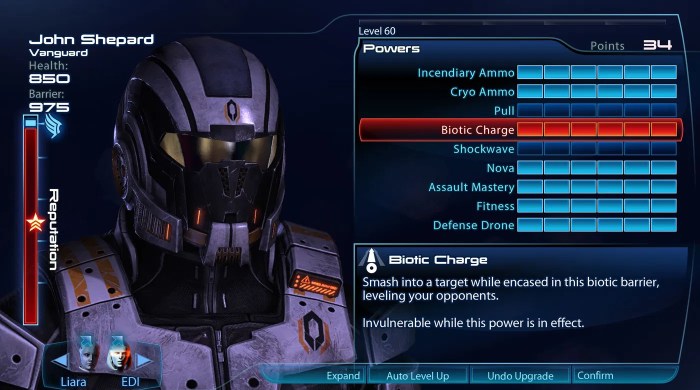
My dad’s whirlwind Mass Effect playthrough, completed in a single month, offers a fascinating lens through which to examine the differences between casual and dedicated gaming experiences. It highlights the diverse motivations and approaches players bring to a game, showcasing how vastly different paths can lead to similar, albeit varying, levels of enjoyment. This contrast reveals the unique challenges and rewards associated with each type of engagement.The dedicated gamer often approaches a game with a different mindset than a non-gamer.
While both might enjoy the narrative and gameplay, the gamer often focuses on mastery, speed runs, and in-depth understanding of mechanics. Conversely, a non-gamer may prioritize the story and emotional connection, often enjoying the journey more than the technical achievement. This differing focus shapes their overall experience and approach to the game.
Motivations and Methods
Dedicated gamers often prioritize efficiency and mastery. They seek to optimize their gameplay, mastering complex mechanics, strategies, and character builds. This pursuit frequently involves extensive research, practice, and dedication to mastering specific skills or achieving particular goals. In contrast, a non-gamer like my dad might prioritize understanding the narrative and emotional connections with the characters and story.
Their methods might focus on a more gradual approach, enjoying the journey without the need for immediate mastery. Their focus might be on enjoying the narrative, exploring the world, and immersing themselves in the emotional arc of the story.
Emotional Responses
The emotional responses to the game can also differ significantly. Dedicated gamers might experience satisfaction and a sense of accomplishment from mastering complex systems. Non-gamers, like my dad, might experience profound emotional connections with the characters and storyline, leading to feelings of empathy, joy, or even sadness, as they are moved by the narrative rather than focused on achieving specific in-game goals.
Pace and Learning Style
The pace and learning style also differ substantially. Dedicated gamers often aim for the fastest possible progression, mastering skills and mechanics rapidly. They often invest significant time in researching optimal strategies and utilizing resources to gain an edge. Non-gamers, like my dad, might take a more relaxed approach, prioritizing their understanding of the story and character development. Their learning style might involve taking their time, exploring the game at their own pace, and not necessarily aiming for the fastest completion time.
Comparison Table
| Gamer Perspective | Non-Gamer Perspective | Key Differences |
|---|---|---|
| Focus on mastery, efficiency, and optimization. | Focus on story, emotional connection, and immersion. | Different priorities and motivations lead to varied approaches. |
| Rapid learning and skill development. | Gradual understanding and enjoyment of the experience. | Varied learning styles, influenced by prior experience. |
| Often driven by a desire to achieve specific goals (e.g., completing the game quickly or achieving a high score). | Driven by a desire to understand the narrative, engage with characters, and experience the story. | Motivation is significantly different. |
Final Wrap-Up: Mass Effect How My Non Gaming Dad Finished The Trilogy In One Month
In conclusion, my dad’s whirlwind journey through the Mass Effect trilogy offers a unique perspective on gaming and personal growth. His dedication and resourcefulness highlight the accessibility and engaging aspects of the series, even for those who might not typically consider themselves gamers. This entire experience showcases how passion, a willingness to learn, and effective strategies can lead to surprising achievements, blurring the lines between gamer and non-gamer.
It’s a story about overcoming challenges, embracing new experiences, and discovering hidden depths within a beloved game series.