


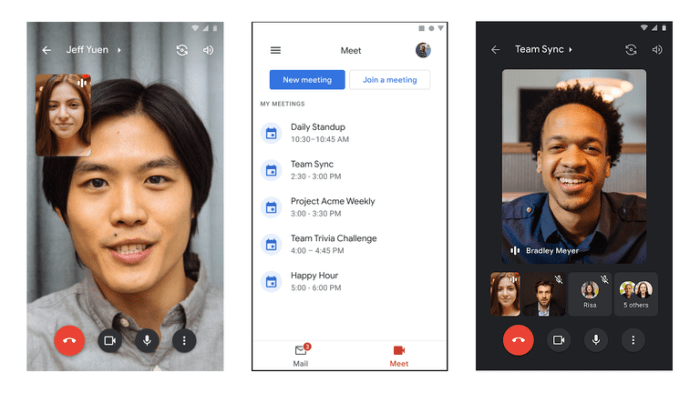
Google meet gmail videoconferencing how to zoom – Google Meet, Gmail, and Zoom videoconferencing: how to navigate the world of virtual meetings. This guide will walk you through setting up, using, and integrating these popular platforms, ensuring smooth video calls for any occasion. From basic setups to advanced features, we’ll cover everything you need to know, comparing each platform’s strengths and weaknesses.
We’ll explore the fundamental functionalities shared by these platforms, delving into creating and joining meetings, sharing screens, managing participants, and recording sessions. We’ll look at how Gmail integrates with Google Meet for scheduling and invitations, as well as the features of Zoom, from interactive sessions to participant management. The guide concludes with a comparison of security protocols, pricing models, and factors to consider when choosing the right platform for your needs.
Introduction to Video Conferencing Tools
Video conferencing has revolutionized communication, enabling real-time interaction across geographical boundaries. Platforms like Google Meet, Gmail’s built-in video conferencing, and Zoom have become indispensable tools for businesses, education, and personal connections. This introduction explores the core functionalities, histories, and user experiences of these popular platforms.
Overview of Video Conferencing Platforms
These platforms share fundamental functionalities, allowing users to communicate visually and aurally with multiple participants. Key features include video and audio streaming, screen sharing, chat functionality, and the ability to host meetings. These features streamline collaboration and information exchange, making remote work and learning more effective.
Comparison of Key Features
Different platforms offer varying features and functionalities. A comparative analysis is presented below:
| Feature | Google Meet | Gmail Video Conferencing | Zoom |
|---|---|---|---|
| Video Quality | Generally high-quality video, often depending on internet connection | Video quality varies based on internet connection; often sufficient for casual use | High-quality video, with options for various settings |
| Screen Sharing | Supports screen sharing, often with annotations | Limited screen sharing capabilities, usually for basic demonstrations | Extensive screen sharing options, including annotation and whiteboard features |
| Meeting Management | Robust meeting management features, including scheduling and recording | Limited meeting management tools; primarily for simple calls | Extensive meeting management options, including breakout rooms, polls, and recording |
| Integrations | Integrates well with other Google Workspace tools | Integrates with other Gmail features | Integrates with a broad range of applications and services |
History of Video Conferencing Technology
The history of video conferencing dates back to the late 20th century, with early systems being expensive and limited to specialized businesses. Significant advancements in technology, including improved internet bandwidth and more sophisticated software, have made video conferencing accessible to a wider audience. Early pioneers laid the groundwork for the seamless real-time communication we experience today. The rise of the internet and advancements in computer processing power have been instrumental in this evolution.
User Experience Comparison
The user experience of these platforms differs slightly. Google Meet, often integrated with other Google Workspace tools, offers a streamlined experience for those already using Google services. Gmail’s video conferencing is often straightforward for simple interactions, while Zoom’s features often appeal to users requiring extensive meeting tools. The user interface and available features directly impact the user experience.
A user’s familiarity with the platform also influences their overall experience.
Google Meet
Google Meet has become a ubiquitous tool for video conferencing, offering a seamless and user-friendly experience for both casual and professional communication. Its integration with other Google Workspace applications makes it a powerful platform for collaboration, and its accessibility across various devices enhances its utility. This section delves into the practical aspects of setting up and utilizing Google Meet.
Creating and Joining a Google Meet Session, Google meet gmail videoconferencing how to zoom
To initiate a Google Meet session, navigate to the Google Meet website or app. You can either schedule a meeting in advance or create one spontaneously. Pre-scheduled meetings allow participants to receive reminders and join promptly. To join an existing meeting, use the meeting link or the unique meeting code provided by the host. This method is convenient for attending pre-planned gatherings.
Sharing Your Screen and Presenting Content
Sharing your screen during a Google Meet call enables you to present documents, presentations, or other relevant content. This enhances engagement and clarity during the meeting. To initiate screen sharing, locate the appropriate button within the Google Meet interface. Different types of screen sharing can be selected depending on the content you need to display.
Using Google Meet’s Collaboration Features
Google Meet offers several features to foster collaboration among participants. Annotation tools allow for highlighting and adding notes directly to shared documents or presentations. Real-time collaboration features, such as shared document editing, enable concurrent work on files. These features facilitate seamless teamwork and knowledge sharing.
Figuring out Google Meet, Gmail video conferencing, and how to zoom in on presentations can be tricky. But while you’re mastering those tech skills, remember these three crucial rules for buying wireless chargers this Black Friday: three rules buying wireless chargers black friday. Focus on compatibility, power output, and safety features, and you’ll be well-equipped for seamless video calls and charging sessions.
Ultimately, knowing how to use those tech tools for video conferencing will make your work flow smoother.
Managing Participants and Controlling the Meeting
The host of a Google Meet session has control over the meeting’s progress and participant interaction. Features like muting and unmuting participants, as well as managing their video presence, help maintain order and focus. These controls allow the host to ensure a productive and respectful meeting environment. The host can also remove participants if needed.
Recording a Google Meet Session
Google Meet allows the recording of sessions, enabling the capture of crucial information or for later review. Recording can be initiated by the host, and the recording can be downloaded or shared for later access. The host needs to enable recording in the meeting settings to record the session.
Setting Up Google Meet for Different Devices
The setup process for Google Meet varies slightly depending on the device. Here’s a step-by-step guide for setting up Google Meet on different devices.
Desktop Setup
| Step | Action |
|---|---|
| 1 | Open a web browser and navigate to meet.google.com. |
| 2 | Sign in with your Google account. |
| 3 | Click on “Join or start a meeting.” |
| 4 | Enter the meeting ID or link. |
Mobile Setup
| Step | Action |
|---|---|
| 1 | Download the Google Meet mobile app from the app store. |
| 2 | Open the app and sign in with your Google account. |
| 3 | Tap on “Join or start a meeting.” |
| 4 | Enter the meeting ID or link. |
Gmail and Video Conferencing Integration

Gmail seamlessly integrates with Google Meet, making scheduling and initiating video calls a breeze. This integration streamlines the process, allowing users to manage their video conferencing needs directly within their familiar Gmail environment. It eliminates the need to navigate to separate platforms for scheduling, and simplifies the entire experience for both individual users and teams.
Scheduling Google Meet Calls via Gmail
Gmail’s calendar integration provides a user-friendly interface for scheduling Google Meet video conferences. This integration allows users to create and manage their meeting schedules without leaving their Gmail inbox. This feature makes scheduling meetings more efficient and reduces the chance of scheduling conflicts.
Sending Meeting Invitations via Gmail
Sending meeting invitations via Gmail is straightforward. When scheduling a Google Meet meeting through Gmail’s calendar, the system automatically generates an invitation email. This email contains all the necessary details for attendees, including the meeting time, date, topic, and the meeting link. Attendees can easily accept or decline the invitation, ensuring they are aware of the upcoming video conference.
Utilizing Gmail’s Calendar Integration for Scheduling Video Conferences
Gmail’s calendar offers a powerful tool for scheduling video conferences. The calendar interface allows users to specify the meeting duration, time zone, and participants. This detailed configuration ensures that the meeting is well-organized and that all attendees are aware of the meeting’s specifics. The integration between Gmail and Google Meet provides a unified platform for managing and scheduling video conferences.
Inviting Attendees to Google Meet from Within Gmail
Adding attendees to a Google Meet meeting from within Gmail is straightforward. The invitation email generated during the scheduling process allows you to add or remove attendees directly within the invitation. This feature provides a streamlined approach to managing participant lists.
Sharing the Meeting Link from Gmail
The meeting link is automatically included in the invitation email sent from Gmail. The link can be easily copied and shared with other individuals, enabling effortless access to the video conference. The direct link integration simplifies the process of distributing the meeting details to attendees.
Zoom
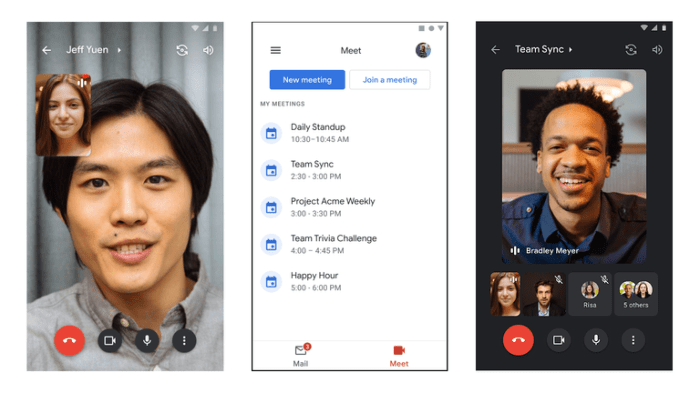
Zoom is a widely used video conferencing platform known for its ease of use and robust features. It’s a popular choice for both personal and professional communication, offering options for meetings, webinars, and virtual classrooms. Understanding how to navigate Zoom’s functionalities can significantly enhance your online interactions.Zoom’s interface is intuitive, making it relatively easy to create and join meetings.
The platform provides a variety of features, including screen sharing, interactive tools, and meeting recording, enabling engaging and productive virtual sessions.
Creating and Joining a Zoom Meeting
To initiate a meeting, you need to create an account. Once logged in, you can schedule meetings with specific dates and times. Zoom allows you to set recurring meetings for consistent communication. Joining a scheduled meeting requires the meeting ID and password, which are typically sent to participants.
Sharing Your Screen and Presenting
Sharing your screen is a crucial aspect of Zoom meetings, enabling you to present documents, presentations, or demonstrate applications. To share your screen, navigate to the appropriate button in the Zoom toolbar, and choose the specific application or window you wish to share. This feature allows for interactive presentations and demonstrations, enhancing the overall meeting experience.
Interactive Session Features
Zoom offers several interactive features to enhance engagement. These include polls, Q&A sessions, and breakout rooms. Polls can gather feedback from participants, Q&A facilitates direct interaction, and breakout rooms enable smaller group discussions. These tools encourage participation and ensure everyone feels heard and included.
Managing Participants and Controlling the Meeting
Zoom provides tools for managing participants during the meeting. These tools include the ability to mute or unmute participants, start or stop recording, and control the meeting flow. This ensures a smooth and focused meeting experience for everyone.
Recording a Zoom Meeting
Zoom allows for recording meetings for future reference. The recording process typically begins automatically when the meeting host initiates it. After the meeting, recordings can be accessed and shared with participants. The ability to record meetings is invaluable for capturing key insights, discussions, and presentations.
Zoom vs. Google Meet
| Feature | Zoom | Google Meet |
|---|---|---|
| Meeting Duration | Generally allows longer meetings than Google Meet. | Free meetings often have time limits. |
| Screen Sharing | Comprehensive screen sharing options, including specific applications. | Screen sharing functionality is present. |
| Interactive Tools | Offers polls, Q&A, breakout rooms, and more. | Includes polls and chat, but breakout rooms may be less robust. |
| Meeting Recording | Offers robust recording features, including options for sharing. | Provides recording options but features might be less extensive. |
| Integration with other tools | Strong integration with various other platforms. | Good integration with Google Workspace tools. |
This table highlights key differences between Zoom and Google Meet. The choice between these platforms often depends on specific needs and priorities. Consider the features offered and the platform’s integration capabilities to determine which is the best fit.
Security and Privacy Considerations
Video conferencing tools have become indispensable for communication and collaboration, but their use necessitates a strong focus on security and privacy. Protecting sensitive information and preventing unauthorized access is paramount, especially when dealing with confidential data or engaging in business-critical discussions. Implementing robust security measures ensures a safe and reliable platform for all participants.Security protocols and best practices for video conferencing are crucial for maintaining the confidentiality and integrity of information shared during calls.
Maintaining privacy during video calls and protecting personal data are fundamental aspects of responsible use. Understanding and implementing these measures safeguards against potential threats and builds trust among participants.
Figuring out Google Meet, Gmail video conferencing, and how to zoom in on things can be tricky, but it’s worth it! You might want to store all your video conference recordings, and now there’s a massive hard drive solution: the Western Digital 15TB hard drive, the biggest ever! This monster of a drive could be perfect for backing up all your meetings.
Thankfully, Google Meet and Gmail video conferencing are getting easier, so you can focus on the content, not the tech.
Security Protocols and Best Practices
Robust security protocols are essential for video conferencing platforms. These protocols typically include encryption, access controls, and audit trails. Implementing strong passwords and multi-factor authentication adds an extra layer of protection against unauthorized access. Regularly updating software and applications to patch security vulnerabilities is critical to maintain a secure environment. Implementing a clear and concise security policy within the organization is vital for effective implementation and adherence.
Maintaining Privacy During Video Calls
Maintaining privacy during video calls is critical for individuals and organizations. Avoid sharing sensitive information in open or public forums. Ensure that the meeting environment is secure and that only authorized individuals are present. Respecting the privacy of others by refraining from recording or distributing video calls without explicit consent is crucial.
Protecting Personal Data During Video Conferences
Protecting personal data during video conferences requires careful attention to the data being shared and the tools used. Avoid sharing sensitive information in the meeting. Use end-to-end encrypted platforms when possible. Be mindful of the background and surroundings during calls, ensuring no sensitive information is visible. Familiarize yourself with the platform’s data handling policies and practices.
Preventing Unauthorized Access to Video Conferencing Sessions
Preventing unauthorized access to video conferencing sessions is a crucial aspect of maintaining security. Strong passwords and meeting links are essential. Using multi-factor authentication adds another layer of security. Restricting access to specific individuals or groups helps control who can join the call. Monitoring for unusual activity and promptly addressing potential security breaches is vital.
Importance of Secure Meeting Links and Passwords
Secure meeting links and passwords are fundamental to preventing unauthorized access to video conferencing sessions. Employing strong, unique passwords for each meeting is crucial. Use a strong password manager to help generate and remember complex passwords. Share meeting links only with authorized participants. Implement a system for revoking access to meetings or links when no longer needed.
Choosing the Right Platform
Picking the perfect video conferencing platform is crucial for seamless communication and collaboration. Factors like budget, available features, and the specific needs of your users significantly influence the best choice. Understanding the pricing models and potential use cases will help you make an informed decision. Different platforms cater to different needs, from casual gatherings to large-scale business meetings.
Factors to Consider When Selecting a Video Conferencing Platform
Choosing the right video conferencing platform involves careful consideration of several key factors. Budget constraints, desired features, and the anticipated user base are crucial elements in making a sound decision. A platform that’s too expensive or lacks the features you need will quickly become a source of frustration. Similarly, a platform that’s underpowered for your needs could hinder productivity and collaboration.
Pricing Models Comparison
Different platforms employ various pricing models. Google Meet offers a free tier with limited features, increasing with paid plans based on meeting duration and participant capacity. Gmail, tightly integrated with Google Meet, follows a similar tiered pricing structure. Zoom, while having a free option, has a comprehensive range of paid plans that scale based on the number of users and features needed.
This often requires careful evaluation to determine the optimal pricing structure for your specific use case.
Use Cases for Each Platform
Each platform has strengths suited to different contexts. Google Meet and Gmail are ideally suited for smaller, more frequent meetings, making them excellent choices for internal team discussions, quick brainstorming sessions, or even casual social gatherings. Zoom, with its wider range of features and scalability, excels in larger-scale conferences, training sessions, and business meetings requiring advanced functionalities like breakout rooms or recording options.
Figuring out Google Meet, Gmail video conferencing, and how to zoom can be tricky. Fortunately, there are plenty of resources online to help. Knowing how to properly book a trademark name through the Supreme Court’s ruling website, like the one at booking trademark name supreme court ruling website , can be crucial for business. Ultimately, understanding these different facets of online communication can enhance your efficiency and productivity in the digital sphere, improving how you use Google Meet and Gmail videoconferencing.
Pros and Cons of Each Platform
| Platform | Pros | Cons |
|---|---|---|
| Google Meet/Gmail | Free tier for basic use; excellent integration with other Google Workspace tools; user-friendly interface; suitable for smaller meetings; often included with Google Workspace subscriptions. | Limited features in the free tier; scalability might be an issue for very large meetings; fewer advanced features compared to Zoom; potentially less robust security options compared to Zoom for enterprise-level use. |
| Zoom | Extensive features (breakout rooms, screen sharing, recording, etc.); highly scalable to accommodate large numbers of participants; robust security options for enterprise-level use; diverse pricing plans. | Higher pricing compared to Google Meet/Gmail, especially for smaller meetings; more complex interface; security concerns have been raised in the past, requiring careful attention to settings. |
Scalability and Reliability
The scalability and reliability of a video conferencing platform are crucial for consistent performance, particularly for larger user groups. Google Meet, while suitable for smaller meetings, may experience performance issues with a large number of participants or complex features. Zoom, on the other hand, is known for its ability to handle a large number of participants without significant performance degradation.
Choosing a platform that can scale effectively with your needs is essential for a seamless user experience. Real-world examples of companies and educational institutions leveraging these platforms show that proper platform selection is directly related to smooth, productive sessions.
Advanced Features and Integrations
Video conferencing platforms have evolved beyond simple screen sharing. Advanced features like breakout rooms, live captioning, and seamless integrations with other tools are transforming how teams collaborate and communicate. This section dives into these powerful capabilities, demonstrating how they can streamline workflows and enhance the overall video conferencing experience.
Breakout Rooms
Breakout rooms allow for smaller group discussions within a larger meeting. This feature is incredibly useful for facilitating parallel tasks, brainstorming sessions, or allowing for more focused interactions within a larger group. Google Meet, Zoom, and other platforms offer this feature.
- Setting up Breakout Rooms: Typically, the host initiates the breakout room process. They can assign participants to specific rooms or allow participants to select their own rooms. Detailed instructions vary slightly between platforms, but usually involve clicking a button or selecting an option in the meeting controls.
- Using Breakout Rooms: Once in a breakout room, participants can engage in smaller discussions, share files, or work on tasks without interrupting the larger group. The host can monitor the progress in each room and facilitate the transition back to the main meeting.
- Enhancing Experiences: Breakout rooms enhance the meeting experience by enabling more focused discussions, allowing for deeper collaboration, and ensuring every participant feels heard and included. This feature is particularly beneficial in training sessions, workshops, and team projects.
Live Captioning
Live captioning is a valuable tool for accessibility and inclusivity. It transcribes the audio of a meeting in real-time, displaying the text on the screen. This is especially helpful for individuals who are hard of hearing, or for those who prefer to follow along with the conversation visually.
- Setting up Live Captioning: Most platforms have an in-built live captioning feature that needs to be enabled within the meeting settings. This usually involves clicking a button or selecting an option.
- Using Live Captioning: Once enabled, the platform automatically transcribes the audio and displays it in a designated area on the screen. This allows participants to follow the conversation, take notes, or review it later.
- Enhancing Experiences: Live captioning provides an invaluable service to those who may not have the full auditory experience. It also makes meetings more accessible and inclusive, ensuring that all participants can understand the discussions. It also facilitates accurate note-taking and allows for better comprehension for participants who are not fluent in the language of the discussion.
Integrations with Other Productivity Tools
Many video conferencing platforms offer seamless integration with other productivity tools. This allows for a more streamlined workflow and reduces the need to switch between applications.
- Example Integrations: Google Meet integrates with Google Calendar, Google Drive, and other Google Workspace applications. Zoom also integrates with various other applications, allowing for the seamless sharing of documents, presentations, and other files during meetings. These integrations can help users to manage their time effectively and reduce the amount of time spent switching between different programs.
- Benefits: Integrating these tools improves workflow efficiency by allowing for the direct sharing and access of relevant information during meetings. Users can easily share documents, collaborate on tasks, and access important information within the video conferencing session, without leaving the platform.

Integration with Calendar Applications
Scheduling meetings and managing calendars directly within video conferencing platforms streamlines the entire process.
- Scheduling Meetings: Features often allow users to schedule meetings directly from the platform. This feature usually allows for setting meeting times, choosing meeting duration, and specifying meeting details like location and participants.
- Calendar Synchronization: Most platforms integrate with calendar applications (like Google Calendar, Outlook Calendar, etc.). This synchronization keeps calendars updated automatically, avoiding scheduling conflicts and ensuring users have a unified view of their appointments.
- Benefits: This integration simplifies the meeting scheduling process, reducing the time spent coordinating meeting times and minimizing potential scheduling conflicts. Users can view and manage all their appointments in one place, increasing efficiency and reducing administrative overhead.
Final Review: Google Meet Gmail Videoconferencing How To Zoom
In conclusion, this comprehensive guide has equipped you with the knowledge to confidently navigate the world of video conferencing. We’ve covered the essential functionalities, explored platform-specific features, and highlighted crucial security considerations. By understanding the nuances of each platform—Google Meet, Gmail, and Zoom—you’re well-prepared to choose the best solution for your needs, whether it’s a casual chat or a critical business meeting.
Remember to prioritize security and privacy throughout your virtual interactions.