
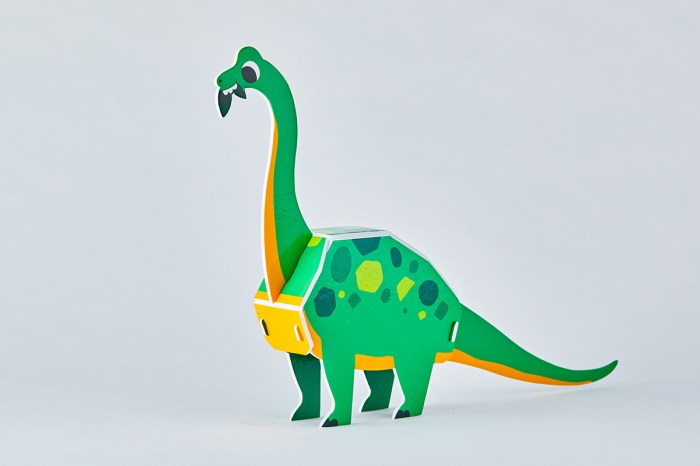
Google brings 3d dinosaurs jurassic park your phone – Google brings 3D dinosaurs from Jurassic Park to your phone! Imagine bringing prehistoric giants to life on your mobile device. This innovative project promises a thrilling and educational experience, blending cutting-edge 3D technology with the beloved world of Jurassic Park. From realistic models to interactive features, the app has the potential to captivate users of all ages. The technology behind the 3D models will bring these magnificent creatures to life on your mobile screen, handling complex graphics and animations with ease.
This app goes beyond simply displaying dinosaurs; it offers a detailed look into the technical aspects of implementation, user experience, marketing, and even content considerations. The project will explore the use of augmented reality (AR), cloud-based rendering, and intuitive navigation to create a truly immersive experience. Comparisons with existing mobile apps and potential unique selling points will also be analyzed.
The visual representation of these dinosaurs, from texture to lighting, will play a crucial role in achieving realism and engagement.
Introduction to the Concept
Imagine a world where you can explore prehistoric landscapes populated by magnificent 3D dinosaurs right on your smartphone. A mobile app bringing the majesty of Jurassic Park to life, leveraging cutting-edge 3D modeling and animation technology, promises an immersive experience for users of all ages. This innovative concept taps into the enduring fascination with dinosaurs, a passion ignited by the iconic 1993 film Jurassic Park.This mobile application would be a visually captivating journey through the Mesozoic Era.
By utilizing advanced 3D modeling techniques, the application would bring dinosaurs to life with realistic textures, accurate skeletal structures, and authentic movements. The goal is to create a compelling experience that blends education and entertainment, offering a unique and engaging perspective on these ancient creatures.
Google’s bringing 3D dinosaurs from Jurassic Park right to your phone, which is pretty cool. While we’re on the topic of impressive tech, comparing the powerhouses of the latest smartphones, like the OnePlus 13 vs Samsung Galaxy S24 Ultra, oneplus 13 vs samsung galaxy s24 ultra , is also fascinating. It’s a great time to be a tech enthusiast, and these new 3D models are going to be amazing on any device!
Historical Context of Jurassic Park
The 1993 film Jurassic Park revolutionized special effects and popularized dinosaurs in a way previously unseen. The film’s groundbreaking visual effects, showcasing realistic and terrifying dinosaurs, captured the public’s imagination and ignited a renewed interest in paleontology. The movie’s success led to numerous merchandise products, video games, and even theme park attractions, solidifying its position as a cultural phenomenon.
This enduring legacy makes the prospect of a mobile app featuring 3D dinosaurs a natural evolution of this popular franchise.
Potential Appeal to Users
A mobile app featuring 3D dinosaurs would resonate with a broad audience, from children to adults. The immersive experience and interactive elements would appeal to younger users, sparking curiosity about prehistoric life. For older users, the app could offer a nostalgic trip down memory lane, revisiting the excitement of Jurassic Park. Moreover, the app could incorporate educational elements, providing insights into paleontology, biology, and evolution, appealing to both casual and dedicated learners.
Technology Behind 3D Models
Advanced 3D modeling software allows for the creation of highly detailed and realistic dinosaur models. These models can be meticulously crafted based on the latest scientific research and fossil evidence, ensuring accuracy and authenticity. Specialized animation software allows for the creation of lifelike movements and behaviors, mimicking the dinosaurs’ natural postures and interactions. The technology permits intricate details, from the delicate scales and feathers to the complex muscle structures, bringing the prehistoric creatures to life in vivid detail.
Mobile Platform Handling Complex Graphics and Animations
Mobile devices have experienced significant advancements in processing power and graphics capabilities in recent years. High-end smartphones are now capable of handling complex 3D models and animations with impressive fluidity and detail. Sophisticated techniques, such as optimizing textures and reducing polygon counts where appropriate, ensure smooth performance without compromising visual quality. This means a truly immersive experience is achievable on a mobile platform, providing a rich and engaging environment for users.
For instance, many current mobile games feature remarkably detailed environments and characters, demonstrating the capacity of modern hardware.
Technical Aspects of Implementation
Bringing realistic 3D dinosaurs to life on a mobile phone presents a fascinating array of technical challenges. From accurately modeling complex anatomical structures to ensuring smooth performance across diverse devices, the process requires careful consideration of various factors. The key is to strike a balance between visual fidelity and performance optimization.
Modeling Realistic 3D Dinosaurs
Creating lifelike 3D models of dinosaurs requires significant computational resources. Sophisticated 3D modeling software and detailed anatomical data are essential. This involves meticulously sculpting and texturing each element of the dinosaur’s body, from the intricate patterns on their skin to the subtle curves of their bones. Rigging the models to allow for realistic movements and animations adds another layer of complexity.
The models must accurately reflect the scientific understanding of dinosaur anatomy and behavior, enhancing the overall realism and educational value of the application.
Augmented Reality Integration
Augmenting reality (AR) allows the dinosaurs to interact with the user’s real-world environment. This integration involves accurately tracking the user’s device’s position and orientation in space. The AR system must calculate the precise location and orientation of the dinosaur in relation to the user’s surroundings. This process often involves sophisticated algorithms and specialized hardware to ensure smooth and reliable performance.
The user experience is significantly enhanced by seamlessly blending the digital dinosaur with the real-world environment, fostering an immersive experience.
Rendering 3D Models for Mobile Devices
Rendering 3D models efficiently on mobile devices is a crucial aspect of the project. Different approaches exist for achieving optimal performance, including:
- Using optimized 3D model formats like OBJ or glTF to reduce file size and improve loading times.
- Employing techniques like level of detail (LOD) to display different levels of model complexity depending on the distance from the camera. This allows the application to dynamically adjust the model’s complexity for optimal performance, reducing the computational load on the device.
- Utilizing advanced rendering techniques such as deferred shading to improve visual quality without significantly impacting performance.
These techniques are crucial for delivering a seamless experience on a variety of mobile devices, ensuring a high level of detail and visual fidelity without sacrificing performance.
Cloud-Based Rendering
Cloud-based rendering techniques can offload computationally intensive tasks to remote servers, thus reducing the burden on the user’s device. This approach allows the application to utilize powerful computing resources without demanding excessive processing power from the device. Cloud rendering improves performance by enabling real-time rendering of complex 3D models on powerful servers, effectively delivering enhanced visual fidelity to the user.
This approach ensures a consistent experience across devices, irrespective of their processing capabilities.
Implementing Interactions
Interactive elements allow users to explore the dinosaurs in more detail. This involves creating intuitive controls for user interaction, such as zooming, rotating, and panning. Gesture recognition can also enhance interaction, enabling users to manipulate the dinosaurs with intuitive hand movements. The interactions should feel natural and responsive to the user’s input. Implementing interactions also involves developing functionalities like information panels and sound effects to enrich the user experience.
User Experience (UX) Design

Bringing prehistoric giants to life on a mobile platform demands a user interface that is not only visually stunning but also intuitive and engaging. A well-designed user experience is crucial for encouraging exploration and fostering a lasting connection with the app’s content. This section dives deep into the specifics of the application’s UX, outlining key features, navigation, and user groups to create a truly immersive experience.The user experience (UX) design strategy focuses on creating a seamless journey for users, from initial onboarding to in-depth exploration of the dinosaur world.
This entails clear navigation, visually appealing content, and interactive elements that foster a sense of discovery. The aim is to create a digital Jurassic Park experience that feels both educational and entertaining.
User Interface Design
The application’s interface should be clean, uncluttered, and visually appealing. A palette of muted greens, browns, and grays, reminiscent of a prehistoric landscape, would create a visually immersive environment. High-quality 3D models of dinosaurs will be central, with interactive elements allowing users to zoom in, rotate, and even view them from different angles. Clear labeling and concise text descriptions should accompany each dinosaur, offering educational value alongside the entertainment.
Key Features and Functions
The application should offer a range of engaging features. A core feature should be the ability to explore diverse habitats, each representing a specific era in the Jurassic period. Users should be able to discover and interact with different dinosaur species, learning about their characteristics, behaviors, and historical context. Interactive maps, 3D models, and information panels will provide a multi-faceted experience.
- Dinosaur Profiles: Each dinosaur profile should include detailed information such as size, diet, habitat, and key characteristics. Visual representations of their physical attributes, such as teeth, claws, and scales, should be included to enhance understanding and appreciation. Interactive elements could allow users to compare different dinosaurs based on these characteristics.
- Interactive Maps: Users should be able to explore the different environments of the Jurassic period through interactive maps. The maps should showcase the locations of various dinosaur species and habitats, allowing for a sense of place and discovery. Users should be able to zoom in and out of the maps and see the dinosaurs in their native habitats.
- Educational Content: In addition to dinosaur profiles, the app should include educational content on the paleontological discoveries that led to our understanding of dinosaurs. Information about fossil discoveries, geological timelines, and the history of paleontology should be integrated into the experience.
- Augmented Reality (AR) Integration: The potential for AR integration allows users to experience dinosaurs in their own surroundings. This feature could allow users to place dinosaurs in their homes or parks, creating an interactive and engaging experience that extends beyond the confines of the screen.
User Navigation and Guidance
A clear navigation structure is essential for a positive user experience. A simple, intuitive menu system should guide users through the different features and habitats. Clear visual cues and tooltips should assist users in navigating the application and understanding its functionality. The initial onboarding process should be simple and straightforward, introducing the core features and providing guidance on how to interact with the application.
Target User Groups
The target user groups for this application are diverse, but they share a common interest in dinosaurs and technology. The key user groups include:
- Children (7-12 years old): This group will be drawn to the interactive elements, the visually appealing models, and the engaging learning opportunities. Simple language, intuitive controls, and visually appealing content will be key.
- Teenagers (13-18 years old): This group will appreciate the detailed information, the ability to explore different species, and the potential for deeper engagement with scientific concepts. More complex information, and the potential for competitive elements, might appeal to this group.
- Adults (18+ years old): Adults interested in paleontology or natural history will find the educational content and interactive features valuable. Detailed information, accurate representations, and a well-researched approach to the information will appeal to this group.
Marketing and Monetization Strategies
Bringing 3D dinosaurs to life on mobile phones requires a robust marketing strategy to reach the target audience effectively and drive user engagement. This involves understanding the key demographics and crafting campaigns that resonate with their interests and needs. A well-defined monetization strategy is equally crucial for ensuring the application’s long-term sustainability and profitability.The success of the Jurassic Park app hinges on effectively communicating its unique value proposition to potential users.
A comprehensive marketing plan, tailored to different demographics, will be essential to drive downloads and engagement. This plan should incorporate various channels, from social media campaigns to partnerships with relevant influencers.
Marketing Campaigns
Effective marketing campaigns need to capture the imagination of the target audience, leveraging the excitement surrounding dinosaurs and mobile gaming. Visual content, such as stunning 3D models and engaging video trailers, is vital. Targeted advertising on social media platforms, focusing on specific demographics, is another critical aspect. A multi-pronged approach will yield the most significant results.
- Social Media Blitz: A coordinated campaign across platforms like Instagram, TikTok, and YouTube, featuring short, visually appealing videos showcasing the app’s features, is crucial. Collaborations with gaming influencers and dinosaur enthusiasts can significantly amplify reach and credibility. This approach should target both casual gamers and dinosaur enthusiasts.
- Pre-Launch Hype: Generating anticipation before the app’s release is essential. Limited-time offers, exclusive sneak peeks, and interactive contests can be used to create buzz and encourage pre-registrations. Early adopters can be rewarded with exclusive content or in-game advantages.
- Partnerships and Collaborations: Collaborations with educational institutions or museums dedicated to dinosaurs can expose the app to a broader audience, reinforcing its educational aspect. Cross-promotion with complementary apps or platforms can also enhance reach and engagement.
Revenue Models
Implementing a sustainable revenue model is crucial for the long-term success of the application. Various models are possible, including in-app purchases, subscriptions, and advertising. The most suitable model will depend on the app’s features and target audience.
- In-App Purchases: Offering cosmetic items, additional dinosaur models, or exclusive content for purchase can provide a significant revenue stream. This model should be balanced to avoid making the game feel pay-to-win. Examples include purchasing unique dinosaur skins or custom environments.
- Subscription Model: A subscription model can provide recurring revenue, offering exclusive content, features, and benefits for a monthly or annual fee. This could involve access to premium dinosaurs, advanced features, or a lack of ads. Consider offering tiered subscriptions with increasing benefits for different price points.
- Advertising: Displaying ads within the app can provide a consistent revenue stream. Implementing non-intrusive ad placements, like banner ads or video ads that appear between levels or during loading screens, is key. Avoid overwhelming the user experience with excessive advertising.

Targeting Different Demographics
The Jurassic Park app should cater to a wide range of ages and interests. A targeted approach is vital for maximum impact.
- Children: Focus on the educational aspects, making the app visually appealing and engaging. Simple controls and a friendly interface are paramount. The educational value will resonate with parents looking for interactive learning tools.
- Teenagers: A focus on social interaction, such as sharing dinosaur discoveries or achievements, can be appealing to this demographic. Competitive elements, leaderboards, and social media integration will attract this group.
- Adults: Highlight the realism and detail of the 3D models, emphasizing the scientific accuracy. A premium subscription model could attract this group, particularly if they are dinosaur enthusiasts.
Building a Community
Fostering a strong community around the app can enhance user engagement and drive word-of-mouth marketing. Providing opportunities for users to connect, share experiences, and collaborate can strengthen this community.
Google’s 3D dinosaurs from Jurassic Park are awesome on your phone, right? While you’re enjoying that prehistoric fun, check out these amazing deals on TCL 4K Roku TVs, Fire TVs, and Amazon streaming devices. This sale is a no-brainer for upgrading your home entertainment setup, perfect for watching those cool 3D dinosaurs and all your other favorite movies and shows.
You’ll be blown away by the detail and picture quality, just like you are with the 3D dinosaurs on your phone!
- Social Media Groups: Creating dedicated social media groups where users can share their experiences, discuss the app, and interact with each other can create a sense of community. This could be moderated by the developers to ensure a positive and engaging environment.
- Interactive Features: Incorporating forums, leaderboards, or challenges that encourage user interaction can foster a stronger community spirit. This could include online competitions or contests related to dinosaur discoveries or achievements.
Content Considerations
Bringing prehistoric giants to life on a mobile platform requires careful consideration of the content. This isn’t just about recreating dinosaurs; it’s about educating and engaging users while maintaining scientific accuracy. A well-curated selection of dinosaur species, detailed descriptions, and interactive elements will elevate the app beyond a simple visual experience.
Dinosaur Content Selection, Google brings 3d dinosaurs jurassic park your phone
To ensure educational value and maintain user engagement, the app should focus on a diverse selection of scientifically accurate dinosaurs. A narrow selection could limit the app’s appeal, while an overly broad range could make it less informative. The content must be well-balanced, highlighting key evolutionary milestones and diverse ecological niches. Presenting a range of sizes, diets, and habitats is essential for creating a complete and compelling picture of the prehistoric world.
Accuracy and Educational Value
Maintaining accuracy is paramount. Incorrect or outdated information can erode user trust and diminish the app’s educational value. The information presented should be sourced from reputable scientific journals, museum exhibits, and paleontological research. Visual representations should accurately depict dinosaur anatomy and behavior, based on the latest fossil evidence and scientific interpretations. The goal is to foster an appreciation for scientific methodology and encourage further exploration of paleontology.
Ensuring Scientific Soundness and Engagement
Achieving scientific soundness and engagement goes hand-in-hand. Each dinosaur entry should include detailed descriptions of their physical characteristics, feeding habits, and behaviors, supported by credible sources. For example, a Triceratops entry should explain its unique three-horned skull, herbivorous diet, and likely social structures. Visuals should accurately reflect these details. Interactive elements can enhance understanding and engagement, such as interactive animations of dinosaur movements or realistic depictions of their environments.
Interactive Elements for Enhanced Learning and Engagement
Interactive elements are key to fostering deeper learning and engagement. For example, users could manipulate 3D models, explore different dinosaur behaviors, or answer questions related to their biology. This dynamic approach keeps users engaged and makes learning fun. Additionally, incorporating information on related topics like the prehistoric environment, evolutionary timelines, and paleontological discoveries can expand the educational scope of the app.
List of Dinosaurs and Their Characteristics
- Tyrannosaurus Rex: A formidable apex predator, known for its powerful jaws and sharp teeth. Its large size and ferocious nature made it a dominant force in its ecosystem. Visual representations should depict the powerful muscles and robust build of this formidable predator. The app should include data on its bite force, estimated speed, and the nature of its hunting strategies.
Include information about its fossil discovery, the controversies that surrounded it, and how these findings have shaped our understanding of dinosaurs.
- Velociraptor: A smaller, but highly agile predator with sharp claws and a keen intellect. This dinosaur is known for its sophisticated hunting strategies and its role in popular culture. Detailed depictions of its feathered body and distinctive features are essential. Discuss the controversial portrayal of the Velociraptor in Jurassic Park films and the reality of its appearance and capabilities, based on the latest fossil discoveries.
- Triceratops: A herbivorous dinosaur characterized by its large size, three horns, and frill. Its unique features suggest a defensive strategy and possible social behaviors. Detailed information about its feeding habits, social structure, and adaptations for survival in its environment are crucial. Include details about its size, diet, and potential behaviors, including its social interactions.
- Stegosaurus: A herbivorous dinosaur known for its distinctive plates and tail spikes. The purpose and function of these features are still debated by paleontologists. In the app, clearly explain the scientific understanding of their purpose, and include interactive elements that allow users to explore the various hypotheses.
- Brachiosaurus: A gigantic sauropod, renowned for its long neck and impressive size. Its adaptation to browsing high vegetation is an important topic to explore. Visualizations should depict its massive size and highlight its unique adaptations for feeding and locomotion. The app should discuss the evolutionary pressures that led to its development and its place in the ecosystem.
Comparison with Existing Apps
The mobile gaming market is saturated with apps offering various dinosaur-themed experiences. Analyzing successful and unsuccessful competitors provides valuable insights into the strengths and weaknesses of the proposed “Google Brings 3D Dinosaurs to Jurassic Park” app. Understanding the competitive landscape helps identify unique selling points and areas for improvement.Existing dinosaur-themed mobile apps vary significantly in their approach. Some emphasize simple arcade-style gameplay, while others focus on simulation or educational elements.
This diverse landscape presents a unique opportunity for “Google Brings 3D Dinosaurs to Jurassic Park” to carve a niche.
Existing Mobile Dinosaur Games
The current mobile market features a range of dinosaur-themed apps. Some games focus on casual gameplay, such as collecting dinosaurs or matching creatures. Others provide more immersive experiences, simulating park management or featuring detailed dinosaur models. The proposed application should be differentiated from these existing options by offering a unique blend of AR technology and interactive learning.
Successful Applications in the Mobile Gaming Market
Examples of successful mobile games include “Pokémon Go” and “Angry Birds.” These games achieved widespread popularity due to their engaging gameplay, strong community elements, and effective marketing strategies. “Pokémon Go” capitalized on augmented reality, while “Angry Birds” used simple, intuitive gameplay to appeal to a broad audience. These successes suggest that a compelling AR experience, coupled with engaging content, can drive significant user adoption.
Unsuccessful Applications
Conversely, some mobile games fail to capture the same level of success. Games lacking innovation or engaging gameplay often struggle to gain traction. Analyzing unsuccessful titles reveals crucial areas for improvement, such as the need for consistent updates, community support, and engaging content.
Competitive Landscape
The mobile app market is highly competitive. Potential competitors include established game developers, smaller studios focusing on niche games, and even educational apps incorporating augmented reality elements. “Google Brings 3D Dinosaurs to Jurassic Park” should identify its competitive advantages, such as the integration of Google’s resources and brand recognition, to stand out from the crowd.
Unique Selling Points
The proposed application distinguishes itself through its integration of Google’s technologies, specifically augmented reality, and its educational focus on the Jurassic Park universe. The unique combination of AR and Jurassic Park theme creates a strong value proposition that sets the app apart from simple dinosaur-collecting games or educational apps that lack a strong narrative or character connection.
Areas for Improvement
Analyzing existing apps reveals potential areas for improvement in “Google Brings 3D Dinosaurs to Jurassic Park.” This includes optimizing the AR experience for diverse environments and ensuring seamless user interaction with the dinosaurs. Additional features like interactive elements, dynamic environments, and personalized user experiences could further enhance the app’s appeal.
Visual Representation

Bringing dinosaurs to life on a mobile platform requires a compelling visual style. This section dives into the visual design elements crucial for immersing users in the Jurassic Park experience. We’ll explore the aesthetic choices for dinosaur models, lighting, and environmental details, ensuring realism and dynamism.
Dinosaur Model Visual Style
The visual style will prioritize photorealism, using advanced 3D modeling techniques to create believable dinosaur figures. A key aspect will be the accurate representation of dinosaur anatomy and skin textures. The models should not appear overly stylized or cartoonish, aiming for a balance between fidelity and mobile performance.
Dinosaur Model Angle and Pose
Presenting the dinosaurs from a variety of angles is essential for showcasing their diverse forms and postures. A dynamic pose for each species is key to conveying their movement and character. For instance, a Tyrannosaurus Rex could be depicted mid-stride, jaws agape, while a Triceratops might be seen defensively facing the viewer. This approach provides a more engaging experience than static, posed models.
Texture and Coloring
Texture and coloring are critical to achieving realistic representations of dinosaur skin. The models should feature realistic skin textures, with varying degrees of roughness, scales, and patterns. Colors should reflect the likely color palettes of the respective species, incorporating variations in shades and tones. For example, a Stegosaurus might have a mix of green, brown, and beige hues to match its environment.
Furthermore, the models should be detailed enough to showcase the unique characteristics of each dinosaur, from the delicate scales of a Velociraptor to the powerful, reptilian texture of a Baryonyx.
Google’s bringing 3D dinosaurs from Jurassic Park right to your phone – pretty cool, right? But imagine the challenges of bringing humans to Mars, facing space radiation and cosmic rays, impacting human biology. Learning about the effects of space radiation on human bodies is crucial for future Mars colonies, as detailed in this fascinating article on mars colony space radiation cosmic ray human biology.
Still, those 3D dinosaurs on my phone are pretty neat. Maybe they’ll even help us better understand the evolution of life, which is directly relevant to future space travel.
Lighting and Environmental Elements
Lighting is crucial in creating a sense of depth and realism in the 3D environment. The lighting should be dynamic and responsive to the time of day, casting realistic shadows and highlights on the dinosaurs. The surrounding environment should include lush foliage, diverse terrain, and atmospheric effects that create an immersive experience. A sun-drenched savanna scene will differ significantly from a dense, shadowy jungle environment.
Realistic reflections on water or puddles will further enhance the immersion.
Dynamic 3D Scene Creation
Creating dynamic scenes involves more than just static poses. The models should be able to interact with the environment in realistic ways. For example, wind could affect the dinosaur’s posture, foliage could sway in the breeze, and water could ripple. The application should also offer user interaction such as zooming in or rotating the model to explore every detail.
This dynamic approach allows users to truly explore the 3D environment and its inhabitants.
Potential Applications of the Technology
The 3D modeling technology used to bring the Jurassic Park dinosaurs to life on mobile phones isn’t confined to recreating extinct creatures. Its underlying principles, involving intricate scanning, modeling, and animation, offer a wealth of possibilities beyond the realm of paleontology. This technology, in essence, allows for the creation of highly realistic digital representations of objects and characters, enabling diverse applications across various sectors.This innovative approach transcends entertainment, opening doors to education, scientific research, and even industrial design.
The key lies in understanding and adapting the fundamental techniques to specific needs. The process, from capturing detailed geometry to animating believable movement, can be applied to a wide array of subjects.
Beyond Dinosaurs: Expanding Applications in Education
The ability to create highly detailed 3D models opens up a new dimension in educational materials. Imagine dissecting a complex anatomical structure, not in a static textbook image, but in an interactive, 3D model that allows students to rotate, zoom, and even virtually “cut” through layers. This is not just about recreating physical models; it’s about enhancing engagement and understanding.
Virtual field trips to historical sites or even the deep sea, rendered in 3D with realistic textures and sounds, can immerse students in learning in a manner that surpasses traditional methods.
Real-World Applications in Entertainment
Beyond educational contexts, this technology holds significant promise in the entertainment industry. Imagine interactive video games with realistic environments, characters, and interactions. This technology can allow for truly immersive storytelling experiences, with characters reacting realistically to the player’s actions. The level of detail and realism achieved in these 3D models translates to captivating and memorable entertainment experiences.
This extends beyond games to film and animation. Imagine hyper-realistic characters in movies or complex simulations of environments for pre-production.
Industrial Design and Prototyping
The precision and detail achievable with 3D modeling techniques can revolutionize industrial design and prototyping. Companies can virtually test and refine product designs before investing in physical prototypes. This reduces design cycles, minimizes waste, and allows for iterative improvement based on realistic simulations. Imagine architects creating fully interactive models of buildings, allowing potential buyers to explore every angle and detail before committing to construction.
Scientific Research and Exploration
The same principles can enhance scientific research. Scientists can create detailed 3D models of biological specimens, geological formations, or even astronomical phenomena, enabling a deeper understanding of these complex systems. Imagine reconstructing extinct species based on fossil data or visualizing the interior of planets. This allows for a comprehensive and interactive exploration that traditional methods often lack.
Impact on Digital Content Interaction
This technology is poised to fundamentally alter how we interact with digital content. The increased realism and interactivity create a more engaging and immersive experience. This transition to richer, more interactive digital content will redefine how we consume information and entertainment. Users can experience digital worlds with an unprecedented level of detail and immersion, fostering a deeper connection with the content.
Conclusion: Google Brings 3d Dinosaurs Jurassic Park Your Phone
In conclusion, Google’s 3D Jurassic Park app promises a groundbreaking experience for mobile users. The project’s technical, user-focused, and marketing aspects are all carefully considered. By bringing dinosaurs to life on your phone, the app offers educational opportunities, and entertainment potential, and will likely redefine how we interact with digital content. It’s a project with immense potential for both entertainment and learning.