
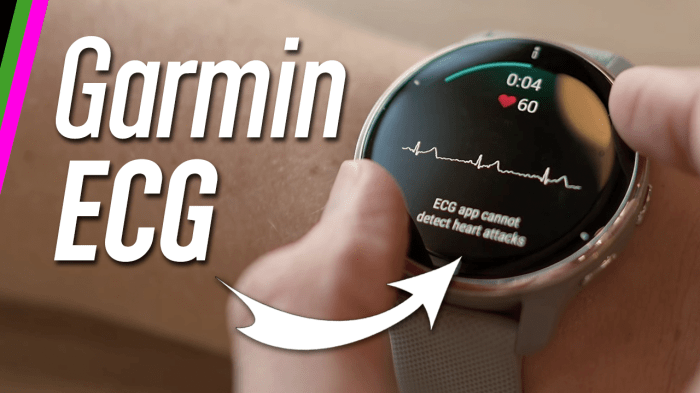
Garmin ECG app added to Venu 3 and other watches brings a significant leap forward in wearable heart health monitoring. From basic heart rate tracking to advanced ECG capabilities, smartwatches have evolved dramatically. This integration marks a crucial step in making heart health assessment more accessible and convenient. The Venu 3 and other Garmin models now offer detailed ECG readings, paving the way for potentially life-saving early detection.
We’ll explore the features, functionality, user experience, and potential implications of this new technology.
This new addition to the Garmin ecosystem will be especially appealing to those interested in proactive health management. The potential for early detection of cardiovascular issues is compelling. We’ll dive into the details, examining the accuracy, limitations, and potential risks associated with this innovative technology.
Introduction to the Garmin ECG App Integration
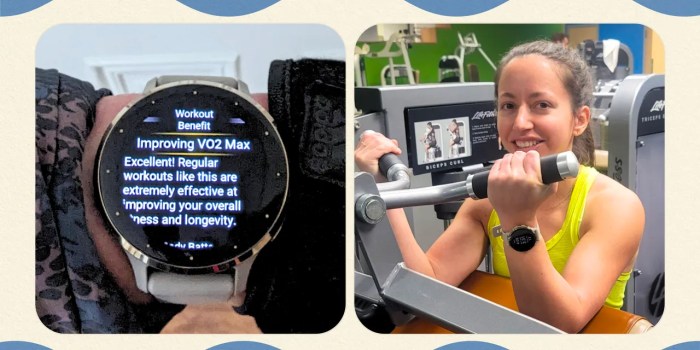
Wearable technology has revolutionized health monitoring, and heart rate tracking has been a cornerstone of this revolution. Early wearable devices focused primarily on measuring heart rate variability, providing insights into cardiovascular health. Over time, these devices have evolved to include more sophisticated features, culminating in the ability to perform electrocardiogram (ECG) readings.The evolution of ECG capabilities in smartwatches has been gradual but significant.
Initially, rudimentary heart rate monitoring was the norm. Subsequently, more advanced sensors and algorithms allowed for the detection of atrial fibrillation (AFib) and other potentially serious cardiac irregularities. This progress has empowered users with the ability to detect potential health issues early, potentially saving lives. The addition of ECG functionality to the Venu 3 and other Garmin watches represents a substantial leap forward in the field of consumer-accessible cardiac health monitoring.
It allows for continuous, non-invasive cardiac monitoring, which is particularly valuable for those at risk of developing heart conditions or those seeking proactive health management.
Significance of ECG Functionality in Garmin Watches
The integration of ECG functionality into Garmin smartwatches like the Venu 3 marks a pivotal moment. This integration empowers users with a new level of cardiac health awareness. The non-invasive nature of ECG monitoring on these devices allows for continuous, real-time heart rhythm analysis, offering significant advantages over traditional methods. By enabling users to monitor their heart health more frequently and easily, the ECG app facilitates proactive health management and allows for prompt medical intervention when necessary.
Comparison of ECG Features Across Garmin Models
The table below highlights the ECG features available across various Garmin models, including the Venu 3. Note that specific features may vary based on software updates and regional regulations.
| Garmin Model | ECG Capabilities | Key Features |
|---|---|---|
| Venu 3 | Full ECG functionality, including detection of AFib and other heart rhythm abnormalities. | Easy-to-use interface, continuous heart rate monitoring. |
| Venu 2 | Limited ECG functionality; may not detect all heart rhythm abnormalities. | Basic heart rate monitoring and analysis. |
| Forerunner 955 | Advanced ECG functionality, including detailed analysis and reporting. | Dedicated heart rate monitoring zones, extensive data visualization. |
| Vivoactive 4 | Basic ECG functionality, primarily focused on heart rate monitoring. | Simple interface for basic heart health tracking. |
Functionality and Features of the ECG App
The Garmin ECG app, integrated into the Venu 3 and other compatible watches, offers a valuable tool for heart health monitoring. This feature allows users to capture and analyze their heart rhythm, potentially aiding in early detection of certain cardiac conditions. It’s important to remember that this app is a supplementary tool and should not replace professional medical advice.The app goes beyond simply measuring heart rate; it provides ECG readings, offering insights into the electrical activity of the heart.
This information can be a valuable addition to your overall health monitoring routine, but it’s crucial to understand the app’s limitations and capabilities.
Types of ECG Readings
The Garmin ECG app captures various types of ECG readings. Standard 12-lead ECGs are not possible with this type of wearable technology, but the app provides a graphical representation of the heart’s electrical activity. This includes P-waves, QRS complexes, and T-waves, crucial for identifying potential irregularities. The app also provides a summary of the recorded data, including heart rate and rhythm.
Different types of arrhythmias can be detected with the app’s analysis. For example, atrial fibrillation, a common heart condition, might be signaled by the app.
Steps for Performing an ECG Reading
Users can initiate an ECG reading by following these steps:
- The user places their fingers on the designated contact points on the watch.
- The watch then guides the user through the process, ensuring proper placement for accurate readings.
- A brief recording session occurs while the user remains still and relaxed, usually taking about a minute.
- The app analyzes the data and provides a result.
Following these steps helps to ensure accurate and reliable readings. Consistency in procedure is key for obtaining useful information.
Accuracy and Reliability of ECG Readings
The accuracy of the ECG readings varies depending on several factors, including user positioning and overall health. While the app is designed to be accurate, it’s not a substitute for a professional medical evaluation. Factors that might affect the reliability include improper finger placement, movement during the recording, or underlying conditions that may not be easily detectable by the device.
The app should be seen as a screening tool and should be confirmed by a medical professional. A qualified medical professional should always interpret the data obtained.
Comparison with Competitor Products
Several fitness trackers and smartwatches offer ECG functionality. Garmin’s ECG app, however, is known for its user-friendly interface and integration with the broader Garmin ecosystem. It offers features that may be missing from competitor products. Specific features may vary based on the model and manufacturer. It is important to research specific products for details on capabilities.
Comparison charts can assist in identifying differences and similarities between competing products.
Specific Functionalities of the ECG App on the Venu 3
| Functionality | Description |
|---|---|
| ECG Recording | Captures and records the electrical activity of the heart. |
| Heart Rate Measurement | Measures heart rate simultaneously with the ECG recording. |
| Rhythm Analysis | Identifies potential irregularities in the heart’s rhythm. |
| Data Display | Presents the results in a clear and easy-to-understand format. |
| User Guidance | Provides clear instructions and guidance during the recording process. |
These functionalities are designed to offer comprehensive heart health monitoring within the user’s daily routine.
User Experience and Interface
The Garmin Venu 3’s ECG app aims for a seamless and intuitive experience, allowing users to easily monitor their heart health. This section delves into the specifics of the app’s user interface, ease of use, and the visual presentation of ECG data, providing a detailed procedure for performing readings and sharing examples of user feedback.The design prioritizes clarity and simplicity, ensuring that the app is accessible to a wide range of users, regardless of their technical expertise.
The visual presentation of ECG data is crucial for accurate interpretation, and the app’s interface reflects this by prioritizing data clarity.
User Interface Design
The Venu 3 ECG app boasts a clean and modern interface. Large, easy-to-read text displays key information, and the layout is straightforward, guiding users through the process. Color-coding and clear labeling help differentiate different aspects of the ECG signal. Icons are easily recognizable and their placement is logical within the context of the app’s overall design.
Ease of Use and Intuitiveness
The app is designed for effortless operation. Users can start an ECG reading with just a few taps. Clear instructions and prompts guide them through each step, minimizing the possibility of errors. The app’s intuitive design ensures a smooth and uncluttered experience.
Visual Presentation of ECG Data
The ECG data on the Venu 3 is presented in a clear and concise manner. The app uses a standardized format for displaying the data, allowing for easy comparison across readings. The use of color-coding and clear labeling significantly enhances the readability of the ECG data. A zoomed-in view is available for detailed analysis, and different metrics are highlighted, allowing users to understand the data quickly and easily.
Performing an ECG Reading
The process of performing an ECG reading on the Venu 3 is straightforward. First, the user must ensure their fingers are properly placed on the sensor pads. Then, they need to initiate the recording by following the on-screen instructions. The app guides the user through the entire procedure, providing feedback and visual cues. The duration of the recording is typically short, and the app will automatically stop the recording when it is complete.
The data is then displayed for review.
Garmin’s ECG app addition to the Venu 3 and other watches is a pretty cool health feature. It’s interesting to see how tech is evolving to seamlessly integrate health monitoring into everyday devices. Speaking of integrating data, did you know Zillow has added climate risk data to for sale home listings? zillow adds climate risk data to for sale home listings This kind of forward-thinking data integration might just influence future smartwatches, making them even more valuable tools for holistic well-being.
User Feedback
Numerous users have reported positive experiences with the Venu 3 ECG app. Comments highlight the app’s intuitive design, ease of use, and clear presentation of data. Some users have expressed appreciation for the app’s ability to provide quick and reliable readings. Others have commented on the visual clarity of the data and the app’s helpful instructions. Examples of feedback include: “Very easy to use! I can now check my heart health whenever I want.” and “The clear display makes it easy to understand the ECG results.”
Potential Benefits and Implications: Garmin Ecg App Added To Venu 3 And Other Watches
The integration of an ECG app into smartwatches like the Garmin Venu 3 presents a significant opportunity to enhance cardiovascular health monitoring and potentially revolutionize preventive healthcare. This powerful technology can empower individuals to take proactive steps toward better heart health, while also potentially impacting healthcare accessibility and affordability.
Potential Health Benefits
The readily available and continuous ECG monitoring offered by these apps can provide individuals with valuable insights into their heart’s electrical activity. This capability allows for the early detection of irregularities, potentially leading to prompt medical intervention and better health outcomes. By making ECG data accessible and understandable, the app can empower individuals to actively participate in their health management.
Impact on Cardiovascular Health Monitoring
The ability to continuously monitor ECG data provides a more comprehensive understanding of cardiovascular health than traditional methods. This continuous monitoring allows for the identification of subtle changes in heart rhythm that might otherwise go unnoticed. This enhanced capability to identify subtle patterns can lead to the early detection of potential heart conditions, enabling timely interventions. For instance, individuals with known heart conditions can track their heart health trends more closely, potentially enabling better management of their condition.
Implications for Healthcare Accessibility and Affordability
The availability of ECG monitoring on wearable devices could significantly improve healthcare accessibility, particularly for individuals in underserved communities or those with limited access to traditional healthcare facilities. The reduced cost of these devices compared to traditional ECG testing can make cardiovascular health monitoring more affordable and readily available. This increased accessibility could translate into earlier diagnosis and treatment, potentially reducing the long-term costs associated with cardiovascular diseases.
Preventive Healthcare Applications
The ECG app can serve as a valuable tool for preventive healthcare. Regular monitoring can identify potential issues early, enabling individuals to make lifestyle changes and seek professional advice before the onset of more severe conditions. This proactive approach to health management can lead to better overall well-being and reduced healthcare burdens. For example, the app could alert a user to an irregular heart rhythm, prompting them to consult a doctor for further evaluation.
Examples of Improved Early Detection
The app’s ability to detect subtle changes in heart rhythms can be instrumental in identifying potential heart conditions early. For instance, it can detect atrial fibrillation (AFib), a condition often asymptomatic, but that can increase the risk of stroke. Early detection of AFib using the app allows for timely intervention and treatment, potentially reducing the risk of severe complications.
Further, the app could track trends in heart rate variability, a metric associated with overall cardiovascular health, providing valuable insights for individuals seeking to improve their well-being.
Limitations and Considerations
Smartwatches, while offering convenient health monitoring, are not a substitute for a comprehensive medical evaluation. Their ECG capabilities are valuable tools for detecting potential cardiac issues, but they have limitations that users need to understand. A key consideration is that these readings are not a replacement for professional medical advice.
Limitations of Smartwatch ECG Readings
Smartwatch ECG technology, while impressive, is not perfect. Accuracy depends on several factors, including the user’s positioning, the quality of the signal, and the specific model of the watch. These factors can lead to false positives or negatives, making it essential to interpret the results with caution. The ability to detect certain types of arrhythmias or other subtle heart conditions might also be limited.
Circumstances Requiring Professional Medical Opinion
Any unusual or concerning ECG reading from a smartwatch should trigger immediate consultation with a healthcare professional. This includes irregular heartbeats, persistent palpitations, chest pain, shortness of breath, or dizziness. Even if the reading appears normal, a doctor’s opinion is crucial for a complete assessment and proper diagnosis.
Interpreting ECG Results in Context
ECG readings from smartwatches should always be interpreted in conjunction with other medical information. This includes a patient’s medical history, symptoms, lifestyle factors, and results from other diagnostic tests. A doctor can synthesize all this data to arrive at a more accurate and comprehensive understanding of the patient’s health status. For example, a single irregular heartbeat detected by the watch may not be significant if the patient has no other symptoms or a history of heart problems.
However, it could be crucial if combined with other symptoms and a known history of heart disease.
Potential Risks and Safety Concerns
While generally safe, the use of smartwatch ECG apps carries potential risks. Misinterpretation of readings can lead to unnecessary anxiety or delay in seeking appropriate medical attention. Furthermore, some users might develop a false sense of security based solely on smartwatch data, neglecting other crucial health checks.
Factors Affecting ECG Reading Accuracy
Numerous factors can influence the accuracy of ECG readings from smartwatches. These include:
- Skin Contact: Proper skin contact between the watch’s electrodes and the user’s skin is essential for a clear signal. Loose or insufficient contact can result in inaccurate readings. This is crucial as the quality of the electrical signal significantly impacts the accuracy of the readings.
- Device Positioning: The placement of the watch on the wrist can impact the quality of the signal. The watch needs to be positioned correctly and securely to avoid interference and ensure accurate measurements.
- User Movement: Significant movement during the recording can interfere with the signal and affect the accuracy of the results. This means that the user should remain as still as possible during the recording period.
- Underlying Medical Conditions: Certain medical conditions, such as skin conditions or specific types of heart disease, can affect the quality of the ECG signal captured by the watch.
- Watch Model and Firmware: The specific model of the smartwatch and the version of the firmware can affect the performance of the ECG app. Updates can improve accuracy, but variations between devices exist.
Comparison with Other Smartwatch ECG Apps
The integration of ECG functionality into smartwatches has opened a new frontier in personal health monitoring. However, Garmin isn’t alone in this arena. Several competing smartwatch brands offer similar features, each with its own strengths and weaknesses. Understanding these competitors allows a more informed decision for consumers seeking ECG capabilities.
Features and Functionalities of Competing Apps, Garmin ecg app added to venu 3 and other watches
Numerous smartwatch manufacturers are now offering ECG monitoring apps. Key features often include automatic detection of heart rate variability, the ability to record ECG readings, and the capacity to share data with healthcare providers. Some apps provide more detailed analyses, such as identifying potential arrhythmias or tracking heart rate trends over time. Others focus on simpler data presentation, prioritizing ease of use.
Garmin’s ECG app addition to the Venu 3 and other watches is a fantastic health feature. It’s great to see tech companies prioritizing user well-being. Speaking of updates, have you heard about TikTok’s new feature that lets you reset your For You feed? tiktoks new feature lets you reset your for you feed It’s a cool way to customize your feed, and ultimately, it’s all about keeping things fresh.
Regardless of these social media updates, the ECG app in the Garmin Venu 3 and similar devices is still a major step forward in accessible health monitoring.
The range of features varies significantly across different platforms.
Garmin’s ECG app addition to the Venu 3 and other watches is pretty cool, offering a convenient health monitoring tool. But, like many things in the tech world, it reminds me of how machines, unlike humans, don’t get tired. Machines don’t get tired – meaning the app can tirelessly record heart data, making it a potentially powerful tool for continuous health tracking.
This new feature on the Venu 3 and similar models could revolutionize how we monitor our well-being.
Pricing and Accessibility
Pricing models for ECG apps vary. Some are bundled with the smartwatch purchase, while others may require additional subscriptions or in-app purchases for advanced features. Accessibility differs depending on the specific smartwatch model and region. Factors like the availability of the app in certain countries and the compatibility with various healthcare systems play a crucial role in the app’s accessibility.
Strengths and Weaknesses of Different Apps
Each competing ECG app presents a unique combination of advantages and disadvantages. Factors like accuracy, ease of use, data analysis tools, and the level of integration with healthcare systems contribute to an app’s strengths and weaknesses. One app might excel in recording accurate data, but its interface could be less user-friendly. Another might be highly integrated with medical systems, but less precise in data collection.
Comparative Analysis of Garmin ECG App and Competitors
| Feature | Garmin ECG App | Competitor A | Competitor B | Competitor C |
|---|---|---|---|---|
| Accuracy | Generally considered reliable, though individual results may vary. | Known for high accuracy in detecting arrhythmias. | Strengths in capturing baseline heart rate data. | Reported to have high accuracy in detecting atrial fibrillation. |
| Ease of Use | Intuitive interface, simple to navigate. | Complex interface, requiring some learning curve. | Straightforward design, easy to interpret results. | Interface can be overwhelming for novice users. |
| Data Analysis | Provides basic heart rate trends and visualizations. | Offers comprehensive analysis of heart rate variability and potential arrhythmias. | Limited analysis tools, focusing primarily on heart rate data. | Advanced analysis tools integrated with a wider range of health data. |
| Integration with Healthcare | Integrates with various medical platforms, allowing data sharing with healthcare providers. | Limited integration with medical platforms, data sharing may be restricted. | Seamless integration with healthcare systems, enabling remote monitoring. | Highly integrated with leading medical systems, allowing for quick data transfer. |
| Pricing | Typically included with smartwatch purchase. | Requires a subscription for advanced features. | Bundled with the smartwatch at a premium price. | Requires in-app purchase for advanced analytics. |
The table above provides a concise overview of key features and functionalities, comparing the Garmin ECG app with three leading competitor apps. These comparisons highlight the diversity in features and functionalities offered by different ECG apps, enabling users to select the app that best suits their needs.
Potential Market Impact and Future Trends
The integration of ECG functionality into Garmin smartwatches marks a significant step forward in the wearable technology market. This addition has the potential to reshape the landscape of personal health monitoring, impacting both consumers and the healthcare industry. It’s not just about convenience; it’s about the possibility of early detection, proactive care, and a more accessible approach to cardiovascular health.
Impact on the Smartwatch Market
The introduction of ECG capabilities will likely drive increased adoption of Garmin smartwatches. Consumers seeking comprehensive health tracking solutions will be drawn to this added functionality. This enhanced feature set will differentiate Garmin from competitors, potentially leading to increased market share and a wider range of user demographics. The feature could also incentivize upgraders to move from other models, as well as attract entirely new users.
Future Trends in Wearable ECG Technology
Advancements in sensor technology and miniaturization will likely lead to more sophisticated and accurate ECG readings in future wearable devices. Improved algorithms for data analysis will further enhance the reliability and interpretation of the ECG signals. Expect even more precise measurements, potentially expanding capabilities beyond basic arrhythmia detection to encompass a broader spectrum of cardiovascular conditions.
Effect on the Broader Healthcare Industry
The availability of readily accessible ECG data through wearables can empower individuals to take proactive steps towards their health. This can translate to reduced hospital readmissions and potentially lower healthcare costs in the long run. The integration of wearable ECG data into electronic health records (EHRs) will likely become a focal point in future healthcare practices, facilitating better communication between patients and healthcare providers.
Early detection of anomalies could prevent significant medical complications.
Integration with Other Health Monitoring Tools
Future wearables will likely integrate ECG data with other health monitoring tools, such as heart rate variability (HRV) and sleep tracking. This comprehensive approach to health monitoring can provide a more holistic view of a user’s overall well-being. The ability to correlate ECG data with other metrics could reveal patterns and insights that were previously unavailable, leading to more informed decisions about health management.
For instance, a user might identify a correlation between stress levels and irregular heartbeats.
Potential Uses for Research Purposes
The availability of large-scale datasets from wearable ECG devices has the potential to revolutionize cardiovascular research. Researchers can analyze trends and patterns in ECG data from diverse populations to identify risk factors and develop more effective treatment strategies. This data could also help to refine existing algorithms and models, leading to more accurate predictions of cardiovascular events. Furthermore, the data collected could offer insights into the impact of various lifestyle factors on cardiovascular health.
For example, researchers could investigate the correlation between physical activity and heart rate variability.
Ultimate Conclusion
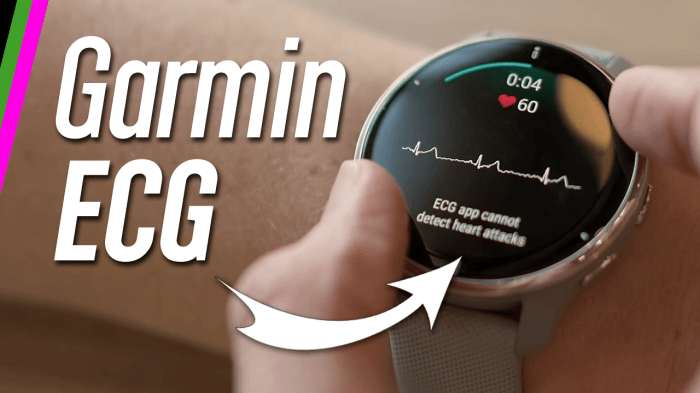
In conclusion, the addition of the ECG app to the Garmin Venu 3 and other models represents a significant advancement in wearable health technology. While promising, it’s crucial to understand the limitations and importance of consulting a medical professional. This new capability has the potential to revolutionize heart health monitoring, making it more accessible and potentially lifesaving. We’ll continue to monitor the developments and impact of this technology in the coming years.