


Facebook Messenger Kids bug chat app unauthorized adults is a serious concern. Children’s safety online is paramount, and this issue highlights the vulnerability of kids using messaging apps. Unauthorized adults can exploit these platforms, potentially leading to harmful interactions and emotional distress. This blog explores the problem, analyzes current solutions, and proposes new security measures to protect children.
We’ll delve into the methods used by unauthorized adults to access children’s accounts, examine the potential harm, and investigate the effectiveness of existing parental controls. We’ll also explore the different perspectives of parents, children, and app developers, and discuss the responsibilities of each party in mitigating these risks.
Defining the Issue: Facebook Messenger Kids Bug Chat App Unauthorized Adults
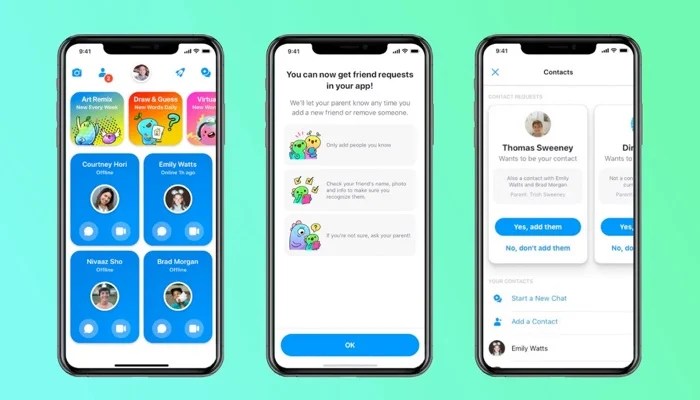
Unauthorized access to children’s messaging applications poses significant risks to their well-being and safety. This vulnerability arises from the inherent trust children place in these platforms, often unaware of the potential for malicious actors to exploit these digital spaces. Protecting children’s online experience necessitates a deep understanding of the various ways unauthorized adults might gain access and the potential consequences.Unauthorized access to children’s messaging applications can lead to a multitude of harmful situations.
This includes the potential for harassment, bullying, the sharing of inappropriate content, and even the creation of dangerous situations involving real-world threats. The implications extend far beyond the digital realm, impacting a child’s emotional security and overall development.
Potential Risks of Unauthorized Access
Unauthorized access to children’s accounts can expose them to a range of risks, from emotional distress to physical danger. Children are particularly vulnerable to manipulation and exploitation in online environments, and these platforms can be easily abused. The anonymity provided by online spaces can embolden those seeking to harm children.
Methods of Unauthorized Account Access
Various methods can be employed by unauthorized adults to gain access to children’s accounts. These methods range from social engineering tactics to exploiting vulnerabilities in the platform’s security measures. The specific methods can vary, depending on the sophistication of the perpetrator and the security measures implemented by the application.
- Password Guessing and Phishing: Unauthorized individuals might attempt to guess passwords or employ phishing techniques to trick children into revealing their login credentials. This can involve creating fake login pages or sending deceptive messages to the child’s account.
- Exploiting Weak Security Practices: Children may use easily guessed passwords or share their accounts with others, creating an opening for unauthorized access. Lack of strong password policies and insufficient security measures in the application itself also contribute to this vulnerability.
- Social Engineering: Sophisticated social engineering tactics might be employed, manipulating children into divulging their account details or allowing access to unauthorized individuals. This might involve befriending the child online and gradually gaining their trust.
- Malware and Spyware: Malware or spyware installed on a child’s device can potentially steal login credentials or provide unauthorized access to their accounts.
Scenarios of Harm
The consequences of unauthorized access can manifest in various scenarios, highlighting the potential for significant harm. These range from psychological trauma to physical threats.
- Harassment and Bullying: Unauthorized adults might use the platform to harass or bully children, creating a hostile environment and causing emotional distress. This could involve sending threatening messages, sharing embarrassing photos or videos, or spreading malicious rumors.
- Inappropriate Content Sharing: Unauthorized access allows for the sharing of inappropriate content, including sexually suggestive materials, violent imagery, or hate speech. This can significantly impact a child’s mental well-being and expose them to harmful influences.
- Threats and Extortion: Unauthorized access can be used to threaten or extort children. This could involve blackmailing them or using their accounts to manipulate others. This can create significant fear and anxiety for the child.
- Real-world Dangers: The information gathered through unauthorized access might be used to identify and target children in real-world situations, creating significant physical risks.
Impact on Emotional Well-being and Safety
The psychological impact of unauthorized access can be severe, potentially leading to anxiety, depression, and a general decline in a child’s well-being.
- Erosion of Trust: Unauthorized access can damage the child’s trust in both the application and their online environment. This loss of trust can negatively affect their ability to engage safely and constructively in online activities.
- Social Isolation: Fear of further exploitation can lead to social isolation and withdrawal, impacting their relationships with peers and family.
- Trauma and PTSD: In extreme cases, the experience of unauthorized access can lead to trauma and post-traumatic stress disorder (PTSD). This is particularly true in situations involving threats or harm.

Analyzing Existing Solutions
Children’s messaging apps are increasingly important for communication and connection, but safeguarding children online is paramount. Existing solutions aim to balance these needs, offering varying levels of protection against unauthorized access. Evaluating these features is crucial to understanding their effectiveness and potential improvements.Existing safety features in children’s messaging apps are designed to limit exposure to inappropriate content and interactions.
These features are often multi-layered, with various tools and strategies employed to achieve a comprehensive safety net.
Parental Controls and Account Management
Parental controls are a fundamental aspect of child safety in messaging apps. These controls typically include the ability to monitor a child’s activity, set time limits, and block specific contacts. Effective controls allow parents to actively participate in their child’s digital experience while ensuring they are not cut off from communication. Account management features also play a critical role.
These often involve setting up accounts with age restrictions and password security, helping to prevent unauthorized access and maintain privacy.
Content Filtering and Blocking
Content filtering mechanisms are implemented to block inappropriate content, such as explicit language, harmful images, or potentially unsafe links. These systems often rely on s, image recognition, and user reports. The effectiveness of these filters varies based on the sophistication of the algorithm and the comprehensiveness of the content categories they address. Blocking specific contacts or numbers is a critical feature, enabling parents to control who their children interact with.
The ease of implementation and accuracy of these blocking mechanisms are key factors in evaluating their effectiveness.
Activity Monitoring and Reporting
Activity monitoring allows parents to track their children’s messaging activity, including the time spent online, the contacts they communicate with, and the content they exchange. This monitoring can be useful in identifying potential risks or concerning patterns. Comprehensive reporting features allow parents to easily access logs and summaries of their children’s online behavior. Effective reporting systems should provide clear and detailed information to support parental oversight.
Two-Factor Authentication and Security Protocols
Two-factor authentication adds an extra layer of security to accounts, making it more difficult for unauthorized individuals to access them. The effectiveness of two-factor authentication depends on the strength of the secondary verification method and its user-friendliness. Security protocols, including strong password policies and regular account reviews, are vital in mitigating risks. Strong passwords and regular account reviews can prevent unauthorized access.
The combination of these security measures enhances the overall security of the platform.
Comparison of Security Measures
| Feature | Strengths | Weaknesses |
|---|---|---|
| Parental Controls | Direct parental involvement, customizable settings | Potential for over-monitoring, may not adapt to evolving threats |
| Content Filtering | Blocks inappropriate content, potential to prevent harm | Can be bypassed by users, may not catch all harmful content |
| Activity Monitoring | Provides insights into online behavior, potential to identify risks | Data overload, may not be effective in all situations |
| Two-Factor Authentication | Adds an extra layer of security | Requires user cooperation, can be cumbersome for younger users |
Different security measures have varying degrees of effectiveness, and their combined application is crucial for a robust security strategy. The effectiveness of these strategies depends on the implementation and the active participation of parents.
The Facebook Messenger Kids app bug allowing unauthorized adults to chat with kids is a serious concern. While Verizon’s new low-cost 5G phone for $120 might be a tempting option for families, the safety of children online should remain a top priority. Parents need to be vigilant about monitoring their kids’ online activity and ensuring the security of these platforms.
Illustrating Potential Problems
Protecting children online is paramount, and understanding the potential risks of unauthorized adult access to a child’s account is crucial for developing robust preventative measures. This section details various scenarios, highlighting potential harm, and outlining preventative strategies to mitigate these risks. A strong security framework for children’s online interactions is essential to fostering a safe digital environment.
Potential Methods of Unauthorized Access
Understanding how unauthorized adults might gain access to a child’s account is vital for creating effective preventative measures. This analysis Artikels the methods and their associated risks.
Facebook Messenger’s kids’ chat app has been plagued by reports of unauthorized adults gaining access. It’s a serious issue, and while companies like Amazon are working on safer tech, like amazon joins matter works with certification program , it highlights a larger problem in online safety for kids. These kinds of vulnerabilities need immediate attention from developers to prevent potential harm.
| Method of Access | Potential Harm | Preventative Measures |
|---|---|---|
| Social Engineering (e.g., befriending the child online, manipulating them into revealing login details) | Exposure to inappropriate content, grooming, potential physical harm, emotional distress. | Educating children about online safety, promoting strong passwords, and discouraging the sharing of personal information. |
| Phishing (e.g., sending fake messages or links to trick the child into revealing login details) | Exposure to malware, theft of personal information, and access to sensitive data. | Teaching children to be skeptical of unsolicited messages, scrutinizing links, and verifying sender identities. |
| Password Guessing/Brute-Force Attacks | Unauthorized access to the child’s account, potential exposure to inappropriate content, and privacy violations. | Implementing strong, unique passwords, enabling two-factor authentication, and regularly changing passwords. |
| Malware/Viruses (e.g., infecting the child’s device to gain access to the account) | Theft of personal information, exposure to malicious software, and potential damage to the child’s device. | Using up-to-date antivirus software, cautioning children about downloading files from untrusted sources, and regularly updating software. |
| Exploiting Weaknesses in the Application/Platform | Unauthorized access to the child’s account, data breaches, and potential exposure to inappropriate content. | Maintaining the app and platform updates, ensuring secure network connections, and informing parents about security updates. |
Unauthorized Adult Communication Types
Recognizing the different communication styles employed by unauthorized adults is critical for safeguarding children. The following table illustrates various communication types and their potential risks.
Facebook Messenger’s kids’ chat app has a serious problem with unauthorized adults. It’s a real concern, especially when parents are looking for ways to keep their kids safe online. Luckily, if you’re looking for a great deal on a phone, check out this amazing offer on a Sprint iPhone X lease, with a 50% discount! sprint iphone x lease 50 percent off This could be a great way to upgrade your phone while still keeping an eye on your kids’ safety and security, ensuring they’re not communicating with unsuitable individuals.
The issue with the kids’ chat app needs urgent attention to protect young users.
| Type of Communication | Potential Harm | How to Recognize It |
|---|---|---|
| Inappropriately suggestive messages or requests | Grooming, emotional manipulation, and potential physical harm. | Unusual or suggestive language, requests for personal information beyond the usual, and promises of gifts or rewards in exchange for personal information. |
| Coercion or threats | Emotional distress, fear, and potential physical harm. | Use of intimidating language, threats of harm or violence, and demanding obedience or compliance. |
| Manipulation/Tricks | Gaining trust and access to personal information. | Overly flattering language, offering gifts or rewards in exchange for personal information, or feigning concern or friendship. |
| Inappropriate or harmful content sharing | Exposure to inappropriate material, emotional distress, and potentially illegal activities. | Sharing of sexually explicit material, violent imagery, or content that exploits, abuses, or endangers children. |
Detailed Example of Harm
A malicious adult gains access to a child’s account through a social engineering tactic. The adult poses as a friend, gradually building trust and gaining access to personal information. They then use this information to manipulate the child into revealing login details for other accounts, potentially leading to the exposure of sensitive personal information. The child, unaware of the deception, might become increasingly vulnerable to exploitation and harm.
Case Study
(A hypothetical case study can be added here. This would detail a specific instance of harm and highlight the importance of online safety measures. For example, a child who was befriended online by an adult who used grooming tactics to gain access to their personal information.)
Designing Enhanced Security Measures
Protecting children’s online safety is paramount, and children’s messaging apps must prioritize robust security measures. The potential for unauthorized access necessitates proactive steps to safeguard accounts and prevent misuse. This involves not only strengthening account recovery procedures but also educating parents on preventative measures.Strengthening account security requires a multi-faceted approach, combining advanced technology with user-friendly guidance. A key component is the development of highly secure account recovery systems, designed to make unauthorized access significantly more difficult.
Furthermore, parents play a crucial role in maintaining account security through proactive steps.
Account Recovery Procedures
Robust account recovery procedures are essential to mitigate the risk of unauthorized access. Implementing multi-factor authentication (MFA) is a crucial first step. This involves requiring more than one verification method, such as a code sent to a registered phone number or email address, in addition to the password. This significantly increases the difficulty for unauthorized individuals attempting to gain access.
Advanced Security Features
Integrating advanced security features into the app is crucial for protecting children. Implementing real-time location tracking (with parental consent) allows for monitoring of the child’s device’s general location while they use the app. This feature, while not providing exact GPS coordinates in real time, helps in knowing the general area where the child is using the app, offering peace of mind for parents.
A “hidden mode” function, activated by a parent-specified password, would allow a child to use the app in a mode where the app’s interface is not visible to unauthorized individuals. When activated, the app would display a placeholder screen, concealing the chat history and other sensitive information.
Parental Control Measures
Proactive parental involvement is critical in safeguarding children’s accounts. Parents should establish clear guidelines for password creation, encouraging strong, unique passwords. Regularly reviewing and updating these passwords is also crucial. Regular communication with children about safe online practices is also important.
Visual Demonstration of Security Protocols
A visual demonstration of security protocols can effectively illustrate the importance of each step. A step-by-step guide, displayed as a series of images or a short animated video, can show how to create a strong password, activate MFA, and understand the functionality of the hidden mode. The visual aid should include clear explanations and instructions for each step.
For instance, a graphic could illustrate how to create a strong password that combines uppercase and lowercase letters, numbers, and symbols. Another graphic could show the steps to activate MFA, highlighting the importance of registering a secondary email address or phone number.
Addressing the Issue from Multiple Perspectives
Navigating the digital landscape for children requires a multifaceted approach, considering the varying viewpoints of parents, children, and app developers. Understanding these diverse perspectives is crucial to crafting effective security measures. This section delves into the perspectives of each stakeholder, highlighting their unique concerns and responsibilities.The safety of children online is a shared responsibility, and the perspective of each party plays a critical role in mitigating the risks.
This understanding allows for a more comprehensive approach to problem-solving, addressing the specific needs and concerns of all involved.
Parental Perspectives
Parents prioritize the safety and well-being of their children above all else. Their primary concern often revolves around unauthorized access and potential harm to their children. They are concerned about the lack of transparency in how the app handles user data, and how readily accessible information about their children is within the app. This often leads to anxieties about privacy violations, cyberbullying, and the potential for exploitation.
They are eager for robust measures to safeguard their children’s accounts and personal information.
Child Perspectives
Children, especially younger ones, might not fully grasp the complexities of online safety. Their perspective often focuses on the app’s functionality and features. Children are more concerned with ease of use, engaging content, and the ability to interact with friends and peers. They might not fully appreciate the potential risks associated with unauthorized access or the importance of privacy settings.
Encouraging responsible digital habits is essential, along with clearly explaining the implications of sharing personal information.
App Developer Perspectives
App developers are responsible for creating a secure environment for users. Their primary concern lies in maintaining the app’s functionality and user experience while implementing robust security measures. They recognize the need to balance user convenience with protection against unauthorized access and misuse. This often involves a constant struggle to balance features with safety protocols. Furthermore, app developers need to comply with relevant privacy regulations and industry best practices to minimize risk.
Cultural and Community Approaches
Different cultures and communities may have varying perspectives on children’s online safety. Some communities might prioritize the importance of maintaining a sense of community and open communication, while others may have concerns about the potential for online content to contradict their cultural values. Understanding these variations is critical to develop security measures that are inclusive and sensitive to the diverse needs of users.
| Perspective | Primary Concern | Key Responsibility |
|---|---|---|
| Parents | Unauthorized access, potential harm to children, lack of transparency | Educating children, monitoring app usage, advocating for stricter security |
| Children | Ease of use, engaging content, interaction with friends | Following guidelines, understanding the importance of privacy |
| App Developers | Maintaining functionality, user experience, complying with regulations | Implementing robust security measures, clear privacy policies |
Potential Future Developments
The digital landscape is constantly evolving, and with it, the threats and opportunities for child safety online. This section explores emerging technologies that could bolster security measures for children’s communication apps, along with trends in child safety and digital protection, and how artificial intelligence can play a crucial role in detecting malicious activity. We will also Artikel a proposed timeline for implementing these advancements.
Emerging Technologies for Enhanced Security
Advancements in technology provide promising avenues for strengthening security protocols. Biometric authentication, for instance, can significantly reduce the risk of unauthorized access. Facial recognition and fingerprint scanning are already commonplace in various applications, and their integration into child-focused platforms could make account access more secure. Similarly, advanced encryption methods, such as quantum-resistant cryptography, offer robust protection against sophisticated hacking attempts.
These future technologies can make child communication platforms more resilient to evolving threats.
Trends in Child Safety and Digital Protection
The ongoing evolution of child safety and digital protection necessitates proactive measures. Parental controls, initially simple, are now becoming more sophisticated, adapting to the dynamic nature of online interactions. Emphasis is placed on educating children and parents alike about online safety, fostering critical thinking skills to identify and avoid potentially harmful content. Increased public awareness, through campaigns and educational resources, plays a crucial role in preventing cyberbullying and online harassment.
AI for Detecting Malicious Activity, Facebook messenger kids bug chat app unauthorized adults
Artificial intelligence (AI) holds significant potential in detecting malicious activity. AI-powered systems can analyze user behavior patterns, identifying anomalies that might indicate harmful intent. Machine learning algorithms can learn to recognize and flag suspicious content, such as hate speech or potentially harmful imagery, in real-time. This proactive approach to security can help prevent incidents before they occur.
For example, if an AI system detects a child engaging in conversations that exhibit concerning patterns or are deemed inappropriate by a pre-trained model, it can notify a guardian or moderator.
Implementation Timeline for New Technologies
The implementation of these advanced security measures will require a phased approach.
- Phase 1 (Year 1): Initial integration of biometric authentication (e.g., facial recognition) and enhanced encryption standards for core platform functionality. This phase will focus on pilot programs and testing to ensure smooth integration and address any potential compatibility issues.
- Phase 2 (Year 2-3): Development and deployment of AI-powered threat detection systems. This involves training the AI models on a vast dataset of malicious and benign user interactions, fine-tuning their algorithms, and establishing reporting mechanisms to ensure effective responses.
- Phase 3 (Year 4-5): Broader implementation of advanced security measures across the platform, including updates to parental control features and enhancements to online safety education resources. Focus will be on achieving comprehensive coverage and user adoption.
Ending Remarks

In conclusion, the issue of unauthorized adult access to children’s messaging apps demands urgent attention. While existing safety features exist, there’s a clear need for enhanced security measures. This blog has presented a comprehensive overview, analyzing the problem from various angles. Parents, children, and app developers must collaborate to create a safer online environment. The future of digital protection for children hinges on the implementation of innovative solutions and proactive measures.