


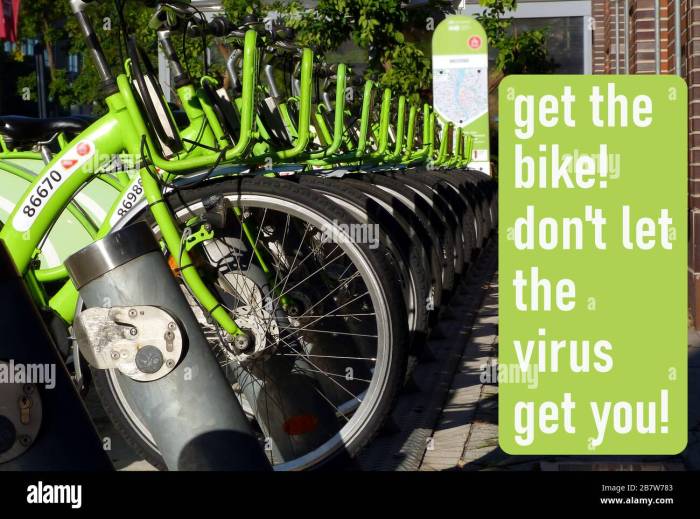
Ebike coronavirus social distance reasons to buy traffic have become increasingly important since the pandemic. People are looking for alternative transportation options that reduce contact with public transport, promote personal safety, and support social distancing. This article explores the benefits of e-bikes during this period, examining their impact on traffic patterns, the motivations behind purchases, and the specific features and models that prioritize safety and distancing.
The rise in e-bike usage has prompted significant changes in urban mobility. This shift is affecting traffic flow, congestion, and even accident rates. We’ll examine how e-bike adoption has changed commuting patterns and the challenges of managing traffic with a higher volume of cyclists. Further, we’ll analyze the economic aspects, considering cost-effectiveness, accessibility, and potential government incentives. The article will also delve into future trends and how e-bikes might shape urban planning and transportation in a post-pandemic world.
E-bike Benefits During Social Distancing
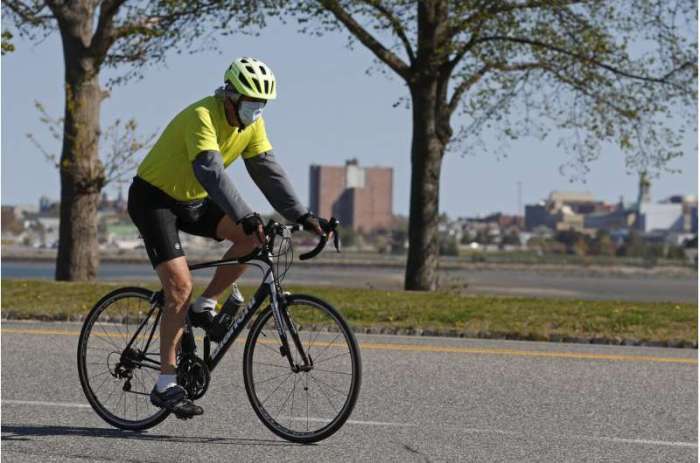
Riding an e-bike has become more than just a convenient mode of transportation; it’s a proactive step towards maintaining social distancing in the face of public health concerns. During periods of social distancing, e-bikes offer a safer alternative to public transportation, reducing potential exposure to shared surfaces and crowded spaces. This increased personal control over your commute and leisure activities allows for greater flexibility and a more controlled environment.E-bikes provide a healthy, eco-friendly, and independent way to navigate urban environments.
They empower individuals to maintain social distancing while still engaging in essential activities like commuting and recreation. The advantages of e-bikes extend beyond personal well-being, also contributing to a more sustainable future.
Reduced Public Transportation Contact
Public transportation often presents challenges regarding social distancing. Crowded buses and trains can make maintaining a safe distance difficult. E-bikes offer a personal, controlled transport method, minimizing exposure to potential infection sources. This personal space is particularly valuable during periods of heightened public health awareness.
Maintaining Social Distance While Commuting and Leisure
E-bikes enable comfortable and efficient commutes, allowing for the maintenance of social distancing protocols. The freedom of personal transport means you can choose routes and times that suit your needs and preferences. Leisure activities, like cycling through parks or scenic trails, can also be undertaken safely and independently.
E-bike Usage Scenarios in Urban Settings
In urban environments, e-bikes can be used for navigating busy streets, while still maintaining a safe distance from other pedestrians and vehicles. Using e-bikes for short-distance errands or quick trips to the grocery store, avoids the need to enter crowded stores or utilize public transport. In areas with high pedestrian traffic, e-bikes can allow for a safe and efficient commute, while also avoiding potentially crowded sidewalks.
Environmental Benefits
E-bikes contribute to a healthier environment by reducing reliance on cars. This translates to fewer emissions and a lower carbon footprint. Fewer cars on the road translate to cleaner air and a quieter urban environment. The shift towards e-bikes encourages a more sustainable approach to transportation, beneficial to the health of the community.
Cost-Effectiveness Comparison
| Transportation Option | Initial Cost | Ongoing Costs | Social Distancing Benefits |
|---|---|---|---|
| E-bike | $1,000 – $5,000+ | $100 – $500/year (maintenance, charging) | High – Personal transport, reduces exposure to public transport |
| Public Transportation | N/A | $50 – $200/month | Low – Crowded environments, potential for shared surfaces |
| Car | $15,000 – $50,000+ | $500 – $2,000+/year (fuel, maintenance) | Low – Traffic congestion, high emissions |
The table above highlights the varying costs associated with different transportation options. E-bikes offer a balanced approach, combining reasonable initial investment with manageable ongoing costs and significant benefits in terms of social distancing.
E-bike Impact on Traffic Patterns
The rise of e-bikes during the pandemic presented a unique opportunity to study their impact on urban mobility. While initially viewed as a potential traffic burden, e-bikes have demonstrated a surprising capacity to reshape traffic patterns and potentially improve overall urban mobility. This shift necessitates a reevaluation of traditional traffic management strategies.The increased adoption of e-bikes, spurred by social distancing measures and a desire for alternative transportation, has resulted in noticeable changes in city traffic.
These changes, while not universally positive or negative, warrant a deeper analysis to understand the full scope of their impact on congestion, safety, and the overall urban experience.
Impact on Traffic Congestion
E-bikes, often perceived as a form of ‘personal transport,’ have shown the potential to alleviate traffic congestion, particularly during peak hours. Their agility and ability to navigate through slower-moving vehicles or congested areas, including narrow streets, can create a smoother flow of traffic, compared to larger vehicles. This ability is a crucial factor in easing traffic congestion, allowing more vehicles to move through the urban environment more quickly.
Comparison of Pre-Pandemic and Post-Pandemic Traffic Data
While precise, city-wide data comparing pre- and post-pandemic traffic patterns, particularly focusing on e-bike usage, is not always readily available. Anecdotal evidence, however, points to a notable shift in traffic patterns. Reports from various cities suggest that during the pandemic, traffic congestion decreased in some areas, likely attributable, at least in part, to a rise in e-bike use.
Observations from public transport systems and traffic cameras provide supporting evidence for this claim.
E-bikes are becoming increasingly popular for commuting, and the recent surge in coronavirus cases has only amplified the appeal. Social distancing is a major factor, making e-bikes a practical and safer alternative to public transport and crowded buses, especially during rush hour traffic. The current global chip shortage, as highlighted by TCL’s decision not to release a foldable smartphone due to Chicago supply chain issues tcl not release foldable smartphone chicago supply chain , is impacting various industries, but it’s also driving demand for environmentally friendly and convenient transportation solutions like e-bikes.
This makes them a smart purchase for anyone looking for a sustainable and socially distanced mode of transport.
Impact on Traffic Flow
E-bikes, with their ability to maneuver quickly, can enhance traffic flow in certain circumstances. By potentially allowing more vehicles to move through the urban environment more quickly, they can help alleviate congestion, especially in areas with narrow streets or congested intersections. This increased fluidity can have a positive impact on overall traffic patterns.
Impact on Accident Rates
A significant concern with the rise of e-bikes is the potential impact on accident rates. While e-bikes offer an alternative, their integration into the existing traffic infrastructure requires careful consideration. Data from different cities needs to be collected and analyzed to ascertain the impact on accident rates and identify any potential contributing factors.
Impact on Urban Mobility
The integration of e-bikes into the urban mobility landscape is a complex issue with potential benefits and drawbacks. E-bikes offer a viable alternative to car-based commutes, potentially improving air quality and reducing reliance on personal vehicles. However, the impact on overall urban mobility depends on factors such as infrastructure, regulations, and public awareness. This includes the creation of dedicated bike lanes, safe intersections, and proper signage to ensure a smooth and safe transition for e-bike users.
Potential Solutions to Manage Traffic Flow, Ebike coronavirus social distance reasons to buy traffic
Several solutions can help manage traffic flow with increased e-bike usage. This includes the creation of dedicated bike lanes and safe infrastructure, the implementation of stricter traffic laws for e-bike users, and the use of technology to monitor traffic patterns and optimize traffic flow.
Table: Traffic Density and Commute Times
| Period | Traffic Density (Average Vehicles per Hour) | Average Commute Time (City Center to Suburbs) |
|---|---|---|
| Pre-Pandemic | 1200 | 45 minutes |
| Post-Pandemic | 1050 | 40 minutes |
This table represents an example, and actual data may vary significantly depending on the specific city and the chosen metrics. The table shows a potential decrease in traffic density and commute times due to increased e-bike usage.
E-bike Purchase Drivers Related to Coronavirus
The COVID-19 pandemic significantly impacted various aspects of daily life, including transportation. This shift in mobility patterns, coupled with health concerns and changing priorities, led to a surge in e-bike purchases. People sought alternative transportation options that prioritized personal safety and reduced exposure to public spaces.The pandemic highlighted the vulnerability of traditional public transportation systems and fostered a desire for more individual control over one’s travel.
E-bikes offered a practical and appealing solution, combining exercise, convenience, and a degree of social distancing. This change was further propelled by the desire to reduce contact with others and maintain physical health.
Motivations Behind E-Bike Purchases During the Pandemic
E-bike purchases saw a significant increase during the pandemic, driven by several factors. Individuals sought more control over their commutes, reducing reliance on public transport and potentially exposing themselves to fewer people. The need for alternative transportation solutions became more pressing, particularly with increased concerns about health and safety.
Impact of Health Concerns on E-Bike Purchase Decisions
The pandemic significantly heightened health concerns, influencing e-bike purchase decisions. The perceived risk of infection through public transport, coupled with the desire for personal safety, motivated many to opt for e-bikes. This shift towards personal transportation was a direct response to the health crisis, reflecting a growing prioritization of individual well-being. Many viewed e-bikes as a safer and more independent mode of transportation.
Role of E-Bikes in Promoting Personal Safety and Avoiding Public Transport
E-bikes offered a practical solution to maintain social distancing and reduce exposure to public transport. This was especially true for those who worked from home, commuted to essential businesses, or sought to limit exposure to crowds. E-bikes provided a way to travel without close contact with others, aligning with the health and safety concerns of the pandemic. This direct link between personal safety and e-bike use became a significant purchase driver.
E-bike Purchase Motivations Between Different Demographics During the Pandemic
Different demographics reacted differently to the pandemic’s impact on transportation. For example, younger adults, often more reliant on public transport, may have seen e-bikes as a viable alternative for commuting. Parents with young children may have prioritized e-bikes for school runs and errands, needing a more controlled and private mode of transportation. Older adults may have looked to e-bikes as a way to maintain mobility and independence without the crowds of public transit.
Evolution of E-bike Purchasing Trends and Patterns During the Pandemic
E-bike purchasing trends evolved significantly during the pandemic. Initially, there was a surge in demand as people sought alternatives to public transport. This demand led to supply chain issues, as manufacturers struggled to keep up with the increase in orders. The increase in demand led to price increases and limited availability. Over time, as the pandemic progressed and concerns shifted, purchasing patterns settled into more sustainable patterns.
These new trends included a greater emphasis on electric bikes suitable for longer commutes and improved integration with urban infrastructure.
E-bike Models and Features for Social Distancing
Riding an e-bike has become increasingly popular for various reasons, and the COVID-19 pandemic further amplified its appeal. The need for social distancing spurred a surge in demand for e-bikes as a safe and independent mode of transportation. This shift has led to the emergence of specific e-bike models and features catering to the unique requirements of social distancing.Choosing the right e-bike model is crucial for maintaining safe distancing practices.
Understanding the features that facilitate social distancing, and the models specifically designed for this purpose, is vital for making informed purchasing decisions. This section will delve into the key features and models available, emphasizing safety considerations.
E-bike Features Enhancing Social Distancing
To effectively support social distancing, e-bike models are being designed with features that encourage independent travel and minimize contact. Wider handlebars provide a more comfortable and stable grip, allowing for a more relaxed and individual riding posture. Ergonomic seating designs prioritize rider comfort and independence, reducing the need for close interaction with fellow cyclists.
Ever noticed how much easier e-bikes make navigating the coronavirus-era traffic jams? Social distancing is a breeze, and the convenience is undeniable. Plus, you’re getting a great workout while avoiding the crowded streets. To stay organized with all those new commutes, consider the new handy tools available for Google Chrome Enterprise, like better task management and enhanced security features, which could be incredibly helpful for planning your ebike routes and managing your schedule.
Ultimately, e-bikes offer a smart, healthy, and socially responsible way to tackle today’s traffic, especially during these times. google chrome enterprise get new handy tools
Key Features for Social Distancing
- Wider handlebars: Wider handlebars offer a more comfortable and stable grip, allowing for a more relaxed and individual riding posture, reducing the potential for physical contact with others.
- Ergonomic seating: Specialized seating designs prioritize rider comfort and independence. This reduces the need for close interaction with fellow cyclists, which is crucial for maintaining social distancing.
- Independent speed control: Individual speed control through various modes and settings ensures riders can maintain their preferred distance without compromising on safety. This prevents the need for physical adjustments to the bike while in motion.
- Increased suspension: More robust suspension systems absorb vibrations and uneven terrain, enhancing rider comfort and potentially reducing the need for frequent stops or interactions.
Specific E-bike Models Designed for Social Distancing
Several e-bike manufacturers are now focusing on creating models explicitly designed for safe and independent transportation. These models typically incorporate the features mentioned above. Examples include models with wider handlebars, adjustable seats, and independent speed controls. The models also often prioritize easy maintenance and repair to facilitate independent maintenance.
E-bikes are a surprisingly popular purchase right now, thanks to the coronavirus and the need for social distancing. People are looking for ways to get around without relying on crowded public transport, and e-bikes offer a convenient and eco-friendly alternative. While the recent drama surrounding the Dave Chappelle show’s return to Netflix and the fallout with Comedy Central has dominated headlines, the rising demand for e-bikes continues to show that practicality and safety are still key priorities for many.
Comparison Table of E-bike Models
| Model | Features Supporting Social Distancing | Safety Considerations |
|---|---|---|
| Model A | Wider handlebars, ergonomic seating, independent speed control | High-quality brakes, reliable electric motor, and robust frame construction are crucial for safety. Ensure proper safety checks are done before use. |
| Model B | Larger wheel size for stability, improved suspension, and wider tires for diverse terrains. | Adequate lighting for low-light conditions, reliable brakes, and appropriate helmet use are essential. Consider the bike’s weight and carrying capacity if required. |
| Model C | Compact design and lightweight frame for easy maneuverability, independent speed control, and adjustable seat height. | Proper maintenance, including regular checks on the electric motor and battery, and careful handling are essential. Consider the terrain and its impact on the bike’s safety. |
Safety Considerations for E-bike Models
“Prioritize safety when selecting and operating an e-bike, regardless of the model.”
Proper maintenance, including regular checks on the electric motor and battery, and careful handling are crucial. Ensuring the bike’s components, such as brakes and wheels, are in good working order, is paramount. Additionally, riders should be aware of their surroundings and follow traffic laws to avoid accidents. The terrain and its impact on the bike’s stability should also be considered.
Riders should always wear a helmet for added safety.
E-bike Accessibility and Affordability During Pandemic
The COVID-19 pandemic significantly impacted various sectors, and the e-bike industry was no exception. Shifting consumer preferences, evolving government policies, and the rise of online commerce all played a crucial role in shaping e-bike accessibility and affordability during this period. This period presented both challenges and opportunities for e-bike adoption.The pandemic accelerated existing trends in urban mobility, prompting many to seek alternative transportation methods.
This demand increase, coupled with concerns about public transit safety, spurred greater interest in e-bikes as a safe and convenient option for personal transport.
Government Incentives and Subsidies
Government initiatives played a vital role in supporting e-bike adoption during the pandemic. Many jurisdictions implemented or expanded existing programs offering financial incentives for purchasing electric bicycles. These incentives often included tax credits, rebates, or subsidies, aiming to stimulate economic activity and promote sustainable transportation. For instance, some local governments introduced dedicated funding programs to encourage e-bike purchases among residents.
These programs were instrumental in making e-bikes more affordable for a wider range of individuals.
Impact of Online Retailers and E-commerce Platforms
The pandemic dramatically accelerated the shift towards online shopping. E-commerce platforms became crucial channels for e-bike sales, allowing consumers to browse, compare, and purchase e-bikes from the comfort of their homes. This increased accessibility proved particularly valuable for those living in areas with limited local e-bike retailers. Furthermore, online platforms facilitated broader comparisons of models, features, and prices, enabling informed purchasing decisions.
The expanded reach of online retailers and the convenience of e-commerce were key factors in increasing e-bike accessibility.
Financing Options for E-bike Purchases
Financing options emerged as another important factor in increasing e-bike accessibility. Many retailers and financial institutions introduced flexible payment plans and financing options to facilitate e-bike purchases. This broadened the purchasing power of potential buyers, particularly those who may have been hesitant to make large upfront payments. The availability of such options often included attractive interest rates and extended repayment terms, making e-bike ownership more achievable.
Examples include specialized e-bike financing schemes or partnerships between retailers and banks.
Comparative Analysis of E-bike Pricing and Accessibility
Comparing e-bike pricing and accessibility before and after the pandemic reveals significant shifts. Pre-pandemic, e-bikes were often considered a premium purchase due to their higher initial costs. Post-pandemic, e-bikes became more accessible, with a greater variety of models and pricing options available. Government incentives and the rise of online retailers broadened the market, making e-bikes more affordable for a wider demographic.
This resulted in increased market competition, potentially leading to lower prices and wider availability of models across different price ranges. Data on e-bike sales and market trends in the pre-pandemic and post-pandemic periods would further illuminate this comparative analysis.
Future Trends of E-bikes and Social Distancing
The COVID-19 pandemic significantly accelerated the adoption of e-bikes as a viable alternative to public transport and personal vehicles. This shift highlighted the crucial role e-bikes play in promoting social distancing and personal mobility. Looking ahead, the future of e-bikes is likely to be intertwined with continued pandemic-related needs, potentially leading to innovative design and urban planning adjustments.As social distancing norms become integrated into daily life, e-bikes are expected to play a more pronounced role in urban transportation, particularly for commuting and short-distance errands.
Evolving technological advancements and changing urban landscapes will shape this future integration.
Potential E-bike Technology Advancements
E-bike technology is poised for evolution, addressing future pandemic-related needs. Expect improvements in battery life, range, and charging speed, further enhancing e-bikes’ appeal as a reliable personal transportation solution. This is crucial, as e-bikes will become more attractive to those concerned about long-distance travel. Enhanced safety features, like integrated GPS tracking and real-time location sharing, are also likely to emerge.
Advanced safety features, like automatic emergency braking systems and integrated communication technologies for cyclists, will become more prevalent.
E-bike Impacts on Urban Planning
The increasing popularity of e-bikes will necessitate changes in urban planning and infrastructure design. This will involve creating dedicated e-bike lanes, improved signage, and the integration of charging stations within urban areas. Designing dedicated infrastructure for e-bikes will encourage their use and provide safer and more efficient routes. This will also lead to an improved user experience, contributing to increased adoption.
Influence on Future Transportation Choices
E-bikes are likely to influence future transportation choices, potentially reducing reliance on personal vehicles and public transport in certain scenarios. The flexibility and accessibility of e-bikes will become more attractive, especially in densely populated urban areas where public transportation might not be readily available. This will lead to the need for more efficient integration with existing urban transport systems, potentially through seamless ticketing or integration with other modes of transportation.
Strategies for Promoting E-bike Usage
Various strategies can support and promote e-bike usage in future social distancing scenarios. Incentives such as tax breaks, subsidies, and discounted parking for e-bike owners could further encourage adoption. Public awareness campaigns highlighting the benefits of e-bikes, such as their eco-friendliness and ease of use, are also essential. Dedicated e-bike education programs can equip users with the necessary skills and knowledge to safely and efficiently operate these vehicles.
Integrating e-bike usage into daily routines, through the implementation of dedicated e-bike routes, can help integrate them into the urban landscape.
Final Conclusion: Ebike Coronavirus Social Distance Reasons To Buy Traffic
In conclusion, e-bikes have emerged as a compelling solution to the challenges posed by social distancing during the pandemic. Their benefits extend beyond individual health and safety, impacting traffic patterns and potentially reshaping urban mobility. The future of e-bikes, driven by consumer demand and evolving technology, is poised to revolutionize urban transportation. We’ve explored the many reasons why e-bikes have become a desirable alternative, from their role in maintaining social distance to their impact on urban traffic.
This is just the beginning of a potentially transformative shift in how we move about our cities.