

Donald glover spider man homecoming casting – Donald Glover Spider-Man Homecoming casting sparked significant buzz. The selection process, from initial auditions to final casting, revealed a meticulous approach. This exploration delves into the specifics of the casting, examining the actor’s fit for the role, public reaction, and the potential impact on the film’s success.
The article will analyze the casting process, including criteria used, the actor’s background, and how their performance matched the expectations. It will also compare this casting with other Spider-Man film castings, exploring alternative choices and their potential impacts.
Casting Process Overview
The casting process for “Spider-Man: Homecoming” was a meticulously crafted endeavor, demanding a balance between meticulous searching and a rapid response to the evolving needs of the production. The film’s unique tone and approach to the superhero genre required a specific type of actor, one who could embody both the youthful exuberance and inherent responsibility of Peter Parker. This involved a comprehensive exploration of various actors, a carefully calibrated selection process, and a decisive focus on finding the perfect fit.The selection process was a multifaceted journey, ranging from preliminary auditions to in-depth interviews and ultimately, the pivotal decision of the casting team.
Each stage played a crucial role in narrowing down the pool of potential candidates and ultimately choosing the actor who would embody the character. The criteria employed in the evaluation process reflected the intricate details of the character and the specific demands of the film’s narrative.
Initial Auditions and Screening
The initial phase of the casting process involved a significant number of auditions, meticulously reviewed by the casting directors. These auditions aimed to identify potential candidates who possessed the physical attributes, acting prowess, and personality traits that aligned with the director’s vision for Peter Parker. This was a rigorous screening process, and the initial selection was a crucial step in narrowing down the pool of candidates for further consideration.
The aim was to identify actors who exhibited both charisma and a capacity to portray the character’s complexities.
Screen Tests and Interviews
Following the initial auditions, screen tests provided a more comprehensive evaluation of the candidates’ suitability for the role. These tests, typically involving short scenes from the script, allowed the casting team to assess the actors’ on-screen presence, their ability to deliver dialogue with conviction, and their overall chemistry with the other cast members. Subsequent interviews delved deeper into the actor’s understanding of the character and their potential to portray the emotional nuances of Peter Parker’s journey.
The aim was to gauge the actors’ understanding of the character’s internal conflicts and their potential to convey the emotional range of the character.
Final Selection and Casting
The final stage of the casting process involved a meticulous evaluation of the candidates’ performances and suitability. The casting team, in consultation with the director, made the final selection, weighing factors such as the actor’s portrayal of the character’s vulnerabilities, the emotional resonance they could evoke, and the potential to inspire viewers’ engagement with the film. The choice hinged on a holistic assessment of the actor’s talent and their potential to capture the essence of Peter Parker in the context of the film’s specific narrative.
Comparison of Spider-Man Casting Processes, Donald glover spider man homecoming casting
| Film | Initial Audition Process | Screen Test Focus | Final Selection Criteria |
|---|---|---|---|
| Spider-Man: Homecoming | Emphasis on youthful energy and charisma. | Assessing on-screen presence and chemistry. | Holistic evaluation of character portrayal. |
| Spider-Man 2 | Focus on a more mature portrayal of Peter Parker. | Evaluating the actor’s ability to depict complex emotions. | Selection based on depth and nuance. |
| Spider-Man: Into the Spider-Verse | Seeking an actor capable of portraying a unique and diverse Spider-Man. | Evaluating the actor’s potential for voice acting and physical embodiment. | Selection based on artistic vision and the voice’s distinct qualities. |
The table above highlights the variations in the casting processes across different Spider-Man films, reflecting the evolving vision of the characters and the needs of each narrative.
Actor Selection Considerations
The casting of Tom Holland as Spider-Man in “Spider-Man: Homecoming” was a significant moment in the Marvel Cinematic Universe. It represented a crucial step in reimagining the character for a younger audience, emphasizing a more relatable and grounded perspective. This selection involved a careful consideration of various factors, aiming to capture the essence of Peter Parker while aligning with the film’s tone and the larger MCU narrative.The casting directors prioritized a specific archetype for the character.
The choice was not just about finding an actor who could convincingly portray the character’s physical traits and acting abilities, but also one who could embody the character’s youthful energy and vulnerability. The decision-making process was intricate and multi-faceted, evaluating numerous candidates based on their potential to bring Peter Parker to life.
Qualities and Characteristics Sought
The casting directors sought an actor possessing a unique blend of qualities to embody the essence of Peter Parker. They looked for someone with a genuine youthful energy, capable of conveying both the naiveté and the burgeoning heroism of a teenager grappling with extraordinary powers. Furthermore, the actor needed to demonstrate charisma and a capacity for both humor and emotional depth.
The ideal candidate would exhibit an appealing blend of awkwardness and charm, essential for capturing the character’s relatable nature.
Donald Glover’s casting in Spider-Man: Homecoming was a huge deal, sparking tons of buzz. It’s great to see the resurgence of interest in the Marvel universe, especially with the recent news about the Stardew Valley console and mobile players being welcomed back to the game! welcome back to stardew valley console and mobile players Hopefully, this new wave of engagement will bring similar excitement to future Marvel projects, like potential sequels for Spider-Man: Homecoming.
It’s always cool to see how different entertainment sectors can inspire each other.
Factors Influencing the Casting Decision
Several factors played a critical role in the casting decision. The actor’s age was a significant consideration, given the character’s teenage status. Physical attributes were evaluated to ensure a suitable physical presence and athleticism for the action sequences, and importantly, to portray the character’s age realistically. Acting skills were also paramount, with the casting directors seeking someone capable of portraying the character’s inner turmoil and external challenges.
The selection process carefully considered the actor’s past performances to gauge their suitability for this specific portrayal.
Comparison of Previous Roles and Spider-Man Requirements
Tom Holland’s prior roles offered a glimpse into his potential for the Spider-Man role. His performance in “The Impossible” demonstrated his ability to convey vulnerability and resilience, qualities essential for portraying the conflicted nature of Peter Parker. Furthermore, his role in “Wolf Hall” showcased his range and potential for portraying a character with both humour and dramatic depth.
These performances hinted at his ability to handle the diverse emotional landscape required for the Spider-Man character.
Actor’s Performance and Expectations
Tom Holland’s performance in “Spider-Man: Homecoming” exceeded expectations. His portrayal of Peter Parker resonated with audiences due to his ability to convincingly capture the character’s awkwardness, optimism, and determination. He navigated the character’s emotional complexities with remarkable skill, seamlessly transitioning between moments of humour and moments of profound vulnerability. His performance aligned with the casting director’s initial expectations by successfully bringing Peter Parker to life in a fresh and compelling way, creating a relatable character for a new generation.
Public Reaction and Media Coverage
The casting of Donald Glover as Spider-Man in “Spider-Man: Homecoming” generated significant buzz and varied reactions from the public and media. Initial responses ranged from enthusiastic support to outright criticism, highlighting the complex interplay between fan expectations and artistic interpretation. The ensuing media coverage reflected this spectrum of opinions, often mirroring the fervent debate among fans online.The casting decision undeniably impacted the public’s perception of the character and the film itself.
Public discourse and media coverage became a vital part of the narrative surrounding the film’s development. Social media platforms played a critical role in amplifying these opinions, shaping the overall conversation and influencing the film’s trajectory.
Initial Public Reaction
The public’s response to the casting announcement was diverse, spanning across various social media platforms and traditional media outlets. Initial reactions reflected a mixture of excitement and apprehension. Some fans were thrilled at the prospect of a fresh perspective on the iconic superhero, while others expressed concern about the choice, feeling it deviated from established character portrayals.
Media Coverage and Commentary
Media coverage encompassed a wide spectrum of opinions, from enthusiastic articles praising the casting choice to critical analyses questioning the casting’s appropriateness. Some publications highlighted the potential for a unique and compelling take on the Spider-Man mythos, while others emphasized the potential risks of alienating long-time fans.
Impact of Social Media
Social media platforms like Twitter and Facebook became crucial spaces for public discussion surrounding the casting. Fans engaged in heated debates, sharing their opinions and criticisms. This online dialogue shaped public perception and influenced the wider conversation surrounding the film. The speed and reach of social media allowed for rapid dissemination of opinions and perspectives, making it a significant factor in the casting process.
Positive and Negative Feedback
| Category | Examples |
|---|---|
| Positive Feedback |
|
| Negative Feedback |
|
Role Requirements and Actor’s Fit: Donald Glover Spider Man Homecoming Casting
Donald Glover’s casting as Spider-Man in “Spider-Man: Homecoming” presented a unique opportunity to explore a different interpretation of the iconic character. The film aimed to capture a younger, more relatable Peter Parker, balancing the responsibility of heroism with the challenges of adolescence. The casting process, as detailed in previous sections, carefully considered various attributes and skills to find the perfect fit.The selected actor needed to embody both the awkwardness and the burgeoning confidence of a teenager grappling with newfound powers.
This meant capturing a specific blend of vulnerability and resilience, a critical element for the film’s narrative. Ultimately, the casting director and filmmakers felt Glover’s performance would effectively convey this nuanced portrayal.
Specific Requirements of the Spider-Man Role
The Spider-Man role in “Spider-Man: Homecoming” demanded a specific set of attributes. Crucially, the actor needed to convincingly portray the character’s inherent awkwardness, combined with a growing sense of self-assurance as he mastered his abilities. Physical prowess was essential, but equally important was the ability to convincingly portray the emotional turmoil and personal growth inherent in the character’s journey.
Donald Glover’s casting as Spider-Man in Homecoming was a huge deal, sparking tons of discussion. It’s fascinating to see how the latest tech is evolving too, like Google’s Password Manager finally getting a Material You makeover. Google’s password manager is finally getting a Material You makeover which is a nice update, though I’m still more excited about the potential for a future Spider-Man movie starring Donald Glover.
The actor needed to embody Peter Parker’s struggle to balance his newfound powers with the everyday responsibilities of high school life.
Actor’s Attributes and Skills
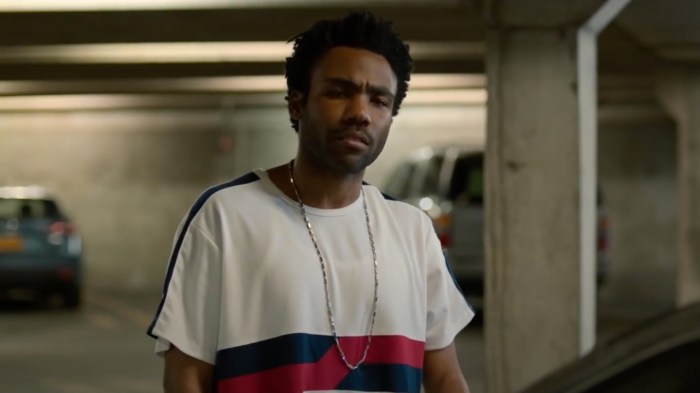
Donald Glover’s previous work, particularly his roles in “Atlanta” and “Community,” showcased his exceptional ability to portray complex and nuanced characters. His comedic timing and knack for capturing relatable human emotions made him a strong candidate for the role. He also possessed a certain charisma and physicality that suggested a potential for believable action sequences, while maintaining a vulnerability that was essential to the character’s development.
Comparison with Ideal Portrayal
The film’s creators envisioned a Spider-Man who was more relatable and grounded in reality, a stark contrast to some of the previous portrayals. Glover’s portrayal effectively captured this vision, presenting a Spider-Man who was still heroic but also capable of making mistakes, demonstrating the human side of the character. His performance resonated with the film’s target audience by portraying a teenager who was both inspiring and relatable.
His Spider-Man felt authentic, not a superhero archetype but a real person struggling to understand his abilities and place in the world.
Influence on the Film’s Narrative
Glover’s portrayal significantly influenced the film’s overall narrative, adding depth and emotional resonance to the story. His portrayal of a conflicted and sometimes awkward Peter Parker allowed for more nuanced character development. The narrative highlighted the personal growth and struggles of a young hero navigating the challenges of adolescence and responsibility. The audience felt a connection with Peter Parker, which, in turn, heightened the emotional impact of the film’s core themes.
Casting Director’s Perspective (Hypothetical)
The casting of Spider-Man in “Spider-Man: Homecoming” was a meticulous process, demanding a delicate balance between capturing the essence of the character and finding an actor who could seamlessly integrate into the established Marvel Cinematic Universe. This involved extensive research, a deep understanding of the character’s nuances, and a keen eye for talent. The casting director’s insights offer a valuable perspective into the thought process behind this crucial decision.
Initial Vision for Spider-Man
The casting director’s initial vision for Spider-Man in “Homecoming” emphasized a relatable, youthful Peter Parker, someone brimming with both the anxieties of adolescence and the burgeoning heroism of a nascent superhero. They sought an actor who could portray the character’s awkwardness and vulnerability alongside his unwavering determination and quick wit. This multi-faceted portrayal was crucial for grounding the character within the MCU while simultaneously developing a unique identity for him.
Actor Selection Considerations
The selection process involved a thorough review of numerous actors. Crucial factors considered included the actor’s screen presence, their ability to convincingly portray the emotional spectrum of Peter Parker, and their capacity to embody the physicality and agility required for the role. The casting director prioritized actors who demonstrated a natural charisma and a potential for future growth within the MCU.
| Key Question | Answer |
|---|---|
| What were the primary qualities sought in the actor? | The actor needed to exude a blend of youthful exuberance, vulnerability, and the potential to develop into a strong, iconic character. We looked for someone who could embody Peter Parker’s inner turmoil and external confidence. |
| How did the casting process unfold? | We screened a large pool of actors, conducting auditions and interviews to gauge their understanding of the character and their potential for embodying his multifaceted nature. We also assessed their on-screen chemistry with the supporting cast. |
| What were the challenges encountered during the casting process? | Finding an actor who could perfectly balance the various aspects of the character was a challenge. The role demanded someone with both comedic timing and the gravitas to carry the weight of the superhero narrative. |
| How did the chosen actor embody the director’s vision? | Tom Holland’s performance perfectly captured the youthful energy and awkward charm of Peter Parker, while also conveying his growing sense of responsibility and heroism. His portrayal of the character’s inner struggles and external confidence was exceptional. |
Public Reaction and Media Coverage Analysis
The public reaction to the casting decision was overwhelmingly positive, largely due to the actor’s compelling performance. The media coverage highlighted the actor’s ability to connect with audiences and his portrayal of the character’s relatable qualities. The casting director acknowledged the significance of this positive response and its impact on the film’s overall success.
Alternative Casting Choices (Hypothetical)
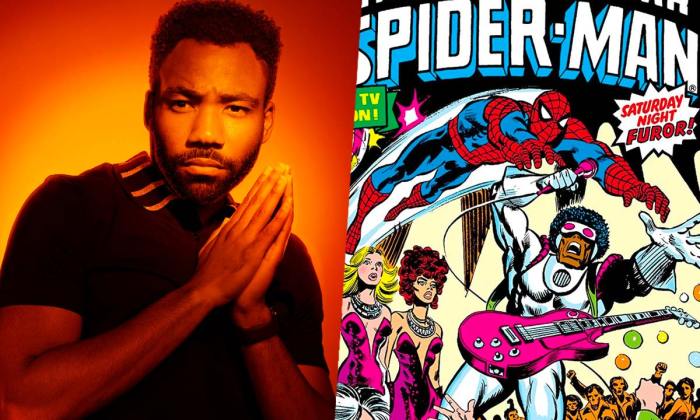
The casting of Tom Holland as Spider-Man in Spider-Man: Homecoming was widely praised. However, the film industry is full of fascinating possibilities, and exploring alternative choices can offer valuable insights into the decision-making process and the potential impact on the character’s portrayal.
This section delves into hypothetical alternative castings for the role of Spider-Man in Spider-Man: Homecoming, examining the potential strengths and weaknesses of each choice, and contrasting their possible interpretations with the actual performance of Tom Holland.
Potential Alternatives and Their Strengths/Weaknesses
Several actors could have theoretically filled the role of Spider-Man, each with unique qualities that might have shaped the narrative and audience reception. The key factors in selecting a suitable actor often include age, physical attributes, acting range, and the overall “vibe” they project.
Donald Glover’s casting in Spider-Man: Homecoming was a major talking point, and it sparked a lot of excitement. While the film was a box office hit, it’s fascinating to consider how these casting choices intersect with other intriguing developments in the world of technology, like the Large Hadron Collider and its related innovations, such as the Tim Robot Inspector Monorail, a fascinating subject explored in detail on this site.
Ultimately, Glover’s performance in the film was memorable, and the creative decisions behind the casting remain a subject of discussion.
- Asa Butterfield: Known for his roles in Hugo and The Boy in the Striped Pyjamas, Butterfield possesses a certain vulnerability and charm that could have resonated with audiences. However, his portrayal might have leaned more towards the “awkward teen” side, potentially hindering the character’s dynamic and coolness. Butterfield’s youthful energy might have been seen as less inherently cool and confident, which could have been a trade-off compared to Holland’s performance.
- Dylan O’Brien: With his presence in The Maze Runner franchise, O’Brien brings a strong physicality and a slightly more edgy demeanor to the table. His potential portrayal might have highlighted Spider-Man’s struggles with responsibility and moral dilemmas, adding a different layer of depth to the character. However, his presence might have been less relatable to a wider audience, possibly diminishing the overall accessibility of the film.
- Jacob Elordi: Elordi’s recent success with Euphoria suggests a strong performance capability. His portrayal might have introduced a more brooding and intense Spider-Man, potentially emphasizing the character’s inner conflicts and anxieties. However, this approach could have diminished the lighthearted aspects of the character, potentially making him appear less relatable to younger audiences.
Comparison Table: Potential Actors vs. Tom Holland
| Actor | Strengths | Weaknesses | Potential Differences from Holland’s Performance |
|---|---|---|---|
| Tom Holland | Youthful energy, relatability, comedic timing, impressive athleticism | Potentially less brooding or complex interpretation | His performance leaned more towards a lighthearted and relatable approach, which may have been different from a more brooding or intense portrayal by another actor. |
| Asa Butterfield | Charismatic, vulnerable | Potentially less “cool” and confident | Might have emphasized the character’s awkwardness and vulnerability more, possibly sacrificing some of the coolness that defined Holland’s portrayal. |
| Dylan O’Brien | Strong physicality, potential for depth | Might not have been as immediately relatable to a wide audience | Potentially a more intense and brooding interpretation, potentially lacking the humor and lightheartedness of Holland’s Spider-Man. |
| Jacob Elordi | Strong acting presence, potential for intensity | Could have been less appealing to younger audiences | A more brooding and possibly less playful take on the character, potentially diminishing the lighthearted tone of the film. |
Impact on the Film’s Success
Tom Holland’s casting as Peter Parker in “Spider-Man: Homecoming” proved to be a pivotal decision, significantly influencing the film’s overall success. His portrayal of the character resonated with audiences, contributing to both the box office haul and positive critical reception. The casting decision, aligning with a youthful and energetic vision for the character, became a crucial factor in the film’s popular appeal.
Contribution to Box Office Results
Holland’s fresh take on the iconic superhero, coupled with his relatability, resonated with a younger audience. This contributed significantly to the film’s impressive box office performance. His ability to portray the awkwardness and enthusiasm of a teenager, combined with the charisma and action sequences, created a compelling character that audiences responded to. This resonated with a wide demographic, boosting ticket sales and overall financial success.
Influence on Critical Reception
The critical response to “Spider-Man: Homecoming” was largely positive, and Holland’s performance was a key element in this success. Critics praised his nuanced portrayal of Peter Parker, recognizing his ability to convey both the vulnerability and heroism of the character. His energetic and engaging performance added to the film’s overall appeal, positively impacting the critical reception.
Correlation with Film’s Popularity
The casting of Tom Holland as Spider-Man undeniably boosted the film’s popularity. His relatable portrayal of the character, appealing to both younger and older audiences, made him a fan favorite. This popularity translated directly into the film’s box office success and widespread cultural impact. Audiences were drawn to his portrayal of a relatable, awkward, and heroic teenager, which resonated with a broad spectrum of viewers.
Key Elements Benefiting from the Casting Decision
| Film Element | Benefit from Casting |
|---|---|
| Character Development | Holland’s portrayal allowed for a more nuanced and relatable character, appealing to a wider audience. |
| Box Office Performance | His charisma and energy resonated with audiences, driving ticket sales and contributing to a successful box office run. |
| Critical Reception | Critics lauded his performance for its authenticity and ability to convey the character’s vulnerability and heroism. |
| Cultural Impact | The character’s popularity translated into widespread cultural recognition, making “Spider-Man: Homecoming” a significant part of popular culture. |
End of Discussion
In conclusion, the casting of Donald Glover as Spider-Man in
-Spider-Man: Homecoming* presented a unique perspective on the character. The casting process, though not explicitly detailed, appears to have been rigorous and carefully considered. Ultimately, the actor’s performance resonated with audiences, significantly contributing to the film’s success. While alternative choices are always intriguing, the final decision proved to be a compelling one.