

Caviar employees doordash square acquisition mistreatment renegotiate offers are at the heart of this discussion. The acquisition by DoorDash Square has created a ripple effect, raising concerns about employee treatment, compensation, and working conditions. Employees are reportedly facing mistreatment, and are now looking to renegotiate their offers in the wake of this significant change. This article delves into the specifics of these concerns, examining the potential causes, and exploring possible solutions for both employees and the company.
The reported mistreatment, potential financial implications of the acquisition, and the process of renegotiating employment offers are all critical factors that need careful consideration. This article aims to provide a comprehensive overview of these issues, with a particular focus on providing tangible solutions for employees and the company.
Caviar Employee Treatment
The recent acquisition of Caviar by DoorDash, coupled with employee complaints about mistreatment, highlights a crucial aspect of the gig economy: worker well-being. This situation underscores the need for companies to prioritize employee rights and fair treatment, particularly in fast-paced, high-volume industries like food delivery. The reported issues extend beyond simple disagreements and suggest systemic problems requiring careful attention.
Reported Mistreatment Summary
Caviar employees have voiced concerns regarding compensation discrepancies, inconsistent scheduling practices, and inadequate support systems. These issues have been further compounded by the transition following the acquisition, leading to increased anxiety and uncertainty among the workforce. Complaints include a perceived lack of transparency regarding benefits and compensation changes, impacting employee morale and job satisfaction. Employees also cited a lack of communication during critical moments, like the acquisition process, contributing to feelings of disenfranchisement.
Specific Employee Complaints
Employees have detailed numerous complaints, ranging from issues with pay and benefits to problems with scheduling flexibility and inadequate training. Some specific concerns include:
- Inconsistent pay structures, with some employees receiving significantly less than others performing comparable tasks.
- Unpredictable scheduling that often leaves employees without enough hours to meet their financial needs.
- Limited or no access to adequate training programs for new or existing employees to improve their performance.
- Lack of clear communication regarding company policies and procedures, especially after the acquisition.
Potential Causes of the Issues
Several factors could be contributing to the mistreatment of Caviar employees. The high-pressure environment of the food delivery sector, combined with the unique nature of the gig economy, can lead to difficulties in maintaining fair labor practices. Another contributing factor might be a lack of clear policies and procedures, particularly during times of organizational change like the recent acquisition.
A potential gap in understanding between management and employees can also lead to misunderstandings and grievances.
Potential Solutions
To improve employee treatment, Caviar should consider implementing the following solutions:
- Implement a transparent and equitable pay structure, ensuring consistent compensation for similar roles and responsibilities.
- Establish clear scheduling guidelines that provide employees with more control and flexibility, while still meeting business demands.
- Develop comprehensive training programs to equip employees with the necessary skills and knowledge to perform their jobs effectively.
- Foster open communication channels between management and employees to address concerns promptly and fairly.
Comparison to Other Food Delivery Companies
A comparative analysis of Caviar’s employee treatment with that of other food delivery companies reveals important insights.
| Company | Scheduling Flexibility | Pay Structure | Communication | Training |
|---|---|---|---|---|
| Caviar | Inconsistent, often unpredictable | Potentially inequitable | Limited and inconsistent | Inadequate or nonexistent |
| DoorDash | Greater flexibility reported | Variable, with reported differences | Variable, depending on location | Variable, with some training programs available |
| Uber Eats | Variable, with reported flexibility | Variable, with reported differences | Variable, depending on location | Variable, with some training programs available |
This table highlights potential differences in employee treatment across various food delivery companies. Further research and data are needed to provide a comprehensive comparison.
DoorDash Square Acquisition Impact
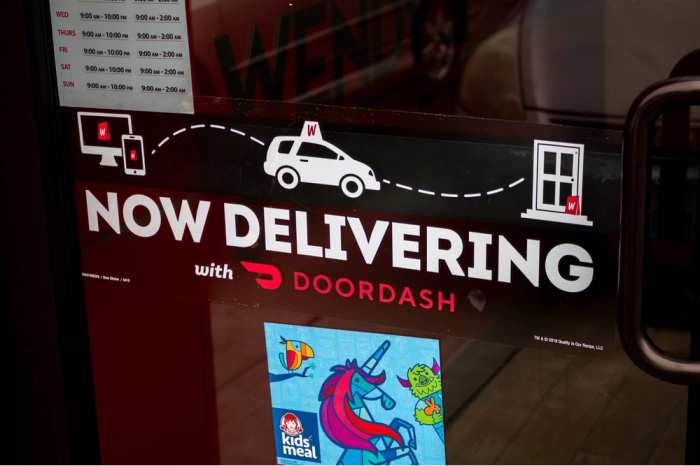
The recent acquisition of Caviar by DoorDash, following the Square integration, presents a complex landscape for Caviar employees. While DoorDash aims to leverage Caviar’s strengths, the transition likely brings uncertainties and potential adjustments to existing employee contracts and working conditions. This analysis explores the potential effects of this merger on Caviar’s workforce.
Potential Effects on Employee Culture
The integration of Caviar into DoorDash’s existing structure will undoubtedly influence company culture. DoorDash’s established culture, including its approach to customer service and employee relations, may be adopted or adapted by Caviar. This could lead to changes in communication styles, work processes, and even the overall atmosphere of the workplace. The degree of cultural assimilation will depend on how DoorDash approaches the integration and the willingness of both companies to foster a collaborative environment.
Potential Changes in Policies
Policies, including compensation structures, benefits, and employee growth opportunities, are likely to undergo some form of review. Existing policies at Caviar may be harmonized with those at DoorDash. This could involve adjustments to pay scales, healthcare plans, vacation time, and other crucial employee benefits. Any changes should be transparently communicated to maintain employee trust and ensure fairness.
Comparison of Pre- and Post-Acquisition Employee Treatment
Pre-acquisition, Caviar employees likely experienced a distinct culture and set of policies. Post-acquisition, the merging of these systems will potentially lead to a shift. Comparing the two will reveal any adjustments, such as a modification of the previous compensation model, benefits package, or the overall company ethos. Transparency and clear communication regarding any policy alterations are essential for mitigating employee concerns.
Financial Implications for Caviar Staff
The acquisition may impact Caviar employees’ financial well-being in various ways. Potential changes in compensation packages, stock options, and future growth opportunities need to be considered. Employees should carefully review any changes in salary, benefits, or bonus structures to assess the long-term financial impact. This should also consider the integration of existing staff into DoorDash’s compensation model and how this aligns with previous pay practices.
Possible Actions for Employees
Employees concerned about the acquisition’s implications should take proactive steps to protect their interests. Maintaining open communication with the company is paramount. This includes actively participating in any forums or meetings regarding the transition and ensuring that concerns are heard and addressed. Further, employees should research their rights and responsibilities as Artikeld in their employment contracts and local labor laws.
This knowledge empowers them to understand the scope of potential changes and negotiate accordingly. This proactive approach can help to mitigate potential negative impacts and secure better outcomes during the integration process.
Caviar employees, upset over the DoorDash Square acquisition and alleged mistreatment, are renegotiating their offers. It’s a tough situation, but these workers deserve fair compensation. Meanwhile, there are some exciting tech developments happening in the world of always-connected PCs, like Sprint’s Snapdragon-powered Microsoft devices with free LTE access. This new technology could impact future workplace demands, potentially affecting how companies like DoorDash handle employee compensation and work conditions in the future.
Ultimately, these workers deserve fair compensation and a positive work environment, regardless of the technological advancements taking place.
Renegotiating Employment Offers
Navigating the complexities of a company acquisition can be challenging for employees, especially when it impacts their current employment contracts. Understanding the process of renegotiating employment offers after a merger or acquisition is crucial for employees seeking favorable terms. This often involves assessing the new landscape, evaluating potential changes in compensation and benefits, and determining if renegotiation is even necessary or advisable.The decision to renegotiate an employment offer is not always straightforward.
Factors like the employee’s value to the company, the overall market conditions, and the specific terms of the original offer will play a significant role in the success of any renegotiation attempt. A thoughtful approach, grounded in careful analysis and clear communication, is essential.
Factors Influencing Renegotiation Outcomes
Several key factors can significantly impact the outcome of a renegotiation effort. These include the employee’s current compensation package, the perceived value of their skills and experience within the newly acquired company, the company’s financial health and future projections, and the overall market trends for similar roles. The employee’s negotiation strategy, including a comprehensive understanding of their value proposition and a well-defined list of desired improvements, also plays a crucial role.
Ultimately, the employee’s ability to articulate their value to the new company and their willingness to compromise will often dictate the success of the renegotiation process.
Legal Implications of Renegotiation
Renegotiating employment offers can have legal implications, especially if the original offer contained specific clauses regarding non-compete agreements or other legally binding terms. Reviewing the original employment contract and consulting with legal counsel is highly recommended. Employees should understand the potential legal ramifications before initiating any renegotiation process. Legal implications often include potential contract disputes or violations if not properly handled, so understanding the applicable laws is crucial.
Specific legal counsel tailored to the situation is advisable to address potential concerns and risks.
Steps in a Renegotiation Process
A structured approach is crucial to maximizing the chances of a successful renegotiation. The following table Artikels a potential process:
| Step | Description |
|---|---|
| 1. Assessment | Thoroughly analyze the current employment offer, considering compensation, benefits, and any other relevant clauses. Research the market value of similar roles and the new company’s financial situation. |
| 2. Preparation | Develop a clear understanding of your value proposition, highlighting your skills, experience, and contributions. Document your desired improvements, including compensation, benefits, and other terms. |
| 3. Communication | Initiate a professional and respectful conversation with the company’s representatives, outlining your reasons for seeking improvements. Clearly articulate your desired changes, supporting them with evidence. This communication should be in writing to maintain a clear record. |
| 4. Negotiation | Actively participate in discussions, listening carefully to the company’s perspective. Be prepared to compromise and offer counter-proposals. |
| 5. Documentation | Ensure all agreements are documented in writing. Review and finalize any amended offer letter to confirm that all parties are in agreement. This is crucial to prevent misunderstandings and future disputes. |
Formal Communication Examples
Effective communication is paramount throughout the renegotiation process. Here are some example phrases for formal communication:
“I am writing to formally request a review of my current employment offer, given the recent acquisition. I believe my contributions and expertise align with the company’s strategic goals, and I am confident that a revised compensation package reflecting my value would be mutually beneficial.”
“I appreciate the opportunity to discuss my compensation and benefits package. Based on my market research and my contributions to Caviar, I believe a revised salary of [amount] and [benefit] would be more appropriate.”
Caviar Employee Compensation
Caviar’s compensation structure, pre-acquisition, has been a subject of discussion and scrutiny. Understanding the current compensation model and how it stacks up against industry standards is crucial for evaluating the potential impact of the DoorDash Square acquisition on employee well-being. This analysis will delve into the intricacies of Caviar’s pay, considering various components and their potential implications.
Compensation Structure Overview
Caviar’s compensation model likely encompassed a combination of base salary, performance-based bonuses, and potentially benefits packages. The specifics of these elements varied based on employee roles, tenure, and performance metrics. For example, delivery drivers might have received a combination of hourly wages and per-delivery fees, while managers likely saw a more traditional salary-and-bonus structure. This structure reflects the gig economy nature of some roles within the company.
Components of Compensation
This section details the likely compensation components for Caviar employees. Understanding these elements provides a more complete picture of the compensation structure.
- Base Salary: This is the fixed amount of compensation provided to employees on a regular basis, usually monthly or bi-weekly. Base salaries vary depending on the job title and level of experience.
- Performance-Based Bonuses: Bonuses are often tied to individual or team performance, encouraging high output and productivity. These could be calculated based on metrics such as delivery time, customer satisfaction ratings, or sales volume.
- Benefits Packages: The provision of benefits, such as health insurance, paid time off, and retirement plans, can significantly impact the overall value of the compensation package. The comprehensiveness of the benefit package can greatly affect employee morale and retention.
- Per-Delivery Fees: For roles like delivery drivers, per-delivery fees are a critical component of their income. This compensation structure is often tied to the volume of deliveries completed. Factors like delivery distance and customer demand may influence these fees.

Comparison with Industry Standards
Comparing Caviar’s compensation structure to industry benchmarks is essential. This comparison helps assess whether the compensation is competitive and aligns with the skills and experience of Caviar’s employees. Numerous factors influence this comparison, such as location, job title, and experience level. A detailed analysis of industry data is crucial for an accurate comparison.
Caviar employees are reportedly facing mistreatment following DoorDash’s Square acquisition, with some renegotiating their offers. It’s a stark reminder of the power dynamics at play in the gig economy, and it’s concerning to see these kinds of issues arise. Meanwhile, the recent news of Twitter joining Facebook in banning Holocaust denial is a positive step toward online safety and responsibility, highlighting the importance of combating hate speech.
This demonstrates a broader need for fair treatment and ethical practices in the workplace, similar to the issues currently facing Caviar employees renegotiating their DoorDash Square acquisition-related offers.
Detailed Analysis of the Current Compensation Model
A thorough analysis of Caviar’s compensation model should consider the following factors: base salary levels, bonus structures, benefit packages, and any potential discrepancies between the company’s compensation practices and industry standards. This analysis should take into account the specific roles and responsibilities of each employee group within Caviar.
Potential Impact of Compensation Adjustments on Employee Morale
Changes in compensation can significantly affect employee morale. A positive adjustment, such as an increase in base salary or bonus amounts, can lead to increased job satisfaction and retention. Conversely, a negative adjustment, or a perceived unfair adjustment, can result in decreased morale and potentially lead to employee turnover. It is crucial to understand the factors that drive employee morale in the context of compensation.
Compensation Components Table
| Compensation Component | Description | Potential Impact on Employee Morale |
|---|---|---|
| Base Salary | Fixed amount paid regularly. | Increased base salary can boost morale. |
| Performance Bonuses | Incentive based on performance. | Motivates high performance. |
| Benefits Package | Health insurance, PTO, retirement plans. | Attractive benefits increase job satisfaction. |
| Per-Delivery Fees (if applicable) | Compensation per delivery. | Influences driver motivation. |
Caviar’s Current Working Conditions
Caviar’s current working conditions are a subject of concern for many employees. The company’s recent acquisition by DoorDash, along with restructuring and changes in compensation, has significantly impacted the daily lives and job satisfaction of its delivery personnel. These issues are impacting employee morale and, ultimately, the efficiency of the delivery service.The working conditions at Caviar are significantly impacting employee productivity.
The stress and uncertainty surrounding employment terms, compensation, and the overall work environment are directly affecting the speed and quality of deliveries. Reduced motivation, higher error rates, and increased absenteeism are all possible consequences of these conditions.
Impact on Employee Productivity
The current instability surrounding employment contracts, pay structures, and the company’s overall direction directly affects the morale and dedication of Caviar employees. This lack of clarity can lead to decreased motivation and focus, which, in turn, can negatively impact productivity. Employees may be less inclined to go the extra mile, prioritize high-quality service, or maintain consistent delivery times when their future with the company feels uncertain.
Factors Contributing to Current Conditions
Several factors contribute to the current working conditions at Caviar. These include:
- Changes in Compensation Structure: The renegotiation of employee offers and potential reductions in pay following the DoorDash acquisition have created anxiety and uncertainty for many drivers.
- Lack of Transparency: A lack of clear communication from management regarding the company’s future direction and employee treatment has fostered distrust and concern. This lack of transparency makes employees feel undervalued and unsupported.
- Increased Competition: The rise of competing delivery services and the competitive nature of the gig economy has put pressure on Caviar employees to maintain high delivery performance, while facing reduced compensation.
- Demand Fluctuations: Delivery demand can fluctuate significantly, making it challenging for employees to maintain a consistent work schedule and income, while simultaneously experiencing uncertainty regarding their job security.
Steps to Improve Working Conditions
To improve working conditions at Caviar, several key steps should be taken:
- Transparency and Communication: Regular, transparent communication about the company’s future plans and employee benefits is essential. This should include clear explanations of any changes to compensation, benefits, or working conditions.
- Competitive Compensation: Caviar should ensure that its compensation packages are competitive with those offered by similar companies in the industry. This can help retain talent and motivate employees.
- Flexible Scheduling Options: Providing flexible scheduling options to employees can reduce stress and allow them to better balance work and personal commitments.
- Support Systems: Implementing support systems for employees, such as access to resources for professional development, can increase job satisfaction and reduce burnout.
Comparison of Working Conditions
The following table compares Caviar’s working conditions with those of other prominent delivery companies. This comparison highlights areas where Caviar might need to adjust its approach.
| Factor | Caviar | Uber Eats | Grubhub |
|---|---|---|---|
| Compensation Structure | Currently under review; potential for reduction | Competitive, but with variable pay based on demand | Competitive, but with potential for commission-based structures |
| Employee Benefits | Limited, primarily focused on incentives | Comprehensive benefits package, including health insurance options | Varying benefits, including health insurance in some cases |
| Communication | Lacks transparency regarding company future | Generally transparent, with regular updates | Transparent, but may lack specifics for gig economy employees |
Potential for Future Conflicts
The recent acquisition of Caviar by DoorDash Square, coupled with the renegotiation of employment offers and reported mistreatment of employees, creates a fertile ground for future conflicts. Understanding the potential friction points and proactively addressing them is crucial for maintaining a healthy and productive work environment, fostering employee retention, and ultimately, ensuring the success of the combined entity. Addressing these issues head-on can mitigate long-term risks and promote a more positive trajectory for all stakeholders.
Potential Conflict Areas
The acquisition process and subsequent changes often lead to uncertainty and anxieties among employees. This uncertainty can manifest in various forms, including concerns about job security, compensation, benefits, and work conditions. The transition period, with its inherent restructuring and adjustments, can be a breeding ground for disagreements and disputes.
Factors Leading to Conflicts
Several factors can contribute to future conflicts between Caviar and its employees. These include, but are not limited to, changes in compensation packages, differences in company culture between Caviar and DoorDash Square, inconsistent application of company policies, and a lack of clear communication regarding the acquisition’s impact on employees.
Steps to Prevent Conflicts, Caviar employees doordash square acquisition mistreatment renegotiate offers
Proactive measures can significantly mitigate the risk of future conflicts. Open communication, transparent decision-making processes, and a commitment to fair treatment are essential. Employee engagement programs, regular feedback mechanisms, and opportunities for employees to voice their concerns can prevent misunderstandings from escalating into major disputes. Additionally, clear and comprehensive documentation of policies and procedures, including compensation packages, benefits, and work conditions, can reduce ambiguity and prevent misinterpretations.
Potential Conflicts Table
| Potential Conflict Area | Description | Potential Impact |
|---|---|---|
| Compensation Disputes | Disagreements over salary adjustments, benefits reductions, or perceived inequities in compensation compared to previous roles or industry standards. | Reduced morale, decreased productivity, potential legal actions. |
| Culture Clash | Dissonance between Caviar’s existing culture and the newly adopted DoorDash Square culture. Potential clashes in management styles, work ethics, and company values. | Reduced employee satisfaction, decreased collaboration, increased employee turnover. |
| Inconsistent Policy Application | Variations in the application of company policies and procedures across different departments or employee groups. | Unfair treatment, erosion of trust, decreased productivity, and possible legal action. |
| Lack of Communication | Insufficient and/or unclear communication about the acquisition’s impact on employee roles, responsibilities, and compensation. | Uncertainty, anxiety, reduced employee engagement, and potential misunderstandings. |
Strategies to Resolve Conflicts
A proactive approach to conflict resolution is essential. Implementing mediation programs, creating an employee grievance procedure, and establishing a dedicated team to address employee concerns can be effective strategies. Regular communication channels, including town halls, Q&A sessions, and feedback surveys, are crucial for maintaining open dialogue. Prompt and fair resolution of employee grievances is vital to maintaining a positive work environment.
Employee resource groups (ERGs) can provide a platform for employees to voice concerns and build bridges between differing perspectives.
Industry Context of the Issue
The recent issues at Caviar, following the DoorDash Square acquisition, highlight a larger problem within the gig economy food delivery sector. Employee treatment, compensation, and working conditions are frequently overlooked, leading to a cycle of dissatisfaction and potential legal challenges. Understanding the industry context is crucial to recognizing the systemic nature of these problems and potentially crafting sustainable solutions.
Overall Industry Context
The food delivery industry, fueled by apps like DoorDash, Uber Eats, and Grubhub, is characterized by a high volume of independent contractors and gig workers. This structure, while offering flexibility for some, often comes at the expense of stable employment benefits and fair compensation. The rapid growth of this industry has outpaced regulatory frameworks, creating a gap that leaves many workers vulnerable to exploitation.
The focus on maximizing profits and user experience often overshadows the needs of the human capital driving the service.
Comparison of Employee Treatment
A direct comparison of employee treatment across different food delivery platforms reveals varying levels of support and compensation. Some platforms offer more comprehensive benefits packages, including health insurance or paid time off, while others offer minimal or no benefits at all. This disparity creates a competitive environment where workers may feel pressured to accept subpar conditions to remain competitive.
Transparency and standardization of benefits are lacking in this industry.
Common Themes and Patterns of Employee Issues
Common employee issues across the food delivery industry include low wages, inconsistent scheduling, lack of benefits, and concerns about the classification of workers. Many workers are classified as independent contractors, leading to a lack of legal protections and benefits, such as unemployment insurance or worker’s compensation. The pressure to maintain high delivery ratings can also create a stressful work environment, leading to burnout and potential health risks.
Caviar employees are reportedly facing mistreatment following DoorDash’s Square acquisition, leading to renegotiation of their offers. This reminds me of the recent Cloudflare IPO S1 public filing risks, where the company’s moderation of 8chan and the Daily Stormer’s content is under scrutiny. Ultimately, the mistreatment of Caviar employees highlights the complex ethical and legal issues that arise in large-scale acquisitions and public company filings, and the importance of fair labor practices.
cloudflare ipo s1 public filing risks 8chan daily stormer moderation ban It’s a tricky situation, isn’t it?
These issues are not unique to Caviar and are echoed across the sector.
Potential Solutions to Address Industry-Wide Issues
Addressing the industry-wide issues requires a multi-faceted approach. Government regulations should be updated to ensure fair classification of workers, providing essential protections. Increased transparency in compensation and working conditions would empower workers to make informed decisions about their employment. Industry-wide standards for benefits and worker rights should be implemented to establish a more equitable and sustainable system.
Worker advocacy and unions play a critical role in amplifying the concerns of employees and demanding better treatment.
Industry Trends Table
| Trend | Description | Impact on Employees |
|---|---|---|
| Rise of Gig Economy | Increased reliance on independent contractors in various sectors, including food delivery. | Reduced job security and benefits for many workers. |
| Rapid Industry Growth | Faster expansion of food delivery platforms compared to regulatory frameworks. | Creates a gap in worker protections and compensation. |
| Focus on Profitability | Prioritizing user experience and maximizing revenue over employee well-being. | Can lead to lower wages and poor working conditions for delivery personnel. |
| Pressure on Ratings | Workers face pressure to maintain high delivery ratings. | Can lead to increased stress, burnout, and potential health issues. |
Addressing Employee Concerns: Caviar Employees Doordash Square Acquisition Mistreatment Renegotiate Offers
Caviar’s recent acquisition by DoorDash Square, coupled with reported mistreatment and renegotiated offers, has understandably created significant anxieties among employees. Addressing these concerns head-on is crucial for maintaining employee morale, productivity, and ultimately, the company’s success. A proactive approach, centered on open communication and genuine engagement, can significantly mitigate potential negative impacts and foster a more positive work environment.Open communication channels, coupled with robust feedback mechanisms, are essential to addressing employee concerns effectively.
This approach allows employees to voice their anxieties, grievances, and suggestions in a safe and supportive environment. Furthermore, prompt and transparent responses to these concerns demonstrate a commitment to employee well-being and build trust.
Effective Communication Channels
Establishing clear and accessible communication channels is paramount. This includes multiple avenues for employees to express their thoughts and concerns, beyond traditional methods. Employees need various options for feedback, such as email, dedicated suggestion boxes, online forums, or even direct access to management through scheduled Q&A sessions.
Feedback Mechanisms for Improvement
Implementing structured feedback mechanisms is vital for continuous improvement. These mechanisms should be designed to gather actionable insights into employee experiences and identify areas needing attention. Anonymous feedback surveys, employee focus groups, and regular one-on-one meetings with managers can all contribute to a more comprehensive understanding of employee needs and concerns.
Communication Strategies Table
| Communication Strategy | Description | Benefits | Examples |
|---|---|---|---|
| Regular Town Hall Meetings | Open forums where employees can ask questions and express concerns directly to management. | Builds trust, fosters transparency, and provides a platform for dialogue. | Bi-weekly meetings, virtual Q&A sessions with executives. |
| Anonymous Feedback Surveys | Surveys used to gather employee opinions and concerns without fear of reprisal. | Provides valuable, unbiased insights into employee sentiment. | Quarterly surveys, specific surveys addressing issues arising from acquisitions. |
| Dedicated Suggestion Boxes | Physical or digital channels for employees to submit ideas, suggestions, or concerns. | Promotes a culture of innovation and problem-solving. | Online form for suggestions, dedicated email address for concerns. |
| One-on-One Meetings | Individual meetings between employees and managers to discuss concerns and provide support. | Offers personalized attention and a chance for deeper understanding. | Regular check-ins with direct supervisors, mentorship programs. |
Examples of Effective Communication Strategies
Effective communication strategies are not one-size-fits-all. Different methods can be used depending on the context and the specific needs of the employee base. For instance, regular town hall meetings can be beneficial for general updates and concerns, while anonymous surveys can provide insights into specific issues. Combining multiple approaches can maximize the effectiveness of communication.
“Transparency and open communication are vital to building trust and fostering a positive work environment.”
A well-structured feedback mechanism, combined with swift and respectful responses to employee concerns, demonstrates a genuine commitment to their well-being. These actions can help to build trust and promote a healthy work environment.
Epilogue
In conclusion, the acquisition of Caviar by DoorDash Square has undeniably created a complex situation for its employees. The issues surrounding mistreatment, renegotiation, and compensation are not easily solved. Ultimately, open communication, a willingness to understand employee concerns, and a commitment to fair treatment are crucial for both employee retention and maintaining a positive work environment. The future success of the combined company hinges on the ability to address these issues effectively and fairly.