


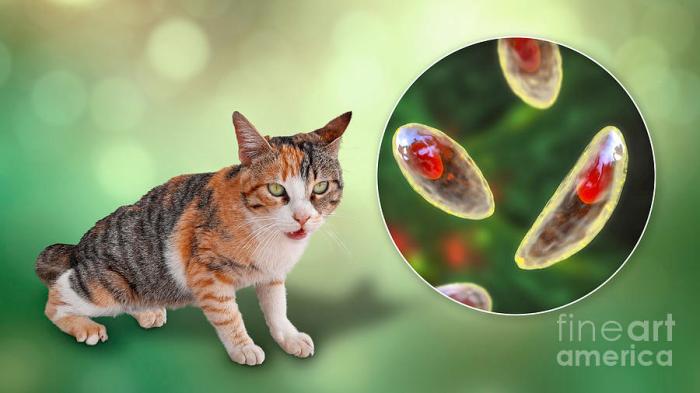
Cat mental illness health toxoplasma gondii parasite schizophrenia is a complex and fascinating area of study. This exploration dives into the potential link between Toxoplasma gondii infection, often transmitted by cats, and mental health conditions like schizophrenia. We’ll investigate the parasite’s life cycle, its possible mechanisms for impacting brain function, and the role cats play in transmission. This discussion will also cover diagnostic challenges, treatment approaches, and public health implications.
Understanding the potential interplay between feline companions and human mental well-being is crucial. This exploration aims to provide a comprehensive overview of the scientific evidence surrounding this connection, while also emphasizing the importance of responsible cat ownership and preventative measures. It’s a multifaceted issue with significant implications for both pet owners and public health.
Introduction to Toxoplasma gondii and its potential link to mental health conditions.

The microscopic parasiteToxoplasma gondii* is a ubiquitous pathogen, infecting a significant portion of the global population. Understanding its life cycle and potential impact on human health, including mental well-being, is crucial for public health initiatives and further research. This parasite’s ability to manipulate host behavior, including those related to mental health, has sparked considerable interest in the scientific community.The
- Toxoplasma gondii* life cycle involves a complex interplay between felines, as definitive hosts, and various intermediate hosts, including humans. Infection typically occurs through ingestion of contaminated food or water containing
- T. gondii* oocysts. Once ingested, the parasite transforms into tachyzoites, which rapidly multiply in the host’s cells. A crucial aspect of the infection is its ability to establish a latent infection, meaning that the parasite can remain dormant in the host tissues for extended periods, potentially reactivating later. This latent state can contribute to the long-term effects of the infection.
Toxoplasma gondii Infection Mechanisms and Mental Health
Several potential mechanisms link
- T. gondii* infection to mental health issues. The parasite’s ability to manipulate host immune responses and behavior is a key area of research. Infections can alter neurotransmitter levels, impacting mood regulation and cognitive function. Studies suggest that
- T. gondii* may directly affect brain structures involved in cognition and emotion, potentially leading to behavioral changes. The chronic nature of the infection, with the potential for reactivation, suggests a possible link to persistent mental health issues.
Research on Toxoplasma gondii and Schizophrenia
Studies exploring the association between
- T. gondii* infection and schizophrenia have yielded intriguing results. A substantial body of research suggests a possible correlation between the presence of antibodies to
- T. gondii* and an increased risk of developing schizophrenia. One significant study, conducted in a large cohort of individuals, found a statistically significant association between past
- T. gondii* infection and the diagnosis of schizophrenia, specifically focusing on the onset of the disease in early adulthood. This highlights the potential for
- T. gondii* infection to play a role in the development of schizophrenia.
Methodology and Findings of Specific Studies
Methodologies in these studies often involve analyzing serum samples for
- T. gondii* antibodies. Researchers use various statistical approaches to assess the correlation between antibody presence and schizophrenia diagnosis. Some studies have looked at the timing of infection relative to the onset of schizophrenic symptoms. Findings frequently point to a possible link, although the precise nature of the relationship remains a subject of ongoing investigation.
A study in the United States, for example, examined data from a large epidemiological survey, finding a higher prevalence of
- T. gondii* antibodies among individuals diagnosed with schizophrenia compared to control groups.
Comparison of Symptoms of Potential T. gondii-Associated Mental Health Conditions
| Condition | Symptoms |
|---|---|
| Schizophrenia | Hallucinations, delusions, disorganized thinking, abnormal motor behavior, negative symptoms (flat affect, avolition), and social withdrawal. |
| Bipolar Disorder | Extreme mood swings, fluctuating between periods of mania (elevated mood, increased energy, impulsivity) and depression (sadness, loss of interest, low energy). |
| Major Depressive Disorder | Persistent feelings of sadness, loss of interest in activities, changes in appetite and sleep patterns, fatigue, and difficulty concentrating. |
| Anxiety Disorders | Excessive worry, fear, and nervousness, often accompanied by physical symptoms such as rapid heartbeat, sweating, and difficulty breathing. Different types of anxiety disorders exhibit varying symptom profiles. |
Note: The symptoms listed above are general descriptions. Individual experiences and symptom presentations can vary significantly. A proper diagnosis can only be made by a qualified healthcare professional. The table provides a basic overview for comparative purposes.
Ever wondered about the link between cat mental health issues and the Toxoplasma gondii parasite? Some studies suggest a potential connection to schizophrenia, though more research is needed. Meanwhile, fascinating discussions are happening in the crypto world, like the one in “ask us anything liz lopatto and coindesks danny nelson answer your questions about the sam bankman f” here.
It’s fascinating how seemingly disparate topics can intertwine, raising questions about the complex interplay between biology, environment, and mental health, particularly in the context of these feline mental health concerns.
Symptoms and Diagnosis of Cat-related Mental Health Issues.
The potential link between exposure to cats, specifically theToxoplasma gondii* parasite, and mental health conditions like schizophrenia continues to be a subject of intense research. While definitive proof remains elusive, the growing body of evidence suggests a possible correlation. Understanding the potential symptoms and diagnostic methods is crucial for both individuals potentially affected and healthcare professionals.This exploration will delve into the nuanced symptoms associated with potential cat-related mental health issues, outlining diagnostic approaches, and highlighting the critical role of medical professionals.
It will also compare these symptoms to those of other conditions to provide a clearer understanding of potential correlations.
Ever wondered if a cat’s mental health could be linked to something like the Toxoplasma gondii parasite and schizophrenia? It’s a fascinating area of research, but thankfully, a great deal of affordable tech is also available. For example, check out this awesome deal on the ecovacs deebot x1 omni robot vacuum and Samsung Galaxy S22 Ultra at ecovacs deebot x1 omni robot vacuum samsung galaxy s22 ultra deal sale.
While that’s not directly related to feline mental health, it’s cool to see such amazing deals! Regardless, the potential connection between parasites and cat mental illness is still an active area of study.
Potential Mental Health Symptoms
Exposure toToxoplasma gondii*, possibly through contact with cats or contaminated food, might lead to a range of mental health symptoms. These can vary significantly in presentation and severity, making diagnosis challenging. Common symptoms include alterations in mood, cognitive difficulties, and behavioral changes. For example, some individuals might experience episodes of intense anxiety, while others may display decreased motivation or impaired concentration.
These symptoms could manifest subtly or dramatically, and their severity can vary considerably from person to person.
Diagnostic Methods for Potential T. gondii-Related Mental Health Conditions
Diagnosing mental health conditions, particularly those potentially linked to
- T. gondii* infection, necessitates a multi-faceted approach. It involves careful consideration of a patient’s medical history, including any known exposure to cats or contaminated food, and a thorough assessment of their presenting symptoms. Diagnostic criteria, such as those Artikeld in the DSM-5 (Diagnostic and Statistical Manual of Mental Disorders, 5th Edition), are essential in establishing a potential link.
Blood tests for
- T. gondii* antibodies can provide insights into past or present infections. Neuroimaging techniques, such as MRI or fMRI, may reveal structural or functional brain abnormalities potentially associated with the infection. Crucially, a comprehensive evaluation by a mental health professional, including psychological assessments and interviews, is essential to rule out other potential causes for the observed symptoms.
Role of a Medical Professional
A medical professional, ideally a psychiatrist or a physician with expertise in infectious diseases, plays a pivotal role in the diagnosis and management of potentialT. gondii*-related mental health conditions. They possess the necessary knowledge and skills to interpret the results of various diagnostic tests, integrate the patient’s medical history, and assess the presenting symptoms. Furthermore, they can coordinate care with other healthcare professionals, such as psychologists or neurologists, as needed.
The medical professional acts as a guide, ensuring that the patient receives appropriate treatment and support.
Comparison with Other Conditions
Symptoms associated with potential
- T. gondii*-related mental health conditions can overlap significantly with other mental illnesses. For instance, symptoms like mood swings, cognitive impairments, and behavioral changes can be present in conditions such as schizophrenia, bipolar disorder, and major depressive disorder. Careful consideration of the patient’s complete history, including any pre-existing conditions or stressors, is essential to differentiate between potential
- T. gondii* infection and other possible causes.
Potential Symptoms of Schizophrenia (Potentially Related to T. gondii Infection)
| Symptom | Description |
|---|---|
| Delusions | False beliefs that are firmly held despite evidence to the contrary. These can be persecutory, grandiose, or somatic. |
| Hallucinations | Sensory experiences that occur in the absence of external stimuli. Auditory hallucinations are common in schizophrenia. |
| Disorganized Thinking | Problems with the flow and organization of thoughts, often leading to incoherent speech. |
| Negative Symptoms | Diminished or absent expression of normal behaviors, such as reduced emotional responsiveness, apathy, and social withdrawal. |
| Grossly Disorganized or Abnormal Motor Behavior | Unpredictable or unusual behaviors, ranging from agitation to catatonia. |
| Significant Deterioration in Social or Occupational Functioning | A noticeable decline in the ability to maintain relationships or perform daily activities. |
This table provides a concise overview of potential symptoms associated with schizophrenia. It is crucial to remember that the presence of these symptoms does not definitively indicate aT. gondii* infection, and a comprehensive diagnostic evaluation is essential.
Impact of Toxoplasma gondii on the Brain and Cognitive Function
The Toxoplasma gondii parasite, often transmitted through contact with cat feces, has a complex relationship with the human brain. While the majority of infections are asymptomatic, some research suggests a potential link between chronic infection and a range of neurological and cognitive impairments. Understanding the mechanisms through which T. gondii affects brain function is crucial to comprehending its potential role in mental health conditions like schizophrenia.The parasite’s ability to manipulate host cells and evade the immune system allows it to establish persistent infections in various tissues, including the brain.
This persistence can lead to a cascade of events impacting neuronal function and ultimately cognitive abilities. The parasite’s impact on brain structure and the associated neurological pathways is an area of ongoing research.
Potential Brain Targets of T. gondii
The parasite’s interaction with the brain is multifaceted, potentially affecting various neurological structures and pathways. Specific regions of the brain, including the hippocampus and prefrontal cortex, are suspected to be particularly vulnerable. The hippocampus is crucial for memory formation and spatial navigation, while the prefrontal cortex plays a vital role in executive functions like attention, planning, and decision-making. These regions are often affected in neurological and psychiatric conditions, suggesting a possible connection with T.
gondii infection.
Recent research suggests a potential link between the Toxoplasma gondii parasite and schizophrenia in cats, raising fascinating questions about mental health in animals. This, of course, makes one wonder about the bigger picture of animal health and potential parallels in the human world. Interestingly, Apple’s pullout from the latest OpenAI funding round ( apple pulls out of latest openai funding round ) might be a reflection of a broader shift in tech investments.
Perhaps this also hints at a need for more funding in research on animal mental health, especially given the potential connections between the Toxoplasma gondii parasite and mental illness. The ongoing investigation into these issues is crucial for a better understanding of animal well-being.
Impact on Cognitive Functions
T. gondii infection may affect several cognitive functions, including memory, attention, and decision-making. Impaired memory could manifest as difficulties in recalling information, learning new material, or retaining past experiences. Attention deficits may result in difficulties focusing, sustaining concentration, or filtering out irrelevant information. Compromised decision-making abilities could lead to poor judgment, impulsivity, or difficulty adapting to new situations.
These impairments could potentially contribute to a range of neurological and psychiatric conditions.
Research on T. gondii and Brain Function
Studies have investigated the impact of T. gondii infection on brain structure and function. Some research has found correlations between T. gondii antibody levels and reduced gray matter volume in specific brain regions, particularly those associated with memory and executive functions. These findings suggest that chronic infection may contribute to structural changes in the brain.
Other studies have explored the impact of T. gondii infection on neurotransmitter systems, further highlighting the potential for widespread functional impairments. For instance, alterations in dopamine levels, which are crucial for various cognitive processes, have been linked to T. gondii infection in some studies. Further research is needed to fully understand the causal relationships between T.
gondii and cognitive decline.
Potential Cognitive Deficits Associated with T. gondii Infection
The following table Artikels potential cognitive deficits associated with T. gondii infection, including potential links to schizophrenia. Note that these are correlations and further research is needed to establish causal relationships.
| Cognitive Deficit | Potential Impact on Schizophrenia Risk | Explanation |
|---|---|---|
| Impaired Working Memory | Possible | Difficulty holding and manipulating information in mind, potentially affecting planning and problem-solving abilities. |
| Reduced Attention Span | Possible | Difficulty sustaining focus on tasks, leading to disruptions in learning and daily activities. |
| Executive Dysfunction | Possible | Problems with planning, organization, and decision-making, potentially contributing to disorganized behavior. |
| Impaired Verbal Fluency | Possible | Difficulty generating words and expressing thoughts clearly, potentially affecting communication skills. |
| Decreased Processing Speed | Possible | Slower information processing, potentially affecting overall cognitive performance and reaction time. |
The Role of Cats in Toxoplasma gondii Transmission.
Feline companions, while beloved members of many households, play a crucial role in the life cycle of
- Toxoplasma gondii*, a parasite that can pose a risk to human health. Understanding this role is vital for minimizing the risk of infection and ensuring the well-being of both cats and their human companions. This exploration delves into the intricacies of
- T. gondii* transmission through cats, emphasizing preventative measures and responsible pet ownership.
TheToxoplasma gondii* parasite relies on felines for a critical stage of its life cycle. Cats are the only definitive hosts, meaning they are the only animals in which the parasite can sexually reproduce. This reproduction generates infectious oocysts, microscopic eggs that are shed in cat feces. These oocysts then contaminate the environment, posing a potential threat to humans and other animals.
Proper cat care practices are thus essential in mitigating the spread of this parasite.
Feline Role in theT. gondii* Life Cycle
Cats become infected by consuming infected prey, such as rodents or birds. Within the cat’s intestines, the parasite undergoes sexual reproduction, producing oocysts. These oocysts are released in the cat’s feces and can contaminate the environment within hours of their production. This means that cats who are not properly cared for can spread the parasite widely. The environment can become a significant reservoir forT.
gondii*, and maintaining proper hygiene is critical.
Transmission ofT. gondii* to Humans
Humans can become infected withT. gondii* through various routes. The most common route is ingestion of contaminated food or water. Food can become contaminated by contact with cat feces, particularly if the food is not properly washed or handled. Uncooked or undercooked meat from infected animals can also transmit the parasite.
Additionally, contact with contaminated soil or sandboxes can lead to infection. Outdoor cats, especially those that hunt and defecate in outdoor environments, significantly increase the risk of environmental contamination.
Comparison of Cat Ownership Practices and Risk
Different approaches to cat ownership can significantly impact the risk ofT. gondii* transmission. Indoor-only cats, confined to the home, are less likely to come into contact with infected prey and thus less likely to shed oocysts in the environment. Outdoor cats, on the other hand, have increased exposure to infected prey and increased opportunities to contaminate the environment.
Methods for Minimizing Risk ofT. gondii* Infection from Cats
Various measures can help reduce the risk ofT. gondii* infection from cats. Regularly cleaning litter boxes, ideally daily, is a fundamental practice. Using a scoop and disposable bags, immediately disposing of the waste in a sealed container, and washing hands thoroughly after handling litter are critical. Maintaining a clean environment around the litter box and discouraging cats from defecating outside is crucial.
Considering the importance of a clean environment, maintaining a clean and sanitary space around the litter box is important. The careful handling and proper preparation of food is crucial in minimizing risk. Avoiding contact with cat feces, soil, or sand that may be contaminated, and encouraging regular veterinary checkups to ensure the cat’s health are vital.
Table of Risks Associated with Different Cat Ownership Practices
| Cat Ownership Practice | Potential Risk ofT. gondii* Transmission |
|---|---|
| Indoor-only cats | Lower risk, as exposure to infected prey is limited. |
| Outdoor cats with access to the outdoors | Higher risk, due to increased exposure to infected prey and environmental contamination. |
| Outdoor cats with limited outdoor access | Moderate risk, depending on the cat’s access to potential sources of infection. |
| Cats with regular veterinary checkups and parasite prevention | Lower risk, as early detection and treatment can minimize parasite shedding. |
Current Research and Treatment Approaches
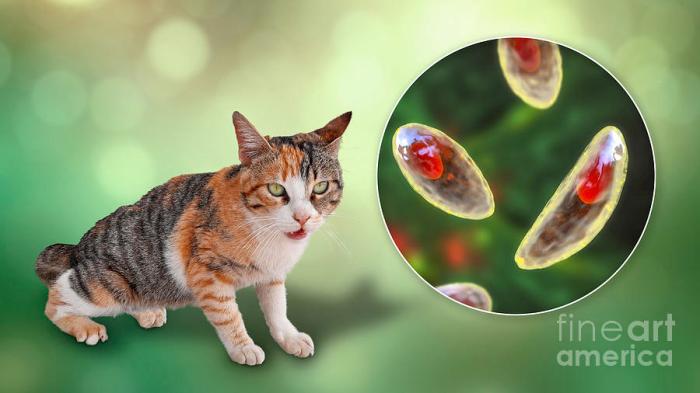
The quest to understand the intricate relationship betweenToxoplasma gondii* and mental health conditions, particularly schizophrenia, continues to be a complex and challenging endeavor. While a definitive causal link remains elusive, mounting evidence points towards a potential correlation. This exploration delves into the current research efforts and available treatment strategies, acknowledging their limitations and highlighting areas needing further investigation.Current research exploring the connection betweenT.
gondii* and schizophrenia investigates various factors. These include genetic predisposition, immune responses, and the parasite’s impact on brain development. The ongoing quest for a clear causal link underscores the intricate interplay of biological, environmental, and psychological elements contributing to mental illness.
Research Exploring theT. gondii*-Schizophrenia Connection
Research into the
- T. gondii*-schizophrenia link employs a multifaceted approach, often combining epidemiological studies with laboratory investigations. These studies examine the prevalence of
- T. gondii* infection in individuals with schizophrenia compared to healthy controls. Further investigations analyze the potential impact of the parasite on neurotransmitter systems, brain structure, and cognitive function. The goal is to establish a more precise understanding of the parasite’s role in the development and progression of schizophrenia. Significant gaps remain in our understanding of the complex mechanisms underlying this potential correlation.
Treatment Approaches for PotentialT. gondii*-Related Mental Health Conditions
The treatment strategies for mental health conditions, potentially linked toT. gondii*, generally focus on managing the symptoms rather than directly targeting the parasite itself. This is primarily because the presence of the parasite is often difficult to definitively establish and there are currently no approved medications targeting the parasite in the context of mental health conditions. Current treatment approaches are similar to those for other mental health conditions and involve a combination of therapies.
Summary of Treatment Approaches
- Antipsychotic Medications: These medications help manage the positive symptoms of schizophrenia, such as hallucinations and delusions. However, they don’t directly address the parasite’s potential role.
- Cognitive Behavioral Therapy (CBT): CBT helps patients identify and change negative thought patterns and behaviors associated with their mental health condition. This approach can be beneficial in managing the symptoms regardless of the underlying cause.
- Antidepressants: Antidepressants may be used to treat associated symptoms of depression or anxiety, common comorbidities in individuals with schizophrenia. Their effectiveness on conditions potentially related to
-T. gondii* requires further research. - Mood Stabilizers: Mood stabilizers may help manage mood swings and other associated symptoms in certain cases. Their role in
-T. gondii*-related conditions is yet to be fully elucidated.
Effectiveness and Limitations of Treatment Approaches
The effectiveness of these treatment approaches varies significantly depending on the individual and the severity of the condition. While antipsychotics are often effective in managing the positive symptoms of schizophrenia, they can have side effects, and their efficacy in conditions potentially influenced byT. gondii* is not fully established. Similarly, the effectiveness of other therapies depends on patient adherence and the complexity of the individual’s condition.
Challenges in Treating Mental Health Conditions Potentially Influenced byT. gondii*
Diagnosing the potential role of
- T. gondii* in mental health conditions presents significant challenges. The absence of specific diagnostic tests for
- T. gondii*-related mental health conditions makes it difficult to isolate the parasite’s influence. The potential influence of other genetic and environmental factors further complicates the diagnosis and treatment process. Further research is crucial to develop more precise diagnostic tools and targeted therapies. Research efforts should focus on developing specific diagnostic tools, exploring the complex interplay between
- T. gondii*, genetics, and environment, and developing targeted therapies.

Areas Requiring Further Exploration
The research community needs to address several critical areas for a more comprehensive understanding of the
T. gondii*-mental illness connection. These include
- Developing sensitive and specific diagnostic tools: More reliable and accurate methods to identify
-T. gondii* infection in individuals with mental health conditions are needed. - Investigating the mechanisms of parasite-host interaction: A deeper understanding of how
-T. gondii* interacts with the brain and nervous system is crucial to developing targeted treatments. - Exploring the role of environmental factors: Studies need to investigate how environmental factors, in combination with
-T. gondii* infection, may contribute to the development of mental illness.
Public Health Implications and Prevention Strategies
The potential link between Toxoplasma gondii infection and mental health conditions raises significant public health concerns. Understanding the transmission pathways and preventative measures is crucial for mitigating the risk and promoting overall well-being. Effective public health strategies must consider the intricate interplay between environmental factors, personal choices, and the potential for widespread impact.
Public Health Implications of T. gondii Infection
The implications of T. gondii infection extend beyond individual health. A significant portion of the global population is infected with T. gondii, yet the prevalence and potential impact on mental health are still under investigation. The possibility of a correlation between infection and mental illness, particularly schizophrenia, necessitates public health interventions.
Public health officials must prioritize research to quantify the relationship and develop targeted strategies. This will be critical in allocating resources and shaping preventative programs.
Preventing T. gondii Infection: Personal Hygiene and Food Safety
Maintaining meticulous hygiene practices is paramount in preventing T. gondii infection. Washing hands thoroughly after contact with soil, particularly after gardening or handling pets, is a fundamental step. Proper food preparation and handling are equally important. Thorough cooking of meat, especially pork, lamb, and venison, to internal temperatures exceeding 60°C (140°F) is essential.
Avoiding undercooked or raw meat and produce, including unpasteurized dairy products, can significantly reduce the risk.
Raising Awareness of Cat Ownership and T. gondii
Educating the public about the role of cats in T. gondii transmission is vital. While cats are not the sole vector, they are an important part of the transmission cycle. Promoting responsible cat ownership, including regular parasite prevention treatments and proper sanitation practices, can contribute to reducing the risk of human infection. Public awareness campaigns should emphasize the connection between cat ownership, environmental hygiene, and overall health.
Seeking Medical Attention for Mental Health Concerns
If individuals experience persistent mental health issues, seeking professional medical attention is crucial. Mental health conditions, whether related to T. gondii infection or other factors, should be evaluated and addressed by qualified healthcare professionals. Early diagnosis and intervention are critical for effective treatment and management of these conditions. The support of mental health professionals is vital for the well-being and recovery of individuals experiencing mental health challenges.
Recommended Practices for Preventing T. gondii Infection and Promoting Mental Health, Cat mental illness health toxoplasma gondii parasite schizophrenia
| Practice Area | Specific Recommendations |
|---|---|
| Personal Hygiene |
|
| Food Safety |
|
| Environmental Hygiene |
|
| Mental Health |
|
Last Word: Cat Mental Illness Health Toxoplasma Gondii Parasite Schizophrenia
In conclusion, the potential connection between cat mental illness health toxoplasma gondii parasite schizophrenia is a complex and multifaceted issue. While more research is needed to fully understand the intricacies of this relationship, this exploration has highlighted the potential impact of Toxoplasma gondii infection on brain function and mental health. Responsible cat ownership practices, combined with a proactive approach to mental health awareness, are crucial in mitigating potential risks.
Ultimately, this discussion underscores the importance of ongoing research and collaboration to address this emerging area of concern.