


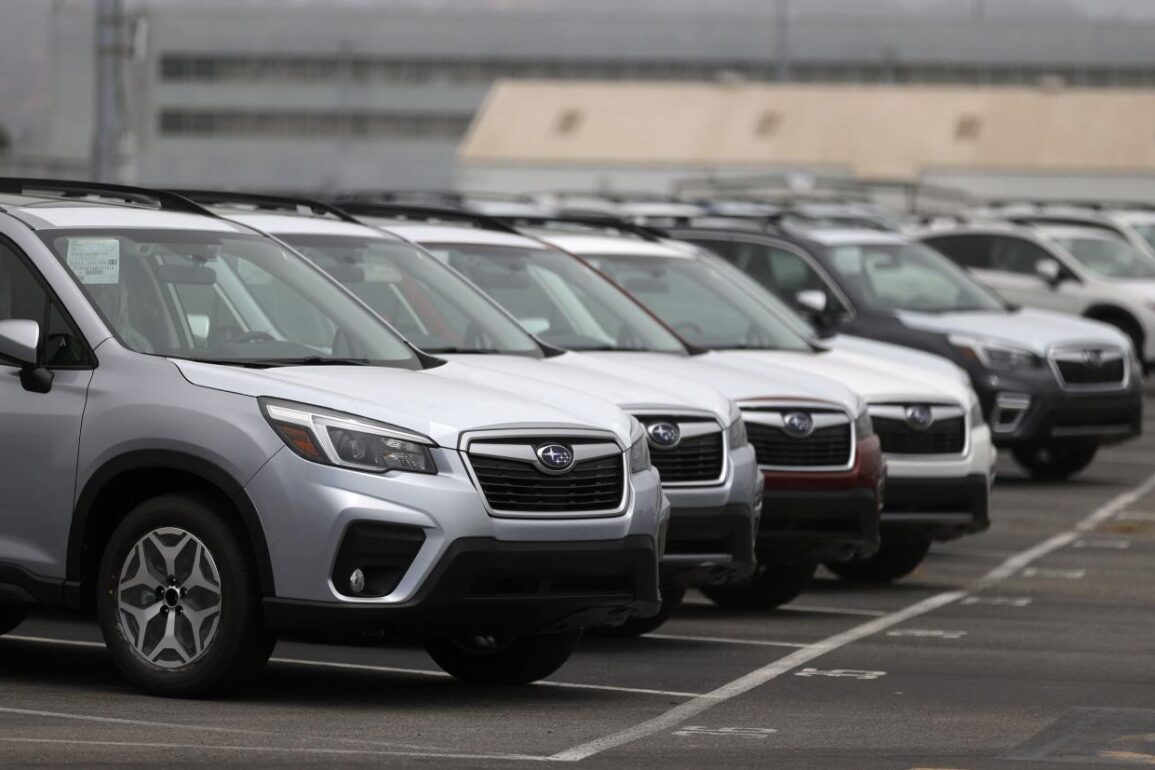
Carvana pandemic used car prices sold online chip shortage sets the stage for a fascinating look at the tumultuous used car market. The pandemic dramatically altered the way we buy cars, with online platforms like Carvana exploding in popularity. But this shift wasn’t without its challenges. The global chip shortage, coupled with increased demand, led to soaring prices, creating a complex web of factors influencing the market.
This exploration delves into the historical context, Carvana’s role, the chip shortage’s impact, and the future outlook of this dynamic market.
The used car market before the pandemic was relatively stable, with prices reflecting typical supply and demand dynamics. However, the pandemic’s effects were immediate and profound, creating a perfect storm of factors that drove prices up. Lockdowns, supply chain disruptions, and increased demand for personal transportation all played key roles in the shift. Carvana, a prominent player in the online used car market, experienced unprecedented growth during this period, showcasing the growing popularity of online vehicle sales.
Impact of the Pandemic on Used Car Market
The used car market experienced a dramatic transformation during the COVID-19 pandemic, marked by unprecedented price surges and shifts in consumer behavior. Understanding the factors driving these changes is crucial for navigating the current landscape and anticipating future trends. This analysis will explore the historical context of used car prices, the pandemic’s impact, and the resulting shifts in the market.The used car market, before the pandemic, exhibited relatively stable price fluctuations.
While occasional price spikes and dips occurred due to economic conditions and seasonal variations, the overall trend was one of gradual, predictable change. Supply and demand dynamics were relatively balanced, leading to more predictable pricing.
Remember those crazy car prices during the pandemic? Carvana’s used car sales online exploded, but the chip shortage was a major factor driving up prices. It’s fascinating how tech companies are now responding to these challenges, and I just read about a new sleep-enhancing device from Amazon. The Amazon Halo Rise tabletop sleep sensor wake-up lamp is interesting, but the underlying economic forces of the chip shortage and the boom in online car sales still impact the prices we see for cars today.
It really highlights how interconnected everything is.
Historical Overview of Used Car Prices
Used car prices, before the pandemic, were generally influenced by factors like vehicle condition, mileage, make, and model. Market trends were also impacted by broader economic conditions and consumer preferences. Supply and demand were relatively stable, with available inventory usually matching consumer demand.
Carvana’s used car prices skyrocketed during the pandemic, fueled by online sales and a global chip shortage. It’s a fascinating case study in supply and demand, but what about the personal data on your phone? If your Samsung Galaxy S21 needs repair, Samsung’s repair mode can help safeguard your accounts, messages, and pictures, ensuring your privacy isn’t compromised in the process.
This highlights a crucial aspect of the current used car market, and the importance of protecting personal information in the digital age.
Factors Contributing to the Surge in Used Car Prices During the Pandemic
Several interconnected factors fueled the dramatic increase in used car prices during the pandemic. The combination of reduced new car production, supply chain disruptions, and increased consumer demand for used vehicles created a perfect storm that drove prices significantly higher.
Relationship Between Lockdowns, Supply Chain Disruptions, and Increased Demand
Lockdowns and restrictions imposed during the pandemic significantly impacted the supply chain for both new and used cars. Production facilities were temporarily shut down, and the flow of parts and components was disrupted. Simultaneously, consumers, facing restrictions and working from home, turned to used cars as an alternative to public transportation or carpooling. This sudden increase in demand, combined with a reduced supply, created a significant imbalance, leading to substantial price hikes.
Comparison of the Used Car Market Before and After the Pandemic
The used car market before the pandemic was characterized by more predictable pricing and a generally balanced supply and demand. After the pandemic, the market is significantly altered. Price volatility and a more pronounced disparity between supply and demand are the defining characteristics. Inventory shortages and heightened competition for available vehicles are common.
Key Trends Observed in the Used Car Market During the Pandemic
The pandemic highlighted several key trends in the used car market. One prominent trend was the substantial increase in prices for certain used vehicles. Another trend was the difficulty in obtaining desired used cars due to the reduced inventory and high demand. Furthermore, there was a shift in consumer behavior, with more people prioritizing used vehicles.
Table: Used Car Price Trends
| Year | Average Used Car Price | Factors Influencing Price Change |
|---|---|---|
| 2019 | $18,500 | Stable supply and demand, moderate economic conditions. |
| 2020 | $25,000 | Reduced new car production, supply chain disruptions, increased demand due to lockdowns and work-from-home trends. |
| 2021 | $30,000 | Continued supply chain issues, high demand for used vehicles, and the lingering effects of the pandemic. |
| 2022 | $28,000 | Partial recovery in supply chains, moderation in demand, but still higher than pre-pandemic levels. |
Carvana’s Role in the Online Used Car Market
Carvana, a pioneer in the online used car market, has significantly reshaped how consumers buy and sell vehicles. Its innovative business model has had a profound impact on the industry, particularly during periods of economic fluctuation like the pandemic. This analysis delves into Carvana’s strategies, its impact on the market, and its approach to inventory management and pricing.Carvana’s success hinges on its comprehensive online platform, streamlining the entire car-buying experience.
From browsing inventory to financing and delivery, the process is largely digitized, providing a convenient alternative to traditional dealerships. This shift towards online transactions has influenced not only Carvana’s operations but also the broader landscape of the used car market.
Carvana’s Business Model and Impact
Carvana’s business model centers around acquiring used vehicles, meticulously inspecting and preparing them for sale, and then delivering them directly to customers via a comprehensive online platform. This model bypasses traditional dealerships, reducing overhead costs and allowing for potentially more competitive pricing. Its impact on the market has been significant, driving greater transparency and efficiency in used car transactions.
Carvana’s Acquisition and Sales Strategies
Carvana utilizes a sophisticated network of acquisition channels to source its inventory. This includes partnerships with dealerships, direct purchases from individual sellers, and online auctions. A robust quality control process ensures that vehicles meet Carvana’s rigorous standards. Selling strategies leverage its website and mobile app, allowing customers to browse, compare, and purchase vehicles from anywhere.
Carvana’s Inventory Management and Pricing During the Pandemic
During the pandemic, Carvana’s inventory management became crucial. The company adjusted its sourcing strategies to adapt to fluctuating supply and demand. Pricing strategies also responded to the unique market conditions, aiming to balance competitive pricing with profitability. The company’s ability to adapt to these changing market conditions showcased its resilience.
Carvana’s Pricing Strategies Compared to Competitors, Carvana pandemic used car prices sold online chip shortage
Carvana’s pricing strategy is generally competitive, often reflecting market values. However, differences exist in pricing methodologies across online used car retailers. Some platforms might prioritize volume discounts, while others focus on specific vehicle types. Carvana’s approach involves a combination of factors, including vehicle condition, market demand, and operational costs.
Carvana’s Marketing Campaigns During the Pandemic
Carvana’s marketing campaigns during the pandemic emphasized the convenience and safety of online car buying. Their messaging focused on delivering vehicles directly to customers’ doorsteps, highlighting the platform’s role in keeping consumers safe during social distancing mandates. This approach was successful in attracting new customers and maintaining existing ones.
Analysis of Carvana’s Strategies
| Carvana’s Strategies | Customer Response | Impact on Market |
|---|---|---|
| Direct-to-consumer sales model | Positive response from customers seeking convenience and transparency. | Disrupted traditional dealership model, fostering a more competitive market. |
| Robust online platform | High customer engagement and ease of use. | Increased efficiency and accessibility for car buyers. |
| Comprehensive inventory management | Positive reception for a wide selection and consistent quality. | Enhanced market transparency and customer trust. |
| Adaptable pricing strategies | Customers responded positively to fair and competitive pricing. | Influenced market pricing trends and customer expectations. |
The Role of the Chip Shortage in Used Car Prices
The global chip shortage, a significant disruption to the supply chain, reverberated across various industries, including the automotive sector. This shortage, impacting the production of new vehicles, had a cascading effect on the used car market, ultimately influencing prices and demand. Understanding this impact is crucial to comprehending the current dynamics of the used car market.The global semiconductor chip shortage, originating in 2020, severely hampered the production of new automobiles.
Manufacturers worldwide faced significant challenges in sourcing essential microchips, leading to substantial production cuts. This scarcity had a direct impact on the availability of new cars, and in turn, influenced the used car market.
Impact on New Car Production
The chip shortage crippled the production of new cars. Automakers were forced to drastically reduce output, leading to shortages in the market. This resulted in longer wait times for new car orders, a situation that further fueled demand for used vehicles. For example, many consumers were willing to pay a premium for a used car to avoid extended delays in acquiring a new one.
Effect on New Car Availability and Pricing
The limited supply of new cars, coupled with increased demand, pushed new car prices significantly higher. Dealerships took advantage of the shortage, often charging above the sticker price for new vehicles. This surge in new car prices, driven by the chip shortage, played a crucial role in the rising demand for used cars. The inflated prices for new cars made used cars a more attractive and accessible alternative for many consumers.
Influence on Used Car Demand
The scarcity of new cars inevitably fueled demand for used vehicles. Consumers, unable to acquire a new car due to the shortage, sought alternatives in the used car market. This increased demand, coupled with the limited supply of used cars, resulted in a substantial rise in used car prices.
Correlation Between New and Used Car Prices
The chip shortage created a direct correlation between new and used car prices. As new car prices soared, the value of used cars correspondingly increased. The scarcity of new cars, caused by the chip shortage, made used cars more desirable and valuable, directly influencing their pricing. Consumers were willing to pay more for used cars to avoid the extended wait times for new vehicles.
This created a ripple effect throughout the market.
Table: Chip Shortage Impact on the Automotive Industry
| Chip Shortage Impact on Car Production | Effect on Used Car Prices | Industry Response |
|---|---|---|
| Reduced production of new cars due to insufficient microchips. | Increased demand for used cars led to higher prices. | Automakers explored alternative chip sources and diversified supply chains. |
| Extended wait times for new car orders. | Used cars became a more attractive and accessible alternative for consumers. | Dealerships adjusted their pricing strategies in response to increased demand. |
| Higher prices for new cars due to limited supply. | Used car prices reflected the rising demand and scarcity. | Consumers explored alternative options and shifted their purchasing habits. |
Online Sales and Used Car Pricing
The pandemic dramatically shifted consumer behavior, impacting the used car market in profound ways. As physical interactions became limited, the demand for online used car sales soared. This shift presented both opportunities and challenges for consumers and dealers alike. The increased accessibility of online platforms had a substantial effect on pricing transparency and competitiveness.
Factors Influencing Increased Online Used Car Sales
The pandemic’s restrictions on in-person interactions were a primary driver of the surge in online used car sales. Consumers, wary of physical contact and eager to avoid crowds, increasingly turned to online platforms for research and purchase. This trend was further fueled by the convenience and wider selection offered by online marketplaces. Furthermore, the perceived safety and ease of online transactions contributed to the significant growth of this sector.
Benefits of Purchasing Used Cars Online
Online used car purchases offer several advantages. Consumers can access a broader range of vehicles from various dealers, potentially finding better deals than those available locally. The ability to compare prices and specifications across multiple platforms allows for informed decision-making. Convenience is another key benefit, as buyers can research, negotiate, and complete the purchase process from the comfort of their homes, saving time and effort.
Drawbacks of Purchasing Used Cars Online
While online purchasing offers numerous benefits, there are drawbacks to consider. A lack of personal inspection is a significant concern. Potential issues with the vehicle’s condition may not be immediately apparent in online listings. Buyers rely on photographs and descriptions, which may not fully represent the vehicle’s actual state. A lack of immediate interaction with a salesperson can make negotiations more challenging.
Furthermore, the need for trust in online sellers and platforms is paramount. Verification of seller legitimacy and the integrity of the transaction are crucial aspects of the online purchasing process.
Impact of Online Sales Platforms on Transparency and Competitiveness
Online sales platforms have significantly impacted the transparency and competitiveness of the used car market. Increased visibility of pricing data across multiple platforms enables consumers to compare offers easily. This heightened transparency fosters a more competitive environment, potentially leading to lower prices for consumers. However, the sheer volume of information available can also be overwhelming, necessitating careful scrutiny by the buyer.
Comparison of Pricing Models
Traditional dealerships often utilize a more opaque pricing model, relying on in-person negotiations and potentially hidden fees. Online platforms, conversely, typically employ more transparent pricing models. While the actual prices may still fluctuate, the factors influencing the final price are often explicitly stated, allowing for more informed comparisons. This increased transparency, in turn, empowers consumers to negotiate and find competitive deals.
Carvana’s pandemic-era used car prices, sold online, were significantly affected by the global chip shortage. It’s fascinating how these online marketplaces were so impacted, especially considering the rise in demand for gaming accessories, like the Sony PlayStation VR. Checking out some cool Sony PlayStation VR photos gives you a glimpse into the tech world’s evolving needs.
Ultimately, the chip shortage played a huge role in the fluctuations of those online car prices.
Pricing Models Comparison Table
| Online Sales Platform | Advantages | Disadvantages |
|---|---|---|
| Carvana | Wide selection, transparent pricing, convenient online experience | Limited in-person inspection, potential for hidden fees in add-ons, reliance on accurate online representations |
| CarMax | Established brand, comprehensive inventory, clear pricing | Limited flexibility in negotiations, less frequent sales promotions compared to Carvana |
| Vroom | Fast delivery, streamlined process, extensive selection | Limited customization options, reliance on third-party inspections, lack of direct interaction with salesperson |
| Other Online Marketplaces | Competitive pricing, broader selection, ease of comparison | Varied levels of seller reliability, potential for inaccurate descriptions, complexity of negotiation process |
Factors Driving Used Car Demand
The used car market experienced a dramatic surge in demand during the pandemic, driven by a confluence of factors. This surge wasn’t simply a temporary blip; it reflected fundamental shifts in consumer behavior and priorities, impacting the entire automotive industry. Understanding these driving forces is crucial for comprehending the current state of the market and anticipating future trends.
Consumer Preferences and Priorities
Consumer preferences underwent a significant transformation during the pandemic. Remote work became prevalent, leading to a greater emphasis on personal vehicles for commuting and leisure activities. Families, facing lockdowns and limitations on social activities, prioritized larger vehicles for accommodating family needs. The desire for reliable transportation became paramount. This shift in priorities significantly increased the demand for used cars, as new car inventory was often limited.
Economic Factors
Economic conditions played a significant role in the surge of used car demand. Low-interest rates made financing vehicles more attractive. Uncertainty surrounding the economic future encouraged consumers to make purchases sooner rather than later. The pandemic’s impact on the job market also influenced demand. Some consumers, faced with job insecurity, prioritized acquiring a reliable vehicle to support their needs.
The desire to secure a personal car for transportation and job mobility was strong.
Government Policies
Government policies also influenced the used car market during the pandemic. Various stimulus packages and economic relief measures injected liquidity into the market. These financial incentives, coupled with low interest rates, further fueled the demand for used vehicles. The impact of government policies was substantial in reshaping consumer behavior and accelerating the growth of the used car market.
Comparative Analysis of Influencing Factors
| Consumer Preferences | Economic Factors | Government Policies |
|---|---|---|
| Increased demand for personal vehicles due to remote work and family needs. | Low-interest rates and consumer uncertainty leading to early purchases. | Stimulus packages and economic relief measures providing financial incentives. |
| Prioritization of reliable transportation and family-sized vehicles. | Impact of job market uncertainty influencing consumer decisions to acquire personal vehicles. | Government measures supporting economic recovery and influencing consumer confidence. |
| Focus on personal mobility and flexibility, leading to greater demand for used cars. | Favorable financial conditions promoting affordability and encouraging car purchases. | Policies creating a supportive environment for the used car market. |
Future Outlook of Used Car Market: Carvana Pandemic Used Car Prices Sold Online Chip Shortage
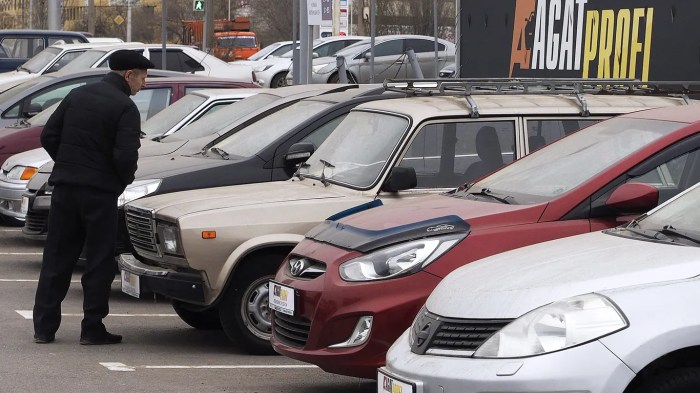
The used car market, significantly impacted by the pandemic and chip shortage, is poised for a complex future. Predicting the exact trajectory is challenging, but analyzing past trends and current conditions provides valuable insights into potential long-term impacts and emerging trends. Understanding these factors is crucial for both consumers and businesses operating in the sector.
Potential Long-Term Impact of the Pandemic on Used Car Prices
The pandemic’s disruption to supply chains and consumer behavior profoundly affected the used car market. Reduced new car production and increased demand for used vehicles, coupled with a surge in online sales, led to a substantial price increase. While the immediate effects of the pandemic are easing, the underlying shifts in consumer preferences and the overall automotive landscape suggest a sustained impact on used car pricing.
The long-term impact will likely involve a more nuanced relationship between supply and demand, with potential fluctuations depending on various economic factors. For example, a resurgence of inflation could lead to renewed pressure on used car prices, while a sustained economic downturn could lead to a decrease.
Potential for Continued Growth or Decline in the Online Used Car Market
The pandemic accelerated the shift towards online used car sales. Platforms like Carvana and Vroom thrived during this period, establishing a significant foothold in the market. The convenience and transparency of online transactions are likely to continue driving this trend. The growth potential is considerable, especially as younger demographics increasingly adopt online purchasing methods for various goods and services.
However, the continued growth of online sales will depend on factors like consumer confidence, economic conditions, and the ability of online platforms to adapt to changing market dynamics. For example, the continued integration of technology into the buying and selling process, such as augmented reality for virtual car inspections, could further boost online market share.
Potential Impact of the Chip Shortage on the Used Car Market in the Future
The global chip shortage significantly constrained new car production, directly impacting the used car market. As chip supplies improve and new car production returns to normal levels, the impact on used car prices will likely lessen. However, lingering supply chain issues and the potential for future disruptions could lead to temporary price fluctuations. Furthermore, the shortage has highlighted the vulnerability of the automotive industry to external factors, emphasizing the importance of diversification and resilience in supply chains.
Emerging Trends in the Used Car Market That Are Likely to Influence Pricing
Several emerging trends are reshaping the used car market. The growing adoption of electric vehicles (EVs) is one key trend. As EV adoption accelerates, the pricing of used internal combustion engine (ICE) vehicles will be influenced by the availability and price of used EVs. Similarly, the rise of subscription services for vehicles, such as those offered by some car-sharing companies, is another trend to watch.
These services can impact demand for used cars in specific segments. Moreover, the increasing popularity of vehicle maintenance and repair services online will impact pricing by allowing consumers to shop around for competitive rates.
Table of Potential Market Trends
| Potential Market Trends | Impact on Pricing | Factors Driving Change |
|---|---|---|
| Increased adoption of electric vehicles | Potential downward pressure on ICE vehicle prices, upward pressure on used EV prices. | Consumer demand, government incentives, technological advancements. |
| Rise of subscription services for vehicles | Potential moderate impact on demand and pricing depending on the type of vehicles involved. | Changing consumer preferences, flexible purchasing options. |
| Continued growth of online used car sales | Potentially more stable pricing with increased transparency and competition. | Consumer convenience, efficiency, wider selection. |
| Resurgence of inflation | Potential upward pressure on used car prices. | Increased cost of production, raw materials, labor. |
Final Summary
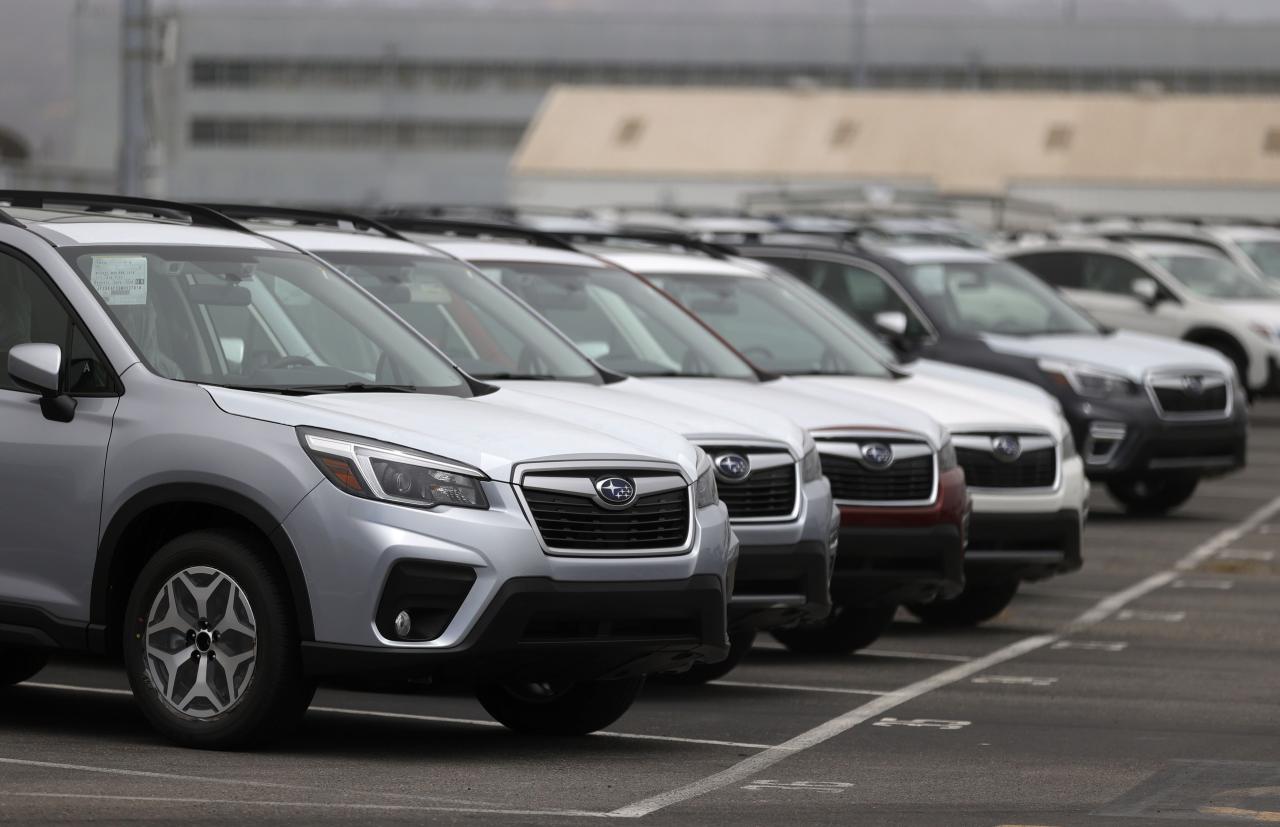
The pandemic-era used car market was a rollercoaster, marked by dramatic price increases, surging online sales, and the significant impact of the global chip shortage. Carvana, as a prominent online retailer, adapted and thrived in this environment. Looking ahead, the market is likely to experience further shifts as consumers adjust to new realities. The long-term effects of the chip shortage and the continued popularity of online car sales will be critical factors in shaping the future of the used car market.
The story of this period offers valuable insights into the interconnectedness of global supply chains, consumer behavior, and the ever-evolving automotive industry.