

Best heart rate monitor watch is your key to unlocking a deeper understanding of your fitness journey. This comprehensive guide delves into the world of heart rate tracking, comparing smartwatches and dedicated fitness trackers to help you choose the perfect device. We’ll explore crucial features, top brands, user reviews, and price ranges, ensuring you make an informed decision.
From understanding accuracy to considering comfort and water resistance, this guide provides essential insights. We’ll also examine the different heart rate monitoring technologies and how they impact the data you receive. Ultimately, we aim to equip you with the knowledge to select the best heart rate monitor watch for your needs and budget.
Introduction to Heart Rate Monitor Watches
Heart rate monitor watches have exploded in popularity, becoming essential tools for fitness enthusiasts and health-conscious individuals alike. The market is constantly evolving, with manufacturers pushing the boundaries of accuracy, functionality, and design. From basic fitness trackers to sophisticated smartwatches, these devices provide a wealth of data about our cardiovascular health and activity levels.The advancement of wearable technology has enabled the development of increasingly accurate and comprehensive heart rate monitoring.
Sophisticated algorithms and sensor technology are now integrated into these devices, allowing for continuous, real-time tracking of heart rate variability, resting heart rate, and heart rate during exercise. This capability has significant implications for both fitness performance and health monitoring.
Types of Heart Rate Monitor Watches
Heart rate monitor watches come in various forms, catering to diverse needs and preferences. The primary categories include smartwatches and dedicated fitness trackers. Smartwatches integrate heart rate monitoring as one feature among a broader range of functionalities, while dedicated fitness trackers focus solely on activity and health metrics.
Use Cases for Heart Rate Monitor Watches
These devices have multiple practical applications. Fitness enthusiasts use them to track progress, monitor workout intensity, and optimize training regimens. Individuals interested in health monitoring use these devices to track their resting heart rate, identify potential irregularities, and maintain a better understanding of their overall well-being. Athletes utilize these devices to measure exertion during training and competition, allowing for strategic adjustments to improve performance.
Comparison of Heart Rate Monitor Watches
The table below highlights key distinctions between smartwatches and dedicated fitness trackers regarding heart rate monitoring accuracy, additional features, and price points.
| Feature | Smartwatch | Dedicated Fitness Tracker |
|---|---|---|
| Heart Rate Monitoring Accuracy | Generally accurate, but may be slightly less precise than dedicated trackers for intense activities due to the smaller sensor size. Some advanced models, however, demonstrate comparable accuracy. | Highly accurate, especially during exercise, often utilizing optical sensors with advanced algorithms for reliable readings. |
| Additional Features | Comprehensive features such as smartphone notifications, GPS tracking, music control, and even cellular connectivity. This makes them versatile devices for everyday use. | Primarily focused on activity tracking, sleep monitoring, and heart rate. Features might include step counting, distance tracking, and calories burned. |
| Price | Generally more expensive due to the inclusion of additional features. Prices range widely, from mid-range to high-end. | Typically more affordable than smartwatches, offering a balance between functionality and price. Prices vary depending on the features and brand. |
Key Features and Considerations
Choosing the right heart rate monitor watch involves careful consideration of several factors. Accuracy, comfort, and water resistance are paramount for ensuring reliable data and a positive user experience. Understanding the different technologies used for heart rate tracking is crucial for making an informed decision.Accurate heart rate data is essential for effective training, health monitoring, and personalized wellness programs.
Inaccurate readings can lead to misinterpretations of fitness levels, training intensity, and overall health trends.
Accuracy in Heart Rate Monitoring
Heart rate monitoring accuracy is a critical factor. Different technologies offer varying degrees of precision. Optical sensors, the most common type, measure heart rate by detecting changes in blood volume in the skin. While relatively inexpensive and convenient, their accuracy can be affected by factors such as skin tone, movement, and ambient light. Electrocardiogram (ECG) sensors, on the other hand, offer higher accuracy by directly measuring electrical signals from the heart.
However, ECG sensors are typically more complex and expensive, and often require a more secure connection to the wrist.
Heart Rate Monitoring Technologies
Various technologies are used for heart rate measurement in smartwatches. Optical sensors, employing photoplethysmography (PPG), are the most prevalent due to their affordability and ease of implementation. These sensors shine light onto the wrist and detect changes in blood volume, which correlate to heart rate. ECG sensors, which measure the electrical activity of the heart, provide a more direct and generally more accurate reading, but they are often more complex and require specialized electrodes or a different design approach.
Accuracy and Reliability Comparison
The accuracy and reliability of heart rate monitoring technologies vary significantly. Optical sensors are generally good enough for many users, but their accuracy can be affected by factors like skin tone, movement, and ambient light. In contrast, ECG sensors provide a more reliable and consistent measurement, but they can be more expensive and require specialized designs. Ultimately, the best technology depends on the specific needs and budget of the user.
For high-intensity training and detailed health monitoring, ECG sensors might be preferred. For general fitness tracking and casual use, optical sensors often suffice.
Finding the best heart rate monitor watch can be tricky, but it’s crucial for fitness tracking. Speaking of luxury, did you know that Amazon is getting into high-end fashion with the launch of Oscar de la Renta stores? Amazon luxury stores launch high end fashion retail brands oscar de la renta This is a fascinating development, but back to fitness – a good heart rate monitor watch will help you reach your goals, whether you’re a seasoned athlete or just starting out.
Comfort and Wrist Fit
Comfort and wrist fit are critical for long-term usability. A watch that is uncomfortable to wear will likely be used less frequently, and thus will not provide the expected benefits. Factors such as strap material, strap adjustability, and overall watch weight contribute significantly to the comfort level. A well-designed watch with adjustable straps and a lightweight frame will offer better comfort for extended wear.
Water Resistance
Water resistance is an important consideration, especially for individuals who engage in activities like swimming or showering. Watches with higher water resistance ratings, such as 5ATM or higher, can withstand splashes and brief submersions, providing greater versatility for various activities. Watches with lower water resistance may be suitable for everyday use but may not be appropriate for activities involving water.
Features and Considerations Table
| Feature | Importance | Example |
|---|---|---|
| Accuracy | Crucial for reliable data interpretation and accurate training | Optical sensor vs. ECG sensor |
| Comfort | Affects long-term usage and adherence to the fitness tracking plan | Adjustable straps, lightweight design |
| Water Resistance | Essential for swimming, showering, and other water-related activities | 5ATM or higher rating |
Top Brands and Models
Heart rate monitor watches have become increasingly popular, offering a convenient way to track fitness progress and overall health. Choosing the right model depends on individual needs and preferences. This section will delve into the leading brands and their popular models, comparing their features and specifications to help you make an informed decision.Navigating the vast selection of heart rate monitor watches can be overwhelming.
Understanding the strengths and weaknesses of different models, as well as the capabilities of various brands, is key to selecting a watch that aligns with your personal fitness goals.
Leading Brands in the Market
A variety of reputable brands offer heart rate monitor watches. These brands often focus on specific features and functionalities, catering to different user preferences. Their market presence and reputation contribute to the overall quality and reliability of the products.
- Garmin: Known for its advanced GPS tracking and comprehensive fitness features, Garmin watches are highly regarded for their accuracy and user-friendly interface. They excel in providing detailed data for athletes and fitness enthusiasts.
- Fitbit: Fitbit’s focus on health and wellness makes their watches popular for everyday use. They are known for their comprehensive activity tracking and integration with various health apps. They often have a focus on sleep tracking and stress monitoring in addition to heart rate.
- Apple Watch: Apple’s integration with the broader Apple ecosystem and seamless user experience are key strengths. The Apple Watch provides accurate heart rate monitoring and connects to various health applications, making it a popular choice for users already integrated with Apple products.
- Polar: Polar is a leader in heart rate monitoring technology, specializing in highly accurate and detailed heart rate data. Their watches are often favored by athletes who require precise data for training and performance analysis.
- Samsung Galaxy Watch: This brand offers a range of smartwatches with sophisticated features, including heart rate monitoring. The Samsung Galaxy Watch excels in integration with other Samsung devices and offers a comprehensive suite of fitness tracking tools.
Popular Models and Feature Comparison
Numerous models are available from each brand, each with unique specifications and features. Comparing these aspects can assist in selecting the best model for individual needs.
| Brand | Model | Pros | Cons |
|---|---|---|---|
| Garmin | Forerunner 955 | Excellent GPS accuracy, advanced metrics, long battery life, comprehensive training features. | Can be expensive compared to other models. The interface might feel overwhelming for less experienced users. |
| Garmin | Venu Sq 2 | Stylish design, user-friendly interface, good battery life, accurate heart rate tracking. | Limited advanced features compared to higher-end models. |
| Fitbit | Sense | Exceptional heart rate tracking, advanced features like stress and sleep monitoring, comprehensive health insights. | Battery life might not be as long as other models. |
| Fitbit | Versa 4 | Sleek design, good battery life, easy to use, comprehensive activity tracking. | Some advanced features found in higher-end models are absent. |
| Apple Watch | Series 8 | Seamless integration with Apple ecosystem, excellent heart rate monitoring accuracy, extensive app compatibility. | Price point can be high. Features might not be as comprehensive as some dedicated fitness watches. |
| Polar | Vantage V | Highly accurate heart rate tracking, advanced training insights, good battery life. | User interface might be less intuitive than some competitors. |
| Samsung Galaxy Watch | 4 Classic | Stylish design, user-friendly interface, decent battery life, comprehensive health and fitness tracking. | Performance might be slightly less optimized compared to dedicated fitness watches. |
User Reviews and Ratings
In today’s highly competitive market, user reviews and ratings are invaluable resources for potential buyers. They provide a window into real-world experiences with a product, offering insights beyond marketing materials and technical specifications. Understanding how users perceive and interact with a heart rate monitor watch is crucial for making an informed decision.
Importance of User Reviews
User reviews are essential because they offer authentic feedback from various users, offering a nuanced perspective on a product’s strengths and weaknesses. They go beyond the marketing hype and showcase how the product performs in everyday use cases, particularly when used in various environments or activities. This direct feedback helps potential buyers anticipate and address issues that might not be apparent from a manufacturer’s perspective.
Finding the best heart rate monitor watch can be tricky, with so many options available. But beyond the tech, recent news about the GitLab Suyu Nintendo Switch emulator takedown highlights the importance of respecting intellectual property rights. This recent legal action, detailed in the article gitlab suyu nintendo switch emulator takedown , shows the potential legal consequences of unauthorized software.
Ultimately, choosing the right heart rate monitor watch boils down to personal needs and budget, so do your research!
Reliable Sources for User Reviews
Numerous reliable sources provide user reviews. Online forums dedicated to fitness and wearable technology often feature detailed discussions and comparisons of different heart rate monitor watches. Specialized review websites, known for their in-depth analysis and comprehensive testing procedures, also offer valuable user feedback. Social media platforms can provide glimpses into user experiences, though the authenticity and objectivity of these reviews must be critically assessed.
Different Perspectives on User Experiences
User experiences vary significantly depending on the user’s background and intended use case. Athletes, for instance, prioritize features like accuracy during intense workouts, real-time data tracking, and integration with fitness apps. General users, on the other hand, may value features like ease of use, stylish designs, and comprehensive health tracking beyond heart rate, such as sleep monitoring or activity levels.
Impact of Ratings on Purchase Decisions
Product ratings significantly influence purchase decisions. High ratings often correlate with positive user experiences and product satisfaction. Potential buyers frequently use ratings as a quick gauge of product quality and reliability, enabling them to filter products and prioritize options based on the collective experience of other users. This often results in informed purchasing decisions based on real-world evidence.
Potential Biases in User Reviews
It is important to acknowledge potential biases in user reviews. Some reviews might be influenced by personal preferences, specific needs, or even marketing incentives. A user with a particular fitness goal might focus on features relevant to that goal, potentially overlooking other aspects of the product. Similarly, reviews from users with prior experience with similar products might influence their assessment.
Objectively evaluating the source and context of the review is crucial for determining its reliability.
Budget and Price Ranges
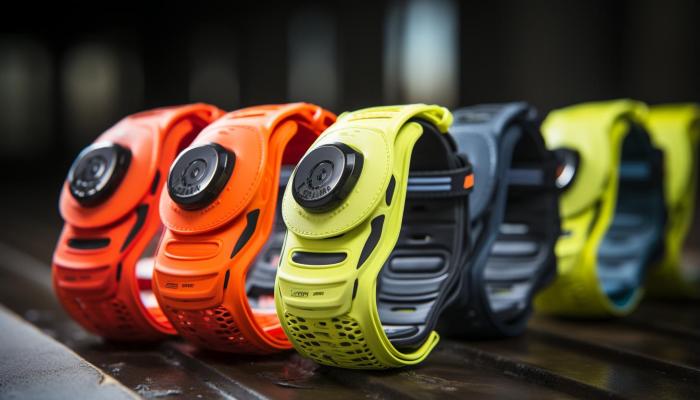
Choosing the right heart rate monitor watch often comes down to your budget and the features you prioritize. Different price points cater to various needs and preferences, offering varying levels of sophistication and accuracy. Understanding the trade-offs between price and functionality is key to making an informed decision.Budget considerations are paramount. A watch that fits your financial constraints without sacrificing critical features is ideal.
Knowing the features available at each price point helps in making an informed decision that balances cost and desired functionalities.
Budget-Friendly Options
Budget-friendly heart rate monitor watches typically prioritize basic functionality over advanced features. These watches often focus on providing essential readings like heart rate and basic activity tracking. They may have limited customization options and fewer sensor types.
- Accuracy may be slightly less precise compared to more expensive models, although advancements in sensor technology have narrowed this gap significantly.
- Basic features are usually sufficient for general health monitoring and fitness tracking.
- These watches often have simpler interfaces and less sophisticated display options.
Mid-Range Watches
Mid-range heart rate monitor watches strike a balance between affordability and advanced capabilities. They often offer improved accuracy in heart rate tracking and more comprehensive activity monitoring, including sleep tracking and stress management features.
- Improved sensor technology contributes to more accurate readings compared to budget-friendly options.
- Features like GPS tracking, advanced sleep tracking, and stress management tools are common in this price range.
- Connectivity options are generally better, enabling data synchronization with mobile apps and providing greater control over data analysis.

Premium Watches
Premium heart rate monitor watches typically offer the most advanced features and the highest level of accuracy. They often incorporate cutting-edge technology, extensive data analysis tools, and advanced health monitoring capabilities.
- Exceptional accuracy and detailed readings are hallmarks of these models.
- Advanced features like ECG monitoring, blood oxygen tracking, and sophisticated exercise metrics often differentiate premium watches.
- They frequently feature high-resolution displays, sophisticated software interfaces, and extensive data analysis capabilities.
| Price Range | Features | Example Models |
|---|---|---|
| Budget-Friendly | Basic heart rate tracking, basic activity tracking, basic sleep tracking, basic connectivity | Fitbit Inspire 2, Amazfit Bip |
| Mid-Range | Advanced heart rate tracking, GPS tracking, sleep tracking, stress management, blood oxygen monitoring, improved connectivity | Garmin Venu Sq, Polar Vantage M |
| Premium | ECG monitoring, blood oxygen tracking, advanced exercise metrics, high-resolution displays, sophisticated software interfaces, extensive data analysis capabilities | Apple Watch Series 8, Samsung Galaxy Watch 5 |
Technical Specifications and Data Analysis
Heart rate monitor watches are more than just stylish accessories; they provide valuable data for understanding and optimizing fitness routines. Understanding the technical specifications behind these devices is crucial for choosing the right watch and interpreting the data it generates. Different technologies influence accuracy, and various metrics provide insights into overall health and performance.Delving into the specifics of heart rate monitoring reveals the complex interplay between technology, accuracy, and the wealth of information a watch can provide.
The accuracy of the data directly impacts the reliability of fitness tracking and health monitoring. Knowing how to interpret resting heart rate, heart rate variability, and other metrics empowers users to make informed decisions about their well-being.
Finding the best heart rate monitor watch can be tricky, but the recent Google Wear OS tiles widgets new feature announced ( google wear os tiles widgets new feature announced ) might just make the search a bit easier. These new widgets could potentially offer more streamlined data visualization, which is crucial for monitoring your heart rate effectively. This could translate to a more user-friendly interface for the best heart rate monitor watch experience, making it easier to keep an eye on your vital signs.
Heart Rate Monitoring Technologies
Various technologies underpin heart rate monitoring in watches. Optical sensors, often using photoplethysmography (PPG), measure blood volume changes associated with heartbeats. These are commonly used due to their non-invasive nature. ECG-based methods offer higher accuracy, but require more complex hardware and are less common in consumer-grade devices. The accuracy of optical sensors can be influenced by factors such as skin tone, movement, and ambient light.
Accuracy and Factors Affecting It
The accuracy of heart rate measurements is influenced by several factors. Optical sensors can be affected by skin tone and blood vessel proximity. Movement artifacts, such as arm swinging during exercise, can introduce inaccuracies. Ambient light conditions can also impact readings. Furthermore, the algorithms used to process the data play a significant role.
High-quality watches employ sophisticated algorithms to minimize errors, while lower-cost models may be more susceptible to inaccuracies.
Heart Rate Data Features
Heart rate monitors provide a wealth of data beyond just the instantaneous heart rate. Resting heart rate, a crucial indicator of cardiovascular health, provides a baseline for assessing fitness levels. Heart rate variability (HRV) measures the variation in time intervals between heartbeats. Higher HRV typically suggests better parasympathetic nervous system function, which is associated with better stress management and recovery.
Other metrics, like maximum heart rate, heart rate zones, and recovery time, offer more detailed insights into workout intensity and recovery effectiveness.
Interpreting Heart Rate Data for Fitness Tracking
Understanding heart rate data is key to effective fitness tracking. Tracking resting heart rate over time allows for monitoring of cardiovascular health and potential changes. Monitoring heart rate during exercise provides insights into workout intensity and effectiveness. Identifying heart rate zones based on individual maximum heart rate allows for personalized exercise prescription. Using HRV data, individuals can gauge their stress levels and tailor their recovery strategies accordingly.
Data Analysis Techniques, Best heart rate monitor watch
Heart rate data can be analyzed using various techniques. Simple trends over time, like a downward trend in resting heart rate, indicate potential improvements in cardiovascular health. HRV can be analyzed to track stress levels and recovery. Software applications often provide built-in data analysis tools. More advanced analysis might involve calculating average heart rate during workouts or identifying patterns in HRV throughout the day.
Example: Analyzing Resting Heart Rate
A consistent drop in resting heart rate over several weeks could indicate improvements in cardiovascular fitness. Conversely, a significant increase might signal a need to address stress levels or potential health issues. Data visualizations, such as line graphs, can effectively illustrate these trends. This trend can be further supported by combining resting heart rate data with other metrics, such as sleep quality and overall activity levels.
Example: Heart Rate Variability Analysis
Analyzing heart rate variability (HRV) can reveal insights into stress levels. Lower HRV values might suggest increased stress, while higher values could indicate better relaxation and recovery. Tracking HRV throughout the day or during different activities can provide valuable insights into the body’s response to various stimuli. For instance, a significant drop in HRV during a stressful event could indicate a need to incorporate stress-management techniques.
Future Trends in Heart Rate Monitor Watches: Best Heart Rate Monitor Watch
Heart rate monitor watches have rapidly evolved from basic fitness trackers to sophisticated health companions. The future promises even more integration with our daily lives, pushing the boundaries of what’s possible in wearable technology. We’ll explore the emerging trends, potential limitations, and the innovative features that may shape the next generation of these devices.Wearable technology is rapidly advancing, and heart rate monitor watches are at the forefront of this evolution.
This progress necessitates a deeper understanding of the evolving trends to predict the future of these devices and their impact on personal well-being.
Integration with Other Health Devices
The future of heart rate monitor watches likely includes seamless integration with other health devices. This trend will enable a more comprehensive and holistic view of an individual’s health. For example, data from blood pressure monitors, sleep trackers, and even glucose meters could be combined and analyzed to provide a more detailed understanding of overall health. This consolidated view can be extremely beneficial for individuals who are actively managing their health conditions.
Advanced Monitoring Capabilities
Advanced monitoring capabilities are also expected to become more prevalent. Beyond basic heart rate, future watches may incorporate continuous blood oxygen saturation monitoring, ECG capabilities, and even real-time stress level assessments. This level of detailed data collection could enable earlier detection of potential health issues. For instance, early detection of atrial fibrillation, a common heart condition, could significantly improve patient outcomes.
Personalized Recommendations and AI-Powered Insights
Heart rate monitor watches are expected to incorporate AI-powered insights. This means they will not only collect data but also analyze it to provide personalized recommendations. For example, the watch could suggest adjustments to workout routines based on individual heart rate responses, or flag potential health concerns based on identified patterns. This will empower users to take proactive steps towards better health management.
Improved Design and Comfort
Future designs will likely prioritize comfort and aesthetics. Increased battery life, smaller form factors, and advanced materials will contribute to the seamless integration of these devices into everyday life. Consider the Apple Watch, which has successfully integrated advanced features into a stylish and comfortable design. The evolution of design is directly linked to improved user experience and the adoption of these technologies.
Potential Limitations of Current Technologies
Despite the exciting advancements, certain limitations persist in current heart rate monitor technology. Data accuracy and variability in readings are potential issues, and there may be limitations in providing precise diagnoses. Moreover, user compliance with long-term usage and the need for consistent calibration are critical factors to consider. Overcoming these challenges is vital for the technology’s widespread adoption and effectiveness.
Potential Benefits of Future Technologies
The potential benefits of future technologies are substantial. Early disease detection, personalized health management, and proactive lifestyle adjustments can significantly enhance overall well-being. For instance, detecting subtle heart rhythm irregularities could prevent potentially severe conditions, offering a real-world example of the benefits of these technologies.
Innovations in Design and Features
Innovations in design and features are expected to focus on user experience and personalization. For instance, seamless integration with mobile health apps and secure data storage will be crucial. The ability to customize watch faces and integrate with existing health apps will enhance user engagement. A seamless transition between devices will be a significant feature in the future.
Final Review
Choosing the best heart rate monitor watch is a personal journey, balancing features, accuracy, and budget. This guide has explored the key factors to consider, highlighting the importance of user reviews and the impact of various technologies. Ultimately, the ideal watch is one that empowers you to track your fitness journey effectively and accurately. Remember to consider your individual needs and preferences when making your final decision.