
Best 3D gaming monitors are revolutionizing how we experience games, promising an immersive, three-dimensional journey. Beyond the basics of 2D displays, 3D monitors offer a unique perspective on in-game action. This guide delves into the history, technology, and essential features of 3D gaming monitors, helping you navigate the exciting world of depth and realism in gaming.
We’ll explore everything from the technical specifications like refresh rate and resolution to the practical considerations like budget and potential issues. Plus, we’ll analyze top models, emerging trends, and troubleshooting tips, leaving you empowered to make an informed decision for your gaming needs. From choosing the right panel type to adjusting 3D settings, this comprehensive guide covers it all!
Introduction to 3D Gaming Monitors
D gaming monitors have promised immersive gameplay experiences, but their widespread adoption has been a mixed bag. These monitors utilize various technologies to create a sense of depth, potentially enhancing the player’s engagement and perception of the game world. However, practical benefits and the user experience have been a subject of debate. The effectiveness of 3D visuals in gaming remains a point of discussion, as some find them distracting or even detrimental to the overall gaming experience.Traditional 2D monitors present a flat image, whereas 3D monitors aim to provide a sense of depth by displaying different images to each eye, creating the illusion of three dimensions.
This fundamental difference significantly impacts the gaming experience.
Key Features and Benefits of 3D Gaming Monitors
D gaming monitors attempt to replicate the depth perception humans experience in the real world. This can enhance immersion in games, especially those with significant spatial elements. However, the success of this technology often hinges on the individual’s ability to adjust to the 3D effect and the compatibility of the game being played. Some players may find the 3D effect distracting or uncomfortable, reducing overall enjoyment.
Differences between 2D and 3D Gaming Monitors
D monitors display a single image, while 3D monitors display two slightly different images, one for each eye, creating the illusion of depth. This difference in image presentation significantly alters the visual experience, aiming for a more realistic and immersive representation of the game environment. This effect can vary greatly depending on the individual’s adaptation to the technology.
Factors like monitor quality, game design, and individual preferences all contribute to the overall experience.
History and Evolution of 3D Gaming Monitor Technology
Early 3D gaming monitors relied heavily on shutter glasses, often causing discomfort due to the flicker and strain on the eyes. The technology progressed to include active-shutter glasses that minimized flicker but sometimes introduced lag. Modern 3D monitors often use passive stereoscopic displays or lenticular lenses, offering more comfortable viewing experiences. The ongoing development of these technologies continues to refine the visual experience, addressing limitations from the past.
Popular 3D Gaming Monitor Brands
Several brands have experimented with 3D gaming monitor technology. Examples include Samsung, which has historically been a prominent player in the 3D display market, alongside other manufacturers who have explored this technology in their product lines. The level of investment and commitment from various brands to this technology varies. The market’s response to 3D monitors has played a crucial role in influencing these decisions.
Comparison of 3D Display Technologies
| Technology | Description | Pros | Cons |
|---|---|---|---|
| Stereoscopic | Displays slightly different images for each eye, creating depth. | Generally provides a more natural 3D effect. | Requires specialized glasses, potential for eye strain. |
| Lenticular | Uses lenticular lenses to separate images for each eye. | Doesn’t require active glasses, often more affordable. | Can suffer from image quality issues, potentially less immersive. |
This table summarizes the key differences between stereoscopic and lenticular 3D display technologies. The choice between these technologies often depends on factors such as budget, desired image quality, and comfort. Individual preferences play a significant role in the final choice.
Key Specifications and Features: Best 3d Gaming Monitors
Choosing the right 3D gaming monitor hinges on understanding its technical specifications. These specifications directly impact the gaming experience, influencing immersion, responsiveness, and visual clarity. Understanding the different panel types and their respective strengths and weaknesses is crucial for making an informed decision. This section dives into the essential specifications and features of 3D gaming monitors.The performance of a 3D gaming monitor is largely dictated by its specifications.
Choosing the best 3D gaming monitors can be tricky, but beyond the refresh rate and resolution, consider how AI can enhance your gaming experience. For example, Google Now on Tap’s Android app AI shortcuts can instantly access relevant information like game settings or streaming guides, right from your phone screen. This feature could be a game-changer, and it’s a cool tool to keep in mind when upgrading your setup for top-tier 3D gaming monitors.
google now on tap android app ai shortcuts Ultimately, the best 3D gaming monitor should offer a seamless and responsive experience.
A monitor with a high refresh rate and low response time will deliver a smoother and more responsive gaming experience, while a higher resolution will result in sharper visuals and increased detail. The panel type, a crucial factor, dictates the overall image quality, color accuracy, and viewing angles.
Refresh Rate and Response Time, Best 3d gaming monitors
High refresh rates, measured in Hertz (Hz), are critical for a smooth, lag-free gaming experience. A higher refresh rate allows for more frames to be displayed per second, reducing motion blur and providing a more fluid visual presentation. For instance, a 144Hz monitor will display 144 images per second, leading to a noticeably smoother experience than a 60Hz monitor.
Looking for the best 3D gaming monitors? Choosing the right one is crucial for immersive gaming experiences, especially for titles like those developed by the talented team behind the physics-based platformer, Mineblast, and the popular Super Cat Tales Android game, which you can read more about here. High refresh rates and fast response times are key factors for a smooth, responsive experience, ensuring you’re always ahead of the game, no matter the genre.
Top-tier 3D monitors will make all the difference in your gaming setup.
A higher refresh rate is especially beneficial in fast-paced games. Similarly, low response time is vital for minimizing ghosting and blurring during fast-moving sequences. Response time, usually measured in milliseconds (ms), indicates how quickly the monitor can switch between different images. A lower response time ensures that fast-moving objects appear sharper and clearer.
Resolution
Resolution, measured in pixels (e.g., 1080p, 1440p, 4K), directly affects the visual clarity and detail in games. Higher resolutions offer more pixels to display the image, resulting in sharper visuals and a more detailed gaming experience. For example, 4K resolution (3840×2160 pixels) provides a significantly more detailed image compared to 1080p (1920×1080 pixels). The choice of resolution depends on the user’s monitor size and the desired level of visual fidelity.
Panel Type (TN, IPS, VA)
Different panel types offer distinct characteristics, influencing the image quality, color accuracy, and viewing angles. TN panels are known for their fast response times, making them ideal for fast-paced games. However, they often sacrifice color accuracy and viewing angles compared to other panel types. IPS panels offer wider viewing angles and more accurate colors, making them suitable for general use and games where color accuracy is important.
VA panels provide a combination of good color accuracy and fast response times, offering a balance between TN and IPS panels.
- TN Panels: Known for their blazing-fast response times, TN panels excel in fast-paced games where every millisecond counts. However, color accuracy and viewing angles are often compromised. They are typically more affordable than IPS or VA panels.
- IPS Panels: Offering superior color accuracy and wide viewing angles, IPS panels are suitable for applications requiring precise color representation. While IPS panels provide better color reproduction and viewing angles than TN panels, they may have slightly slower response times.
- VA Panels: Providing a balance between TN and IPS, VA panels offer good color accuracy, relatively fast response times, and wider viewing angles compared to TN panels. They generally offer a good compromise between performance and image quality.
Screen Size and Suitability
The appropriate screen size depends on the user’s setup and gaming preferences. A larger screen size typically offers a more immersive experience, while a smaller screen size can be more suitable for smaller setups.
| Screen Size (inches) | Suitability |
|---|---|
| 27 inches | Ideal for most gamers, providing a good balance between size and immersion. |
| 32 inches | Suitable for larger gaming setups, offering a more immersive experience for those who prefer a larger display. |
| 40 inches | Ideal for those who want a very large screen and enjoy a more cinematic experience. |
Practical Considerations for Buyers
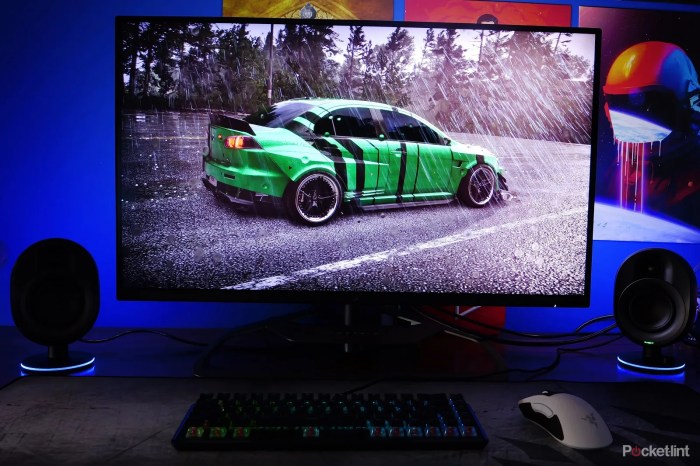
Choosing the right 3D gaming monitor can be a daunting task, especially with the diverse range of options available. Understanding the factors influencing cost, potential limitations, and your specific needs is crucial to making an informed decision. This section dives deep into practical considerations, helping you navigate the world of 3D gaming monitors and select the best fit for your budget and preferences.
Buyer’s Checklist
This checklist helps potential buyers evaluate their needs and match them with the appropriate monitor. Careful consideration of these points will lead to a more satisfying purchase experience.
- Desired Resolution and Refresh Rate: Higher resolutions (like 1440p or 4K) and refresh rates (e.g., 144Hz or 240Hz) offer a sharper and smoother gaming experience, but come at a premium. Balance your budget with the visual quality you desire.
- Screen Size and Aspect Ratio: Consider the size of your setup and your preferred aspect ratio (e.g., 16:9, 21:9). A larger screen might be more immersive, but also take up more space and may affect your comfort during extended gaming sessions.
- 3D Depth and Clarity: Experiment with 3D depth settings if possible. Assess the perceived depth and clarity of the image to ensure it aligns with your expectations. This is crucial for immersive 3D gaming.
- Compatibility with Your PC: Ensure the monitor’s resolution, refresh rate, and 3D capabilities are compatible with your graphics card and other PC components. This prevents compatibility issues and wasted money.
- Budget and Value Proposition: Determine your budget beforehand and compare features and pricing of different monitors. Look for a monitor that offers the best value for your investment.
Factors Influencing Cost
Several factors contribute to the varying prices of 3D gaming monitors.
- Resolution and Refresh Rate: Higher resolutions and refresh rates demand more processing power from the graphics card and typically lead to higher manufacturing costs, hence higher prices.
- Panel Technology: Advanced technologies like OLED or mini-LED panels usually command a higher price tag than standard LCD panels due to their increased production complexity and materials.
- 3D Functionality: Implementing 3D capabilities often adds to the complexity of the display, resulting in a higher cost.
- Brand Reputation and Marketing: Established brands with strong marketing campaigns often have higher prices, even if the underlying technology isn’t substantially different.
- Additional Features: Features like adjustable stands, ergonomic designs, and specific gaming modes can influence the final price.
Budget Ranges and Features
Different budget ranges offer various features and functionalities.
- Budget-Friendly (Under $500): These monitors typically feature standard LCD panels with lower resolutions and refresh rates. 3D capabilities may be basic or not included at all. A good example might be a 1080p 60Hz 3D monitor with basic features.
- Mid-Range ($500 – $1000): These monitors offer improved resolution (like 1440p) and refresh rates (e.g., 144Hz). Some may support advanced 3D features and have more customizable settings.
- High-End (Over $1000): High-end monitors offer the highest resolutions (like 4K) and refresh rates (e.g., 240Hz) and advanced 3D technologies. They frequently come with advanced features and are often built for the most demanding gamers.
Potential Issues and Limitations
D gaming monitors, despite their advancements, have limitations that should be considered.
- Eye Strain: Extended use of 3D displays can cause eye strain or discomfort for some users, especially those with pre-existing eye conditions.
- 3D Depth Perception Variation: The perception of 3D depth can vary between individuals. What one person finds immersive, another may find less effective.
- Compatibility Issues: Some graphics cards might not fully support the 3D capabilities of certain monitors, leading to compatibility issues.
- Potential for Motion Sickness: While not universal, some users may experience motion sickness when using certain 3D monitors, particularly those with a fast refresh rate.
Comparison Table
This table compares 3D gaming monitors across different price ranges, showcasing the typical features found within each category.
| Price Range | Resolution | Refresh Rate | Panel Type | 3D Features | Other Features |
|---|---|---|---|---|---|
| Budget-Friendly | 1080p | 60Hz | TN Panel | Basic 3D | Basic Stand, Connectivity |
| Mid-Range | 1440p | 144Hz | IPS Panel | Advanced 3D, Customizable Depth | Adjustable Stand, Ergonomic Design |
| High-End | 4K | 240Hz | Mini-LED/OLED | Advanced 3D, High-Quality Depth | Advanced Stand, Multiple Connectivity Options, Enhanced HDR |
Popular Models and Brands
Diving deeper into the world of 3D gaming monitors reveals a plethora of models and brands vying for your attention. Understanding the strengths and weaknesses of these options is crucial for making an informed purchase. This section provides detailed insights into popular models and brands, offering a comparative analysis of their features, performance, and overall value.
Picking the perfect 3D gaming monitor can be tricky, but finding the right one for your setup is key. You’ve got to consider resolution, refresh rate, and response time. Meanwhile, I’ve recently been wrestling with Apple News Plus’s auto-renewal subscription, and I discovered some interesting details about how to cancel that auto-renewal—it’s surprisingly complex! apple news plus auto subscription breaking rules how to cancel.
Hopefully, understanding those issues will help you avoid similar problems when looking at your next 3D gaming monitor. Ultimately, knowing how to manage your subscriptions will allow you to fully enjoy your awesome new monitor!
Popular 3D Gaming Monitor Models
Numerous 3D gaming monitor models have graced the market, each with unique characteristics. A selection of prominent models exemplifies the range of options available.
- Acer Predator X34: This model is known for its impressive 34-inch curved display and high refresh rate. Its strong point is its exceptional image quality, delivering a vibrant and immersive gaming experience. However, the higher price point is a potential drawback for some buyers.
- Samsung Odyssey G9: A top contender, the Samsung Odyssey G9 boasts a 49-inch ultrawide curved display, providing a panoramic view. The monitor excels in gaming scenarios that benefit from the wider perspective. However, its size might not be ideal for all setups and its price is quite high.
- LG 3D Gaming Monitor (specific model): LG offers a range of 3D gaming monitors, each with its own strengths. Look for models featuring high refresh rates and low response times for smooth gameplay. Potential drawbacks might include specific color calibration or compatibility with certain gaming software.
- ViewSonic XG270QG: Known for its high refresh rate and excellent response time, this model offers a seamless gaming experience. Its vibrant colours and sharp visuals enhance the gameplay. However, some users may find the lack of a 3D option a limiting factor.
Top Brands and Their Offerings
Recognized brands play a significant role in the 3D gaming monitor market. Their extensive experience and focus on innovation often translate to high-quality products.
- Acer: Acer consistently delivers high-quality monitors with competitive pricing. They often focus on a balance of features, performance, and value, making them a popular choice for gamers seeking a solid option without breaking the bank.
- Samsung: Samsung excels in offering innovative and cutting-edge displays. Their monitors often feature advanced technologies and premium design elements. However, their price points may be higher than some other brands.
- LG: LG is another major player in the monitor market, often producing high-quality displays with a focus on cutting-edge technology. Their offerings frequently include advanced features and excellent image quality. However, their models may sometimes fall behind in terms of overall value compared to competitors.
- ViewSonic: ViewSonic provides a wide range of monitors catering to different needs. Their focus is on offering versatile products at various price points, making them a compelling option for budget-conscious gamers.
Top-Performing 3D Gaming Monitor Specifications
This table provides a concise overview of top-performing 3D gaming monitors, highlighting key specifications.
| Model | Size (inches) | Resolution | Refresh Rate (Hz) | Response Time (ms) | Price (approx.) |
|---|---|---|---|---|---|
| Acer Predator X34 | 34 | 3440 x 1440 | 100 | 1ms | $800 – $1000 |
| Samsung Odyssey G9 | 49 | 5120 x 1440 | 240 | 1ms | $1500 – $2000 |
| LG 3D Gaming Monitor | 27 | 2560 x 1440 | 144 | 1ms | $600 – $800 |
| ViewSonic XG270QG | 27 | 2560 x 1440 | 165 | 1ms | $500 – $700 |
Using Reviews and Comparisons for Informed Buying Decisions
Thoroughly researching different models and brands is crucial. Reading reviews from various sources and comparing specifications is key to identifying the best option for your individual needs. Consider factors such as image quality, response time, refresh rate, and overall build quality. Seek out unbiased reviews from reputable sources to avoid misleading information.
Future Trends and Innovations
The 3D gaming monitor market is constantly evolving, driven by advancements in display technology and the increasing demand for immersive gaming experiences. Future developments promise to significantly enhance the realism and engagement of 3D gaming, pushing the boundaries of what’s possible. Expect a convergence of technologies to create truly next-level visual fidelity and interactive gameplay.Emerging innovations in display technology, material science, and processing power are poised to reshape the landscape of 3D gaming monitors.
These advancements will not only improve image quality but also introduce new interaction methods, potentially changing how we experience games. The integration of cutting-edge technologies will likely be a key factor in driving future innovations.
Potential Advancements in Display Technology
Display technology is at the forefront of advancements in 3D gaming monitors. Expect higher refresh rates, improved response times, and enhanced color accuracy to further enhance the gaming experience. Resolution increases will lead to more detailed visuals, delivering unparalleled realism. Moreover, the use of innovative materials and manufacturing processes will play a crucial role in achieving these enhancements.
Examples include the development of advanced OLED panels, mini-LED backlights, and quantum dot technologies, each offering potential benefits in terms of brightness, color reproduction, and contrast.
Enhanced 3D Image Quality
Improvements in 3D image quality will be crucial in the future. This will involve refining techniques for generating and rendering 3D images, leading to smoother transitions and less visual strain. Advanced algorithms for 3D stereoscopic rendering will likely produce more natural and believable depth perception. The use of advanced light-field display technology will likely play a crucial role, enhancing the realism and depth of 3D environments.
This technology allows for dynamic and highly realistic light variations within the 3D scene.
VR/AR Integration and Interaction
The integration of Virtual Reality (VR) and Augmented Reality (AR) technologies with 3D monitors is a significant potential trend. This convergence could lead to entirely new gaming experiences. Imagine a scenario where a 3D monitor acts as a window into a VR environment, allowing seamless transitions between the real and virtual worlds. Furthermore, AR integration could project virtual elements into the real-world, creating immersive and interactive gameplay that blends physical and digital spaces.
Advanced Eye-Tracking and Interaction
Advanced eye-tracking technology will likely be incorporated into future 3D gaming monitors. This will enable more intuitive and natural interactions within the 3D gaming environment. The technology will allow the monitor to track the user’s gaze, enabling precise control over in-game actions and objects. Imagine a future where gamers can manipulate objects in the 3D world simply by looking at them.
Sustainability and Eco-Friendliness
The future of 3D gaming monitors will also likely prioritize sustainability and eco-friendliness. Manufacturers will likely focus on reducing energy consumption and using environmentally friendly materials in the production process. This shift reflects growing consumer awareness and demand for sustainable products. This includes the use of recycled materials, energy-efficient components, and responsible manufacturing practices.
Troubleshooting and Maintenance
Maintaining the optimal performance and longevity of your 3D gaming monitor requires proactive care and attention to detail. Proper troubleshooting and maintenance can prevent frustrating issues and extend the life of your investment. This section will delve into common problems, solutions, and preventative measures to keep your 3D display in top condition.
Common 3D Gaming Monitor Problems and Solutions
Troubleshooting 3D gaming monitors often involves identifying the source of the problem. A systematic approach can save time and effort. Common issues include flickering, ghosting, and blurry images, which can be resolved with appropriate diagnostics and adjustments.
- Flickering: Flickering can be caused by faulty cables, incorrect settings, or an issue with the monitor itself. Ensure the display cable is securely connected and try adjusting the 3D depth settings. If the issue persists, consult the manufacturer’s support documentation or contact customer service.
- Ghosting: Ghosting, where previous images linger on the screen, can stem from a misalignment in the monitor’s 3D display system. Ensure the monitor’s calibration is up-to-date and try adjusting the 3D depth setting. If the issue persists, a professional calibration may be necessary.
- Blurry Images: Blurry images in 3D mode can be attributed to incorrect 3D settings, or an issue with the refresh rate. Ensure the monitor’s refresh rate is optimized for 3D gaming. If the problem persists, review the monitor’s manual for recommended refresh rates.
- No 3D Display: If your monitor isn’t displaying 3D, check the cable connections and ensure the graphics card supports 3D. Verify the 3D settings in your monitor’s menu and your graphics card’s control panel.

Maintaining Your 3D Monitor for Optimal Performance
Regular maintenance helps prolong the lifespan of your 3D gaming monitor and ensures consistent performance. Routine checks and adjustments can prevent potential issues.
- Cleaning: Regularly clean the monitor screen to remove dust and debris, using a microfiber cloth and a mild cleaning solution. Avoid harsh chemicals or abrasive materials that could scratch the screen.
- Cable Management: Keep cables organized to prevent damage from bending or twisting. This also helps to maintain a clutter-free workspace, improving airflow and reducing overheating risks.
- Temperature Control: Ensure the monitor is placed in a well-ventilated area to prevent overheating. Avoid placing it near heat sources or blocking airflow around it.
- Power Management: When not in use, turn off the monitor to save energy and extend its lifespan. Avoid leaving it on standby for extended periods, which can reduce its overall life.
Best Practices for Prolonging Lifespan
Following these practices can significantly extend the lifespan of your 3D gaming monitor.
- Regular Calibration: Regular calibration, ideally once a month, ensures the monitor’s color accuracy and 3D depth perception are optimal. Calibration helps maintain a consistent visual experience, especially critical for 3D gaming.
- Avoid Overheating: Prevent overheating by ensuring proper ventilation and avoiding placing the monitor near heat sources. Overheating can significantly shorten the monitor’s lifespan.
- Gentle Handling: Handle the monitor with care to prevent scratches or damage to the screen. Avoid dropping or placing heavy objects on top of it.
Importance of Regular Calibrations
Regular calibration is crucial for maintaining accurate color representation and optimal 3D performance.
- Accuracy: Calibration ensures consistent color accuracy and 3D depth, which is essential for gaming experiences and professional applications.
- Consistency: Maintaining accurate calibration helps maintain consistent visual quality across different uses and over time.
- Visual Comfort: Calibration can help optimize the visual experience, reducing eye strain and discomfort associated with prolonged 3D gaming sessions.
Step-by-Step Troubleshooting Guide for 3D Display Issues
This step-by-step guide provides a systematic approach to resolving common 3D display issues.
- Check Connections: Verify all cables (HDMI, DisplayPort) are securely connected to both the monitor and the graphics card. Ensure the cables are not damaged.
- Verify Settings: Review the 3D settings on both the monitor and the graphics card. Confirm the 3D mode is enabled and the depth settings are appropriate for the intended use.
- Restart Devices: Restart both the computer and the monitor. This often resolves temporary glitches or software conflicts.
- Update Drivers: Ensure the graphics card drivers are up-to-date. Outdated drivers can cause compatibility issues with the monitor’s 3D functionality.
- Consult Documentation: Refer to the monitor’s and graphics card’s manuals for troubleshooting guidance specific to your model.
Closing Summary
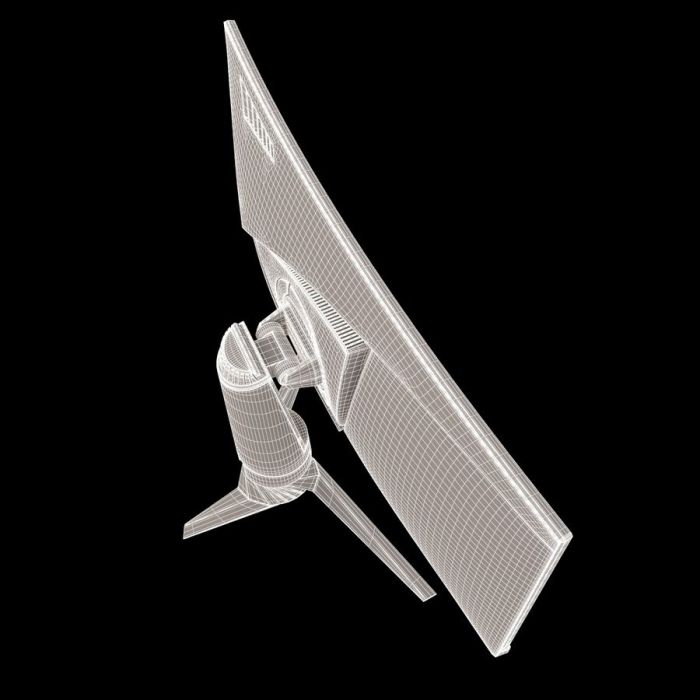
In conclusion, the world of 3D gaming monitors is a fascinating blend of technology and gaming enjoyment. While the initial cost might be a factor, the enhanced visual experience and immersion can significantly elevate your gaming sessions. By understanding the different technologies, specifications, and practical considerations, you’ll be well-equipped to choose a 3D monitor that meets your individual needs and budget.
Ultimately, your choice will depend on your priorities and expectations, but we’ve covered the essentials to help you make an informed decision.