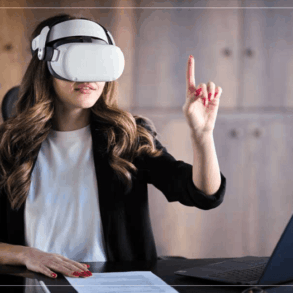

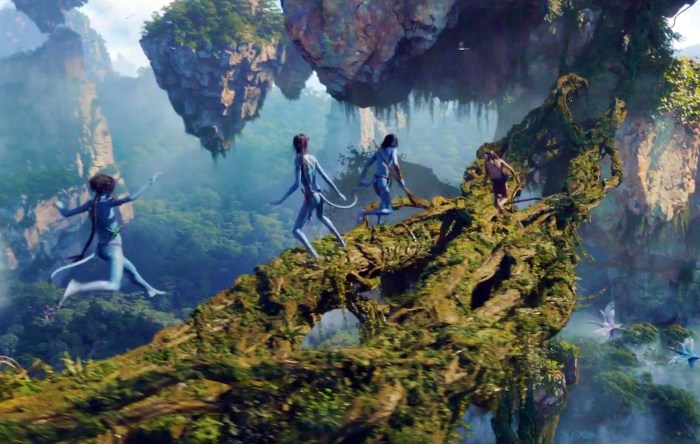
Avatar the way of water is the first film id want to watch in a vr headset – Avatar: The Way of Water is the first film I want to watch in a VR headset. Imagine experiencing the breathtaking visuals and immersive world of Pandora in a way never before possible. VR technology promises to elevate the cinematic experience, bringing viewers closer to the action and characters than ever before. This exploration delves into the potential, challenges, and technical considerations of such a transformative experience.
The film’s narrative, rich with character development and plot progression, presents unique opportunities for adaptation to VR. Visual effects and cinematography, already groundbreaking in the film, could be further enhanced, providing a more detailed and immersive environment. Different scenes, from the breathtaking landscapes to the emotional core of the story, could be interpreted in new and exciting ways within a VR setting.
This immersive environment could allow viewers to explore the world in a personalized way, perhaps even interacting with elements of the story in a unique and engaging manner.
Film Immersion in VR
VR headsets, from basic to high-end, are rapidly evolving, offering enhanced capabilities for cinematic viewing. These advancements are blurring the lines between passive observation and active participation, promising a more profound and engaging film experience. The potential of VR to transport viewers into the heart of a film like
Avatar
The Way of Water* is immense.The technical capabilities of modern VR headsets are crucial for cinematic viewing. High-resolution displays, advanced tracking systems, and sophisticated rendering algorithms create incredibly realistic environments. High refresh rates, low latency, and responsive controllers enhance immersion by providing a seamless and intuitive interaction with the virtual world. This combination of technologies allows for a sense of presence that transcends the limitations of a traditional screen.
Technical Capabilities of VR Headsets for Cinematic Viewing
Modern VR headsets are equipped with high-resolution displays that provide sharp and detailed visuals. These displays often use advanced technologies like OLED or LCD panels for vivid colors and sharp image quality. Sophisticated tracking systems monitor head movements with high precision, ensuring a smooth and responsive virtual environment. This real-time tracking eliminates motion sickness and enhances the sense of presence.
Powerful processing units are essential to handle the complex rendering required for immersive environments, enabling the creation of photorealistic visuals and dynamic interactions. Advanced rendering algorithms enable realistic depictions of light, shadows, and textures, further enhancing the immersion.
Potential Benefits of Watching Avatar: The Way of Water in VR
Watching
Avatar
The Way of Water* in VR offers a significant leap forward in immersion. The film’s rich visuals, detailed environments, and intricate storytelling lend themselves perfectly to a VR experience. Viewers can experience the vibrant world of Pandora and its diverse creatures from a completely new perspective. The potential for sensory immersion is significant, with the ability to hear the sounds of the rainforest or feel the breeze through the water.
This heightened sensory engagement can deepen the emotional connection with the characters and their struggles.
Challenges of Translating a 2D Film Experience to a 3D VR Environment
Translating a 2D film experience into a 3D VR environment presents several challenges. One significant challenge is maintaining the narrative flow and pacing that viewers expect in a traditional film format. VR environments demand a different approach to storytelling, requiring careful consideration of the viewer’s spatial orientation and the way they interact with the environment. Another hurdle is ensuring that the VR experience doesn’t distract from the core narrative.
Maintaining the emotional impact of the film while creating a dynamic and engaging VR experience requires careful design. The transition from passive viewing to active participation needs to be seamless to maintain the film’s emotional impact.
Comparison of Viewing Experiences
The viewing experience of
Avatar
The Way of Water* in a traditional cinema versus a VR headset differs significantly. In a cinema, the viewer is a passive observer, experiencing the film through a fixed perspective. In VR, the viewer is actively immersed in the world, taking on a more active role. This difference in engagement profoundly impacts the emotional connection with the story.
The traditional cinema experience provides a collective emotional response from the audience, while the VR experience creates a deeply personal and intimate connection.
Potential for Enhanced Emotional Connection
VR has the potential to significantly enhance the emotional connection with the characters and storyline of
Avatar
The Way of Water*. By immersing viewers in the world of Pandora, the film’s themes of family, loss, and environmentalism can resonate more deeply. The viewer can experience the characters’ emotions more intensely and develop a stronger sense of empathy, particularly through interactive elements. The unique spatial perspective offered by VR can allow for a more intimate and personal connection with the characters.
This immersive experience can profoundly affect the viewer’s emotional response, creating a lasting impression.
Narrative and Visual Adaptation
Avatar: The Way of Water, a visually stunning film, presents a rich narrative that lends itself beautifully to a VR experience. The film’s emotional core, focusing on family bonds and environmental struggles, can be amplified through the immersive nature of VR, allowing viewers to truly inhabit the world and feel the weight of the characters’ decisions. The potential for interactive elements and personalized exploration adds a dynamic layer, transforming a passive viewing experience into a truly engaging adventure.The adaptation of narrative elements for VR necessitates a careful consideration of plot progression.
Key scenes, such as the introduction of new characters or the escalation of conflict, can be designed to unfold dynamically within the VR environment, drawing the viewer deeper into the story. Character development, a cornerstone of the film, can be further enhanced by allowing players to interact with these characters in subtle, nuanced ways, leading to a more profound understanding of their motivations and struggles.
The emotional impact of the narrative, already strong in the film, can be heightened by the immediacy and presence of the VR environment.
Character Development in VR
Avatar’s characters are complex and multi-layered. In VR, the viewer can engage more deeply with their inner lives. For example, scenes where Jake and Neytiri grapple with difficult choices can be presented as interactive branching narratives. The viewer could choose dialogue options, influencing the character’s actions and the narrative path. By offering such choices, VR could allow a deeper understanding of the characters’ motivations and the consequences of their actions.
This approach can foster empathy and emotional resonance, making the characters feel more real and relatable.
Visual Enhancement in VR
The stunning visuals of Avatar: The Way of Water are already exceptional. In VR, this can be taken to another level. VR’s ability to place the viewer directly within the lush, bioluminescent world of Pandora can transform the cinematic experience. Imagine exploring the forests of Pandora with unparalleled detail, each tree, plant, and creature rendered in stunning realism.
Dynamic lighting and environmental effects, such as the shifting glow of the bioluminescent flora, can be seamlessly integrated, providing an unprecedented level of immersion. The camera angles and cinematography in the film, often carefully designed to showcase specific elements, can be reimagined in VR, allowing viewers to move freely and observe the environment from diverse perspectives. For instance, the breathtaking underwater sequences can be explored in a truly three-dimensional way, giving the viewer a sense of being part of the ocean’s currents.
Interactive Exploration of Scenes
Different scenes in Avatar: The Way of Water can be reinterpreted for VR in compelling ways. The family scenes, for instance, can be crafted into immersive spaces where the viewer can interact with the Sully family, observing their daily lives, and witnessing their emotional connections in a profound way. The intense action sequences can be experienced as dynamic, interactive events, where the viewer can make tactical choices to influence the outcome of battles.
VR can provide a visceral experience of the battles and the environmental challenges faced by the characters.
Interactive Elements and Personalized Exploration
The immersive nature of VR can facilitate interactive exploration. For instance, viewers could choose their own path during certain sequences, making different choices that affect the storyline. This personalization enhances the viewer’s engagement and makes the experience more memorable. This personalized interaction can be seen in the example of VR experiences of historical sites, where users can explore and interact with the environment and the objects within.
This offers a unique perspective on historical narratives, and a way to interact with them in a more tangible way.
Successful VR Film Adaptations
Several films have been successfully adapted to VR, showcasing various approaches. The “interactive” nature of some VR adaptations is often different from the traditional film experience. “The Last of Us” VR experience allows users to explore a virtual world, but the interaction is more focused on observing the environment, interacting with objects, and experiencing the atmosphere. These adaptations often prioritize immersion and sensory experience over the traditional narrative structure.
However, they share a common goal: transporting the viewer to another world, fostering a deeper connection with the narrative and the characters. The differences lie in the level of interactivity and the degree to which the adaptation departs from the original source material. For example, the “Ready Player One” VR experience provides a different level of interactivity, where users can participate in the game itself.
Technical Considerations
Bringing the breathtaking visuals and immersive world of
Avatar
The Way of Water* to VR presents a unique set of technical challenges. The film’s reliance on intricate special effects, dynamic underwater environments, and compelling character interactions demands a powerful and adaptable VR platform. Successful adaptation hinges on the ability to accurately translate the film’s visual fidelity to a 3D, interactive space while maintaining smooth performance and a seamless user experience.
Seriously, Avatar: The Way of Water is the first film I’m dying to experience in a VR headset. Imagine the breathtaking visuals and immersive storytelling, but with a whole new level of engagement. While I’m excited about that, I’m also a bit concerned about recent security breaches, like the OnePlus credit card security breach investigation affecting 40,000 users.
oneplus credit card security breach investigation 40000 affected Hopefully, VR headsets will have better security measures in place by the time I’m ready to dive into the world of Pandora! VR tech is going to be mind-blowing, and I’m super excited to see it.
Processing Power Requirements
The complex nature of
Avatar
The Way of Water* necessitates a high-end VR headset capable of handling the demanding visual load. Real-time rendering of vast, detailed environments, numerous characters, and sophisticated special effects will require a powerful processor to avoid frame rate drops and maintain a smooth experience. The high resolution and intricate detail of the underwater scenes, particularly in terms of water simulation and light effects, demand significant processing power.
Similar demands are seen in graphically intensive video games, such as those in the AAA genre, that utilize cutting-edge rendering techniques.
Visual Fidelity and Resolution
Achieving the visual fidelity of
Avatar
The Way of Water* in VR requires high-resolution displays. The film’s stunning visuals, from the vibrant bioluminescent flora to the intricate details of the Na’vi characters, must be accurately replicated in the VR environment. This necessitates a high-resolution display capable of rendering fine textures and sharp details within the headset’s field of view. The visual quality is critical to immerse the user and maintain the emotional impact of the film.
Current VR headsets are already achieving high resolutions, but maintaining consistent high resolution across the entire field of view, particularly in a dynamic environment, remains a key challenge.
Augmenting Special Effects in VR
VR offers the potential to augment the film’s special effects, providing a deeper, more interactive experience. For example, the breathtaking underwater scenes can be further enhanced by allowing the user to explore the environment in a more visceral way, interacting with the flora and fauna in real time. The use of haptic feedback can further amplify the experience, allowing users to feel the weight of water, the textures of plants, or even the presence of creatures.
The sense of scale, crucial to the film’s narrative, can be powerfully augmented by the VR headset’s ability to place the viewer within the film’s environment.
Real-Time Interaction in VR
Real-time interaction with the film’s environment is a crucial aspect of the VR experience. Imagine being able to explore the lush forests, navigate the underwater caves, or even interact with the Na’vi characters in a more tangible way. While the narrative is primarily cinematic, VR can enhance it by allowing the user to discover hidden details and make choices that might influence their experience.
Such interactive elements can increase the immersion and encourage exploration, moving beyond a passive viewing experience.
Limitations and Challenges
Replicating the film’s visual fidelity in VR is not without limitations. The complex water simulations and dynamic lighting effects are particularly challenging to render in real time. Maintaining a consistent frame rate while simultaneously displaying high levels of detail can be difficult, especially when considering the complexity of the film’s special effects. The computational demands of these scenes might require significant advancements in VR technology.
Moreover, replicating the film’s emotional impact within the VR environment presents a unique challenge. While the visuals are a significant part of the experience, the emotional connection is built upon a combination of visual and narrative elements.
Technical Specifications for VR Headset
| Specification | Details |
|---|---|
| Processing Power | High-end processor required for smooth rendering of complex environments and special effects. Must handle real-time calculations and rendering for the water simulation, dynamic lighting, and other elements. |
| Resolution | High-resolution displays for crisp visuals, particularly for intricate details and high-resolution textures. Resolution should be high enough to maintain visual quality across the entire field of view. |
| Field of View | A wide field of view is crucial to fully immerse the user in the film’s environment. This will allow a more natural and immersive experience, akin to being present within the film. |
| Refresh Rate | High refresh rate for smooth visuals, particularly for action sequences and dynamic camera movements. A high refresh rate will reduce motion blur and enhance the overall visual experience. |
| Tracking Accuracy | Accurate and responsive tracking is necessary for realistic interaction with the environment. This will allow the user to navigate and interact with the virtual world realistically. |
Accessibility and Audience Impact: Avatar The Way Of Water Is The First Film Id Want To Watch In A Vr Headset
Avatar: The Way of Water, in VR, holds immense potential for a broad audience, transcending traditional cinema limitations. The immersive nature of VR could captivate viewers in a completely new way, potentially expanding the film’s reach and emotional impact. This exploration delves into the potential audience appeal, accessibility considerations, and the broader implications for the film industry.The film’s captivating visual storytelling, combined with VR’s immersive capabilities, creates a powerful synergy.
This approach could attract a wide spectrum of viewers, including those who are not traditionally drawn to science fiction films, by offering a unique and engaging experience.
Potential Audience Appeal
The immersive nature of VR, coupled with the visually stunning world of Avatar: The Way of Water, promises to attract a diverse audience. The film’s themes of family, environmentalism, and the interconnectedness of life resonate with many demographics, from families seeking a shared experience to young adults interested in cutting-edge technology. The visual spectacle of the underwater world, enhanced by VR’s ability to transport viewers directly into it, can also attract a wide range of interests, including nature enthusiasts, marine biologists, and those fascinated by science fiction.
Avatar: The Way of Water is definitely the first film I want to experience in a VR headset. The immersive visuals and 3D action sequences are perfectly suited for this kind of technology. Plus, the recent Warner Bros. Machinima acquisition by AT&T, warner bros machinima acquisition att , suggests a future where more films will be optimized for virtual reality.
I can’t wait to see how that translates into an even more breathtaking cinematic experience for Avatar: The Way of Water in VR.
Accessibility Considerations for Visual and Auditory Impairments
VR experiences can present challenges for individuals with visual or auditory impairments. However, adaptive features can be incorporated to mitigate these issues. For visual impairments, VR headsets can be equipped with audio descriptions that narrate the visual elements of the scene, allowing users to comprehend the environment and characters. Subtitles or captions for audio cues and dialogue are also important features for enhancing accessibility.
Similarly, for auditory impairments, visual representations of sound effects and music can provide an alternative form of sensory input. The development of advanced audio-visual technologies will be key to ensuring a fully accessible experience.
Potential Impact on the Film Industry and Storytelling
VR technology has the potential to revolutionize the film industry, allowing for unprecedented levels of audience engagement. The immersive nature of VR can create a more intimate connection between the viewer and the narrative, potentially fostering deeper emotional responses. This new approach to storytelling could open up a new era of creative possibilities, encouraging filmmakers to explore narratives that were previously inaccessible through traditional cinema.
Avatar: The Way of Water is definitely the first film I want to experience in a VR headset. Imagine the immersive visuals, especially with the incredible detail in the water scenes. The potential for a truly spectacular experience is huge, especially considering the level of jiggle physics in the jiggle physics 139 salmon cannons demo – that’s the kind of attention to detail I’d want to see brought to a VR film.
It’s going to be mind-blowing.
Examples of Transforming Film Consumption and Experience, Avatar the way of water is the first film id want to watch in a vr headset
VR could transform how films are consumed by enabling viewers to explore the world of the film in a more interactive and personal way. Imagine being able to walk among the Na’vi, explore Pandora’s diverse landscapes, and experience the unique cultures in a deeply personal way. This kind of interactive engagement can create a more lasting impact and stimulate a deeper understanding of the film’s themes.
The emotional response to the film could be intensified through this new level of interaction.
Potential Emotional Reactions of Viewers
The unique immersive nature of VR can profoundly influence the emotional responses of viewers. Being physically transported into the world of Avatar: The Way of Water can evoke a powerful sense of presence and connection with the characters and environment. This heightened sensory experience could lead to a wider range of emotional responses, including awe, wonder, empathy, and even fear, depending on the specific scenes and narrative elements.
Marketing and Promotion

The immersive potential of VR offers a unique opportunity to reimagine how we experience and engage with films. A VR adaptation of Avatar: The Way of Water presents a compelling case study for exploring new avenues in film marketing, capitalizing on the film’s already substantial fanbase. This approach promises to deepen viewer connection and foster a more profound understanding of the narrative and visual world.Leveraging the existing global popularity of the film franchise is crucial for a successful VR launch.
The emotional resonance of the original Avatar and the expanded world-building in The Way of Water provide a strong foundation for marketing. The strategy must be targeted, engaging, and build excitement for the innovative VR experience.
Marketing Strategies for VR Adaptation
The key to a successful marketing campaign for a VR experience lies in understanding the unique aspects of the medium. Traditional marketing approaches must be adapted to highlight the interactive and immersive nature of the VR experience.
- Social Media Engagement: Creating visually stunning and interactive content on platforms like Instagram, TikTok, and Facebook is crucial. Short, captivating video clips showcasing gameplay, key scenes, and behind-the-scenes content can be highly effective. User-generated content campaigns could also be implemented, encouraging fans to share their experiences and creating a buzz around the VR experience.
- Pre-orders and Incentives: Offering exclusive content, merchandise, or early access to the VR experience for pre-orders is a powerful way to incentivize early adopters. This creates a sense of exclusivity and anticipation, driving pre-order rates and generating buzz.
- Partnerships and Collaborations: Collaborating with VR headset manufacturers and influencers can significantly expand the reach of the campaign. Joint promotions, exclusive content, and influencer reviews can significantly increase awareness and interest in the VR experience.
Promotional Campaign Design
A well-structured promotional campaign should focus on highlighting the unique selling points of the VR experience. The campaign should resonate with existing fans of the film while attracting new VR enthusiasts.
| Aspect | Strategy |
|---|---|
| Teaser Trailers: | Short, captivating trailers showcasing the unique VR elements, like interactive exploration and character interactions, are crucial. |
| Interactive Content: | Creating interactive elements on social media, like quizzes and polls based on the film’s lore, will engage users and build anticipation. |
| Virtual Events: | Hosting virtual events, Q&A sessions with filmmakers, and live demonstrations of the VR experience can provide immersive experiences and generate excitement. |
Impact on Future Movie Marketing and Distribution
The VR adaptation of Avatar: The Way of Water presents a glimpse into the future of movie marketing and distribution. By creating immersive and interactive experiences, studios can offer a more engaging and personalized experience for their audience, fostering stronger emotional connections with the narrative. This shift could lead to more sophisticated marketing strategies that utilize emerging technologies, potentially creating entirely new revenue streams through premium VR experiences.
Detailed Description of the VR Experience
The VR experience will transport viewers into the breathtaking world of Pandora, allowing them to explore the bioluminescent forests, vast oceans, and towering mountains of the Na’vi home. Users can interact with the Na’vi, experiencing their culture and traditions firsthand. The VR experience goes beyond passive viewing, allowing users to participate in the story by exploring, interacting, and experiencing the world of Pandora in a completely new way.
The detail in the environments, the precision in character modeling, and the sense of presence will make this experience a benchmark for future VR adaptations.
Environmental Impact and Ethical Considerations

The allure of immersive VR experiences, particularly for cinematic storytelling, is undeniable. However, the path to bringing a film like Avatar: The Way of Water to a VR headset is not without environmental and ethical considerations. From the manufacturing of the headsets to the energy consumption of the experiences themselves, careful consideration is crucial to ensure that this new form of entertainment doesn’t come at an unsustainable cost.This exploration delves into the environmental footprint of VR, the ethical implications of its use in entertainment, and compares it to traditional movie-going experiences.
Understanding these aspects is essential for responsible development and consumption of VR film, fostering a sustainable and ethical future for immersive storytelling.
Environmental Impact of VR Headset Production
The creation of VR headsets involves a complex interplay of materials, energy, and manufacturing processes. Rare earth minerals, crucial components in many VR devices, are often mined in environmentally sensitive areas, impacting local ecosystems. The production process itself requires significant energy consumption, contributing to greenhouse gas emissions. Furthermore, the manufacturing often involves complex supply chains, potentially exposing workers to unsafe conditions or exploitative labor practices.
The environmental impact of the manufacturing process should be carefully analyzed and reduced through sustainable practices.
Environmental Impact of VR Headset Disposal
The disposal of VR headsets presents a unique challenge. Many VR components, including the complex electronics and specialized materials, are not easily recycled, leading to electronic waste (e-waste) that can contaminate soil and water resources. The potential for hazardous materials to leach into the environment during improper disposal highlights the need for robust recycling programs and responsible end-of-life management strategies for VR headsets.
Extended producer responsibility (EPR) models, where manufacturers bear the responsibility for the entire lifecycle of their products, including disposal, can help mitigate this issue.
Energy Consumption During VR Experience
VR experiences, especially high-resolution, immersive ones, demand significant computational power. The servers hosting the VR content and the processing units within the headsets require substantial energy. This energy consumption can contribute to a carbon footprint. The electricity used for VR experiences should be sourced from renewable energy sources wherever possible to reduce the environmental impact of VR entertainment.
Examples of such renewable energy sources include solar, wind, and hydro power.
Comparison of Environmental Impact: VR vs. Traditional Film
Traditional film screenings, while not without their environmental footprint (e.g., transportation of audiences, electricity use for cinemas), typically have a lower energy consumption profile compared to a VR experience. The electricity consumption in a VR experience is significantly higher, especially when considering the computational demands for creating and rendering the immersive environment. However, the immersive nature of VR offers a unique opportunity for virtual travel and entertainment, reducing the need for physical travel and thus potentially lowering carbon emissions in some contexts.
The choice of location and energy source for the VR experience greatly influences the environmental impact.
Ethical Considerations of VR Entertainment
The use of VR in entertainment raises ethical considerations related to the potential for exploitation, addiction, and the blurring of reality. The immersive nature of VR can create situations that might be uncomfortable or psychologically challenging for some users. VR entertainment providers should be mindful of the potential impact on vulnerable populations and should prioritize user well-being. Examples include considering the mental health impact of immersive VR experiences and providing clear warnings about potential triggers or disturbing content.
Social Impact of Promoting VR Film
The promotion of a VR film can have both positive and negative social impacts. It can stimulate interest in technology and innovation, promoting technological literacy and new forms of entertainment. However, the potential for misinformation or misleading marketing tactics needs to be addressed. A responsible marketing approach that promotes the film’s environmental impact alongside its immersive nature can help balance these concerns.
Last Point
The potential of watching Avatar: The Way of Water in VR is immense. It opens doors to a more profound connection with the film’s characters and storyline, and could revolutionize how we experience movies. While technical challenges remain, the potential for enhanced emotional engagement, and interactive elements within the VR experience make it a truly exciting prospect. The future of storytelling could be significantly impacted by this merging of technology and cinema.