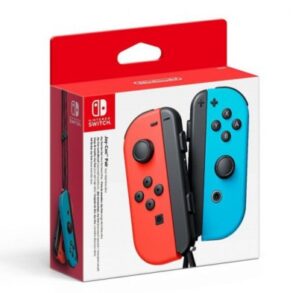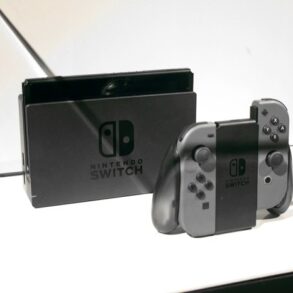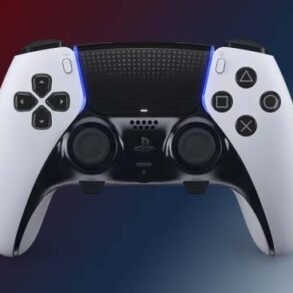

Apple ios 16 nintendo switch pro joy con controller support – Apple iOS 16 Nintendo Switch Pro Joy-Con controller support is a fascinating prospect, raising exciting possibilities for gaming and app control on iOS devices. This exploration delves into the potential integration, examining the technical hurdles and user experience implications of bringing the Switch Pro Controller’s capabilities to the iOS ecosystem. We’ll cover everything from existing controller support on iOS to the intricate technical implementation details and the potential impact on game compatibility.
iOS 16, with its enhanced capabilities, provides a fertile ground for exploring this integration. The Nintendo Switch Pro Controller, renowned for its ergonomic design and precise controls, could significantly enhance the user experience for various iOS applications, especially gaming. This article will analyze the potential benefits and challenges, comparing it with existing iOS controller solutions and considering potential drawbacks.
Overview of iOS 16 and Nintendo Switch Pro Controller Support
iOS 16, Apple’s latest mobile operating system, brings a host of enhancements, including improved performance, enhanced privacy controls, and new features for productivity and creativity. This release continues Apple’s focus on user experience and seamless integration across its ecosystem. This article delves into the potential of Nintendo Switch Pro Controller support for iOS 16, examining its feasibility and implications.The introduction of Nintendo Switch Pro Controller support on iOS 16 would represent a significant advancement in the accessibility of gaming and control options on Apple devices.
This support could potentially unlock a wider range of gaming experiences for iOS users, offering a more comfortable and intuitive way to interact with games designed for other platforms.
Key Features of iOS 16
iOS 16 introduces several significant features. These improvements are designed to enhance user experience and provide more control over the device’s functionality. Features such as improved multitasking, enhanced notifications, and expanded customization options all contribute to a more intuitive and personalized user experience.
Specifications and Capabilities of the Nintendo Switch Pro Controller
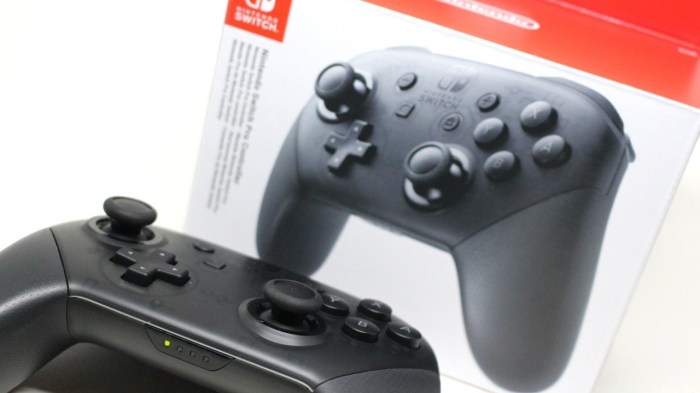
The Nintendo Switch Pro Controller is a high-performance controller renowned for its ergonomic design and precise controls. Its features include a high-resolution touch pad, a D-pad, and programmable buttons, offering an enhanced gaming experience. The controller also provides a comfortable and secure grip for extended gaming sessions. The controller’s capabilities include enhanced input accuracy, providing responsive control for various game genres.
Existing Methods for Controlling iOS Devices
Currently, iOS devices primarily rely on touch input for controlling apps and games. Apple has also provided compatibility with Bluetooth game controllers, albeit limited in their support for specific games. This limited compatibility with third-party controllers has presented a significant hurdle for gaming experiences on iOS.
Comparison of Nintendo Switch Pro Controller with Other iOS Controllers
The Nintendo Switch Pro Controller stands apart from other Bluetooth controllers compatible with iOS devices due to its more advanced features, including programmable buttons, enhanced input accuracy, and a broader range of customization options. This makes it a compelling choice for users seeking a more refined gaming experience on iOS. Other controllers often lack the advanced controls or the same level of comfort.
While Apple iOS 16’s support for Nintendo Switch Pro Joy-Con controllers is still a bit of a mystery, it’s interesting to consider the broader landscape of accessories. For example, checking out ugreen genshin impact charging accessories provides some cool ideas for charging and connecting devices. Ultimately, the lack of official support for the Pro controller on iOS 16 is still a hurdle for seamless gaming experiences.
In contrast, the Switch Pro Controller’s ergonomics and extensive button mapping are more akin to traditional game controllers.
Potential Challenges and Limitations for Implementing Support
Implementing support for the Nintendo Switch Pro Controller on iOS 16 may present challenges related to the controller’s specific hardware and software specifications. One critical hurdle is ensuring compatibility with the diverse range of iOS devices and their varying hardware specifications. Another aspect is the need for careful software development to ensure seamless integration and consistent performance across different games and apps.
Finally, the complexity of mapping the controller’s functionalities to iOS input systems will need careful consideration.
Existing Support and Compatibility

iOS devices, while primarily known for their intuitive touch-based interface, have increasingly embraced controller support. This has been driven by a growing demand for gaming and other applications that benefit from the precision and comfort of physical controls. This section explores the current state of controller support, its evolution, and the underlying technical mechanisms.Controller support for iOS devices has evolved significantly over the years.
Early iOS versions had limited support, primarily focusing on simple input methods. However, as the platform matured, so did the sophistication of controller integration. This evolution reflects a wider trend in mobile operating systems, adapting to a broader range of user needs and application requirements.
Current Level of Controller Support
The current level of controller support for iOS devices is quite robust, particularly with the introduction of Bluetooth connectivity. Most modern iOS devices can connect to and utilize various types of controllers, enhancing the gaming and productivity experiences. This is evident in the increasing number of games and apps that now fully support controllers, making them a viable alternative to touch input.
History of Controller Support
Early iOS versions largely relied on Bluetooth for connecting external controllers. However, with the advancements in Bluetooth technology, support has expanded to encompass a wider range of devices and protocols. This advancement allows for more seamless integration and improved control responsiveness. The historical progression reflects the evolving relationship between iOS and external input devices, responding to the needs of developers and users.
Methods for Connecting and Using Controllers
Connecting controllers to iOS devices typically involves Bluetooth pairing. Users initiate the pairing process on their iOS device, and the controller will then appear as a discoverable Bluetooth device. Once paired, the controller can be used with compatible apps. Various applications and games have unique ways of interpreting controller input, enabling diverse control schemes.
While Apple iOS 16’s new features are exciting, I’m still waiting for official Nintendo Switch Pro Joy-Con controller support. It seems like a simple addition, but a seamless connection to the latest iOS versions could be game-changing. Meanwhile, the recent Amazon re:MARS conference with Jeff Bezos discussing AI, machine learning, robotics, and space exploration, highlights the forward-thinking advancements in tech, potentially influencing future developments in gaming controllers as well.
Hopefully, this will translate into better controller support for the Switch on iOS 16 soon.
Examples of Third-Party Apps and Accessories
Numerous third-party apps and accessories are designed to enhance controller support for iOS devices. Many gaming apps offer configurable controls for different controller types, providing a more tailored experience. For example, specific accessories might be tailored for specific controller types. This reflects the diverse nature of the iOS ecosystem, accommodating diverse user preferences and application needs.
Technical Aspects of Connecting and Communicating
The technical aspects of connecting and communicating between iOS devices and controllers rely on Bluetooth Low Energy (BLE) protocols. BLE is a low-power, short-range wireless technology ideal for connecting peripherals to mobile devices. This low-power consumption ensures efficient operation, preventing battery drain. The protocol allows controllers to send input signals to the iOS device, which interprets these signals and performs the necessary actions within the app.
This communication process is crucial for enabling the seamless functionality of controller-based applications.
Potential Support for the Nintendo Switch Pro Controller
The Nintendo Switch Pro Controller, renowned for its comfortable ergonomics and precise controls, has become a favorite among gamers. Its integration with iOS devices, while currently absent, presents exciting possibilities for enhanced gaming experiences on the go. This exploration delves into the potential framework for such integration, focusing on technical implementation, use cases, and potential challenges.A key consideration in integrating the Switch Pro Controller is its unique input structure.
Apple’s iOS ecosystem, while robust, has its own established controller paradigms. Bridging this gap requires a sophisticated controller mapping mechanism. This process must translate the complex inputs of the Pro Controller (buttons, joysticks, and directional inputs) into commands understandable by iOS. This translation must be reliable, responsive, and intuitive for seamless gameplay.
Conceptual Framework for Integration
The integration hinges on a robust communication protocol between the controller and the iOS device. Bluetooth Low Energy (BLE) is a likely candidate, due to its energy efficiency and suitability for game controller interactions. A dedicated iOS application would act as a bridge, receiving input from the controller and transmitting it to the targeted game or application. This application would need to handle input buffering, ensuring accurate and consistent delivery to the application.
Technical Aspects of Controller Mapping and Input Handling
Controller mapping involves assigning specific actions within the game or application to each input on the Pro Controller. This mapping must be highly customizable to accommodate various games and player preferences. A user-friendly interface within the bridge application would allow players to adjust mappings easily.Input handling requires sophisticated algorithms to manage the timing and accuracy of controller inputs.
The iOS device needs to process the controller’s inputs in real-time, which will require careful consideration of latency. Techniques like input buffering and optimized processing pipelines can help mitigate latency issues. Extensive testing is crucial to ensure smooth and consistent performance.
Potential Use Cases for Integration
This integration could significantly enhance gaming experiences on iOS devices. Players could enjoy more nuanced controls in genres such as racing, action, and strategy games. Porting PC and console games to iOS could become more accessible and engaging with a controller that mirrors the quality of the Switch Pro Controller.Mobile gaming experiences can benefit from more precise and comfortable controls.
The Pro Controller’s dedicated shoulder buttons could be used for specialized actions in mobile games, offering an enhanced sense of control and immersion. Moreover, streaming or playing PC games through iOS could also be greatly improved by using the Pro Controller.
Potential Benefits and Drawbacks
The integration of the Switch Pro Controller with iOS 16 offers a compelling potential to expand gaming experiences on mobile devices. Improved precision and comfort in gaming are key benefits, as well as increased accessibility for a wider range of games. However, compatibility issues with existing iOS games might arise, requiring developers to adapt their game controllers.A significant drawback could be the potential licensing complexities with Nintendo.
Negotiating the terms of using the Pro Controller’s intellectual property would be a key consideration. Furthermore, battery life of the Pro Controller in this scenario needs to be factored in, as sustained gaming sessions could drain the controller’s battery quickly.
Potential Security Considerations and Mitigation Strategies
Security concerns regarding malicious input injections or exploits need to be addressed. Robust input validation and sanitization techniques are essential to prevent vulnerabilities. Implementing security measures at both the controller and iOS application levels is paramount to ensure data integrity.The development of secure authentication protocols, ensuring that only authorized applications can access controller data, is a critical component of the security strategy.
Regular security audits and vulnerability assessments would be vital in maintaining the integrity of the system. Moreover, adhering to industry best practices for iOS security will be critical.
User Experience Considerations

Integrating a Nintendo Switch Pro Controller into the iOS 16 ecosystem presents exciting possibilities for enhanced user interaction. This approach promises a more intuitive and comfortable gaming experience, but successful implementation requires careful consideration of the user interface and control mapping. The tactile feedback and precise controls of the Pro Controller offer a significant leap forward compared to traditional touch-based input.The core challenge lies in seamlessly translating the controller’s functionality into the familiar iOS environment.
This involves not only mapping button actions but also considering the overall flow of interaction within different iOS applications. A well-designed system will feel natural and intuitive, avoiding any jarring transitions between touch-based and controller-based interaction.
Comparing User Experiences
Traditional iOS interaction relies on touch gestures and on-screen controls. This approach is intuitive for many tasks, but complex games or applications often require more precise and nuanced input. The Nintendo Switch Pro Controller, with its dedicated buttons and directional controls, offers a distinct advantage in these scenarios.
| Interaction Method | Strengths | Weaknesses |
|---|---|---|
| Touch-based | Intuitive for basic tasks, widely accessible | Less precise for complex actions, can be cumbersome for prolonged use |
| Nintendo Switch Pro Controller | Precise and responsive, enhanced tactile feedback, dedicated controls for complex tasks | Requires adjustments for iOS applications, may not be intuitive for all users |
Adjustments to iOS User Interface
Optimizing the iOS user interface for controller interaction necessitates careful consideration of the existing design. Developers must strategically integrate controller-specific input options within the existing application architecture. For example, adding dedicated buttons for common actions like pause, rewind, or fast-forward in games would streamline the user experience.
Adapting Controller Layout
The Nintendo Switch Pro Controller’s layout can be adapted to intuitively control iOS applications. By carefully mapping controller buttons to actions within specific apps, developers can create a more natural user flow. For example, the left and right bumpers could be used for navigating menus or scrolling through content, while the shoulder buttons can activate specific actions.
Potential Control Options
The Pro Controller offers a wide range of potential control options for iOS devices. This includes not just button mapping but also leveraging the controller’s directional pad, analog sticks, and even the rumble function. A well-considered approach will leverage these options to create a seamless and intuitive user experience.
- Button Mapping: Assigning specific actions to controller buttons, like A, B, X, Y, or the directional pad.
- Analog Stick Control: Implementing analog stick controls for actions like aiming or movement.
- Directional Pad: Using the directional pad for navigating menus and selecting options.
- Rumble Feedback: Leveraging the controller’s rumble to provide feedback during gameplay or user interactions.
User Flow
A smooth user flow with the Pro Controller would involve a seamless transition between touch-based and controller-based interaction. A clear indication, perhaps a button or icon, should signal the user when controller input is active. For instance, a small icon in the top-left corner could indicate that controller input is now active. This approach would allow users to quickly switch between modes without confusion.
Moreover, a consistent and intuitive mapping of controller buttons to app functions will ensure a positive user experience. For example, in a game, the “A” button could always be used to confirm actions.
Technical Implementation Details
Seamless integration of the Nintendo Switch Pro Controller into iOS 16 necessitates a robust technical architecture. This involves careful consideration of communication protocols, API choices, and the overall development process. A deep understanding of the controller’s functionality and the iOS ecosystem is paramount for successful implementation.
Communication Protocols
The choice of communication protocol is crucial for achieving reliable and low-latency controller input. Bluetooth Low Energy (BLE) is a likely candidate due to its energy efficiency and suitability for low-power devices. This protocol allows for efficient data exchange between the controller and the iOS device. Crucially, a robust BLE implementation needs to be in place to handle potential interference and ensure consistent connection.
Potential APIs and Frameworks
Several APIs and frameworks are potentially required for controller support. The CoreBluetooth framework in iOS is vital for managing Bluetooth connections and data exchange. Other frameworks like CoreMotion and EventKit might be necessary depending on the specific features offered by the controller. The choice of these frameworks depends on the exact functionality planned for the Pro Controller on iOS.
Development Process
The development process involves multiple stages, starting with the design and specification of the controller interaction. This includes defining the mapping between controller buttons and iOS actions. The development team must thoroughly test the integration to ensure responsiveness and reliability. Integration testing and debugging will be critical throughout the process to prevent any unexpected behaviour or glitches.
Software and Hardware Components
The integration process relies on a combination of software and hardware components. The iOS device acts as the central hub for receiving and processing input. The Nintendo Switch Pro Controller acts as the input device. Crucially, the software on both sides needs to be carefully synchronized for seamless communication. Firmware updates on both the controller and the iOS device are necessary for stable performance.
| Component | Description |
|---|---|
| iOS Device | Acts as the central processing unit, receiving input and translating it into appropriate iOS actions. |
| Nintendo Switch Pro Controller | Acts as the input device, sending data to the iOS device via Bluetooth. |
| CoreBluetooth Framework | Provides the necessary tools for managing Bluetooth connections and data transfer. |
| CoreMotion Framework | (Potentially) Handles motion controls, if implemented. |
| EventKit Framework | (Potentially) Handles specific events, if needed. |
| Firmware | Software on both the controller and the iOS device that facilitates communication. |
Potential Game Compatibility and Development
Apple’s iOS 16 and Nintendo Switch Pro Controller support opens exciting possibilities for game development and player experience. This integration has the potential to significantly expand the reach of iOS gaming and encourage the creation of new and innovative game experiences. Developers will have new tools to create more immersive and engaging titles.This integration will impact various aspects of game development, from the creation of controls to the design of the game itself.
The enhanced control options will allow developers to create games that can utilize more sophisticated control schemes and create a wider range of game genres. This support also presents opportunities to bridge the gap between console and mobile gaming experiences.
Game Genres Benefiting from Controller Support
Controller support will be especially beneficial for genres that rely on precise and nuanced input. First-person shooters, racing games, and action RPGs will likely see the most significant improvements. More complex control schemes for these genres will now be more accessible.
Impact on Game Development and Design
The addition of controller support will influence game development by requiring developers to design games with a wider range of input options in mind. This means creating control schemes that function smoothly on both touchscreens and controllers. This is particularly important for games that rely on complex maneuvers or require precision control. Game designers will need to consider the unique characteristics of both input methods, offering a tailored experience for each.
Games may need alternative ways to implement touch controls for specific tasks or provide options for both touch and controller users.
Design Considerations for Controller-Compatible Games
Developers need to meticulously design games to seamlessly integrate both touch and controller input. This means creating distinct control schemes for each input method, ensuring both are intuitive and enjoyable. Games will need to provide options for players to choose their preferred input method. In addition, they will need to ensure a consistent experience across both methods.
Impact on Game Controls and Input Mechanisms
The integration of controllers will affect game controls and input mechanisms by offering greater flexibility. Players will have more options to customize controls, leading to a more personalized experience. For instance, in a first-person shooter, players using a controller could map controls differently than those using touch controls. This means that developers need to account for different input styles and design games with both input methods in mind.
While Apple iOS 16’s support for the Nintendo Switch Pro Joy-Con controller is still a bit of a mystery, we’re seeing some exciting rumors about the next Galaxy foldable, the Galaxy Z Flip 6. This new foldable is generating a lot of buzz, and you can check out all the speculation on the latest rumors at galaxy z flip 6 all the biggest rumors about samsungs next flip phone.
Regardless of the foldable phone front, it seems the controller support is still a bit of a gray area for the iOS 16 and Nintendo Switch Pro Joy-Con.
Market and Consumer Impact, Apple ios 16 nintendo switch pro joy con controller support
Controller support will broaden the iOS gaming market by attracting new players and developers who previously may not have considered mobile gaming. The increased flexibility and immersion will likely attract players who previously only played console games. This is a major step for mobile gaming, bringing console-quality experiences to a mobile platform. Games using the controllers may see increased sales and engagement as players become more invested in the experience.
This integration will foster more creativity and innovation in mobile game design.
Future Directions and Potential Enhancements
The integration of the Nintendo Switch Pro Controller with iOS 16 represents a significant step towards a more unified gaming ecosystem. This opens exciting possibilities for future controller support and broader compatibility, potentially transforming how users interact with their iOS devices. This exploration delves into the potential avenues for improvement and expansion, addressing compatibility issues and highlighting the potential impact on the iOS ecosystem.
Future of Controller Support
The introduction of the Nintendo Switch Pro Controller support in iOS 16 marks a turning point in controller compatibility. Looking ahead, the potential for supporting a wider range of controllers, including those from other game consoles or even specialized third-party options, is substantial. This could encompass various input methods, potentially including haptic feedback and more nuanced control schemes. This expansion would cater to a broader user base, encouraging wider adoption and enriching the iOS gaming experience.
Potential Areas for Improvement
Several areas present opportunities for enhancing the integration of controllers with iOS. Improved mapping and customization options are crucial for diverse gaming needs. Users should have greater control over button assignments, analog stick sensitivity, and other settings, allowing for precise control and personalization. Furthermore, enhanced compatibility with existing and emerging games is essential. This could involve working with developers to ensure seamless integration and support for a wider range of titles.
Potential Solutions for Compatibility Issues
Addressing existing compatibility issues is crucial for a smooth user experience. Developing a standardized API for controller communication across different platforms would facilitate seamless integration. Clearer documentation and developer resources would assist in simplifying the process of integrating controller support into iOS apps. Collaboration with game developers and controller manufacturers to create a common framework would minimize fragmentation and maximize compatibility.
Impact on the iOS Ecosystem
The integration of controllers has the potential to reshape the iOS ecosystem. It could foster a more competitive gaming environment, attracting developers to create innovative and engaging experiences. This approach could also encourage the development of new types of iOS games designed specifically for controller input, expanding the scope of interactive possibilities.
Key Improvements and Features
| Feature Category | Description |
|---|---|
| Controller Support Expansion | Support for additional controllers, including those from other game consoles and specialized third-party controllers. |
| Customization Options | Enhanced mapping and customization options for button assignments, analog stick sensitivity, and other settings. |
| Compatibility Improvements | Improved compatibility with existing and emerging games through a standardized API for controller communication and clearer documentation. |
| Developer Resources | Providing comprehensive developer resources and tools for easier integration of controller support into iOS apps. |
| Game Design & Development | Promoting game development focusing on controller input to create innovative and engaging experiences. |
Last Point: Apple Ios 16 Nintendo Switch Pro Joy Con Controller Support
In conclusion, Apple iOS 16 Switch Pro Joy-Con controller support presents a compelling opportunity to revolutionize iOS gaming and app interaction. While technical challenges exist, the potential benefits for users, developers, and the iOS ecosystem are substantial. Future development and refinement of this integration could unlock a new era of intuitive and enjoyable iOS experiences. The seamless integration of the Switch Pro Controller’s functionality into iOS 16 holds great promise for a more diverse and engaging user experience.