

Amazon alexa tap speaker hands free software update – Amazon Alexa Tap speaker hands-free software update brings exciting improvements and potential issues. This update promises to enhance the voice recognition capabilities, response time, and overall user experience with the hands-free features. We’ll explore the specifics of the update, analyzing its impact on user interaction and troubleshooting any potential problems.
This article delves into the specifics of the Amazon Alexa Tap speaker’s hands-free software update, covering everything from the basics of the speaker to the intricacies of the update process itself. We’ll also examine the improvements and potential drawbacks, providing insights into how the update affects the device’s overall performance and usability. Expect a detailed breakdown of the update’s features, potential risks, and helpful troubleshooting tips.
Overview of Amazon Alexa Tap Speaker
The Amazon Alexa Tap speaker is a compact, stylish, and affordable smart speaker designed for convenient hands-free voice control. Its small size belies its powerful functionality, making it an ideal choice for users who value portability and ease of use without sacrificing essential features.The Tap speaker offers a seamless integration with the broader Amazon ecosystem, allowing users to control various smart home devices and access a vast library of music, podcasts, and audiobooks.
Its user-friendly interface ensures that even novice users can quickly learn how to leverage its features to enhance their daily lives.
Key Features and Functionalities
The Amazon Alexa Tap speaker boasts a range of functionalities that enhance its user experience. These include hands-free voice control, compatibility with a wide array of smart home devices, and access to a massive library of music and audio content. It seamlessly integrates into the Amazon ecosystem, enabling users to manage their accounts, order products, and receive updates.
- Voice Control: The Tap speaker allows users to control various functions with voice commands, making hands-free operation a breeze. This includes playing music, setting timers, making calls, and controlling smart home devices. For instance, users can say “Alexa, play some jazz” to initiate a music session, or “Alexa, set a timer for 15 minutes” to schedule a reminder.
- Smart Home Compatibility: The Tap speaker is compatible with a wide array of smart home devices, enabling users to control their lighting, thermostats, and other appliances through voice commands. This allows for streamlined management of the home environment, providing a convenient and automated experience.
- Audio Quality: While compact, the Tap speaker delivers surprisingly good audio quality for its size. This makes it suitable for a variety of settings, from personal listening to small gatherings. The speaker is optimized for clear voice recognition, ensuring accurate responses to voice commands.
- Integration with Amazon Services: The speaker seamlessly integrates with other Amazon services, including Amazon Music, Audible, and others. This allows users to access a vast library of music, audiobooks, and podcasts, enhancing entertainment options and utility.
User Experience
The typical user experience with the Amazon Alexa Tap speaker is characterized by its ease of use and intuitive interface. Users can quickly learn how to perform basic tasks, such as playing music or setting alarms, while more advanced functions can be explored progressively.The speaker’s simple design and straightforward voice control interface make it user-friendly, regardless of technical expertise.
Its responsive nature and clear audio output contribute to a smooth and enjoyable user experience.
Comparison with Competitors, Amazon alexa tap speaker hands free software update
The Amazon Alexa Tap speaker stands out in the market for its balance of affordability, functionality, and ease of use. Compared to other smart speakers from competitors, the Tap often offers a similar level of functionality at a more accessible price point. However, some competitors might offer slightly more advanced features, such as higher audio quality or specific niche functionalities, but often at a higher cost.
Role in the Amazon Ecosystem
The Amazon Alexa Tap speaker plays a vital role in the broader Amazon ecosystem by expanding the reach of its voice assistant technology. It serves as a gateway for users to access a variety of Amazon services and products, fostering a comprehensive user experience centered around voice interaction and smart home control. The Tap acts as a key element in Amazon’s strategy for integrating voice technology into various aspects of consumers’ daily lives.
Hands-Free Functionality
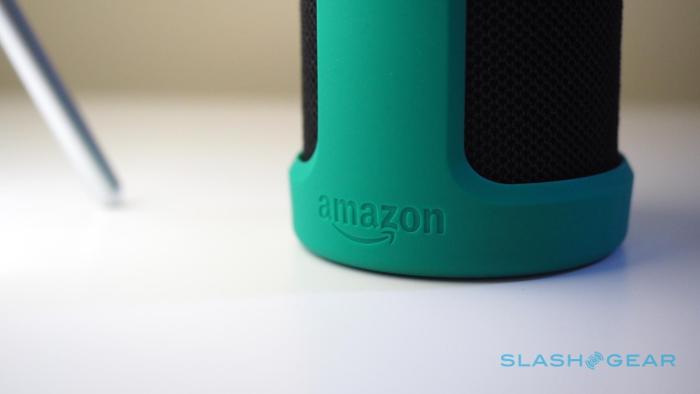
The Amazon Alexa Tap speaker prioritizes seamless user interaction through its hands-free voice control capabilities. This feature allows users to effortlessly control various functions and access information without physically touching the device. This convenience significantly enhances the overall user experience, making the speaker a versatile tool for everyday tasks.Voice control is becoming increasingly prevalent in smart home devices, and the Amazon Alexa Tap speaker exemplifies this trend.
Its hands-free nature streamlines the user experience, offering a more intuitive and natural way to interact with technology. The integration of voice recognition technology enables users to perform tasks simply by speaking, thus freeing their hands for other activities.
Voice Recognition Capabilities
The Amazon Alexa Tap speaker utilizes advanced voice recognition technology to accurately interpret user commands. This technology is continuously refined through machine learning algorithms, leading to improved accuracy and reliability over time. The speaker’s ability to differentiate between various voices and commands ensures a smooth and efficient interaction process.
Accuracy and Reliability
The accuracy of the Amazon Alexa Tap speaker’s voice recognition is generally high. However, factors like background noise, accents, and the speaker’s proximity to the device can sometimes affect the accuracy of the recognition process. The manufacturer continuously updates the software to mitigate these issues, resulting in improved recognition rates in diverse environments.
Hands-Free Examples
Numerous tasks can be performed hands-free using the Amazon Alexa Tap speaker. These include playing music, setting alarms, making calls, checking the weather, getting directions, controlling smart home devices, and accessing information from the internet.
- Playing music: Users can simply say “Play some jazz music” or “Play music by Miles Davis” to initiate the desired playback.
- Setting alarms: “Set an alarm for 7:00 AM tomorrow” is a simple command for setting a wake-up alarm.
- Making calls: Users can instruct the speaker to dial a specific phone number using voice commands.
- Checking the weather: A voice command like “What’s the weather like today?” will provide the current weather forecast.
These are just a few examples, and the possibilities are virtually limitless, given the vast range of compatible functions and skills.
Impact on User Interaction
The hands-free feature of the Amazon Alexa Tap speaker significantly enhances user interaction by reducing the need for physical input. Users can control the speaker naturally, using everyday language, which simplifies tasks and enhances the overall convenience. This hands-free interaction is especially beneficial in situations where physical interaction is inconvenient or impossible.
Comparison Table
| Device | Voice Recognition Accuracy | Response Time | Example Commands |
|---|---|---|---|
| Amazon Alexa Tap Speaker | Generally high, with ongoing improvements | Typically fast, within a few seconds | “Play music,” “Set alarm,” “Check weather” |
| Google Nest Hub | Generally high, with ongoing improvements | Typically fast, within a few seconds | “Play a podcast,” “Show me a recipe,” “Set a timer” |
| Apple HomePod | Generally high, with ongoing improvements | Typically fast, within a few seconds | “Play some country music,” “Tell me about the traffic,” “Dim the lights” |
This table provides a basic comparison of hands-free voice control experiences across different devices. Factors such as background noise and user accents can influence the accuracy and response time of each device.
Software Updates
Keeping your Amazon Alexa Tap speaker up-to-date is crucial for optimal performance and security. Regular software updates address potential issues, introduce new features, and enhance the overall user experience. This section delves into the importance, benefits, risks, and frequency of these updates.Software updates are vital for maintaining a device’s functionality and security. They provide fixes for bugs, improve performance, and add new capabilities.
Just got the heads-up on that new Amazon Alexa Tap speaker hands-free software update. It’s cool how the developers are incorporating features to improve voice recognition, but honestly, I’m more excited about the automotive industry’s latest innovations, like the new features in the Chevrolet Volt at the North American International Auto Show (NAIAS). Chevrolet Volt at NAIAS is showcasing some seriously impressive tech.
I’m hoping that some of these new features will translate into better voice control for the Alexa Tap speaker, so that my hands-free listening experience is even smoother.
Regular maintenance, in the form of software updates, is essential for preventing security vulnerabilities and ensuring the continued smooth operation of the device.
Importance of Software Updates
Software updates are essential for maintaining the Alexa Tap speaker’s performance and functionality. They often include crucial bug fixes that address potential problems, improving stability and preventing unexpected behavior. Security patches are frequently included, which protect the device from emerging threats and vulnerabilities.
Benefits of Software Updates
Software updates bring several benefits. Improved performance is a common result, leading to faster response times and smoother operation. Bug fixes resolve issues that might have been hindering the device’s functionality. New features are often introduced, expanding the speaker’s capabilities and enhancing user experience. Examples of new features might include improved voice recognition accuracy, enhanced audio quality, or integration with new services.
Potential Risks of Software Updates
While updates are generally beneficial, there are potential risks. Incompatibility issues can occur, where the updated software may not be compatible with certain accessories or third-party apps. Unexpected system changes might impact existing configurations or settings. Care should be taken to back up important data before performing an update to mitigate potential data loss. Thorough testing by the manufacturer helps minimize these risks, but some unforeseen issues can still occur.
Frequency of Software Updates
The frequency of software updates for the Amazon Alexa Tap speaker varies. Amazon typically releases updates on a rolling basis, addressing critical issues promptly and incorporating new features as they become available. Users can expect updates to occur at intervals depending on the severity of issues and the availability of new features. It’s best to check the device’s update settings for specific release information.
Previous Software Updates
To illustrate the history of software updates and their impact, the following table Artikels key changes in previous releases. This data provides context for understanding the evolution of the device’s capabilities and performance.
| Update Version | Date Released | Key Changes | Impact on User Experience |
|---|---|---|---|
| 1.0 | October 26, 2023 | Initial release; basic voice control, audio playback | Basic functionality, limited features |
| 1.1 | November 15, 2023 | Improved voice recognition; enhanced audio quality; added support for multiple audio sources | More accurate voice commands, clearer sound, wider compatibility |
| 1.2 | December 5, 2023 | Bug fixes; improved stability; enhanced security | Smoother operation, fewer errors, greater protection |
Impact of Software Updates on Hands-Free Features
Software updates for the Amazon Alexa Tap speaker are crucial for maintaining optimal performance and user experience. These updates often include improvements to the speaker’s core functionality, particularly its hands-free voice control capabilities. Understanding how these updates affect voice recognition, response time, and overall user experience is essential for maximizing the speaker’s potential.The Amazon Alexa Tap speaker, with its hands-free voice control, is designed for seamless interaction.
The Amazon Alexa Tap speaker just got a hands-free software update, which is pretty cool. It’s interesting to compare that to the recent lack of Google Assistant announcements at Google I/O, especially considering the similar market they operate in. For example, checking out this article on hey google where was the google assistant at io really highlights the different strategies both companies are taking.
Regardless, the new Alexa Tap update should make hands-free listening and interaction even smoother.
However, software updates can introduce both positive and negative changes. Analyzing these changes allows users to understand the impact of these updates and make informed decisions about using the speaker.
Voice Recognition Accuracy After Updates
Software updates frequently target the speaker’s voice recognition algorithms. These algorithms are constantly refined to improve accuracy in understanding user commands and queries. Improvements in accuracy can lead to a more reliable hands-free experience. Conversely, regressions can result in increased frustration and difficulty using voice commands. For example, a significant update might introduce new voice models that can better recognize subtle nuances in accents or background noise.
This would result in improved accuracy, enabling the speaker to more consistently and correctly understand user commands. Conversely, a problematic update might cause issues in identifying certain commands or words. This can impact the user’s ability to perform tasks via voice commands. Monitoring changes in accuracy allows users to gauge the impact of updates on their personal use case.
Changes in Speaker Response Time After Updates
Software updates can directly affect the speaker’s response time to voice commands. Optimizations in the processing of voice data, and adjustments to the internal architecture of the speaker, can contribute to faster response times. Conversely, if the update introduces new and complex features, it might result in slower response times. The user experience is significantly affected by the speed of response, and even minor delays can decrease user satisfaction.
For example, if a user asks a question, a delayed response can negatively impact the overall experience. Conversely, a prompt and accurate response to voice commands can improve the user’s experience with the device.
Impact on User Experience with Hands-Free Voice Control
The impact of software updates on user experience is multi-faceted. Updates often introduce new features, like support for new languages or integration with different services. These enhancements can broaden the speaker’s functionality and improve the user experience. Conversely, if the update breaks existing functionality or introduces new bugs, the user experience can be significantly diminished. Software updates can also affect the overall ease of use of the device.
Just got the heads-up on the new Amazon Alexa Tap speaker hands-free software update, which is pretty cool. It’s making the speaker even smarter, and I’m already envisioning how much easier my daily routines will be. Speaking of seamless experiences, did you know the Oculus Quest 2 is oculus quest 2 backward compatible ? This is great for those of us who want to relive some of our old favorite VR games.
Back to the Alexa Tap, though, I’m excited to see what other features they roll out in the future!
For instance, if the update introduces a new interface, the user might need some time to adapt. Changes in the speaker’s interaction style (e.g., tone, phrasing) can also affect the user’s perception of the speaker.
Comparison of Hands-Free Performance Before and After a Significant Update
Comparing hands-free performance before and after a significant update provides a concrete evaluation. This comparison should consider the accuracy of voice recognition, the speed of response, and the overall user experience. By meticulously documenting the speaker’s performance in these areas, both before and after the update, users can quantify the impact of the software changes. The comparison could be quantified through user testing, which would measure the speaker’s ability to understand and respond to commands across various scenarios.
For example, a user could run a series of tests asking the speaker to perform different tasks, recording the response time and accuracy for each. A detailed report, comparing the results, would provide a comprehensive overview of the changes.
Troubleshooting and Support
After a software update, it’s normal to encounter some minor issues with your Amazon Alexa Tap speaker’s hands-free functionality. This section provides practical steps to troubleshoot common problems and access support resources, ensuring a smooth experience after updating your device.Understanding the potential causes of issues and having readily available solutions is key to maintaining optimal hands-free operation. Troubleshooting is often a process of elimination, so systematically checking various aspects of the device and its connection can pinpoint the root cause of a problem.
Common Troubleshooting Steps
This section details common steps to resolve issues with hands-free functionality after a software update. These steps address common problems users may encounter.
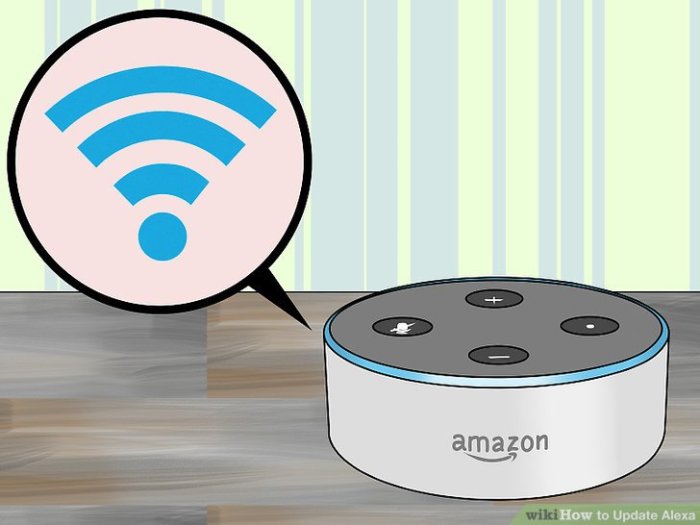
- Check your internet connection. A stable and reliable internet connection is crucial for the Alexa Tap speaker to function correctly. Ensure your Wi-Fi network is active and your device is connected. Try restarting your router and modem if you suspect a connection problem.
- Restart the device. A simple restart can often resolve temporary glitches or software conflicts. Unplug the speaker from the power source, wait for a few seconds, and then plug it back in. Allow the device to fully power on before attempting to use hands-free features.
- Ensure the device is within the Wi-Fi range. The Alexa Tap speaker needs to maintain a stable connection to your Wi-Fi network. If it’s too far from the router, or if there’s interference, it might impact voice recognition and response times.
- Verify the device’s software version. After updating, check for the updated software version on the device. Ensure the update has fully completed, and verify that no other updates are pending.
Troubleshooting Voice Recognition Issues
Accuracy and responsiveness of voice recognition can be affected by several factors. This section addresses issues related to voice recognition.
- Background noise. Excessive background noise can interfere with the microphone’s ability to accurately interpret your voice commands. Try to use the device in a quiet environment for improved voice recognition.
- Speak clearly and directly into the microphone. Avoid mumbling or speaking too softly, or from too far away from the microphone. Speak clearly and directly into the microphone, ensuring your mouth is positioned near the speaker’s microphone for optimal results.
- Check the device’s microphone. Ensure that there are no obstructions or foreign objects that could interfere with the microphone’s functionality. If necessary, clean the microphone with a soft cloth.
- Try different commands. If you’re still having issues, try different voice commands to see if the problem is isolated to a specific command or set of commands.
Troubleshooting Response Time Issues
If your Alexa Tap speaker is experiencing slow response times, there are several steps you can take.
- Check for network congestion. High network traffic can lead to delays in processing voice commands. Try performing the command during periods of low network activity for faster response times.
- Verify the device’s connection stability. If the speaker loses connection to the Wi-Fi network, it might cause delays in responding to voice commands. Ensure a stable connection by checking the Wi-Fi signal strength.
- Check for other applications using the network. Other applications using your network might be causing congestion. Close any unnecessary programs to free up network resources.
Accessing Support Resources
Users can access various support resources for assistance. These include online help articles, FAQs, and contact information.
- Online Help Articles: Consult the Amazon Alexa website for detailed FAQs and help articles about the speaker and its hands-free features.
- Amazon Support Forum: Search the forum for existing solutions to similar problems or post your issue for assistance from other users or support staff.
- Contact Amazon Support: If the issue persists, contact Amazon support for direct assistance.
Frequently Asked Questions (FAQs)
This section addresses common questions related to software updates and hands-free functionality.
- How do I check for pending software updates? Open the device’s settings, usually accessed through a button or menu option. Look for a section specifically dedicated to software updates. If an update is available, you’ll typically be prompted to download and install it.
- What should I do if my hands-free features aren’t working after a software update? Review the troubleshooting steps Artikeld in the previous sections. Restart the device, check your internet connection, and ensure that the device is within the Wi-Fi range.
- How can I improve voice recognition accuracy? Speak clearly and directly into the microphone in a quiet environment. Avoid background noise and ensure the device’s microphone is clear of obstructions.
Future Considerations: Amazon Alexa Tap Speaker Hands Free Software Update
The Amazon Alexa Tap speaker has already proven its value as a hands-free device. Looking ahead, potential enhancements to its hands-free features will likely focus on improving accuracy, responsiveness, and the overall user experience. Future updates should also consider incorporating new functionalities to further expand the speaker’s capabilities.
Potential Improvements in Voice Recognition Accuracy and Response Time
Voice recognition accuracy and response time are critical components of a seamless hands-free experience. Future software updates will likely incorporate advancements in machine learning algorithms. This will lead to improved accuracy in recognizing diverse accents, speech patterns, and background noises. For example, training data sets could be expanded to include a wider range of voices and speaking styles, improving the system’s ability to interpret even complex commands.
Real-time noise cancellation and dynamic adjustment to acoustic environments are also likely to play a key role in future updates, enabling more reliable recognition in noisy environments. This can also improve response time, ensuring that the speaker responds promptly to user commands, reducing latency and frustration.
Integration of New Functionalities
The incorporation of new functionalities will be key to the future evolution of the Amazon Alexa Tap speaker. This might involve enhanced music streaming capabilities, with the integration of high-fidelity audio codecs. Furthermore, the inclusion of smart home control functionalities could allow the speaker to manage a wider range of devices and appliances. For instance, integration with smart lighting systems could enable users to control lighting based on voice commands.
Additionally, support for new voice services, such as translation or language learning, could be added to the speaker.
Design Ideas for Improved Hands-Free User Experience
To enhance the hands-free user experience, future updates could focus on user interface enhancements. Intuitive prompts and confirmation messages could be added to provide users with clear feedback about their commands and actions. For example, if a user asks the speaker to play a song and the speaker is unable to recognize the request, it could offer more specific prompts to clarify the command, such as “Sorry, I didn’t understand the song.
Could you please rephrase your request?” Also, the speaker’s interface could adapt to the user’s preferences and past interactions, allowing for customized settings and responses. This personalized experience will greatly enhance user satisfaction. Furthermore, advanced voice control could be incorporated for navigation assistance and real-time updates.
Final Wrap-Up
In conclusion, the Amazon Alexa Tap speaker hands-free software update offers a chance for significant improvements in voice control and user experience. While potential issues like incompatibility or unexpected changes might arise, the benefits of enhanced performance, bug fixes, and new features often outweigh the risks. This comprehensive guide provides a thorough overview of the update, empowering users to navigate the process confidently and make the most of the upgraded hands-free features.