Why I Upgraded to the Apple Watch Series 12: A Deep Dive into Apple’s Health-Centric Wearable Strategy

The consumer electronics market is driven by iterative upgrades, where annual device cycles often yield incremental changes that fail to justify the cost of replacement for recent buyers. For many consumers, upgrading a flagship smartwatch after owning a predecessor for less than a year is financially and practically unjustified. However, the recent release of the Apple Watch Series 12 has introduced a paradigm shift in how users evaluate wearable technology. Despite sharing a familiar design language with the previous Apple Watch Series 10—and introducing a minor, albeit noticeable, increase in bezel thickness—the Series 12 has proven to be a compelling purchase for consumers moving away from legacy devices and dedicated fitness ecosystems. This transition highlights a broader strategic pivot by Apple: moving the Apple Watch from a general-purpose notification accessory to a clinical-grade health and wellness monitoring device.
Design Continuity and Subtle Hardware Adjustments
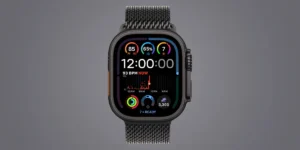
When Apple introduced the Apple Watch Series 10, the device was lauded for its thinner profile and expanded screen real estate, setting a new aesthetic standard for the product line. Consequently, prospective buyers examining the Apple Watch Series 12 might initially experience a sense of déjà vu. The chassis dimensions, material finishes, and overall silhouette closely mirror those of its predecessor.
A closer inspection of the Series 12 reveals a subtle hardware regression: the display bezels are marginally thicker than those found on the Series 10. While a reduction in screen-to-body ratio is typically viewed unfavorably in contemporary consumer technology, this design compromise has minimal practical impact for a significant segment of users. Consumers who utilize watch faces characterized by true-black OLED backgrounds find that the slightly wider bezels blend seamlessly into the casing, rendering the physical change imperceptible during day-to-day operation.
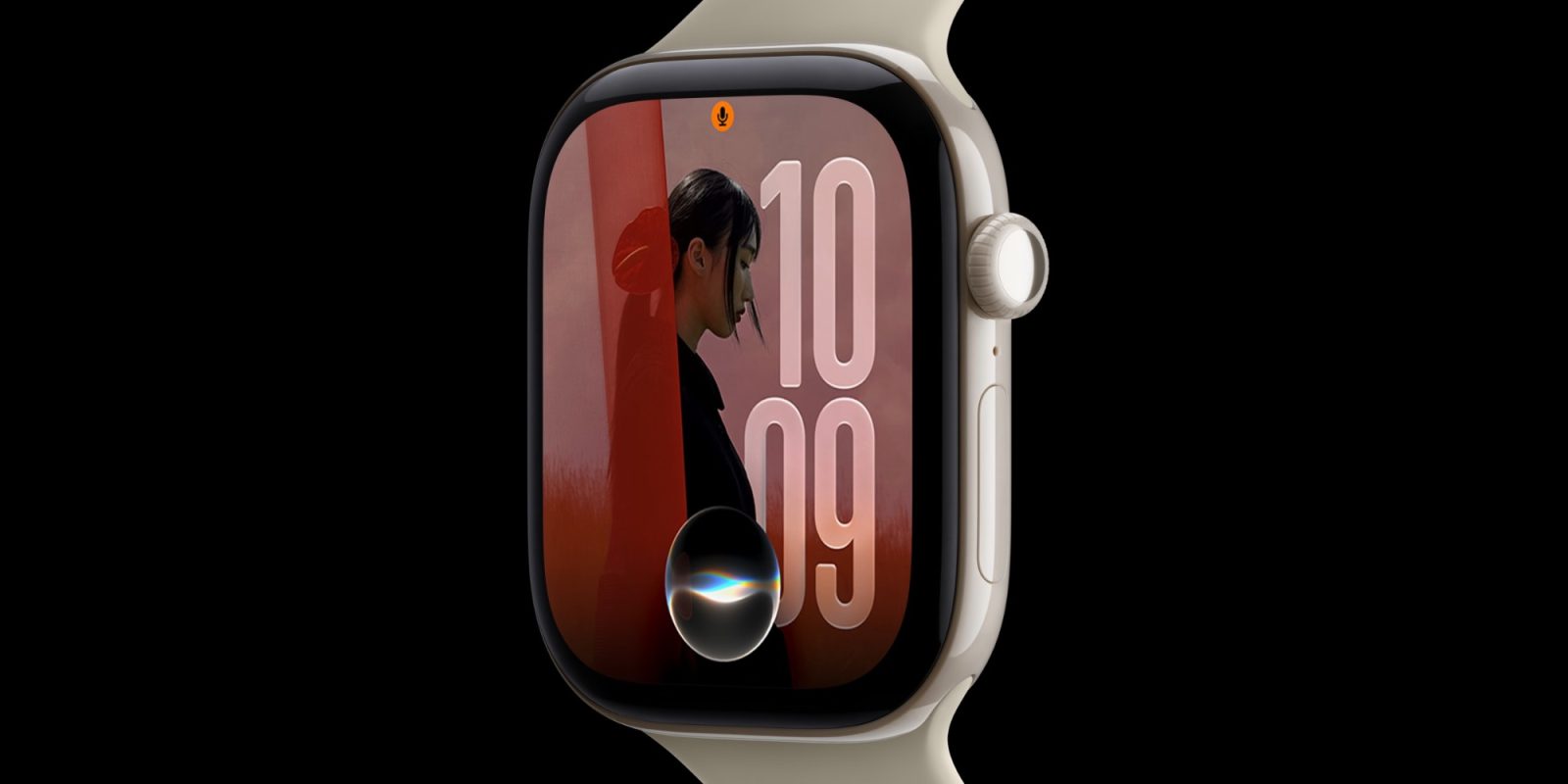
Instead of focusing on external form factors, Apple concentrated its engineering efforts on internal architecture. The Series 12 boasts a significantly faster processor, which is most apparent in the responsiveness of on-device Siri requests and complex application launches. This performance leap ensures that computational bottlenecks—historically a frustration point for wrist-based voice assistants—are virtually eliminated, providing a fluid user experience that rivals modern smartphones.
The Evolution of Health Tracking and the ‘Readiness’ Metric
The primary catalyst for upgrading to the Series 12 lies in its comprehensive overhaul of biometric sensors and software integration. Previous iterations of the Apple Watch relied heavily on the closed-loop activity ring system, complemented by raw data logs housed within the native iOS Health application. While effective for basic fitness motivation, this fragmented approach often left dedicated athletes and health-conscious consumers wanting deeper, more contextualized physiological insights.
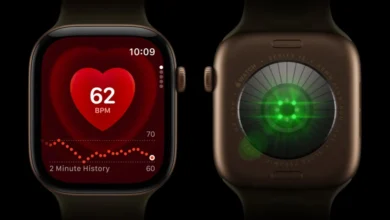
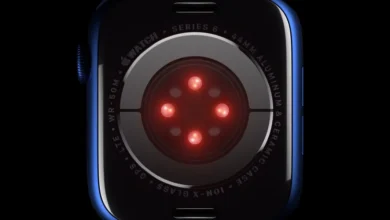
The Apple Watch Series 12 addresses this gap through an upgraded, higher-precision heart-rate monitor and the introduction of the proprietary Readiness application. The Readiness metric synthesizes multiple data points—including resting heart rate, heart rate variability (HRV), sleep quality, and recent physical strain—into a single, actionable daily score. This analytical capability bridges the gap between traditional smartwatches and specialized recovery trackers, offering users a holistic understanding of their physiological state upon waking.
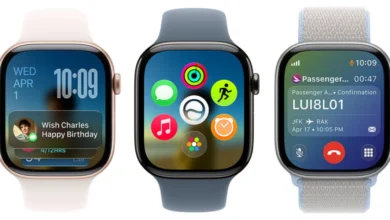
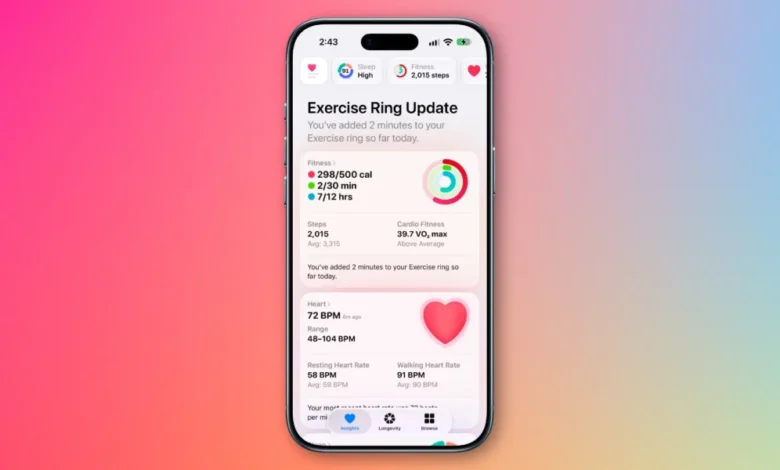
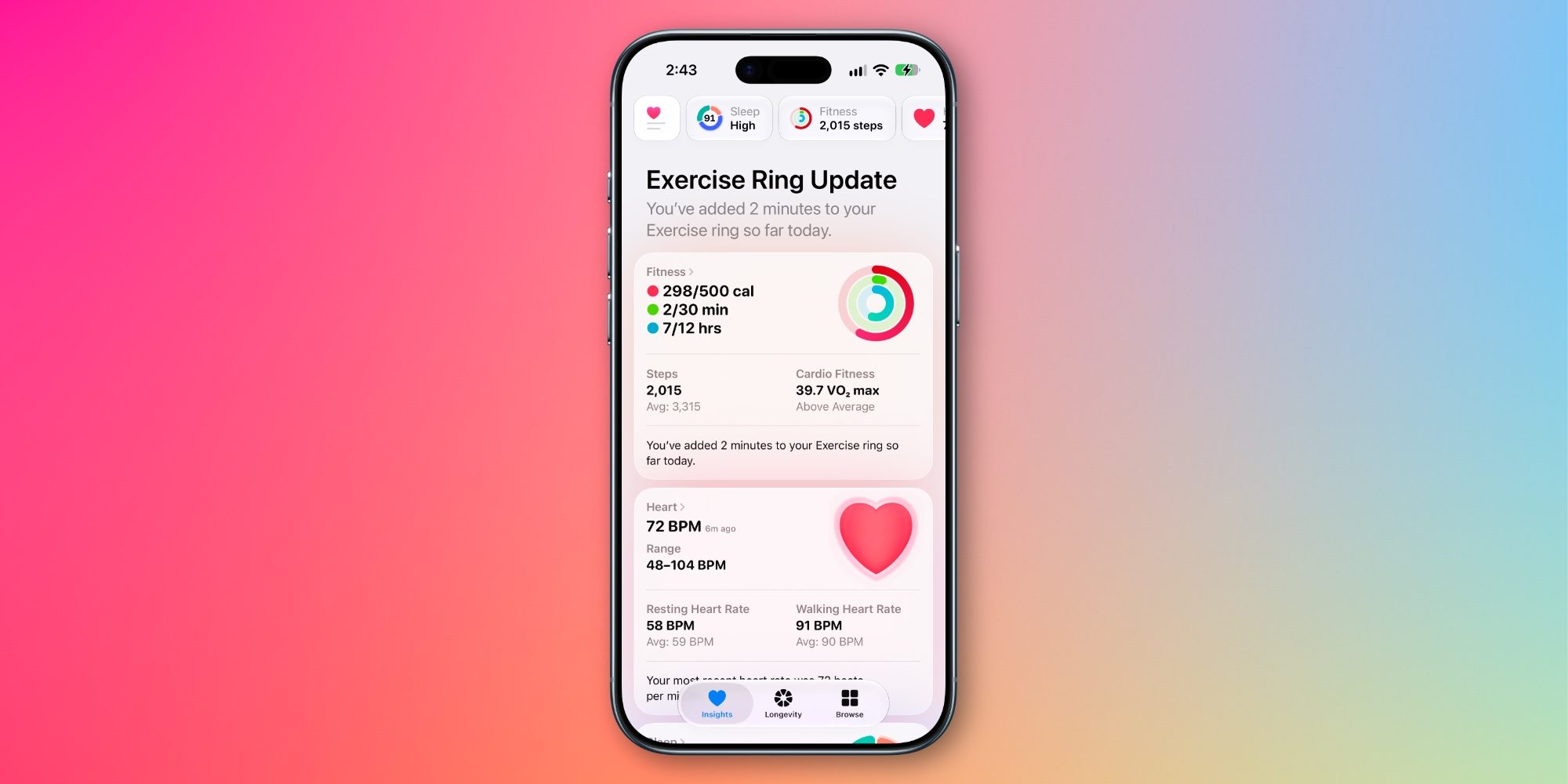
This hardware and software synchronization coincides with a broader redesign of the Apple Health ecosystem, rolled out alongside recent iOS updates. The revamped Health application replaces decentralized data streams with structured, synthesized insights that clearly communicate trends and potential anomalies without requiring manual data interpretation by the user.
Market Implications for Dedicated Fitness Subscriptions
The maturation of Apple’s native health tracking suite carries significant financial and strategic implications for third-party wearable manufacturers, most notably subscription-based fitness platforms like WHOOP. Devices such as the WHOOP strap have historically maintained a competitive advantage by offering advanced recovery metrics, sleep analysis, and continuous strain monitoring, albeit bundled with a recurring annual subscription fee.
With the introduction of the Series 12 and the updated Apple Health infrastructure, the functional disparity between mainstream smartwatches and dedicated recovery bands has narrowed considerably. Users who previously maintained dual-wear habits—wearing an Apple Watch for productivity and notifications alongside a subscription tracker for health data—are increasingly finding that Apple’s native ecosystem satisfies their analytical requirements.
For consumers paying premium annual fees for dedicated fitness platforms, the enhanced capabilities of the Apple Watch Series 12 present a strong financial disincentive to renew. By integrating advanced recovery analytics directly into a mainstream consumer device without locking core health insights behind a paywall, Apple is challenging the subscription-dependent business model that has dominated the specialized fitness wearable sector.
Chronology of the Modern Apple Watch Lineup
To understand the positioning of the Apple Watch Series 12, it is necessary to examine the rapid technological progression of Apple’s wearable division over recent product cycles:

- September 2024: Apple launches the Apple Watch Series 10, featuring a redesigned chassis with a significantly thinner profile and a wider-aspect OLED display, establishing a new design baseline for the product line.
- January 2025: Mainstream adoption accelerates as post-holiday sales drive widespread consumer acquisition of the Series 10, cementing its status as a reliable daily driver for fitness and connectivity.
- September 2026: Apple unveils the Apple Watch Series 12. While maintaining the physical design language of the Series 10—with minor adjustments to bezel dimensions—the device introduces a next-generation biometric sensor array, the Readiness application, and a substantially faster processing architecture.
- Late 2026: Concurrent software updates overhaul the central iOS Health application, unifying disparate biometric data into a streamlined, centralized interface designed to compete directly with dedicated third-party wellness platforms.
Strategic Outlook and Future Implications
The commercial trajectory of the Apple Watch Series 12 underscores a definitive shift in the consumer technology landscape: wearable devices are no longer judged solely on their utility as smartphone extensions. As processing power increases and biometric sensors achieve clinical-grade precision, the primary value proposition of a smartwatch has migrated toward proactive health management.
By transforming the Apple Watch from a peripheral notification tool into an intelligent health arbiter, Apple has successfully captured a demographic of users who previously looked to niche fitness brands for advanced biometric insights. While industrial design refinements such as bezel width will continue to be a point of discussion among tech enthusiasts, the true metric of success for future generations of wearable technology will lie in their ability to interpret complex physiological data accurately and intuitively. The Series 12 demonstrates that Apple is well-positioned to lead this market evolution, setting a new standard for what consumers should expect from their wrist-bound technology.