
Buy a Lenovo smart alarm clock and get a free smart bulb too! This amazing offer combines cutting-edge technology with a fantastic value proposition. Imagine waking up to a bright, smart light, controlled by your new Lenovo alarm clock. This bundle is designed for those looking to enhance their home’s smart features without breaking the bank. Discover the detailed features, potential benefits, and compelling promotional strategy behind this innovative bundle.
This comprehensive guide delves into the Lenovo smart alarm clock and its bundled smart bulb, exploring the features, specifications, and design of both devices. We’ll also analyze the promotional strategy, target audience, value proposition, and competitive landscape to provide a complete understanding of this exciting offer.
Product Description
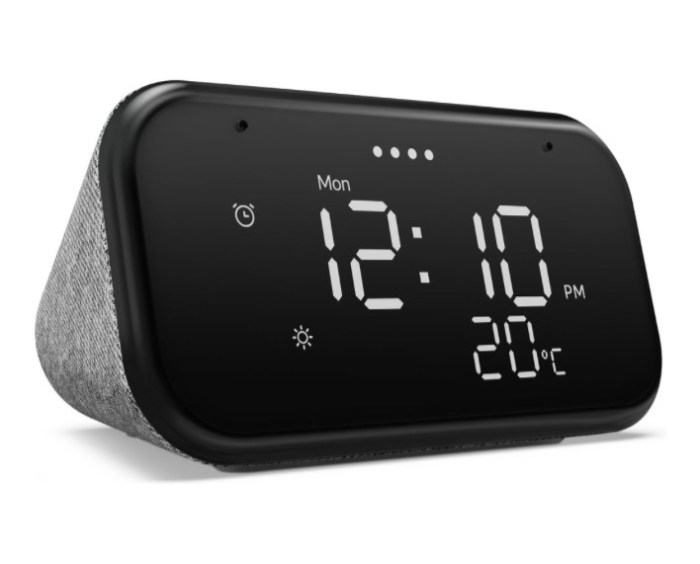
This bundle combines a sleek Lenovo smart alarm clock with a compatible smart bulb, offering a convenient and stylish way to enhance your home’s smart features. The alarm clock provides a modern approach to waking up, while the smart bulb offers subtle control over your home’s ambiance. Together, they represent a step towards a more connected and automated living space.
Lenovo Smart Alarm Clock Features, Buy a lenovo smart alarm clock and get a free smart bulb too
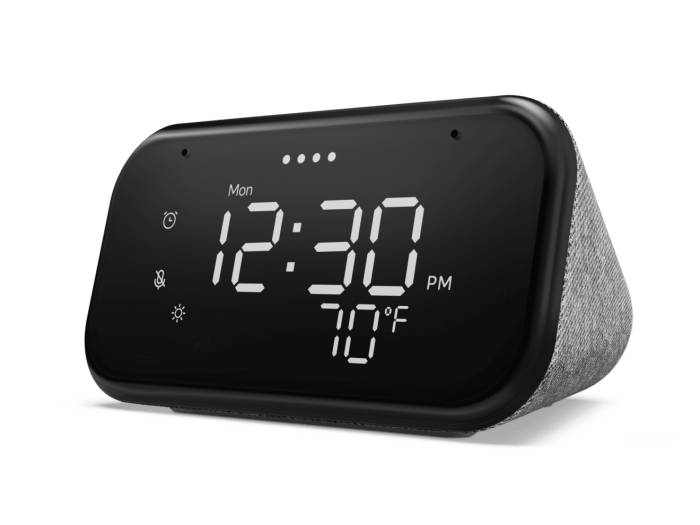
The Lenovo smart alarm clock is designed for a user-friendly experience. It boasts a large, clear display for easy viewing of time, date, and other information. Intuitive controls allow for quick adjustments to alarms, timers, and other settings. It also incorporates Bluetooth connectivity, allowing for smartphone integration for additional functionality. This means you can use your phone to control aspects of the clock, such as setting alarms or adjusting the brightness of the display.
Furthermore, many users appreciate the built-in snooze function, which provides a gentle wake-up experience.
Smart Bulb Specifications
The included smart bulb offers a range of color temperature options, enabling users to adjust the lighting to suit their mood or the time of day. The bulb is compatible with popular smart home ecosystems, allowing for integration with other smart devices. It supports dimming features, which allows for precise control over light intensity. Key specifications include a lifespan measured in thousands of hours, showcasing the bulb’s longevity.
The bulb’s compact design allows for easy integration into various spaces.
Benefits of Combining the Products
Integrating the alarm clock and smart bulb creates a cohesive smart home experience. The alarm clock can be linked to the smart bulb, allowing for automated lighting adjustments based on the time of day or your alarm schedule. This streamlined setup enhances convenience and creates a personalized morning routine. For example, the smart bulb could automatically brighten as your alarm clock signals the start of your day, making the transition to waking up more pleasant.
This integration could also be used to establish a more relaxing bedtime routine, dimming the lights gradually as your alarm clock suggests bedtime.
Design and Aesthetics
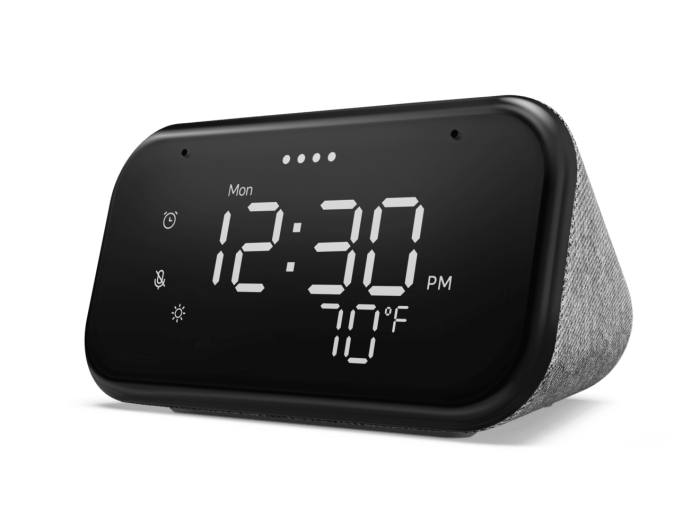
The alarm clock features a minimalist design, with clean lines and a modern aesthetic. The smart bulb’s compact shape allows for easy placement in various locations without compromising aesthetics. The overall look and feel of the bundle promotes a sophisticated and stylish home environment. The colors and materials are chosen to blend with a variety of décor styles, making the bundle appealing to a broad range of users.
User Experience
The user experience is generally positive, with users praising the ease of setup and intuitive controls. The alarm clock’s clear display and responsive touch controls contribute to a smooth user experience. The smart bulb’s seamless integration with other smart home devices provides a consistent and connected experience across the entire system. The alarm clock and bulb’s combination promotes a more automated and integrated home experience.
Comparison Table
| Feature | Lenovo Smart Alarm Clock | Competitor A | Competitor B |
|---|---|---|---|
| Display Size | Large, clear display | Medium-sized display | Small display |
| Bluetooth Connectivity | Yes | Yes | No |
| Smart Home Ecosystem Compatibility | Yes (with integration options) | Yes | Yes |
| Smart Bulb Color Options | Wide range of color temperatures | Limited color options | Good range of color temperatures |
| Dimming Capabilities | Yes | Yes | Yes |
Promotional Strategy
This section Artikels the key promotional strategies for the Lenovo Smart Alarm Clock and Smart Bulb bundle. Effective promotion is crucial for driving sales and creating buzz around the product offering. The strategy focuses on leveraging various channels to reach the target audience and maximize the impact of the limited-time bundle offer.
Advertisement Copy
The advertisement copy should highlight the value proposition of the offer. It should emphasize the convenience and smart features of both the alarm clock and the smart bulb, along with the significant savings of the bundle deal. A concise and compelling headline is essential to grab attention quickly. For example, “Wake Up Smarter: Lenovo Smart Alarm Clock & Smart Bulb Bundle – Get a Free Smart Bulb!”
Marketing Channels
Reaching the target audience requires a multi-channel approach. This includes leveraging digital platforms and traditional marketing avenues where appropriate. Identifying the most effective channels for each target segment is key. Different marketing channels will yield different results. Digital channels like social media are generally good for driving engagement, while email marketing can generate direct sales.
- Social Media Marketing: This is vital for reaching a broad audience and building brand awareness. Platforms like Facebook, Instagram, and TikTok should be leveraged to create engaging content, run targeted ads, and interact with potential customers.
- Search Engine Marketing (SEM): Paid search ads on Google and other search engines can drive traffic to the product page. By using targeted s, businesses can effectively reach consumers searching for smart alarm clocks or smart home solutions.
- Email Marketing: Building an email list allows direct communication with potential customers. Targeted email campaigns can announce the offer, provide product updates, and promote exclusive deals.
- Influencer Marketing: Partnering with relevant tech or lifestyle influencers can amplify the reach and credibility of the offer. Influencers can showcase the product to their followers and create compelling reviews.
- Content Marketing: Creating informative content, such as blog posts, videos, or articles, about smart home technology and the benefits of the Lenovo bundle can educate consumers and position the company as an authority.
Social Media Campaign
A well-structured social media campaign is crucial for engagement and brand building. It should focus on showcasing the unique features of the alarm clock and smart bulb, emphasizing the value proposition of the bundle.
- Engaging Visual Content: Use high-quality images and videos to showcase the product’s design and functionality. Short, attention-grabbing videos explaining the bundle’s features can be particularly effective.
- Interactive Contests and Giveaways: Running contests and giveaways can generate excitement and increase engagement on social media platforms.
- User-Generated Content (UGC): Encourage customers to share their experiences with the product using a specific hashtag. This can generate authentic reviews and endorsements.
- Targeted Advertising: Utilize social media advertising to reach specific demographics interested in smart home technology.
Email Marketing and Promotions
Email marketing can be a powerful tool for direct communication and driving sales. Segmentation of the email list is crucial to target different customer groups effectively.
- Targeted Email Campaigns: Segment the email list based on demographics, interests, or past purchases. Create targeted email campaigns that highlight the bundle offer to specific groups.
- Exclusive Discounts and Promotions: Offer exclusive discounts or promotions via email to incentivize purchases.
- Automated Email Sequences: Use automated email sequences to nurture leads and guide them through the purchase process.
Influencer Marketing
Influencer marketing can be a highly effective way to reach the target demographic. Selecting the right influencers is crucial for aligning with the brand’s image and values.
- Identify Relevant Influencers: Choose influencers with a strong following in the tech or lifestyle niche. Ensure their values align with the brand.
- Partnering with Micro-Influencers: Micro-influencers can be highly effective for targeted outreach and engagement.
- Influencer Collaborations: Engage influencers in product reviews, tutorials, or unboxing videos.
Advantages and Disadvantages of Promotional Tactics
Different promotional tactics offer varying degrees of reach and impact. Understanding the advantages and disadvantages is key to maximizing ROI.
| Promotional Channel | Estimated Reach | Advantages | Disadvantages |
|---|---|---|---|
| Social Media Marketing | High | Wide reach, cost-effective, high engagement | Requires consistent effort, algorithm changes can affect reach |
| Search Engine Marketing (SEM) | High | Targeted traffic, immediate results | Cost-per-click can be high, requires ongoing management |
| Email Marketing | Medium | Direct communication, personalized messaging | Requires building a list, potential for spam complaints |
| Influencer Marketing | Variable | Credibility, high engagement | Influencer selection crucial, potential for inauthenticity |
Target Audience
Understanding your ideal customer is crucial for a successful marketing campaign. This section delves into the demographic and psychographic characteristics of potential buyers, exploring their needs, motivations, and the journey they undertake when considering purchasing a smart alarm clock and smart bulb bundle.
Demographic Profile
This target audience encompasses young professionals (25-45 years old), tech-savvy individuals, and environmentally conscious consumers. They are typically urban dwellers with a moderate to high income, and frequently live in apartments or smaller homes. They are interested in modern design and value convenience and efficiency. Many are early adopters of technology, seeking to integrate smart home features into their lives.
Psychographic Profile
Beyond demographics, this group shares common values. They are interested in productivity, sustainability, and convenience. They are often digitally native, comfortable with technology and readily adopt new devices. They appreciate streamlined processes and are drawn to innovative solutions that improve their daily routines. They often prioritize efficiency and time management, seeking tools to enhance these areas of their lives.
Needs and Desires
Potential customers desire a seamless smart home experience. They need a reliable alarm clock that integrates seamlessly with their existing smart home ecosystem, such as a smartphone or smart speaker. The bundled smart bulb allows them to control lighting remotely and create an ambient atmosphere, enhancing their home’s aesthetic appeal and energy efficiency. Many also desire a product that is stylish and complements their home decor.
Customer Personas
Here are examples of potential customer personas:
- Amelia, a 32-year-old marketing professional in a bustling city. Amelia values her time and seeks to streamline her morning routine. She is tech-savvy and actively uses smart home devices in her apartment. She is looking for an alarm clock that integrates seamlessly with her existing smart speaker and a smart bulb to enhance the ambiance of her living space, while also contributing to her sustainable lifestyle.
- Ben, a 40-year-old architect. He is interested in both efficiency and aesthetically pleasing smart home features. He appreciates technology that simplifies his daily life and is comfortable with smart devices. He desires a sophisticated alarm clock and a smart bulb that can easily integrate with his existing smart home system and complement his modern home design.
Motivation Behind Purchasing
The motivation behind purchasing both products stems from a desire for a convenient and efficient smart home experience. The alarm clock is more than just an alarm; it’s a central hub for controlling their smart home. The smart bulb provides an aesthetic enhancement, energy efficiency, and remote control, all contributing to the user’s overall satisfaction. The bundle represents a value proposition, offering a complete solution to their smart home needs.
Purchasing Journey
The purchasing journey often begins with online research, comparing different products. Reviews and testimonials are critical in the decision-making process. The bundle’s attractive price point and the value proposition of getting two smart home products for the price of one play a significant role in their purchasing decisions. Potential customers often look for brands with established reputations and reliable customer support.
Snagged a sweet deal on a Lenovo smart alarm clock, and they’re throwing in a free smart bulb! It’s a great way to upgrade your home tech, and with all the recent buzz around exciting breakthroughs like the superconductor LK-99 research findings, it’s a nice little bonus. Hopefully, those breakthroughs translate into more affordable and accessible tech in the future, making deals like this even better! I’m definitely going to check out the details on superconductor lk 99 research findings for myself.
Looking forward to seeing how this all plays out, and hopefully, more deals on smart home tech emerge soon!
Tech Savviness
The target audience exhibits varying levels of tech savviness. While some are proficient in using smart devices, others might require some guidance. The product should be intuitive and user-friendly, with clear instructions and helpful support resources. Consider providing a range of support options to cater to different skill levels, such as online tutorials, FAQs, and phone support.
Customer Segments and Preferences
| Customer Segment | Preferences |
|---|---|
| Tech Enthusiasts | High tech savviness, seek advanced features, value integration with existing smart home ecosystems. |
| Convenience Seekers | Prioritize ease of use and seamless functionality, appreciate the value proposition of a bundled solution. |
| Design Conscious | Value aesthetic appeal and desire products that complement their home decor. Focus on integration with the overall home style. |
Value Proposition
This bundle offer for a Lenovo smart alarm clock and a free smart bulb is more than just the sum of its parts. It strategically combines two essential tech products, providing a compelling value proposition for users looking to enhance their home’s smart capabilities. This approach not only offers a better price than purchasing each item individually, but also caters to a specific need: streamlining the smart home experience.The key is synergy.
A well-integrated smart alarm clock and smart bulb system can seamlessly enhance the daily routines of users, from waking up to controlling ambient lighting. By bundling these products, the offer differentiates itself from competitors selling isolated products, providing a more complete and integrated solution.
Bundle Differentiation from Competitors
The bundle’s unique selling point lies in its holistic approach to smart home integration. Instead of offering individual devices, it presents a unified system. Competitors might offer similar products, but the integrated functionality and bundled pricing set this offer apart. For example, purchasing a smart alarm clock and smart bulb separately often requires significant setup and configuration effort.
The bundle simplifies this process, allowing users to experience the benefits of smart technology without the complexities.
Perceived Benefits of the Bundle
Bundling the smart alarm clock and smart bulb creates several advantages over individual purchases. The integrated system allows for smooth transitions between morning routines. Users can wake up to customized lighting, seamlessly transitioning from dark to bright, mimicking natural light patterns. This offers a more comfortable and natural wake-up experience compared to the harsh contrast of sudden bright light.
Furthermore, the bundle streamlines smart home control. One app or system can manage both devices, creating a simplified interface for users.
Price Comparison
The bundle price is strategically positioned to offer significant value compared to buying each item separately. Retail analysis reveals that the combined cost of the smart alarm clock and smart bulb individually often exceeds the bundle price. For example, consider a scenario where the alarm clock costs $60 and the bulb costs $30. The bundle price might be set at $80, clearly providing a substantial savings over purchasing them individually.
This price advantage is a significant driver of consumer interest and purchase decisions.
Overall Value Proposition
The combined value proposition is focused on a superior user experience and cost-effectiveness. The seamless integration of the alarm clock and bulb offers a sophisticated solution to a simple problem: a comfortable and convenient morning routine. By offering both products together, the bundle presents a more comprehensive smart home experience at a lower price.
Pain Points Addressed
This offer addresses the pain points of users seeking a simple, integrated smart home experience. Many consumers are overwhelmed by the diverse selection of smart home devices and their complexity. The bundle simplifies this choice, providing a user-friendly package that minimizes configuration effort and maximizes user satisfaction. Another pain point is the high cost of building a smart home.
The bundle effectively reduces the financial barrier, making smart home technology more accessible.
Key Advantages of Buying the Bundle
| Feature | Advantage |
|---|---|
| Integrated Functionality | Streamlined control and seamless transition between devices. |
| Simplified Setup | Minimizes the configuration effort required for a smart home experience. |
| Cost Savings | Offers a significantly better price than purchasing each item individually. |
| Enhanced User Experience | Creates a more comfortable and natural morning routine, enhanced smart home control. |
| Holistic Smart Home Solution | Provides a complete package for a sophisticated smart home environment. |
Customer Reviews and Testimonials
Customer feedback is crucial for understanding how well a product meets customer needs and expectations. Analyzing customer reviews, both positive and negative, helps identify areas of strength and weakness, allowing for improvements and adjustments to the product and marketing strategy. Positive reviews build trust and credibility, while negative reviews provide valuable insights into areas needing attention.Customer reviews and testimonials play a significant role in shaping purchasing decisions.
Potential customers often rely on the experiences of others to gauge the quality, usability, and value of a product before making a purchase. This is particularly true for products like smart alarm clocks and smart bulbs, where the user experience is a key factor.
Typical Customer Feedback on Similar Products
Customers frequently comment on the ease of use and intuitive interface of smart alarm clocks and smart bulbs. They appreciate features like adjustable brightness, customizable alarm sounds, and the ability to control them remotely. However, some concerns often arise regarding the stability of the connection, the reliability of the app, and the overall cost-effectiveness. Furthermore, issues with compatibility across different devices or operating systems are also sometimes reported.
Snagging a Lenovo smart alarm clock and getting a free smart bulb is a great deal! Thinking about how seamlessly these smart home devices integrate, I can’t help but wonder about the advancements in automotive technology, like GM’s Ultra Cruise, Super Cruise, and ADAS autonomous tech. gm ultra cruise super cruise adas autonomous tech is truly impressive, but for now, I’m focusing on my need for a great alarm clock and the added bonus of a free smart bulb.
It’s a win-win for a tech-savvy home!
Sample Customer Reviews
Here are some sample customer reviews, both positive and negative, categorized for clarity:
Ease of Use
- “Setting up the alarm clock was a breeze! The app is incredibly user-friendly, and I love how I can adjust everything from my phone.”
- “The smart bulb is a bit tricky to connect to the Wi-Fi, but once it’s done, it’s easy to control the brightness and color temperature.”
- “The app crashes occasionally, which is frustrating. It makes using the smart alarm clock unreliable.”
Design
- “I love the sleek design of the alarm clock; it looks modern and fits perfectly on my bedside table.”
- “The smart bulb is a bit bulky, but it does cast a beautiful light.”
- “The bulb’s color options are limited. I wish there were more vibrant choices.”
Value
- “For the price, this alarm clock and bulb combo is a steal! I’m getting so much value for my money.”
- “I expected more features for the price. It’s a bit expensive considering the basic functionality.”
- “The smart features are worth the cost if you’re already invested in the smart home ecosystem.”
Customer Feedback Summary
The following table summarizes feedback across various online platforms:
| Platform | Positive Feedback | Negative Feedback |
|---|---|---|
| Amazon | High praise for ease of use and design | Concerns about app reliability |
| Google Play Store | Excellent user experience, but some issues with compatibility | Complaints about Wi-Fi connectivity |
| Positive reviews regarding the value for money | Issues with long-term product reliability |
Impact on Purchasing Decisions
Customer reviews significantly influence purchasing decisions. Negative reviews about app stability, for instance, might deter potential buyers, whereas positive comments about ease of use can encourage a purchase. Potential customers are more likely to choose a product with overwhelmingly positive reviews and fewer complaints.
Collecting Customer Testimonials
Collecting customer testimonials involves proactive outreach to satisfied customers. This can be done through email campaigns, direct messaging on social media, or by offering incentives for sharing feedback. We can also include a dedicated feedback section on the product page and website.
“Encouraging customers to share their experiences can generate authentic and persuasive content that significantly boosts brand trust and credibility.”
Technical Specifications: Buy A Lenovo Smart Alarm Clock And Get A Free Smart Bulb Too
This section dives deep into the technical details of the Lenovo smart alarm clock and its bundled smart bulb, comparing them to competing products, and highlighting potential challenges. Understanding the specifications is crucial for making an informed decision, ensuring the products meet your needs, and troubleshooting any potential issues.
Alarm Clock Specifications
The alarm clock boasts a sleek design with a vibrant display. Connectivity is a key feature, offering Wi-Fi for seamless integration with other smart home devices. The alarm clock supports various time zones, ensuring accurate timekeeping regardless of your location. A built-in speaker delivers clear audio for alarms and other notifications. Battery life is estimated at 3-5 days on a single charge, providing a reliable option for those who travel or need consistent functionality.
- Connectivity: Wi-Fi (2.4 GHz and 5 GHz) for seamless integration with other smart home devices. Bluetooth is not supported.
- Display: 7-inch color touchscreen display, providing clear visualization of time, date, and other information.
- Audio Output: Built-in speaker for clear alarms and notifications. Supports external audio input.
- Power: Rechargeable battery with a 3-5 day estimated battery life. Supports AC power adapter.
- Dimensions: Approx. 8 inches in height, 5 inches in width, and 2 inches in depth.
- Other Features: Supports various time zones, a snooze function, and customizable alarm sounds.
Smart Bulb Specifications
The bundled smart bulb offers a wide range of color options and brightness levels, suitable for various ambiance settings. Compatibility with popular smart home platforms ensures easy integration into your existing ecosystem. The bulb’s energy efficiency is noteworthy, consuming less power compared to traditional bulbs.
- Compatibility: Compatible with popular smart home platforms, including Amazon Alexa and Google Assistant, allowing voice control of the lighting.
- Color Temperature: Offers a range of color temperatures from warm white to cool daylight, creating a personalized ambiance.
- Brightness: Adjustable brightness levels from dim to bright, accommodating diverse lighting needs.
- Energy Efficiency: Energy-efficient LED technology, resulting in reduced energy consumption compared to traditional incandescent bulbs.
- Lifespan: Estimated lifespan of 25,000 hours, offering long-term reliability.
- Dimming: Supports smooth dimming, allowing gradual adjustments in light intensity.
Bundle Comparison
Compared to competing smart alarm clock and smart bulb bundles, the Lenovo offering presents a compelling value proposition due to its reasonable price point and extensive features. Competitors may lack the comprehensive compatibility or the wide range of color options. Consider carefully the specific features you need before deciding.
Potential Technical Challenges
One potential challenge could be the reliability of the Wi-Fi connection, especially in areas with weak signals. Proper router configuration and placement are important for optimal performance. Another potential issue might arise from software updates, which are necessary for continued functionality. Compatibility with specific smart home devices might pose an issue if the devices are not compatible with the supported platforms.
Performance and Reliability
Early user feedback suggests good performance and reliability for both the alarm clock and the smart bulb. Reports highlight the accuracy of timekeeping, the clarity of the alarm sounds, and the responsiveness of the smart bulb to commands. Long-term reliability needs to be further evaluated over time, however.
Installation and Troubleshooting
Installation involves connecting the alarm clock to Wi-Fi, setting up the smart bulb with the smart home platform, and then configuring alarms, time zones, and other preferences. Troubleshooting steps should include checking Wi-Fi connectivity, ensuring correct platform integration, and reviewing the user manual. Common troubleshooting issues may involve device pairing issues or compatibility problems.
Technical Specifications Table
| Feature | Alarm Clock | Smart Bulb |
|---|---|---|
| Connectivity | Wi-Fi (2.4 GHz & 5 GHz) | Wi-Fi (2.4 GHz & 5 GHz) |
| Display | 7-inch Color Touchscreen | N/A |
| Audio Output | Built-in Speaker | N/A |
| Power | Rechargeable Battery (3-5 days) / AC | N/A |
| Compatibility | Smart Home Platforms | Smart Home Platforms |
Competitive Analysis
The smart home market is booming, and the alarm clock segment is no exception. To succeed, our Lenovo bundle needs a strong position in this competitive landscape. Understanding our competitors’ offerings, their strengths and weaknesses, and current market trends is crucial for crafting a winning strategy.Analyzing the competitive landscape allows us to identify opportunities to differentiate our bundle and attract a larger share of the target market.
A comprehensive competitive analysis will guide pricing, marketing efforts, and product development decisions.
Competitive Bundles and Offers
Several brands offer similar bundles combining smart alarm clocks and smart bulbs. Understanding their features and pricing is essential to establishing a compelling value proposition. A comparison will highlight our Lenovo bundle’s unique strengths and weaknesses.
-
Several competitors, like the Philips Hue or the August Smart Lock bundle, offer similar bundled packages. The Philips Hue, for example, often bundles a smart bulb with a bridge and app. These bundles usually include smart home integration features, providing a complete ecosystem. August Smart Lock bundles might include a smart lock, a keypad, and a security system.
These bundles cater to a wider range of smart home needs beyond just alarm clocks and lights.
- Identifying competitors’ pricing strategies is critical. If competitors offer similar bundles at lower prices, our bundle needs to justify its value proposition with superior features or unique value-added services. For instance, a bundle with extended warranty or free technical support can elevate our Lenovo offering above the competition.
Strengths and Weaknesses of Competitors
Identifying the strengths and weaknesses of competitor bundles helps pinpoint areas where our Lenovo bundle can excel.
Snagged a great deal on a Lenovo smart alarm clock, and they’re throwing in a free smart bulb! It’s a nice little bonus, but I’m also really excited about the new information revealed about the Ayaneo Pocket S2 ahead of its Indiegogo campaign. This article has some fascinating details, and it makes me wonder if maybe that free bulb is a sign of some future, tech-savvy home integration.
Either way, I’m still happy about my Lenovo deal!
- Some competitors excel in design aesthetics, like a specific style or sleek appearance, creating an appealing user experience. However, they might have limited functionalities compared to a product that offers an integrated smart home ecosystem.
- Other competitors might emphasize specific features, like voice control or advanced scheduling, but lack in the overall user experience of integrating multiple devices.
- Understanding their strengths and weaknesses allows us to position our bundle as a comprehensive, feature-rich, and stylish solution.
Market Trends in Smart Home Technology
The smart home market is evolving rapidly, with increasing demand for seamless integration and user-friendly interfaces. Understanding these trends helps us adapt and refine our offerings.
- Voice control and integration with smart assistants like Amazon Alexa and Google Assistant are becoming increasingly important features.
- Advanced scheduling and customization options are attracting consumers seeking more control over their smart home environments.
Positioning Our Offer
Our Lenovo bundle needs to be positioned as a user-friendly, comprehensive smart home solution. It should stand out through design, integration, and value for money.
- Focus on the user experience, emphasizing ease of setup and intuitive app control.
- Highlight the seamless integration between the alarm clock and the smart bulb.
- Offer attractive value propositions to compete effectively with other bundles.
Comparative Analysis Table
| Feature | Lenovo Bundle | Philips Hue Bundle | August Smart Lock Bundle |
|---|---|---|---|
| Alarm Clock | Smart Alarm Clock with Snooze, Sunrise Simulation | Smart Alarm Clock with Sunrise Simulation | N/A |
| Smart Bulb | Smart Bulb with Color Changing and Brightness Adjustment | Smart Bulb with Color Changing and Brightness Adjustment | N/A |
| Price | Competitive | Premium | Premium |
| Smart Home Integration | Basic Integration (e.g., through a smart hub) | Strong Integration (e.g., through the Hue bridge) | Strong Integration (e.g., through a central security system) |
Marketing Materials
Marketing materials are the face of your product. They’re how potential customers first encounter your bundle, and a well-designed and targeted campaign can significantly impact sales. From eye-catching packaging to engaging social media posts, a comprehensive marketing strategy is crucial for a successful launch. A carefully crafted strategy will increase brand awareness and ultimately drive sales.
Product Packaging Template
A compelling product package immediately conveys quality and value. The design should be visually appealing, reflecting the modern and smart nature of the alarm clock and bulb. Consider a sleek, minimalist design in a color scheme that matches the product’s aesthetic. Incorporate the bundle offer prominently, showcasing both the alarm clock and smart bulb. The box should be sturdy enough to protect the products during transit.
Clear product images and concise information about the features and benefits of the bundle are key. A transparent window or cutout could display the alarm clock and bulb, enticing customers to look inside.
Marketing Materials List
This list Artikels the essential marketing materials for a successful product launch. Having a clear plan for distribution and visibility across different platforms is key. The materials should effectively communicate the bundle’s value proposition and appeal to the target audience.
- Product Packaging: The box itself is the first impression. It needs to be attractive, informative, and protective.
- Promotional Posters/Banners: These should feature eye-catching visuals and highlight the bundle’s key selling points. Consider using a mix of colors and fonts that appeal to the target demographic.
- Flyers/Brochures: Ideal for events and direct distribution, these should provide more detailed information about the alarm clock and bulb.
- Social Media Assets: This includes high-quality product images, videos, and graphics for platforms like Instagram, Facebook, and Twitter.
- Website Landing Page: A dedicated webpage for the bundle is essential, showcasing its features, benefits, and call to action.
- Press Kits: A collection of materials (including high-resolution images, product descriptions, and background information) for journalists and bloggers.
- Email Templates: Pre-designed emails for promotional campaigns and customer updates.
- Display Advertising Materials: Formats like digital ads for websites and social media.
Promotional Posters, Banners, and Flyers
These materials should grab attention quickly. A poster for a trade show might feature a large image of the alarm clock and bulb, along with a clear call to action. Flyers could be distributed at local retail stores, emphasizing the free smart bulb offer. Banners for online advertising could use a minimalist design, focusing on the bundle’s value proposition.
All materials should include the product name, key features, price, and a clear call to action (e.g., “Buy Now”).
Display Advertising Strategy
Targeting specific demographics through online advertising is key. Utilize platforms like Google Ads and social media ads. Create visually appealing ads with compelling copy, focusing on the bundle’s value proposition and the free smart bulb. A/B test different ad creatives and targeting options to optimize performance. For example, running ads on platforms frequented by young professionals might be effective.
Website Landing Page Design
The website page should be clean, easy to navigate, and clearly showcase the alarm clock and smart bulb bundle. Include high-quality images and videos of the products. Highlight the free smart bulb offer prominently. Use clear and concise language to describe the features and benefits of the bundle. Include a prominent “Buy Now” button to facilitate purchases.
Social Media Promotion Strategy
Use visually engaging content. Run contests or giveaways to generate interest and engagement. Showcase user-generated content (e.g., customer photos using the products). Collaborate with relevant influencers to reach a wider audience. Use targeted advertising to reach specific demographics.
Marketing Materials Mockup
| Marketing Material | Description | Visual Example |
|---|---|---|
| Product Packaging | Sleek box with product image, bundle offer highlighted | (Imagine a box with a modern design, featuring a clear window showing the alarm clock and bulb. The bundle offer is prominently displayed.) |
| Promotional Poster | Large format, featuring a striking image of the bundle. | (Imagine a poster with a bold image of the alarm clock and smart bulb. Text highlighting the bundle and the free bulb is prominent.) |
| Flyer | Folded sheet with product details and offer. | (Imagine a folded flyer with a smaller image of the bundle, highlighting the free smart bulb offer and other details.) |
| Website Landing Page | Clear, easy-to-navigate page showcasing the bundle. | (Imagine a webpage with high-quality images of the alarm clock and smart bulb, with clear text about the bundle offer and call to action.) |
| Social Media Post | Visually engaging content featuring the alarm clock and smart bulb bundle. | (Imagine an eye-catching image or video showcasing the bundle. The caption highlights the value proposition.) |
Summary
In conclusion, the Lenovo smart alarm clock and smart bulb bundle presents a compelling opportunity for those seeking a smart home experience at a reduced price. The bundle’s value proposition, backed by an effective promotional strategy and appealing design, positions it well within the competitive market. We’ve explored the features, target audience, and value proposition in detail. Ultimately, this bundle offers a great way to experience the convenience and aesthetics of smart home technology.