Apple Unveils the A20 Pro Processor and Landmark Foldable iPhone Duo at First Product Showcase Led by CEO John Ternus


Apple Inc. has officially ushered in a new era of mobile computing during its highly anticipated annual autumn product showcase, marking the debut of John Ternus as the company’s newly appointed Chief Executive Officer. Held at Apple Park in Cupertino, California, the event served as a major technological milestone for the consumer electronics giant, highlighted by the introduction of the company’s first-ever 2-nanometer smartphone processor, the A20 Pro, alongside a proprietary in-house cellular modem and Apple’s long-awaited entry into the foldable device market, the iPhone Duo.
The keynote presentation delivered a comprehensive look at Apple’s hardware roadmap for the coming year, outlining major architectural overhauls across its flagship iPhone 18 Pro series, the Apple Watch lineup, and the company’s expanding portfolio of custom silicon. By aggressively shifting toward in-house semiconductor manufacturing and diversifying its hardware form factors, Apple aims to solidify its competitive dominance amid mounting pressure from global rivals in the premium smartphone sector.
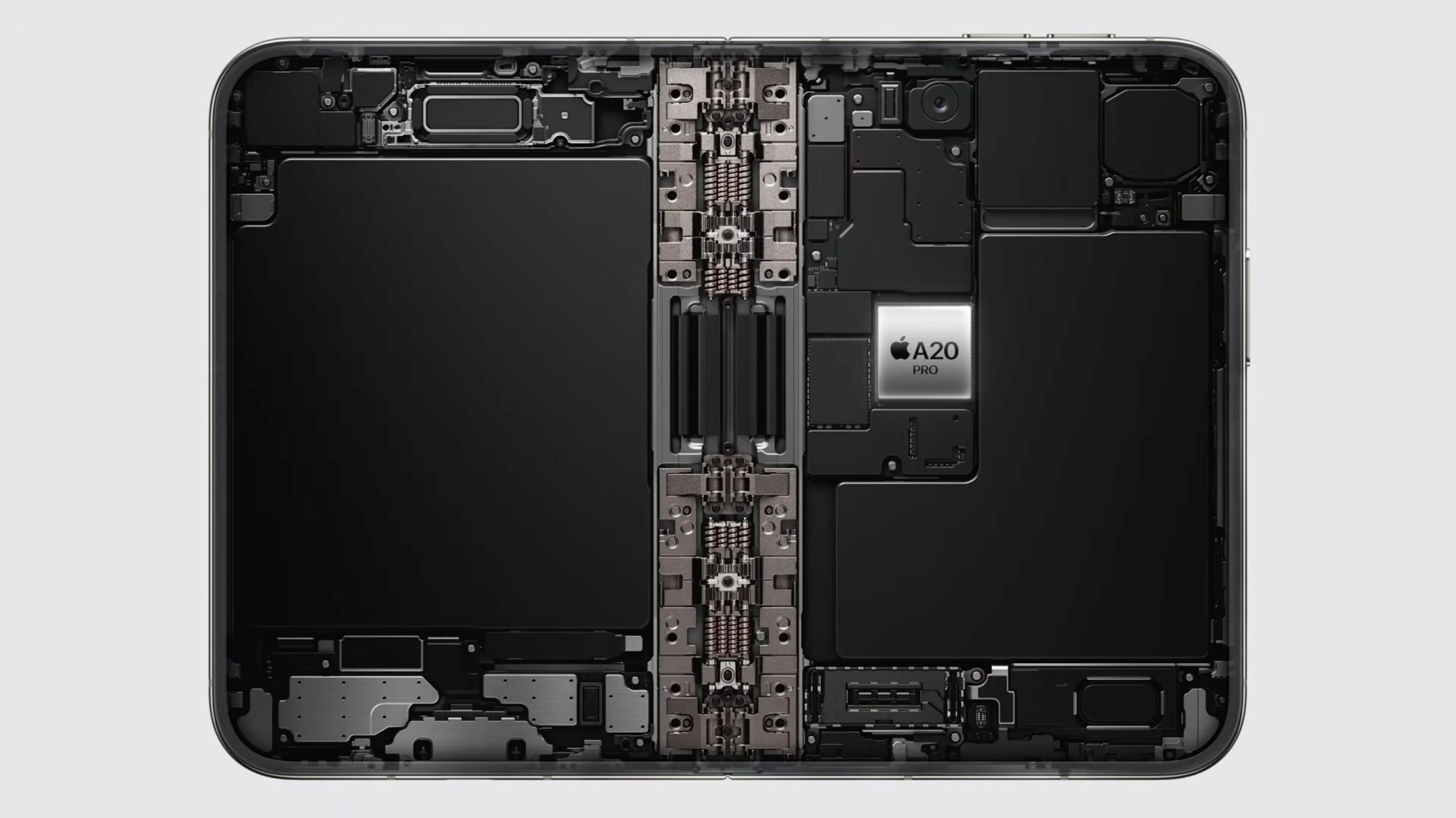
The A20 Pro: Apple’s First 2-Nanometer Smartphone Architecture
At the heart of Apple’s latest hardware ecosystem is the A20 Pro, a system-on-a-chip (SoC) built on an advanced 2-nanometer fabrication process. This transition follows Apple’s rollout of its M6 desktop processor in August, bringing bleeding-edge semiconductor efficiency to handheld devices for the first time. Industry analysts have closely monitored Apple’s push into sub-3nm nodes, noting that the architectural leap provides substantial performance gains without compromising thermal boundaries or battery endurance.
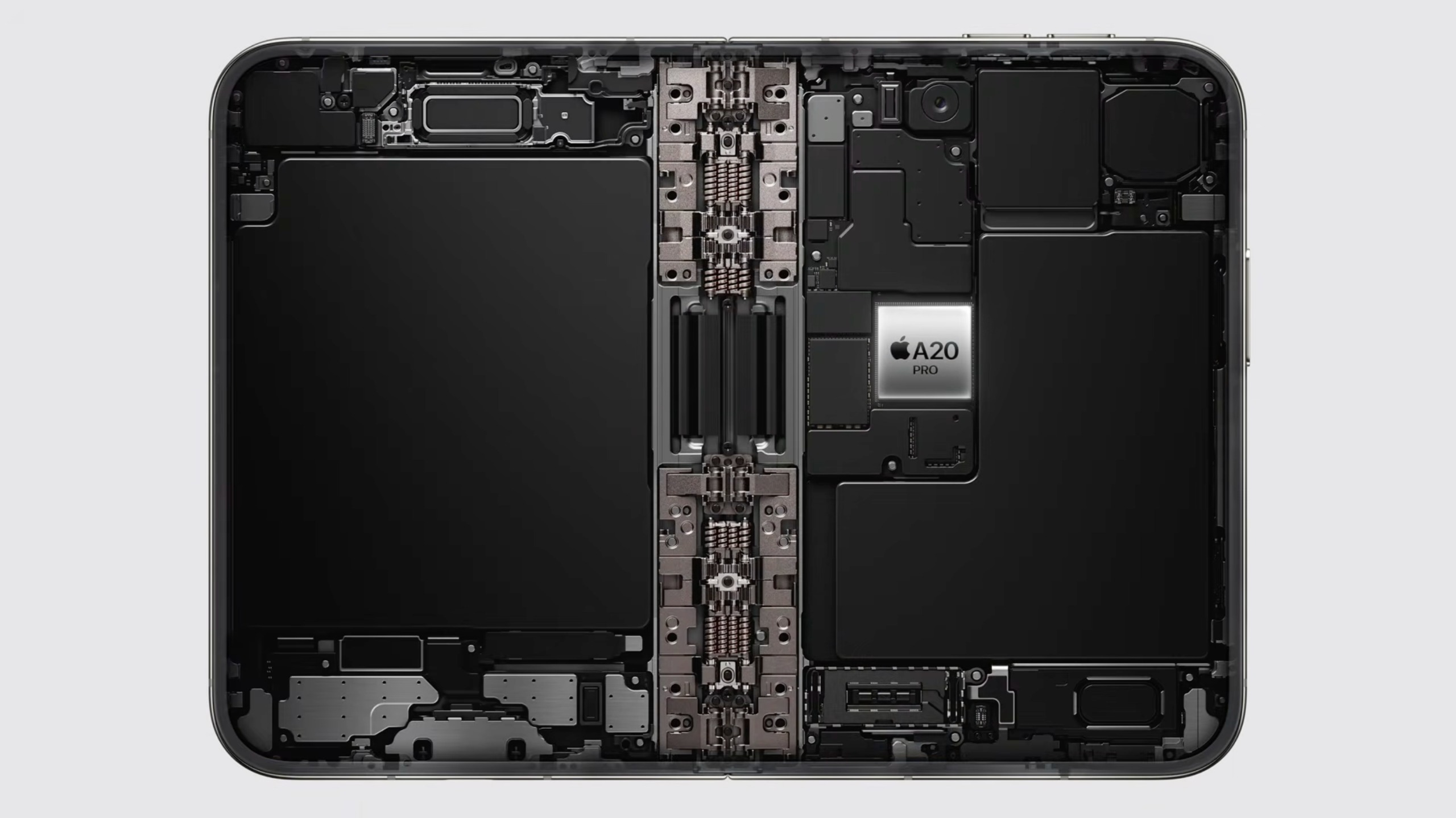
The A20 Pro features a redesigned six-core central processing unit, incorporating two high-performance "super-cores" that deliver a 20 percent performance increase over the previous generation’s A19 Pro. Accompanying these are four high-efficiency cores integrated with advanced neural accelerators, cementing Apple’s classification of the chip as a "desktop-class" processor. Furthermore, the newly engineered seven-core graphics processing unit (GPU) boasts a 40 percent generation-over-generation performance boost, complemented by expanded memory bandwidth and dual neural engines totaling 32 dedicated cores.
To manage the thermal loads associated with such high-density silicon, Apple completely re-engineered the internal packaging of the chip. The silicon dies have been arranged to isolate the system memory from the primary thermal pathway, allowing the processor to interface directly with an expansive vapor chamber. This thermal architecture—supplemented by increased surface area, high-conductivity graphite and copper layers, and 80 percent recycled stainless steel—yields up to a 40 percent improvement in sustained performance compared to the iPhone 17 Pro, and double the sustained performance of the iPhone 16 Pro.
Transitioning Away from Qualcomm: The C2 Modem and N1 Connectivity
In a strategic shift that underscores Apple’s long-term goal of supply chain independence, the company is phasing out third-party cellular modems in favor of its own proprietary silicon. The iPhone 18 Pro, iPhone 18 Pro Max, and the foldable iPhone Duo all feature the new C2 cellular modem, replacing hardware previously supplied by Qualcomm.
According to Apple’s technical disclosures, the C2 modem delivers significantly faster upload speeds while consuming 15 percent less energy than the preceding C1X architecture. Additionally, the C2 modem introduces native millimeter-wave (mmWave) support across models deployed in the United States. Complementing the cellular hardware is Apple’s new N1 networking chip, which provides robust connectivity standards including Wi-Fi 7, Bluetooth 6, and Thread protocol integration, positioning the devices for advanced smart-home and low-latency wireless ecosystems.
The iPhone 18 Pro and Pro Max: Pricing, Availability, and Camera Innovations
The conventional slab-style flagships, the iPhone 18 Pro and iPhone 18 Pro Max, continue to anchor Apple’s professional smartphone lineup. The iPhone 18 Pro will launch at a base price of $1,199, while the larger Pro Max will start at $1,299, with pre-orders opening immediately and retail availability slated for September 18.
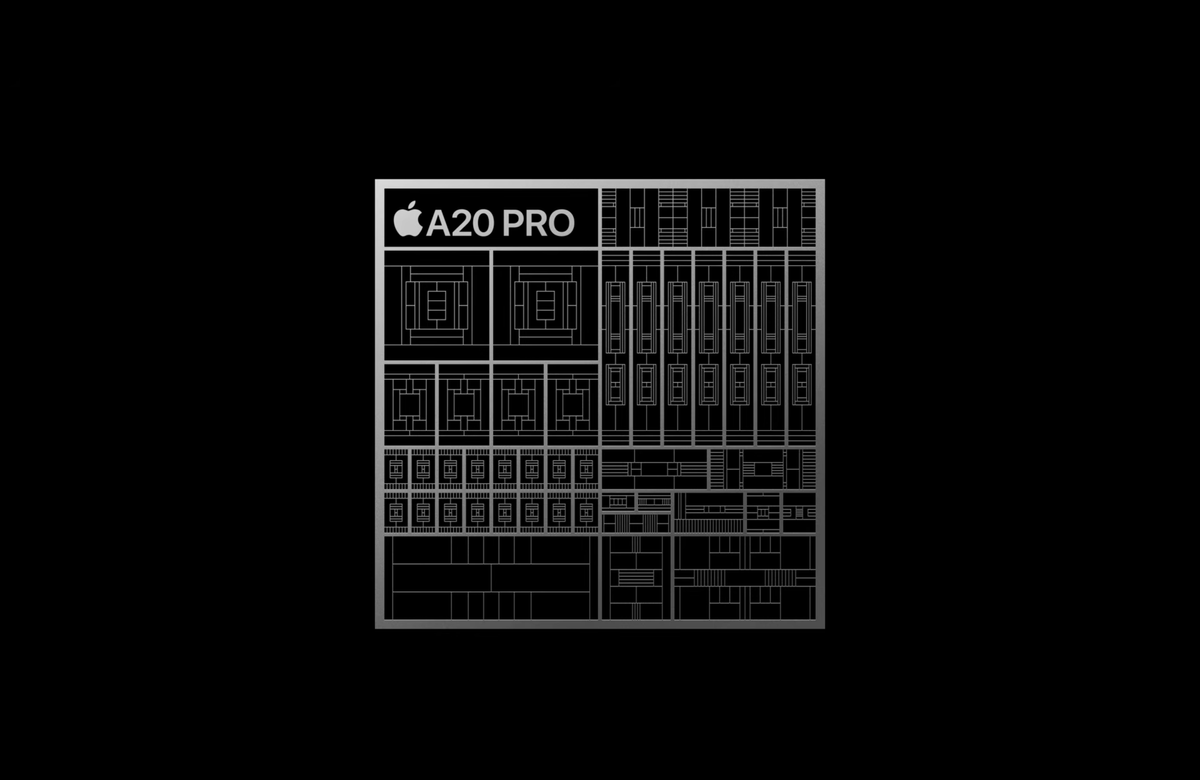
Both devices feature refined aesthetic updates, including a streamlined Dynamic Island interface and an advanced 48-megapixel fusion camera system equipped with a variable aperture. The new camera suite introduces post-capture customization tools, allowing users to adjust depth-of-field, white balance, and cinematic effects long after an image or video has been captured.
Battery efficiency has also seen a marked improvement, driven by the A20 Pro’s low-power states and optimized cell designs. Apple reports that the iPhone 18 Pro is rated for up to 36 hours of continuous video playback, while the Pro Max extends that figure to 45 hours. Under normalized usage models simulating real-world consumer behavior, the devices are projected to deliver 24 and 30 hours of per-charge endurance, respectively.
The iPhone Duo: Apple Enters the Foldable Market
The crown jewel of the event was the official introduction of the iPhone Duo, Apple’s long-rumored entry into the foldable smartphone category. Positioned as a direct challenge to established folding devices from competitors like Samsung and Google, the iPhone Duo integrates top-tier engineering with deep software optimization tailored for flexible displays.
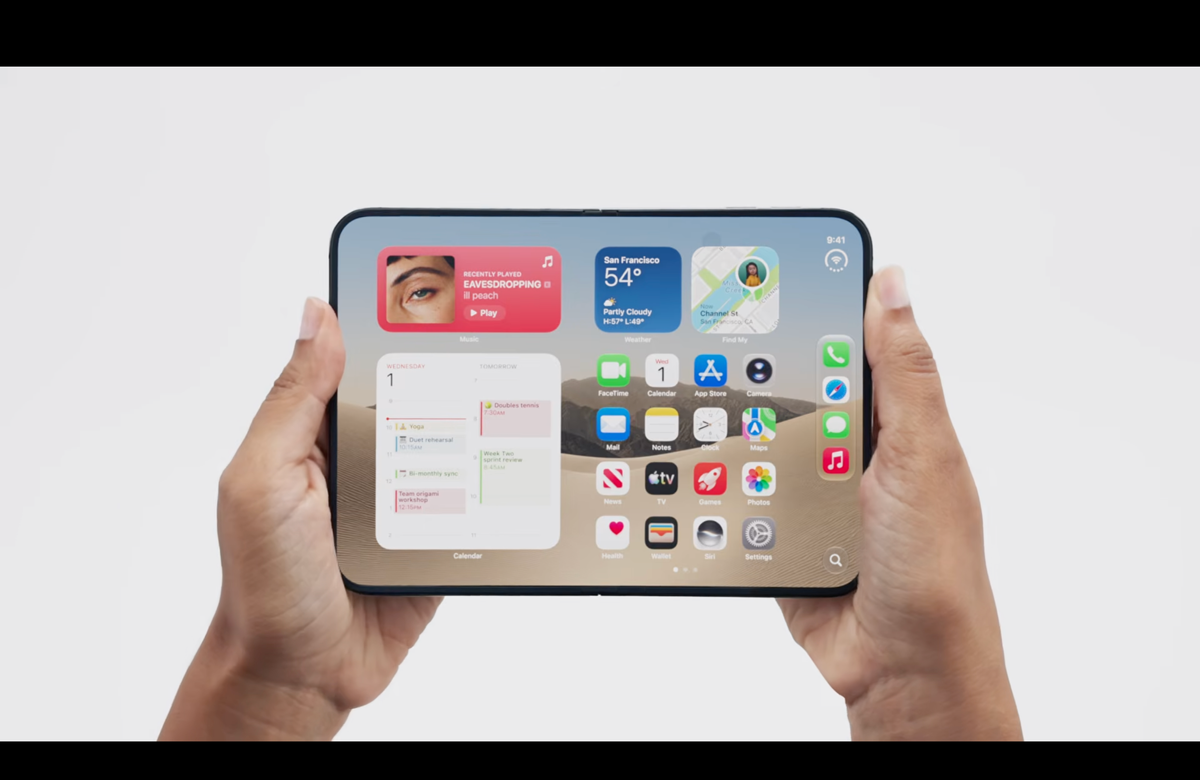
Constructed from aerospace-grade titanium with an IP68 dust and water resistance rating, the iPhone Duo measures as the thinnest iPhone ever produced when unfolded. It features a sprawling 7.6-inch internal display—the largest ever fitted to an Apple smartphone—and comes in sophisticated finishes designated as "star white" and "night sky" (a deep, dark blue). Later in the year, Apple will expand utility by introducing full Apple Pencil support across both the internal and external screens.
Addressing a common consumer critique of foldable devices, Apple incorporated an anti-glare internal display paired with a rigid titanium support plate designed to minimize visible screen creasing. The proprietary mechanical hinge utilizes more than 100 precision components, enabling multiple static display angles, including a partial-fold pose and a hands-free "tent mode" that activates a specialized standby dashboard even when the device is not connected to a charger.
Biometric security on the iPhone Duo marks a departure from recent slab-style iPhones, substituting Face ID with Touch ID integration. Apple justified the decision by noting that fingerprint authentication remains accessible regardless of whether the device is folded or open, with software accommodating multiple finger profile enrollments.
The internal optics comprise a dual-camera array featuring a 48-megapixel main sensor with 2x telephoto capability and an ultra-wide lens, while selfies and video calls are handled by a 12-megapixel center-stage front camera alongside an under-display FaceTime camera embedded beneath the primary folding panel. To maximize interior space for components and battery capacity, the iPhone Duo relies exclusively on eSIM technology globally, housing dual batteries that operate as a unified power source under iOS 27. Battery performance is rated at up to 31 hours of video playback on the inner screen and 44 hours on the outer cover display.
The iPhone Duo will start at $1,999 for the 256GB storage configuration, scaling up to a 2TB tier. Pre-orders are scheduled to commence on October 16, with official retail shipments beginning on October 23.
Broader Industry Implications and Ecosystem Expansion
Market observers note that the simultaneous rollout of a 2nm processor, an in-house cellular modem, and a foldable form factor represents one of the most aggressive product cadence updates in Apple’s corporate history. By controlling both the silicon design and the underlying communication hardware, Apple is insulated from external supply chain bottlenecks while capturing higher profit margins per device.
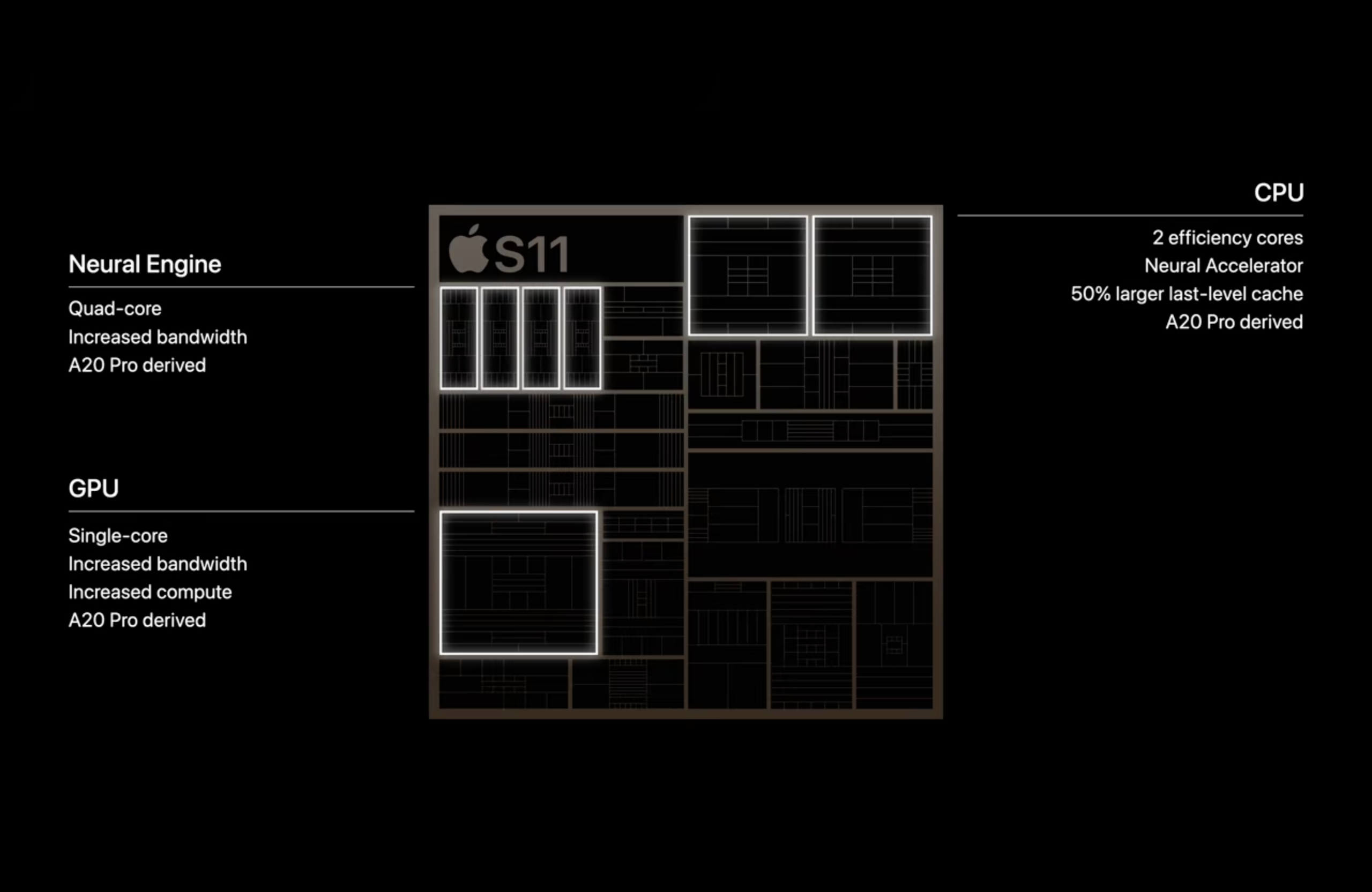
Furthermore, the introduction of the S11 processor—dedicated to powering the newly announced Apple Watch Series 12 and Apple Watch Ultra 4—demonstrates the company’s systematic scaling of advanced microarchitecture across its entire hardware ecosystem. As the technology sector digests these announcements, industry analysts will closely monitor consumer adoption rates for the premium-priced iPhone Duo to determine whether Apple’s entry can effectively reshape the burgeoning foldable device market.