

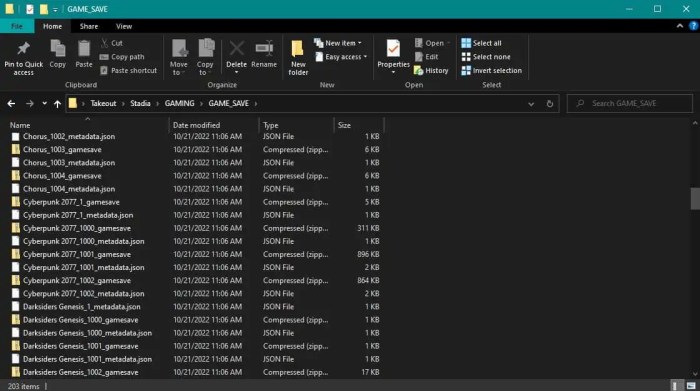
Bethesda Elder Scrolls Online Stadia save progress transfer PC is a crucial topic for players. Many are frustrated by the lack of a seamless method to move their hard-earned progress from Stadia to their PC. This post delves into the user frustrations, existing transfer mechanisms, potential solutions, technical considerations, and the ideal user experience, ultimately aiming to shed light on the challenges and possible solutions for this issue.
Users are experiencing significant difficulties transferring their saved game data from the Stadia platform to their personal computers. This includes difficulties with file formats, transfer speeds, and reliability. The lack of a straightforward, user-friendly solution is causing significant inconvenience and frustration for players who wish to continue their gameplay on their preferred platform.
Understanding the User Need
The transfer of save progress between Bethesda Elder Scrolls Online and Stadia has been a source of frustration for many players. The process, or lack thereof, has created a significant hurdle for those seeking to continue their gaming journeys across platforms. This issue underscores the importance of seamless save transfer capabilities in the gaming industry.Users accustomed to the freedom of platform switching often find themselves stranded when faced with the challenge of transferring their hard-earned progress.
This is particularly true for games like Elder Scrolls Online, where significant time investment is required to reach a certain level of progression.
User Frustration with Save Transfer
The frustration surrounding save transfers stems from several key pain points. Players feel a loss of progress and significant inconvenience when their accumulated in-game achievements and hours of gameplay are not easily transferable. The lack of a clear and straightforward method for moving their save data from Stadia to PC creates a major roadblock. Moreover, the perception of lost progress is often coupled with the lack of alternative options, leaving players with little recourse.
User Stories Illustrating Challenges
Numerous user stories highlight the difficulties of transferring saves from Stadia to PC for Elder Scrolls Online. One user recounted the disappointment of reaching a significant milestone on Stadia only to find their progress inaccessible on their PC. Another user described the effort involved in restarting their character from scratch, losing countless hours of gameplay. A third user emphasized the emotional attachment to their character and the frustration of not being able to continue their journey seamlessly.
These experiences demonstrate the emotional toll and the negative impact on the player experience.
Comparison of Save Transfer Methods
The lack of a built-in save transfer mechanism between Stadia and PC for Elder Scrolls Online highlights the need for alternative solutions. Existing methods, such as manually transferring save files, often prove cumbersome and unreliable. This lack of a streamlined process contributes to the user frustration.
Trying to figure out how to transfer my Bethesda Elder Scrolls Online Stadia save progress to PC? It’s a bit of a frustrating process, and frankly, the recent news about Singapore’s mandatory COVID-19 surveillance app, which, as detailed in this article ( spurred low adoption its app singapore introduces highly invasive mandatory covid 19 surveillance ), highlights a similar level of digital intrusion.
Hopefully, Bethesda will soon provide a smoother path for transferring saves, because, let’s be honest, digital freedom is something we all need, especially when it comes to our gaming progress.
| Method | Features | Functionalities | Ease of Use |
|---|---|---|---|
| Manual Save Transfer (using external tools) | Potentially allows transfer of data. | Involves file manipulation, potential for data loss. | Low, requires technical expertise. |
| No Built-in Transfer (Stadia to PC) | No direct method for transfer from Stadia to PC. | Players must restart their progress on PC. | Very Low, frustrating experience. |
| Third-Party Tools (if available) | May offer a solution, but with unknown reliability. | Potentially facilitates transfer, but with risk of incompatibility or data corruption. | Unknown, depends on tool reliability. |
Existing Transfer Mechanisms: Bethesda Elder Scrolls Online Stadia Save Progress Transfer Pc
Transferring save data between gaming platforms has become increasingly crucial for players seeking to maintain their progress across different devices. This is particularly important for players like those of Bethesda’s Elder Scrolls Online, who invest significant time and effort in their characters and gameplay experiences. Understanding the current methods and their limitations is vital for making informed decisions about playing across platforms.
Current Save Transfer Methods
Currently, the primary method for transferring save data between platforms for Elder Scrolls Online, and likely other similar games, is often through a platform’s built-in transfer functionality. This functionality typically involves linking accounts and using the platform’s interface to initiate the transfer process. The specific methods and steps can vary depending on the platform, and these methods may differ in the level of support they provide for data transfer.
Specific Steps for Existing Transfer Methods
The precise steps for transferring save data between platforms vary greatly, but often involve logging into both accounts on the relevant platforms, using the platform’s built-in account linking and data transfer features, and following any prompts provided during the process. The exact procedure can be platform-specific, and Bethesda typically details the steps in their support documentation.
Limitations and Drawbacks of Existing Transfer Procedures
One significant limitation of the current transfer procedures for Elder Scrolls Online is the potential for data loss or corruption during the process. While platform-based transfers are common, they can be susceptible to technical glitches or issues with the platform’s infrastructure. In addition, the process might not always be entirely transparent, and users may lack clear communication about the progress or status of the transfer.
Summary Table of Transfer Methods
| Transfer Method | Speed | Reliability | Ease of Use |
|---|---|---|---|
| Platform-based Transfer | Generally, relatively quick, but can vary depending on the size of the save data and network conditions. | Can be reliable, but depends on the platform’s infrastructure and the stability of the transfer process. | Often considered user-friendly if the platform provides clear instructions. |
The table above highlights the common features of platform-based transfer methods. Factors like network connection speed and platform stability directly influence speed and reliability. Ease of use often depends on the clarity of the platform’s instructions and support documentation.
Potential Transfer Solutions
The quest for seamless save transfer between Bethesda Elder Scrolls Online on PC and Stadia necessitates exploring diverse approaches. Direct integration, while ideal, might prove challenging. Alternative solutions, leveraging existing technologies, offer a viable path forward.Existing transfer mechanisms, while functional, may not fully meet the user’s need for simplicity and speed. Exploring alternative methodologies, like cloud-based solutions, could streamline the process.
Third-party tools could also play a role in facilitating this transfer. A careful evaluation of the technical complexities and potential benefits of these approaches is critical.
Alternative Approaches to Save Transfer
Cloud-based solutions, leveraging existing cloud storage platforms, provide a promising alternative. They offer centralized storage, allowing for data synchronization across different platforms. Third-party tools, specifically designed for save transfer, could also play a vital role in bridging the gap. These tools might offer a user-friendly interface for initiating and managing the transfer process.
Technical Challenges of Cloud-Based Save Transfers
Cloud-based save transfers introduce technical complexities. Ensuring data integrity and security during transfer is paramount. Maintaining compatibility between the different formats used by PC and Stadia versions of the game is essential. Data encryption, versioning, and efficient transfer protocols must be carefully considered. Furthermore, the user’s cloud storage limitations and bandwidth usage need to be accounted for.
These factors are not insignificant.
Requirements for a Seamless Save Transfer System
A seamless save transfer system demands a robust set of features. The system should support various cloud storage options, offering users flexibility in choosing their preferred method. Data integrity and security must be guaranteed throughout the process. The system must be user-friendly, with a clear and intuitive interface, minimizing user frustration. Furthermore, it must be scalable, accommodating a growing number of users and potentially increasing data volume.
Cloud Storage Options for Bethesda Elder Scrolls Online Save Transfer
| Cloud Storage Provider | Features | Potential Benefits | Potential Drawbacks |
|---|---|---|---|
| Google Drive | Seamless integration with Stadia, good for users already utilizing Google ecosystem. | Simple to use for users familiar with Google services. | Limited storage space for free users. |
| Microsoft OneDrive | Good integration with Xbox ecosystem. | Potentially higher storage capacity for paid plans. | May require additional setup for Stadia users. |
| Dropbox | Widely used, with good user base and established infrastructure. | Familiar interface for many users. | May require additional cost for sufficient storage. |
| Amazon Drive | Potentially high storage capacity for paid plans. | Integrates with Amazon services. | May have a less intuitive interface compared to competitors. |
Technical Considerations
The successful transfer of Elder Scrolls Online save data between platforms hinges on a thorough understanding of the technical intricacies involved. This includes the specific format of the save files, potential data loss risks, and the security measures required to safeguard user accounts and data during the transfer process. Careful consideration of these elements is crucial to ensuring a smooth and secure transition for players.
Save File Formats and Structures
Elder Scrolls Online save files are likely complex structures containing player character data, inventory, quests, achievements, and other game-specific information. These files are likely not in a simple, human-readable format but are probably binary data files, optimized for storage and retrieval within the game engine. Understanding the specific format is critical for developing a transfer mechanism that accurately interprets and translates the data between platforms.
Figuring out how to transfer Bethesda Elder Scrolls Online Stadia save progress to PC has been a bit of a headache, hasn’t it? Thankfully, there are a few helpful guides out there, but it’s a bit of a convoluted process. Meanwhile, the HTC U phone announcement event, focusing on features like the “squeeze edge sense” (check out the details here: htc u phone announcement event squeeze edge sense ), is definitely something I’m interested in.
Hopefully, the same dedication to clarity will eventually help clear up the Elder Scrolls Online save transfer issues!
Potential Data Loss Issues and Mitigation Strategies
Data loss during save transfers is a significant concern. Issues like corrupted files, incomplete transfers, or incompatibility between platforms can lead to loss of progress. Mitigation strategies must address these concerns. Robust error handling during the transfer process is essential, with checkpoints and rollback mechanisms to allow users to revert to previous states if issues arise. Data validation checks at various stages can also help to identify and prevent data corruption.
Redundant backups of the save data before the transfer process, coupled with robust transfer protocols, can further reduce the risk of data loss.
Security Concerns Related to Save Transfers
Security is paramount during save transfers. Malicious actors might attempt to intercept or manipulate data during the transfer process. Encryption of the data during transit and at rest is crucial to protect sensitive information. Implementing strong authentication mechanisms, like multi-factor authentication, can prevent unauthorized access to save files. Auditing logs for all transfer activities can help to detect any unusual or suspicious activity.
Implementing robust security protocols throughout the entire transfer process, from the initial request to the final verification of the transferred data, is critical to maintain user trust and confidence.
Data Transfer Protocols
The choice of data transfer protocol significantly impacts the speed, reliability, and security of the transfer process. Different protocols have varying capabilities and limitations, and their suitability for this specific task needs careful evaluation.
| Protocol | Suitability for Save Transfer | Pros | Cons |
|---|---|---|---|
| HTTP | Potentially suitable for smaller transfers, but less ideal for large files | Common, widely available | Security concerns if not properly encrypted |
| HTTPS | More suitable due to encryption | Security, wide availability | Performance can be impacted by encryption |
| FTP | Can handle large files, but security is a concern | Robust for large transfers | Vulnerable to interception without encryption |
| Custom Protocol | Best for optimal control over the transfer process | Tailored to the specific needs of the transfer | Development time and complexity |
User Interface and Experience
A smooth and intuitive user interface (UI) is crucial for a successful save transfer system. Users should be able to easily navigate the process, understand the steps, and complete the transfer with minimal frustration. A well-designed UI can significantly impact user satisfaction and adoption rate.The UI should prioritize clarity and simplicity, guiding users through the process without overwhelming them with technical details.
Clear instructions, visual cues, and progress indicators are key elements for a positive user experience.
Ideal User Interface Design
A streamlined interface is paramount for a positive user experience. The UI should be visually appealing, yet uncluttered, with a focus on clear and concise information. Users should be able to understand the process at a glance. Using a wizard-style interface can guide users through the process step-by-step, reducing the chance of errors. A progress bar or visual representation of the transfer status is also essential for user feedback.
Figuring out how to transfer your Bethesda Elder Scrolls Online Stadia save progress to PC is a bit of a headache, right? Luckily, sometimes a bit of tech wizardry can make things smoother. For instance, if you’re looking for a reliable wireless connection for your gaming setup, a quality Bluetooth dongle like the Twelve South AirFly Pro 2 wireless headphone Bluetooth dongle could potentially help.
It’s all about finding the right tools to make your gaming experience more seamless, so remember to keep looking for the best solutions for transferring your Elder Scrolls Online progress to PC!
Design Considerations for a User-Friendly Process
User-friendliness is key. Design choices should prioritize simplicity and ease of navigation. Error messages should be informative and actionable, guiding the user toward a solution rather than simply pointing out the issue. Visual cues, such as highlighting active buttons or visually representing the transfer progress, enhance the user experience.
Examples of Successful Save Transfer User Interface Designs
Many successful transfer systems leverage intuitive designs. For instance, systems with clear visual representations of the transfer process, such as progress bars or animated icons, have proven highly effective. Systems that allow users to preview their save data before transfer, or to cancel the process at any point, have shown significant improvements in user satisfaction. Furthermore, systems that offer helpful tooltips and concise explanations for each step are often lauded for their ease of use.
User Guide Structure for Save Transfer
A well-structured user guide is essential for a seamless save transfer process. It should be concise, clear, and easily accessible. A step-by-step guide with accompanying screenshots or illustrations can greatly aid users. The guide should explicitly detail the required system specifications and potential compatibility issues. Furthermore, a section on troubleshooting common problems and contacting support should be included.
- Step-by-Step Instructions: Each step should be clearly numbered or visually distinguished. Screenshots demonstrating the steps would be extremely helpful. Use clear language, avoiding jargon.
- Troubleshooting Guide: Common issues like network problems or file corruption should be addressed with clear solutions.
- System Requirements: Detailing the minimum and recommended system specifications will prevent compatibility problems.
- Contact Information: Provide clear channels for users to contact support if they encounter issues they can’t resolve.
Future Considerations
The future of cloud storage and save transfer technology is rapidly evolving, promising exciting advancements. Understanding these trends is crucial for anticipating and adapting to potential changes in the save transfer experience for games like Elder Scrolls Online on Stadia. This analysis explores potential future developments and their impact on player convenience and game experience.The gaming landscape is constantly changing, with cloud gaming services becoming more prevalent.
This shift necessitates robust save transfer mechanisms that can seamlessly adapt to emerging technologies. Predicting the specific trajectory of these technologies is challenging, but recognizing the underlying trends allows for informed anticipation of future implications.
Predicting Future Developments in Cloud Storage
Advancements in cloud storage are likely to focus on increased scalability, improved security, and enhanced data compression techniques. This will allow for larger and more complex save files to be stored and transferred with greater efficiency. Increased competition among cloud storage providers will likely drive down costs and increase accessibility for gamers. Examples include the continual improvement of cloud storage services like Google Drive, OneDrive, and Amazon Cloud Drive.
These improvements are directly impacting data transfer rates and storage costs for all consumers.
Implications for Save Transfer Between Elder Scrolls Online and Stadia, Bethesda elder scrolls online stadia save progress transfer pc
The evolution of cloud storage will directly impact the future of save transfer between Elder Scrolls Online on Stadia and PC. More efficient and secure transfer protocols will likely be implemented, potentially allowing for near-instantaneous transfers. As cloud gaming becomes more prevalent, a universal, cross-platform save transfer mechanism might emerge, eliminating the need for platform-specific solutions. This could also enable players to switch seamlessly between cloud-based and traditional PC gaming environments without losing progress.
Potential Impact on Player Experience
Improved save transfer technology will significantly enhance the player experience. Near-instantaneous transfers will minimize disruptions when switching between platforms or devices. This seamlessness could encourage players to explore more platforms and play styles, potentially boosting player engagement and community growth. For instance, players might choose to use Stadia for occasional gaming sessions on mobile devices while continuing their PC gameplay.
Potential Future Save Transfer Methods
| Save Transfer Method | Predicted Pros | Predicted Cons |
|---|---|---|
| Universal Cloud Sync | Seamless transfer between any platform with cloud storage integration; reduced dependence on specific services; potentially faster transfers. | Potential security concerns if the universal sync system is not robust; compatibility issues with older game save formats; reliance on third-party cloud storage services. |
| Direct Cloud-to-Cloud Transfer | Faster and more efficient transfer between cloud gaming platforms; improved security due to reduced data transfer exposure; reduced latency in transfers. | May require integration with specific cloud storage services; potential compatibility issues between different cloud gaming platforms; could be subject to data transfer limits set by the cloud service provider. |
| Optimized File Compression and Encryption | Smaller save files leading to faster transfer speeds and lower storage costs; enhanced security by encrypting the data transfer. | Potential for incompatibility issues with older game clients; need for game updates to support new compression methods; possible performance impact on the gaming client if the compression algorithm is overly complex. |
Alternative Approaches
The quest for seamless save transfer between Bethesda’s Elder Scrolls Online on Stadia and PC continues. While existing transfer mechanisms provide a solution, a direct, built-in feature might offer a more streamlined and user-friendly experience. This section explores alternative approaches, including potential reasons for the absence of a direct transfer and possible workarounds.Alternative approaches to the save transfer problem range from simple user-driven solutions to potentially more complex, developer-implemented changes.
This includes considering the practicality of a direct transfer, the potential barriers, and the feasibility of community-based solutions to bridge the gap.
Direct Save Transfer Feature
A direct save transfer feature, implemented by Bethesda, would eliminate the need for intermediary steps. This approach would significantly reduce user frustration and ensure a smoother transition between platforms. However, several factors might contribute to its absence.
Potential Reasons for Absence of Direct Transfer
Several potential reasons could explain the lack of a direct transfer feature. One crucial factor is the architecture and technical complexities involved in handling save data across different platforms. Another is the varying storage methods and formats employed by different platforms, requiring substantial code adaptation. Furthermore, the level of resources needed for developing and testing such a feature, considering the extensive amount of game data, might also be a contributing factor.
Potential Workarounds and Community-Based Solutions
While a direct transfer feature is ideal, community-based solutions can alleviate the problem temporarily. One workaround is to leverage third-party cloud storage services. This allows users to backup their Stadia saves and restore them on their PC. Another approach is utilizing save-sharing platforms or dedicated forums. These platforms could act as intermediaries, facilitating the transfer process through user-to-user sharing.
Documentation of Community-Driven Approaches
A robust method for documenting community-driven approaches is crucial. A centralized, well-organized online repository could track different workarounds. This repository should include detailed instructions, user feedback, and any necessary troubleshooting guides. Clear communication channels between users and developers should be established, allowing for feedback loops and possible incorporation of community-generated solutions into future development cycles.
Wrap-Up
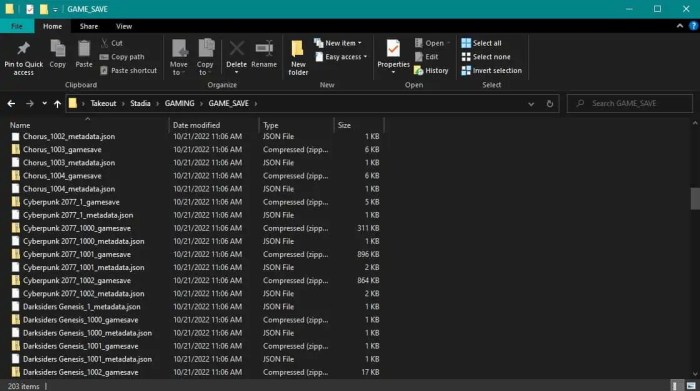
In conclusion, the transfer of save progress from Bethesda Elder Scrolls Online on Stadia to PC presents a complex problem with various pain points. While current methods exist, they often lack efficiency, reliability, and a user-friendly interface. Future solutions might involve direct transfer features from Bethesda, cloud-based systems, or third-party tools. Addressing this issue is critical to maintaining player satisfaction and ensuring a positive gaming experience across platforms.