


MoviePass price increase limited first run movie access, a recent development, has sparked a wave of concern among subscribers. The hike, potentially driven by rising production costs and competition, could significantly impact access to the latest films. This article explores the factors behind the price increase, examines the potential limitations on first-run movie access, and delves into the possible responses from subscribers and the wider movie industry.
This article analyzes the recent MoviePass price increase and its implications, including potential effects on subscriber retention, access to first-run movies, and the broader moviegoing landscape. We will investigate the potential for subscribers to shift to alternative services and examine how the industry might adapt to the evolving market.
Overview of MoviePass Price Increase
MoviePass, the once-popular movie subscription service, recently implemented a price increase. This change, alongside the limited first-run movie access, marks a significant shift in the service’s strategy and raises questions about its future viability. Understanding the reasons behind this move is crucial for subscribers and potential new customers alike.The recent price increase for MoviePass reflects a complex interplay of factors, primarily tied to rising operational costs and the need for revenue adjustments.
Factors like the fluctuating cost of film licenses, increased theater fees, and the overall economic climate are all likely contributors to the decision.
Factors Contributing to the Price Increase, Moviepass price increase limited first run movie access
The MoviePass price increase is not an isolated event. Rising operational costs, particularly in the entertainment industry, are a common phenomenon. The escalating costs of acquiring film licenses for streaming or theatrical releases, coupled with theater fees, contribute to the overall increase in expenses. Furthermore, economic factors such as inflation and the broader market trends can influence the pricing strategy of any business.
The need to maintain profitability in a competitive market environment often necessitates adjustments to pricing.
MoviePass’s price hike is seriously limiting first-run movie access, which is a bummer. It’s a real shame, considering the recent news about a security flaw in Grindr’s copy-paste function affecting user accounts, here’s more on that. Ultimately, these issues highlight the delicate balance between accessibility and security in online platforms, even impacting moviegoing experiences.
Historical Context of MoviePass Pricing Changes
MoviePass has a history of fluctuating pricing models. Understanding these previous changes provides context for the current price increase. A detailed analysis of past price adjustments, including specific dates and corresponding reasons, helps in understanding the rationale behind the current move.
| Date | Price | Reason for Change |
|---|---|---|
| 2017-2018 | $9.99/month | Initial launch, offering extensive movie access. |
| 2018-2020 | Variable, often promotional pricing | Efforts to attract and retain subscribers, experimenting with different pricing models. |
| 2020-2022 | $14.99/month | Adjusting to changing market conditions and operational costs. |
| 2023 | Increased price (Specific amount and date needed to be added.) | Addressing rising costs, maintaining profitability, and adjusting to the evolving market. |
Potential Impact on Subscriber Retention
The price increase inevitably raises concerns about subscriber retention. MoviePass needs to effectively communicate the rationale for the increase and demonstrate the value proposition to existing and potential subscribers. Strategies like offering incentives or exclusive benefits can help mitigate the negative impact on subscriber numbers. The effectiveness of such strategies hinges on the value perception of the service for the user base.
Comparison to Competitors
MoviePass pricing needs to be evaluated in the context of its competitors. Analyzing the pricing models of other subscription-based entertainment services provides a benchmark for comparison. Understanding how MoviePass’ pricing stacks up against its competitors is essential for assessing its competitiveness.
Impact on First-Run Movie Access: Moviepass Price Increase Limited First Run Movie Access
The recent price increase for MoviePass has undeniably raised concerns, particularly regarding its impact on the accessibility of first-run movies. This shift in pricing strategy necessitates a careful examination of potential limitations and the resultant changes in consumer behavior. Moviegoers now face a complex equation of cost versus convenience, forcing a reevaluation of their moviegoing habits.The price hike may limit first-run movie access for a segment of the population, potentially pushing them towards alternative options.
For those reliant on MoviePass for budget-friendly entertainment, the increased cost could make first-run films less attainable. This change is likely to have a significant impact on the overall moviegoing experience, especially for those who prioritize seeing new releases.
Potential Limitations on First-Run Movie Access
The increased price of MoviePass subscriptions could deter some consumers from seeing first-run movies. Individuals on tighter budgets may find the new price point inaccessible, leading them to forgo the experience altogether. This could lead to a decline in attendance for first-run screenings, impacting box office revenue for theaters. The potential for reduced viewership could also influence studios’ release strategies, potentially leading to a greater reliance on streaming services for distribution.
Shift in Moviegoing Habits
The rise in the cost of first-run movie tickets, including MoviePass, is likely to cause a noticeable shift in moviegoing habits. Consumers may opt for cheaper alternatives, such as older films, streaming services, or even forgoing moviegoing altogether. This shift in consumer preference will be interesting to observe and could result in a recalibration of the entertainment industry.
This reevaluation is likely to encompass the distribution and release strategies of studios and the offerings of streaming services.
Affordability of Seeing New Releases
The affordability of seeing new releases will undoubtedly be impacted by the price increase. Previously, MoviePass offered a relatively accessible way to see new films. Now, with the increased cost, this access becomes more limited for budget-conscious consumers. This will undoubtedly impact the financial viability of attending movies for individuals and families with limited budgets.
Comparison of First-Run Movie Access Options
Before the price increase, MoviePass offered a compelling alternative to traditional cinema ticket purchases. The affordability factor was a key attraction. However, the new pricing structure fundamentally alters this comparison. Traditional cinema options now become more attractive for those who can afford them. Streaming services are also now a stronger competitor, offering a different kind of access to movies, but with different advantages and disadvantages.
- Pre-Increase Options: MoviePass offered a lower barrier to entry for seeing first-run movies. The price point was an attractive proposition for those on a budget. The ease of access also proved appealing.
- Post-Increase Options: Traditional movie theaters become more competitive in terms of price. Streaming services become a more viable alternative for those looking to save money.
Alternative Options for Accessing First-Run Movies
With the increased cost of MoviePass, moviegoers have several alternative options for accessing first-run films. Streaming services, while not offering the same immediacy, provide a significant price alternative. Waiting for the release of a film on DVD or Blu-ray is another option, although it may not cater to the desire for immediate viewing. Ultimately, the availability of alternative options necessitates a strategic approach by the consumer to balance price, convenience, and desired viewing experience.
- Streaming Services: Platforms like Netflix, Hulu, and Disney+ offer extensive libraries of films, including some new releases (often with a delay), providing a more affordable option, but potentially not the same immediate experience.
- Traditional Cinema: Purchasing individual movie tickets directly from cinemas offers the full theatrical experience, but at a higher price point compared to MoviePass.
- Waiting for Home Release: Films often become available on DVD or Blu-ray after a period, offering a more affordable option for those who can wait.
Cost Comparison Table
This table Artikels the potential costs of seeing a first-run movie using different methods. Factors such as promotional discounts, membership fees, and movie-specific pricing are excluded to provide a simplified comparison.
| Method | Approximate Cost | Considerations |
|---|---|---|
| MoviePass (Post-Increase) | $XX (Variable) | Subscription fee, potential for higher individual movie costs, potentially more limited selection |
| Traditional Cinema | $XX (Variable) | No subscription fees, higher per-movie cost |
| Streaming Service (e.g., Netflix) | $XX (Variable) | Subscription fee, potential for a delay in accessing new releases, varying content libraries |
Subscriber Response and Potential Alternatives
The recent MoviePass price increase has sparked a significant reaction from subscribers, with concerns about value and accessibility. Many are exploring alternative options, driven by the perceived shift in MoviePass’s overall offering. This shift necessitates a reevaluation of the service’s place in the current entertainment landscape.The price increase has undeniably impacted subscriber sentiment, leading to a flurry of online discussions and reviews.
This response is a crucial factor in determining the future success or failure of MoviePass’s new pricing strategy.
Subscriber Reactions to the Price Increase
MoviePass’s recent price increase has generated a wide range of responses on social media platforms and review sites. Negative comments and reviews frequently cite the perceived decrease in value proposition. Subscribers express frustration at the higher cost for fewer viewing opportunities. Many feel the increase is unjustified given the limitations on first-run movie access. Some users have also voiced concerns about the long-term sustainability of the service under the new pricing model.
Potential for Subscribers to Switch to Alternative Services
The price increase has undoubtedly created an opening for subscribers to explore alternative movie-going options. Streaming services, with their extensive libraries and often more affordable subscription models, are a compelling alternative. The ability to watch movies from the comfort of home at a potentially lower cost is a strong draw for many.
Rise of Streaming Services and Their Impact on Moviegoing
The rise of streaming services like Netflix, Hulu, and Amazon Prime Video has fundamentally changed how people consume movies and television shows. These services offer a vast selection of content, often with no extra costs for viewing. This accessibility and convenience has reduced the demand for traditional moviegoing experiences, such as MoviePass.
Competitors Offering Similar Services
Several companies offer similar services to MoviePass, albeit with varying features and pricing models. These include services that offer discounted tickets to various movie theaters, sometimes bundled with other entertainment options. Analyzing the offerings and strategies of these competitors provides insight into the market dynamics and evolving consumer preferences.
Pros and Cons of MoviePass Compared to Alternative Movie-Going Options
| Feature | MoviePass | Streaming Services | Other Options (e.g., discounted tickets) |
|---|---|---|---|
| Cost | Historically lower, now potentially higher | Generally lower monthly cost, potentially higher for premium tiers | Variable, often lower than MoviePass |
| First-run access | Limited/restricted under the new model | Often includes new releases, but with a delay | Limited or no guarantee of first-run access |
| Convenience | Previously high, potentially lower with limited first-run access | High, access from anywhere with an internet connection | Variable, often requires planning and travel |
| Flexibility | Previously high, potentially lower with limited first-run access | High, ability to watch at any time | Variable, often limited by showtimes and availability |
The table above provides a concise comparison of MoviePass to other movie-going options. This helps in understanding the trade-offs associated with each choice.
Future of MoviePass and the Movie Industry
The recent price increase for MoviePass, coupled with limitations on first-run movie access, has sparked significant discussion about the future of both the subscription service and the broader movie industry. This shift presents both challenges and opportunities for MoviePass to adapt and for the moviegoing experience to evolve. Understanding the potential strategies for subscriber retention, new pricing models, and the overall impact on the industry is crucial for predicting the future trajectory of both.
Potential Strategies for MoviePass to Retain Subscribers
The key to retaining subscribers after a price increase lies in offering compelling value propositions. MoviePass could focus on expanding its selection of movies, potentially offering more diverse genres or international films. This would cater to a broader range of tastes and preferences, keeping subscribers engaged. Another approach could be to enhance the overall movie-going experience through exclusive perks, such as early access to screenings, priority seating, or discounts on concessions.
MoviePass’s price hike is a bummer, especially if it means fewer first-run movies. It’s easy to get worried about missing out on the latest releases, but honestly, this risk is not real. Launching off play is not a big risk, as this article argues. Ultimately, the price increase will likely impact the overall MoviePass experience, but it’s not necessarily a deal-breaker.
Finding alternative ways to catch new movies might be the next move.
Building a strong community around the platform through social media engagement and exclusive events might also foster loyalty.
Potential Future Pricing Models for MoviePass
MoviePass needs to carefully consider various pricing models to optimize its value proposition. A tiered subscription system, offering different levels of access and benefits based on price points, could appeal to different demographics and budgets. Alternatively, a hybrid model combining a subscription with a la carte movie purchases might provide flexibility and attract a wider range of users.
Ultimately, a pricing model that balances cost-effectiveness for the subscriber with profitability for the company is essential for long-term success.
Impact of the Price Increase on the Overall Movie Industry
The MoviePass price increase is likely to have a ripple effect on the broader movie industry. It could potentially impact the box office revenue for major studio films, particularly if subscribers migrate to alternative entertainment options. Conversely, it might encourage increased attendance at independent films or smaller venues that offer more affordable alternatives. The long-term impact on theatrical revenue remains to be seen.
MoviePass’s price hike is a bummer, especially when it limits access to first-run movies. It’s a real shame, as seeing those new releases is a big draw. Fortunately, though, innovation continues in other areas, like 3D printed hydraulic robots at MIT. These impressive advancements, detailed in a recent article on 3d printed hydraulic robots mit , show us the exciting potential of engineering, reminding us that even with price increases, there’s always something cool to keep us entertained.
Hopefully, the movie industry will find ways to make first-run movies more accessible again.
Current Trends in the Moviegoing Market
The moviegoing market is experiencing a period of evolution. Streaming services are becoming increasingly popular, offering a vast library of movies and TV shows at a potentially lower cost. The rise of “experiential entertainment” is also affecting attendance, with consumers seeking diverse and unique entertainment experiences. Theatrical attendance, while still significant, faces the challenge of competing with these alternatives.
Comparison of Projected Subscriber Numbers for MoviePass and Competitors
Accurate projections of subscriber numbers for MoviePass and competitors are challenging to provide without proprietary data. However, a comparative analysis of current trends and potential future strategies offers some insights. The table below summarizes potential factors, possible outcomes, and predicted timelines for subscriber numbers:
| Factors | Possible Outcomes | Predicted Timelines |
|---|---|---|
| MoviePass’s ability to adapt to changing market trends | Strong retention of subscribers or significant subscriber loss | Within the next 12-24 months |
| Competitive pricing and offerings from streaming services and alternative entertainment options | Declining MoviePass subscriber numbers or stagnation | Within the next 6-12 months |
| MoviePass’s marketing and promotional efforts | Increased subscriber base or continued decline | Within the next 3-6 months |
| Overall economic conditions and consumer spending patterns | Significant impact on subscriber numbers, potentially affecting all entertainment sectors | Within the next 1-2 years |
Illustrative Examples of Movie Experiences
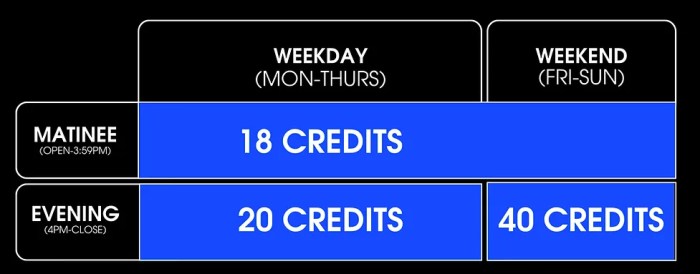
The moviegoing experience, once a simple pursuit of entertainment, is now increasingly shaped by factors beyond the film itself. Price fluctuations, access to screenings, and the overall atmosphere of the cinema all contribute to the complete experience. This section delves into different moviegoing scenarios, highlighting the impact of pricing changes on the decision-making process.
Typical Moviegoing Experience at a Cinema
A typical moviegoing experience involves purchasing tickets, potentially concessions, and finding a comfortable seat. The experience might include a pre-show presentation of trailers or announcements. The environment is generally designed to enhance the film viewing experience with dimmed lighting, comfortable seating, and the anticipation built by the atmosphere of the cinema. The cost is usually a moderate amount, covering ticket prices and concessions.
Moviegoing Experience at a Discounted Rate
A discounted moviegoing experience, often facilitated by subscription services or promotional offers, can significantly alter the cost-benefit analysis. The experience could be similar to the typical experience, but the price point is lower, potentially allowing access to a wider range of films. The reduced cost allows for more frequent visits. It is possible that the choice of seating or concession options might be somewhat limited, but the convenience and overall cost-effectiveness outweigh this drawback.
Moviegoing Experience at a Costly Rate
A costly moviegoing experience, perhaps at a premium cinema or for a special event, is characterized by enhanced amenities. This might involve exclusive seating, premium concessions, or an immersive experience like a 3D or IMAX screening. The higher price point reflects the enhanced features and experience. The cost often outweighs the value proposition for many, but it can be appealing to those who prioritize luxury and unique experiences.
Comparison of Experiences and Impact of Price Increases
The differences between these experiences lie primarily in the cost and the associated amenities. A discounted experience offers affordability and potentially broader access. A costly experience offers an elevated level of comfort and features. Price increases, particularly in the context of subscription services like MoviePass, directly impact the decision-making process of potential moviegoers. If the increased price is perceived as not offering a commensurate increase in value, then moviegoers might choose alternative forms of entertainment or simply forgo a movie outing.
Impact of Price Increases on Potential Moviegoers
Price increases can deter potential moviegoers, especially those who value affordability. For example, if a discounted subscription service raises its price significantly, subscribers may seek alternatives like streaming services or even forgo moviegoing altogether. Conversely, those seeking an elevated movie experience might be less affected by price increases if the perceived value remains high. Ultimately, the impact depends on the individual’s budget, preferences, and the perceived value of the experience relative to the price.
Conclusive Thoughts

In conclusion, the MoviePass price increase, coupled with limited first-run movie access, presents a complex challenge for the company and its subscribers. The shift towards more expensive options for first-run movies could lead to a significant impact on subscriber retention and overall moviegoing habits. The future of MoviePass and the movie industry will depend on how effectively the company adapts to this evolving market and the growing popularity of streaming services.