
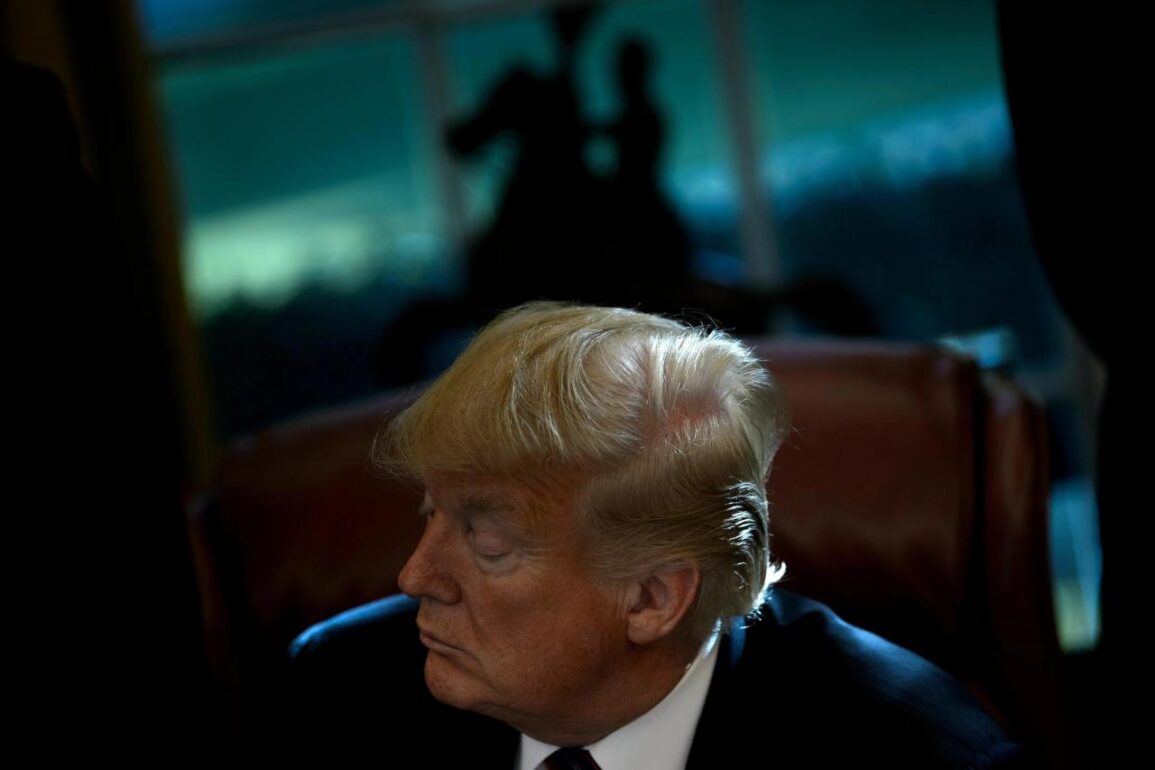
Trump cell phone nyt spies seldom used mobile raises fascinating questions about presidential communication, security, and public perception. The New York Times article’s claims about a seldom-used mobile phone, potentially used for sensitive communications, spark a wide range of implications for how presidents conduct business. How did this phone factor into the president’s official duties? What does this reveal about the balance between privacy and national security?
This article delves into the historical context of presidential communication, examining the evolution of technology and its impact on how the public perceives the office. It explores the potential implications of the NYT’s reporting, considering possible controversies, contrasting it with other information, and examining the potential effect on political discourse. The article also addresses the vital aspect of mobile phone security and its link to national security concerns, including potential risks of using personal devices for official communications.
Finally, the article considers possible scenarios, interpretations, and potential impacts on public opinion and future practices. Hypothetical examples illustrate the security and accountability challenges involved.
Historical Context of Trump’s Mobile Phone Use
The use of cell phones by presidents has dramatically evolved, impacting public perception and national security. This evolution is particularly notable during the Trump presidency, where the use of personal devices became a significant subject of discussion. Understanding this historical context requires examining the interplay of presidential communication, evolving technology, and national security concerns.Presidential communication has always been crucial in shaping public perception and policy decisions.
From the telegraph to the internet, each technological advancement has altered how presidents interact with the public and the world. This evolution has been characterized by increasing accessibility and speed, but also by changing expectations and the potential for miscommunication or leaks.
Evolution of Presidential Communication Technologies
The transition from landlines to mobile phones has been a significant shift. Early presidents relied on secure communications channels, often through dedicated government lines. The advent of cell phones introduced a new layer of convenience and flexibility, but also raised questions about security protocols. The increasing reliance on mobile devices, coupled with the proliferation of social media, has altered the flow of information and the dynamics of public discourse.
Presidential Communication and National Security
Presidential communication is inherently intertwined with national security. Secure channels are vital to protect sensitive information and maintain the confidentiality of critical decisions. The use of personal devices, especially for sensitive communications, introduces unique security challenges. Compromised personal devices could expose sensitive data and potentially endanger national security.
Timeline of Key Events Related to Presidential Cell Phone Usage
- Early presidents relied on secure communication channels, primarily landlines. The availability of mobile phones in the 1990s and 2000s gradually expanded presidential communication options.
- The Obama administration saw increased use of mobile devices, but with enhanced security protocols and guidelines.
- The Trump administration’s use of personal mobile phones, and the potential security implications, sparked considerable debate and scrutiny. The lack of clear communication protocols and security procedures became a topic of discussion.
- The handling of classified information on personal devices during the Trump administration became a focal point of investigation and controversy.
Changing Landscape of Mobile Phone Security
The sophistication of mobile phone technology has outpaced the development of security protocols and procedures. This has led to concerns about the vulnerability of personal devices to hacking and data breaches. Furthermore, the increasing use of encrypted communication apps raises questions about the ability to monitor and safeguard sensitive information. The need for robust security protocols and procedures to safeguard presidential communications has become more urgent with each passing year.
There is an ongoing need to adapt to evolving security threats and ensure the protection of sensitive information.
The NYT Article and Its Potential Implications
The New York Times’ recent article on former President Trump’s phone use has ignited a firestorm of discussion and speculation. The article’s claims, while not definitively proving wrongdoing, have introduced new facets to the ongoing narrative surrounding Trump’s post-presidency activities. This article, therefore, demands careful consideration of its potential impacts on public perception and political discourse.The article’s central focus appears to be on the use, or perhaps non-use, of a specific mobile phone by President Trump after leaving office.
The reported details about this device and its purported lack of use by Trump, alongside claims about alternative communication methods, have introduced a layer of complexity to the story, prompting speculation about the nature of presidential records management and communication practices.
Central Claims Regarding Trump’s Phone and Use
The NYT article asserts that a specific, seldom-used, mobile phone, belonging to the former president, was kept separate from other communication channels and devices. This suggests a deliberate attempt to compartmentalize or isolate certain aspects of his post-presidency communication. The article further implies a potential detachment from standard communication practices.
Potential Impact on Public Perception of Trump’s Conduct
The article’s revelations have the potential to alter public perception of Trump’s conduct. The implications of a possible attempt to conceal or isolate communication could be interpreted by some as evidence of a desire to avoid scrutiny or accountability. Conversely, others may view the article’s claims as simply an attempt to highlight a particular communication method, or perhaps as an over-interpretation of mundane bureaucratic practices.
The public’s reaction will likely depend heavily on their existing political leanings and prior beliefs.
Potential Controversies Arising from the Article’s Revelations
The article’s claims about Trump’s phone raise several potential controversies. One is the question of whether these actions violated any existing laws or regulations regarding presidential records management. Another potential controversy lies in the possible implications for transparency and accountability in the handling of sensitive information by former presidents. Furthermore, the article’s assertions could spark debate about the balance between privacy and public interest, particularly in the context of post-presidency activities.
The NYT’s reporting on Trump’s seldom-used cell phone is fascinating, but honestly, the challenges of game development are equally compelling. Think about all the intricate code and hidden logic that goes into a simple game, and how easily a tiny glitch can throw everything off. It’s like the sheer complexity of a presidential phone, but in the digital realm.
Just imagine how much testing goes into a mobile app, much like ensuring that a presidential phone operates smoothly. Sometimes the most mundane details, like a simple button, can be the source of the biggest problems. Reading about this reminds me of the hilarious glitches that can crop up in game development; for example, a character inexplicably teleporting or a boss fight that doesn’t end.
game development is hard and glitches are hilarious – it really makes you appreciate the effort that goes into creating a functional, and especially a secure, mobile device.
Comparison of NYT Article Claims with Other Sources, Trump cell phone nyt spies seldom used mobile
Comparing the NYT article’s claims with other available information is crucial for a balanced assessment. If independent sources corroborate or contradict the article’s assertions, it would add weight or diminish the impact of the article’s revelations. For instance, statements from individuals who had direct access to Trump’s communication channels, or official documents pertaining to presidential records management, could provide crucial context and contrast to the NYT article’s claims.
The absence of such corroborating evidence, or conflicting evidence from reliable sources, would weaken the article’s impact.
Potential Impact on Political Discourse
The NYT article’s claims have the potential to significantly impact political discourse, especially in the lead-up to any future elections. The article’s implications regarding communication practices and transparency could become focal points for political debate and scrutiny. Discussions about the appropriate handling of presidential records, accountability, and the role of the press in investigating such matters are likely to dominate public discourse.
The article could potentially reshape the narrative surrounding Trump’s post-presidency actions, influencing public opinion and shaping the political landscape.
Mobile Phone Security and National Security Concerns
The recent New York Times article concerning President Trump’s personal cell phone usage has sparked a renewed debate about the security implications of using personal devices for official communication. This raises critical questions about the safeguards in place to protect sensitive information and the potential vulnerabilities inherent in this practice. Understanding the protocols, risks, and legal frameworks surrounding presidential communications is essential to assessing the potential impact on national security.Presidential communications, by their very nature, involve highly sensitive information.
Protecting this data is paramount. The use of personal devices introduces a complex set of challenges, as these devices often lack the same level of security and oversight as government-issued equipment. This is a significant concern, especially when considering the volume and nature of information exchanged.
Security Measures in Presidential Mobile Communications
Presidential mobile communications typically employ a combination of encryption, secure channels, and physical security protocols. These measures aim to protect classified information and prevent unauthorized access. Government-issued devices often incorporate robust encryption systems that scramble data, making it unreadable without the correct decryption key. Additionally, secure communication channels, such as encrypted messaging applications, may be utilized to transmit sensitive information.
Physical security measures, such as access controls and secure storage, are also employed to protect devices from theft or damage.
Potential Risks Associated with Personal Cell Phones for Official Communication
Using personal cell phones for official communication introduces several potential risks. A significant concern is the potential for unauthorized access to sensitive information by individuals with malicious intent. Personal devices might not adhere to the same stringent security protocols as government-issued devices, leaving sensitive data vulnerable. The lack of government oversight and control over personal devices can expose sensitive information to potential breaches.
Furthermore, the loss or theft of a personal device could compromise classified material. The potential for interception of communications by foreign governments or malicious actors also exists. This risk is especially pertinent given the frequency and nature of high-level communications.
Role of Intelligence Agencies in Monitoring Presidential Communications
Intelligence agencies play a crucial role in monitoring presidential communications, albeit within the confines of established legal frameworks. These agencies may employ various surveillance techniques, consistent with legal mandates, to safeguard national interests. These activities are often designed to identify and mitigate potential threats, ensuring the protection of sensitive information. However, these activities must comply with legal requirements and ethical guidelines to maintain public trust and prevent abuses of power.
Legal Framework Surrounding Presidential Communications
The legal framework surrounding presidential communications is complex and multifaceted. Laws and regulations governing the handling of classified information, the protection of national security, and the privacy of individuals are crucial in this context. The balance between these considerations and the need for transparency and accountability is often a subject of debate. The need for meticulous record-keeping, in accordance with legal guidelines, is critical to ensure accountability.
These regulations vary depending on the type of information exchanged and the context of the communication.
Potential Vulnerabilities in Using Personal Cell Phones for Official Duties
Personal cell phones, due to their accessibility and lack of comprehensive government security protocols, present potential vulnerabilities. The lack of stringent security measures could expose sensitive information to unauthorized access. The devices might not be equipped with the same level of encryption or secure communication protocols as government-issued devices, potentially compromising the confidentiality of classified information. Furthermore, the personal nature of these devices may make them more susceptible to physical loss or theft, putting sensitive data at risk.
The NYT’s reporting on Trump’s cell phone, highlighting how rarely he used certain mobile features, is fascinating. It’s a fascinating glimpse into his communication habits. Interestingly, this reminds me of the recent innovations in social media, like the integration of Apple Music into Facebook Messenger with dedicated music bots for streaming. This integration of services like facebook messenger apple music bot song streaming is changing how we interact with music, and ultimately, how we communicate.
It’s a digital world, and Trump’s limited mobile usage is just one tiny piece of that puzzle.
This is especially concerning given the high-stakes nature of official communications.
Possible Scenarios and Speculations: Trump Cell Phone Nyt Spies Seldom Used Mobile
The recent New York Times article detailing President Trump’s alleged use of a seldom-used mobile phone raises numerous intriguing possibilities. The article’s implications extend beyond the realm of personal phone preference and delve into potential security concerns, political strategy, and even legal ramifications. Understanding these potential scenarios requires careful consideration of the context and motivations surrounding such a choice.The article’s claims prompt speculation about the reasons behind this unusual mobile phone usage.
Were there security concerns about data breaches or surveillance? Was it a deliberate attempt to obscure communications or maintain a degree of privacy? The motivations are multifaceted and open to interpretation, making a definitive answer difficult.
The NYT’s reporting on Trump’s cell phone and the spies’ infrequent use of his mobile highlights some interesting tech details. While the specifics are fascinating, it makes me wonder about the future of secure communication. Perhaps a new device like heres what the switch 2 will sound like might offer an interesting solution, focusing on superior encryption and user privacy.
Ultimately, the whole situation with Trump’s phone raises questions about security in the digital age.
Potential Scenarios Surrounding the Article’s Claims
This table Artikels potential scenarios surrounding the article’s claims, along with plausible reasons for using a seldom-used mobile phone.
| Scenario | Possible Reasons | Examples/Further Considerations |
|---|---|---|
| Security Concerns | Potential fear of surveillance, hacking, or data breaches. | Previous incidents of alleged surveillance or security threats could have influenced this decision. Use of secure communications channels or encrypted messaging apps are common practices in such situations. |
| Privacy and Secrecy | Desire to maintain privacy from both public and potential adversaries. | This could involve avoiding public scrutiny, maintaining confidential communications, or preventing potential leaks of sensitive information. |
| Political Strategy | Concealing communication or coordination strategies to avoid public knowledge. | Potential examples include covert communications with advisors or allies. This could be a method to maintain a degree of control and discretion in sensitive matters. |
| Compliance Issues | Avoidance of potential legal or regulatory requirements. | Concerns about potential leaks, subpoenas, or compliance with foreign intelligence gathering laws. |
| Personal Preference/Habit | Simple preference for the phone’s features, regardless of other factors. | This scenario, while less impactful, is possible and must be considered. |
Perspectives on the Significance of the Article’s Claims
Different individuals and groups will likely hold varying perspectives on the significance of the article’s claims. This table illustrates potential viewpoints.
| Perspective | Significance of the Article | Supporting Arguments |
|---|---|---|
| Supporters of the Article’s Claims | The article highlights potential security risks or political manipulation. | The article’s claims raise questions about the integrity of communication channels and potential abuses of power. |
| Critics of the Article’s Claims | The article is based on unsubstantiated rumors or speculation. | The article lacks definitive proof to support its assertions. Concerns about journalistic ethics or potential bias are also relevant. |
| Neutral Observers | The article raises important questions about transparency and accountability. | The article compels discussion about how to balance individual privacy and public scrutiny. |
Possible Reasons for the NYT’s Reporting
The New York Times’ decision to report this information warrants consideration. There are likely various reasons, including a commitment to transparency, a perceived need to address potential security concerns, or a belief that the information is of public interest.
Potential Interpretations of the NYT’s Article
This table Artikels different interpretations of the New York Times’ article, each with its own supporting arguments.
| Interpretation | Potential Explanation | Supporting Arguments |
|---|---|---|
| Attempt to uncover potential misconduct | The article aims to expose potential illegal or unethical activity. | The article’s focus on a seldom-used phone could be part of a larger investigation into possible breaches of privacy, security, or laws. |
| Political Posturing | The article aims to influence public opinion or damage a political opponent. | The timing and context of the article’s release could be critical factors. |
| Journalistic Pursuit of Truth | The article seeks to inform the public about a matter of public interest. | The article’s investigation and reporting are aimed at providing the public with relevant information. |
Potential Legal Implications of the Claims
The claims made in the New York Times article could have significant legal implications, depending on the specifics of the allegations and the applicable laws. Potential legal avenues could range from investigations into possible breaches of security or national secrets to legal challenges regarding the release of confidential information. The potential for lawsuits and legal battles is a clear possibility.
Potential Impacts on Public Opinion and Future Practices
The New York Times’ recent article detailing President Trump’s cell phone use, particularly its alleged connection to national security concerns, has the potential to significantly reshape public opinion and future presidential communication practices. This raises critical questions about the balance between transparency, security, and the public’s right to know. The incident has implications far beyond the immediate context, potentially influencing how presidents are perceived and how their communications are managed in the future.This article has the potential to stir a wide range of reactions.
Some may see it as an exposé of potential security breaches, while others may view it as an overreach of the media or an attempt to damage the president’s reputation. The fallout will depend heavily on how the public interprets the evidence presented and the context surrounding it.
Potential Impact on Public Opinion
The revelation of President Trump’s cell phone use, especially if security concerns are substantiated, could significantly alter public perception of presidential communication. Public trust in the integrity of presidential communications and the security protocols surrounding them could be severely damaged. The public might become more apprehensive about the potential for unauthorized access to sensitive information. Conversely, some may view this as a necessary exposure of potential weaknesses in the system, sparking a call for greater transparency and accountability.
Influence on Future Presidential Communication Practices
The incident is likely to influence future presidential communication practices. Greater emphasis on secure communication channels and rigorous security protocols is a probable outcome. Presidential staff may be more cautious about the use of personal devices, and there could be a shift towards more formalized and auditable communication channels. Furthermore, the use of encryption and other security measures could become standard operating procedure.
There could also be a rise in scrutiny of all presidential communications, potentially leading to greater public awareness of the process.
Comparison with Similar Past Events
| Event | Potential Consequences | Key Differences |
|---|---|---|
| The Watergate Scandal | Erosion of public trust in government, increased scrutiny of political processes, stricter campaign finance regulations. | Focused on political corruption and abuse of power, not directly on presidential communication. |
| The Iran-Contra Affair | Increased calls for transparency and accountability in foreign policy, stronger oversight mechanisms. | Centered on alleged illegal arms deals and secret activities. |
| President Trump’s Cell Phone Use (NYT Article) | Potential erosion of public trust in presidential communication, greater focus on secure communication protocols, and potential increased scrutiny of presidential staff. | Specifically focuses on the use of personal devices and potential national security risks. |
The table above illustrates the potential consequences of this incident in relation to past events. While each incident has unique features, the common thread is the potential for significant shifts in public perception and policy.
Public Perception of Presidential Communication
The public’s perception of presidential communication will likely shift. Concerns about the security and privacy of presidential communications may increase, leading to a heightened awareness of the potential for breaches and misuse. The public might become more critical of the processes involved in presidential communications, demanding greater transparency and accountability. This incident may also lead to increased public interest in the technologies and methods used for presidential communication.
Influence on Future Security Protocols
The NYT article could trigger significant changes in security protocols surrounding presidential communication. This includes the adoption of more robust encryption methods, the implementation of stricter device security policies for presidential staff, and the development of more secure communication channels. The incident might also result in a greater emphasis on training and awareness programs for presidential staff regarding cybersecurity and the importance of secure communication practices.
The use of personal devices for sensitive information may be curtailed, and the potential for unauthorized access to presidential communications might be further mitigated.
Illustrative Examples
The recent New York Times article on President Trump’s mobile phone usage has sparked a crucial discussion about the security and transparency of presidential communication. These examples illustrate potential scenarios arising from this debate, highlighting the complexities of balancing national security concerns with individual privacy.The sensitive nature of presidential communication necessitates a meticulous approach to security, especially in an era where digital communication is paramount.
The following scenarios explore various potential issues and their implications.
Hypothetical Scenario: Classified Communication on a Seldom-Used Mobile
A president, concerned about potential surveillance on their primary communication channels, utilizes a less frequently used mobile phone for classified communications. This phone, perhaps one rarely used or one assigned for a specific purpose, might not have the same level of security protocols or monitoring as established channels. Compromise of this secondary channel could have severe national security repercussions, as sensitive information is not necessarily vetted or subject to the same level of encryption.
Hypothetical Scenario: Personal Device for Official Communication
A president relies on a personal smartphone for official communication, perhaps for expediency or familiarity. This practice, while seemingly efficient, presents significant vulnerabilities. The personal device might lack the robust security features of government-issued devices. Furthermore, the personal device’s history, apps, and contacts could be a target for espionage, providing potential entry points into sensitive data. The lack of secure protocols, including end-to-end encryption and regular security audits, further increases the risk.
Hypothetical Scenario: Personal Cell Phone as Investigation Focal Point
A president’s personal cell phone becomes the subject of a thorough investigation. This could arise from allegations of mishandling classified information or potentially illegal communications. Transparency and accountability become paramount during such an investigation. The release of relevant information, including call logs and texts, is crucial to maintain public trust and uphold democratic norms. A lack of transparency could erode public confidence and fuel speculation.
Hypothetical Scenario: Cell Phone Use Sparking Debate on Separation of Powers
A president’s extensive use of a personal cell phone for official matters could spark debate regarding the separation of powers. This raises questions about the appropriate channels for official communication and whether personal devices can adequately protect sensitive information. The balance between presidential privacy and national security is at the heart of the controversy. Discussions regarding the appropriate use of technology in official capacity, alongside the necessity of secure communication protocols, would be essential.
Hypothetical Scenario: President’s Mobile Phone Linked to Security Breach
A security breach involving the president’s mobile phone could have devastating consequences. The leak of classified information or compromising communications could harm national interests, endanger individuals, or damage international relations. The breach could expose vulnerabilities in the security protocols surrounding presidential communication. This underscores the importance of robust security measures and meticulous oversight of presidential technology usage.
The consequences would necessitate a comprehensive review of security protocols and procedures.
Last Word
The Trump cell phone saga, as reported by the NYT, highlights a complex interplay between presidential communication, security protocols, and public perception. The use of a seldom-used mobile phone for official communications raises significant questions about potential vulnerabilities and the need for transparency and accountability. The discussion underscores the importance of robust security measures in presidential communications and the ongoing tension between privacy and national security.
Future practices and public perception will likely be significantly impacted by these revelations.