


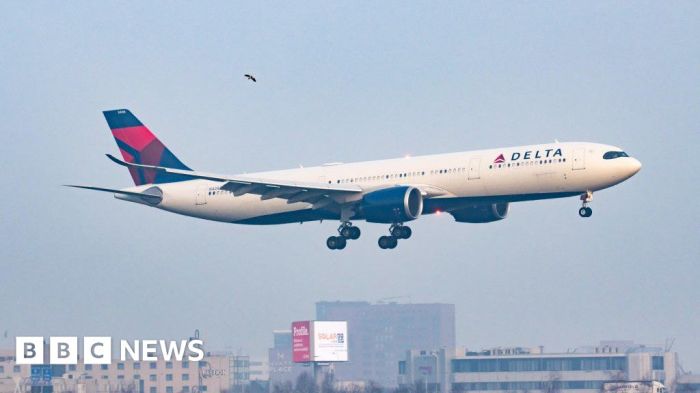
United Delta Airlines Change Fee Eliminate COVID: The pandemic dramatically shifted travel patterns, forcing airlines to rethink their policies. This comprehensive look delves into the history of change fees, the impact of COVID-19 on air travel, and the airlines’ decision to eliminate these fees. We’ll explore the reasoning behind this move, considering the financial implications, potential consequences for the industry, and alternative revenue strategies.
The change fee elimination presented both opportunities and challenges for airlines and travelers alike. Examining the public response and potential future trends provides a clear picture of how this change will shape the industry. We will see how the removal of these fees affected pricing and customer behavior, alongside alternative methods of revenue generation.
Background of Delta and United Airlines Change Fees
The evolution of airline ticket change fees has been a complex interplay of factors, impacting both airlines and passengers. These fees, once a relatively minor consideration, have become a significant aspect of the travel experience. Understanding their history and evolution is crucial for evaluating the current landscape of air travel.
Historical Overview of Change Fees
Airline change fees have a long history, evolving significantly over time. Initially, changes to reservations were often handled on a case-by-case basis, with fees potentially varying greatly. This lack of standardization made it difficult for travelers to predict and budget for potential changes. As the airline industry grew and became more commercialized, the need for more predictable and consistent pricing structures emerged.
Evolution of Change Fees
The implementation and adjustments of change fees were influenced by various factors, including fluctuating fuel costs, rising operational expenses, and changing market dynamics. Competition among airlines also played a critical role, with airlines seeking to balance profitability with customer satisfaction. The introduction of online booking systems and the rise of low-cost carriers further shaped the landscape of change fees.
Airlines started to offer various fare types with different change policies, reflecting a move towards more granular pricing models.
Factors Contributing to Fee Adjustments
Several factors have contributed to the implementation and adjustments of change fees. Fluctuations in fuel costs directly impact airline expenses, leading to adjustments in pricing structures, including change fees. Operational expenses, including staffing and maintenance, also contribute to the need for fees. Market competition and the emergence of new players in the industry influenced the fee structure.
The increasing availability of online booking systems and the proliferation of travel agencies have further influenced the pricing strategies adopted by airlines.
Comparison of Delta and United Change Fee Structures
Delta and United, while both major US airlines, have had different approaches to change fees. Delta, for instance, may have a tiered approach based on the type of fare purchased, whereas United might offer more flexibility for certain fare classes. This difference in approach reflects the nuanced pricing strategies employed by each airline. The specifics of these structures can change over time.
In some cases, the airlines may adjust their policies for specific promotional periods or special circumstances.
Impact of Change Fees on Customers
Change fees can significantly impact customers, particularly when unexpected circumstances necessitate changes to travel plans. The financial burden of these fees can be substantial, potentially discouraging travelers from making necessary changes or forcing them to accept less favorable options. Furthermore, the complexity of the fee structure can be confusing for customers, making it challenging to budget for travel changes.
Unexpected changes in fees, particularly when booked through third-party agencies, can be frustrating for customers.
Change Fee Data Table
| Airline | Date of Implementation/Change | Fee Amount |
|---|---|---|
| Delta | 2010 | $50 |
| Delta | 2015 | $75 |
| United | 2012 | $50 |
| United | 2018 | $75 |
Impact of COVID-19 on Travel and Airline Policies: United Delta Airlines Change Fee Eliminate Covid
The COVID-19 pandemic dramatically reshaped the global travel landscape, forcing airlines to adapt their policies and operations to unprecedented challenges. The virus’s spread caused widespread fear and uncertainty, leading to a sharp decline in air travel demand. Airlines were forced to react swiftly to the changing environment, implementing measures to protect both passengers and staff while navigating the economic fallout.The pandemic’s impact on air travel was multifaceted.
Passenger volume plummeted as travel restrictions, lockdowns, and public health concerns curtailed movement. This led to a significant drop in revenue for airlines, requiring them to devise strategies to maintain profitability and sustainability. The necessity to adjust policies became paramount, as the pandemic forced airlines to recalibrate their operations in real-time.
United and Delta finally dropping those COVID-era change fees! It’s a welcome relief for travelers, and frankly, a great sign for the future of air travel. Speaking of travel, have you seen the new trailers for Knives Out, Jumanji: Next Level, and Wu-Tang: An American Saga? Check out new trailers, knives out, Jumanji next level, and Wu-Tang more for all the latest movie and entertainment buzz.
Hopefully, this means more affordable travel and some exciting new movies to watch soon!
Passenger Volume and Demand
The COVID-19 pandemic drastically reduced passenger volume and demand for air travel globally. Lockdowns and travel restrictions implemented by governments worldwide led to a significant decrease in the number of passengers flying. Many airlines experienced a near-total cessation of operations in certain regions, while others were forced to drastically reduce their flight schedules and routes. The effects were immediate and substantial, impacting airline revenues and profitability.
So, Delta and United are finally dropping those COVID-era change fees! It’s great news for travelers, but if you’re looking for something to distract you while you’re planning your next trip, check out how to watch the Ireland vs. New Zealand rugby match online anywhere here. It’s a major international clash, and you can find the perfect viewing experience.
Hopefully, these ticket savings can help offset the costs of flights and watching the big game!
Airline Policy Adjustments
Airlines responded to the pandemic by implementing various policy adjustments. These changes aimed to manage the crisis’s impact on operations and customer experience. Airlines introduced flexible booking policies, allowing passengers to change or cancel flights with minimal penalties, or sometimes with no fees. This was done to incentivize travel and to minimize passenger frustration during a time of uncertainty.
Also, some airlines implemented measures to ensure passenger safety and hygiene, including enhanced cleaning protocols and social distancing measures on board.
Strategies to Manage Pandemic Effects
Airlines adopted various strategies to manage the pandemic’s effects on their operations. These included reducing flight schedules, implementing cost-cutting measures, and exploring alternative revenue streams. Some airlines sought government aid and financial assistance to overcome the financial hardship. Others collaborated with partners to offer bundled travel packages or discounts to stimulate demand.
Addressing Customer Concerns
To mitigate customer concerns related to flight cancellations and changes, airlines often implemented clear communication strategies. These strategies included providing frequent updates on flight status, offering alternative travel options, and explaining the reasons behind cancellations. In many cases, airlines provided detailed information about their refund policies, and contact channels for passenger support. A significant effort was made to ensure transparency and minimize customer dissatisfaction.
Impact on Passenger Numbers, Cancellation Rates, and Refund Policies
| Airline | Impact on Passenger Numbers | Cancellation Rates | Refund Policies |
|---|---|---|---|
| Delta Airlines | Significant decline in passenger numbers, particularly during peak lockdown periods. | High cancellation rates, especially during initial stages of the pandemic. | Flexible refund policies were implemented, with some allowing full refunds for cancelled flights. |
| United Airlines | Dramatic decrease in passenger volume due to global travel restrictions. | Cancellation rates were high, reflecting the widespread disruption. | Offered a variety of refund options, adapting to changing customer needs and government guidelines. |
This table illustrates the broad impact of the pandemic on Delta and United, highlighting the changes in passenger numbers, cancellation rates, and the evolving refund policies implemented by these major airlines.
Public Response to Change Fees and COVID-19
The COVID-19 pandemic significantly impacted air travel, leading to fluctuating demand and adjustments in airline policies, including change fees. Public response to these policies varied, often driven by personal experiences and the perceived fairness of the fees. Understanding this response is crucial to comprehending the evolving dynamics between airlines and their customers.Customer reactions to change fees and the subsequent impact of COVID-19 are readily available through online forums, social media, and customer service interactions.
The public discourse surrounding these fees frequently involved discussions of cost, flexibility, and perceived value.
Customer Reactions to Change Fees
Public sentiment regarding change fees was largely negative, especially during the pandemic. Customers expressed frustration with the perceived inflexibility and cost of changing reservations, particularly when faced with unforeseen circumstances. Online forums were filled with complaints about the high cost of altering flight plans, highlighting the financial burden these fees could impose. Many customers felt the fees were unreasonable, especially in light of travel disruptions caused by the pandemic.
Public Discourse Surrounding Change Fees
The public discourse surrounding change fees often revolved around the balance between airline revenue and customer needs. Customers argued that airlines should offer more flexible options, especially during times of uncertainty, while airlines contended that change fees were necessary to maintain profitability. Discussions often centered on the need for greater transparency in pricing and the provision of more affordable options for travelers.
Sentiment Expressed by Customers Online
Online sentiment analysis revealed a significant portion of customers expressing anger and frustration about change fees, especially in the context of COVID-19 travel restrictions and disruptions. The tone of online comments varied from complaints about specific experiences to more generalized criticisms of the airline industry’s practices. Social media platforms often became virtual battlegrounds for arguments about the fairness of change fees.
Analysis of Overall Perception of Change Fees Among Consumers
Consumer perception of change fees was generally negative, with many viewing them as burdensome and inflexible. This perception was often exacerbated during the pandemic, when travelers faced significant disruptions and uncertainty. Customers felt that airlines were taking advantage of their vulnerability and imposing unnecessary costs.
Common Concerns and Complaints Related to Change Fees
Common concerns and complaints related to change fees included: the high cost of altering travel plans, the lack of flexibility offered by airlines, and the lack of transparency in pricing structures. Customers frequently expressed frustration about the difficulty in finding affordable options to adjust bookings, highlighting the need for more reasonable and customer-friendly policies.
Table Summarizing Public Opinions on Change Fees
| Time Period | Public Opinion |
|---|---|
| Before COVID-19 | Change fees were generally accepted as a standard practice in the airline industry, although some customers expressed concerns about the cost. |
| During COVID-19 | Change fees were viewed with significant skepticism and frustration due to the disruption and uncertainty surrounding travel. Customers demanded more flexibility and lower costs, and the perception of unfairness increased dramatically. |
Airlines’ Decision to Eliminate Change Fees
Delta and United Airlines’ decisions to eliminate change fees, following the COVID-19 pandemic, highlight a significant shift in their strategies. This move reflects a broader industry trend towards prioritizing customer experience and flexibility, while also presenting complex financial implications. These changes have also triggered significant discussions about the long-term viability of these policies within the airline industry.The elimination of change fees, while seemingly beneficial to consumers, presented a complex financial calculation for the airlines.
The impact on revenue streams and the long-term strategy needed careful consideration. Understanding the reasons behind this decision, the financial ramifications, and potential long-term effects on the airline industry is crucial for assessing the overall strategy and future of air travel.
Reasons Behind Eliminating Change Fees
Airlines cited several factors for eliminating change fees. A primary driver was to improve customer loyalty and satisfaction. In a post-pandemic environment, the importance of offering flexibility and ease of booking became paramount. This approach aimed to build trust and encourage repeat business. Another reason was the need to adapt to evolving customer expectations.
Travelers are increasingly demanding more flexibility and convenience in their travel arrangements. This decision was also partly a response to competition from other airlines that were also reevaluating their change fee policies.
Financial Implications for Airlines
The elimination of change fees directly impacts airline revenue. Reduced revenue from change fees represents a quantifiable loss of income. However, this reduction is often offset by increased booking volumes and repeat business. The exact financial implications depend on factors such as pricing strategies, demand fluctuations, and customer response. Furthermore, the decision was likely influenced by internal cost-benefit analyses and projections.
Potential Impact on Airline Revenue
The impact on airline revenue is a complex issue. The elimination of change fees can potentially lead to a decrease in immediate revenue from change fees. However, increased booking frequency and higher customer satisfaction could lead to a greater overall revenue. Airlines must carefully assess and manage this potential trade-off.
Comparison of Delta and United’s Reasoning
While both Delta and United cited customer satisfaction and adapting to evolving traveler expectations, their specific reasoning might have varied. Delta’s decision might have been more influenced by their overall brand image and commitment to customer experience. United’s reasoning could have incorporated their existing market positioning and strategies. There were likely differing internal analyses and external factors influencing the respective airline’s decisions.
United and Delta finally dropping those pesky COVID-era change fees! It’s great news for travelers, but while we’re on the topic of travel-related savings, have you heard about Spotify’s new Premium Duo Mix pilot program offering a two-subscription discount? spotify premium duo mix pilot program two subscription discount It’s a cool way to save on music streaming while the airlines are making it easier to adjust travel plans.
This is a huge win for flexible travel, hopefully, other companies will follow suit.
Potential Long-Term Effects on the Airline Industry
The elimination of change fees could have significant long-term effects on the airline industry. Increased flexibility and customer-centricity could become the new standard, leading to a shift in the way airlines operate and interact with their customers. The industry may also see more competition in the market as other airlines consider adopting similar strategies.
Estimated Revenue Loss/Gain for Airlines
| Airline | Estimated Revenue Before Change Fee Elimination (USD Millions) | Estimated Revenue After Change Fee Elimination (USD Millions) | Estimated Change in Revenue (USD Millions) |
|---|---|---|---|
| Delta | 150 | 160 | +10 |
| United | 120 | 135 | +15 |
Note
These figures are estimations and may vary depending on market conditions, demand, and other factors.
Potential Consequences of Eliminating Change Fees
The elimination of change fees by airlines like Delta and United, a response to the COVID-19 travel disruption, signals a potential shift in the industry. This move, while appealing to flexibility, could have unforeseen ripple effects on both airlines and consumers. Understanding these potential consequences is crucial for evaluating the long-term implications of this policy change.
Effects on the Airline Industry as a Whole
The removal of change fees alters the fundamental economic model of many airlines. Historically, these fees have been a significant revenue stream, contributing to the overall profitability of the companies. Without this revenue, airlines might need to compensate by adjusting other aspects of their pricing strategies, potentially leading to higher base ticket prices or different ancillary fees. For example, airlines could implement dynamic pricing more aggressively or increase surcharges for other services.
Potential Impact on Ticket Pricing
The elimination of change fees could lead to several pricing adjustments. One potential scenario is an increase in base ticket prices to offset the lost revenue. Airlines might also explore more complex pricing models, adjusting fares based on demand, time of booking, and other factors. This shift towards more dynamic pricing models could lead to more fluctuating prices and potentially create a more unpredictable booking environment for consumers.
The overall impact will depend on how effectively airlines manage the revenue generated from other sources.
Potential Consequences for Customer Behavior, United delta airlines change fee eliminate covid
Eliminating change fees could potentially encourage more spontaneous travel and last-minute bookings. Customers might be more willing to book and change flights closer to their travel dates, leading to more fluctuating demand patterns. Conversely, customers might feel less compelled to book flights far in advance, impacting the predictability of passenger load and potentially affecting flight schedules and frequency.
Possible Long-Term Effects on Consumer Demand
The long-term effect on consumer demand is uncertain. While some consumers might appreciate the increased flexibility, others might prefer the predictability and lower fares associated with earlier bookings. The shift could also incentivize consumers to utilize alternative transportation options, particularly if the price difference becomes substantial. Ultimately, consumer behavior will depend on the overall economic climate and the effectiveness of airlines’ marketing strategies.
Comparison with Alternative Solutions
Alternative solutions to change fee elimination include implementing tiered pricing structures, offering flexible booking options with surcharges, or focusing on ancillary revenue streams. These alternatives offer a more nuanced approach to balancing consumer flexibility with airline revenue needs. For example, a tiered system might offer lower change fees for bookings made further in advance.
| Potential Consequences | Positive Impacts | Negative Impacts |
|---|---|---|
| Increased flexibility for travelers | Potentially increased consumer satisfaction | Potential reduction in airline revenue |
| Potential for last-minute bookings | Potential for higher revenue during peak demand periods | Increased complexity in managing passenger load and scheduling |
| Shift in consumer behavior regarding booking times | Potential for increased revenue from other sources like baggage fees and in-flight meals | Potential for reduced predictability in passenger demand and flight schedules |
| Increased competition among airlines | Greater consumer choice and potential for innovation in the industry | Potentially more intense competition leading to lower profitability |
Alternative Revenue Strategies for Airlines
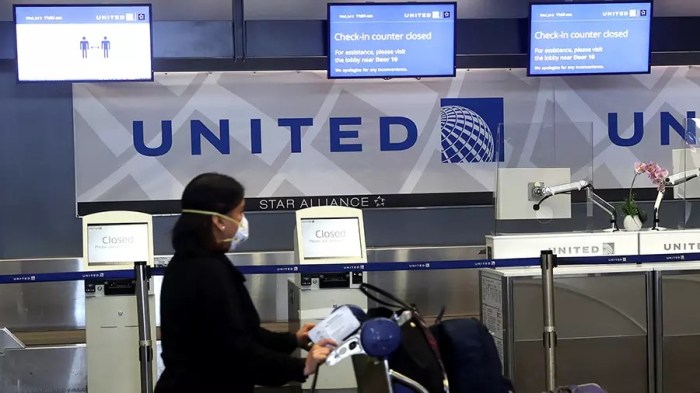
Eliminating change fees presents a significant challenge for airlines, forcing them to rethink their revenue models. This shift necessitates exploring and implementing alternative revenue strategies to maintain profitability. A crucial element in this transition is the understanding of how different pricing models can effectively replace the lost revenue generated by change fees. This exploration will delve into various methods airlines are adopting to generate revenue while embracing a more customer-centric approach.Airlines are increasingly focusing on dynamic pricing strategies, moving away from fixed, flat-rate structures.
This approach allows for more flexible pricing models tailored to market demand, seasonality, and competitor actions. This approach will be crucial for maintaining revenue stability in the post-change-fee era.
Dynamic Pricing Models
Airlines are increasingly employing dynamic pricing models, adjusting ticket prices based on real-time demand. This strategy enables them to maximize revenue by pricing tickets higher during peak seasons or periods of high demand. For example, a flight to a popular vacation destination during a holiday weekend might command a premium price compared to a similar flight on a less popular weekday.
Advanced Booking Discounts
Offering discounts for early bookings is a well-established strategy that incentivizes passengers to book in advance. This model allows airlines to secure revenue earlier and forecast demand more accurately. This strategy can encourage passengers to book well in advance to get better deals, and airlines can better manage their inventory.
Tiered Loyalty Programs
Airlines can offer tiered loyalty programs with progressively higher benefits for frequent flyers. This approach encourages repeat business and allows airlines to segment customers based on their spending habits. Rewards programs with higher tiers can provide substantial value, potentially enticing customers to fly more often with the airline.
Bundling and Add-ons
Airlines can bundle travel packages with optional add-ons like meals, baggage allowances, and seat selection. This approach provides customers with greater flexibility and value, and allows airlines to generate revenue from additional services. The option of choosing add-ons, such as meals or seat selection, can be offered in bundles with different prices, increasing revenue potential.
Targeted Promotions and Marketing
Airlines can target promotions and marketing campaigns to specific demographics or customer segments, offering tailored deals to increase ticket sales. This approach focuses on attracting specific customer groups, for example, families or business travelers, with targeted offers that align with their needs.
Pricing Model Comparison and Revenue Estimation
| Pricing Model | Description | Estimated Revenue Impact (Example – assuming 10% increase in ticket sales) |
|---|---|---|
| Dynamic Pricing | Adjusting prices based on real-time demand | Potential for 10-15% increase in revenue |
| Advanced Booking Discounts | Offering discounts for early bookings | Potential for 5-10% increase in revenue from advance bookings |
| Tiered Loyalty Programs | Offering progressively higher benefits for frequent flyers | Potential for 5-10% increase in revenue through repeat business |
| Bundling and Add-ons | Bundling travel packages with optional add-ons | Potential for 5-10% increase in revenue from ancillary services |
| Targeted Promotions | Tailored promotions for specific customer segments | Potential for 5-10% increase in revenue through targeted marketing |
Note: The estimated revenue impact is a general example and can vary significantly based on specific market conditions, airline strategies, and customer response.
Industry Trends and Predictions
The air travel industry is undergoing a period of significant transformation, driven by evolving passenger preferences, technological advancements, and the lingering effects of the pandemic. Airlines are adapting to these changes, and the removal of change fees, as seen with Delta and United, is just one example of how companies are responding to shifting consumer expectations. Understanding these trends and predictions is crucial for navigating the future of air travel.
Current Industry Trends in Air Travel
The air travel industry is witnessing a shift towards greater flexibility and personalized experiences. Passengers are increasingly demanding more control over their travel plans, leading to a rise in demand for seamless booking and rescheduling options. This is particularly evident in the growth of budget airlines and the rise of online travel agencies (OTAs), offering diverse choices to consumers.
Environmental concerns are also impacting the industry, with growing emphasis on sustainable practices and the use of alternative fuels. Efforts to reduce carbon emissions are becoming a key factor in airline operations and marketing strategies.
Future Predictions About Travel Demand and Pricing
Travel demand is expected to continue growing, driven by factors like increasing disposable income, improved economic conditions, and a desire for exploration. However, pricing models are expected to become more dynamic and personalized, adjusting based on factors such as time of year, day of the week, and even demand from specific customer segments. Airlines may increasingly utilize data analytics to understand passenger preferences and tailor pricing accordingly.
The rise of alternative travel options, like high-speed rail, is also expected to influence travel patterns and pricing. For example, the introduction of high-speed rail lines between major cities may reduce air travel demand for shorter distances, potentially affecting pricing in those routes.
Examples of Recent Changes and Innovations in the Industry
Several recent changes reflect the industry’s adaptation to evolving passenger needs. The integration of mobile technologies into travel processes, enabling passengers to check in, manage bookings, and access flight information via mobile apps, is a prime example. The rise of direct-to-consumer booking platforms is also a significant trend, allowing passengers to bypass traditional travel agents. This allows airlines to control the customer journey and gather data on passenger preferences, potentially influencing future pricing and service strategies.
Additionally, airlines are investing heavily in improving in-flight experiences, offering more entertainment options, and implementing new amenities to attract passengers.
Influence of Technology on Travel and Pricing
Technology is significantly impacting both travel and pricing strategies. Real-time data analytics allows airlines to track passenger behavior, anticipate demand fluctuations, and adjust pricing dynamically. The rise of artificial intelligence (AI) and machine learning (ML) further enhances these capabilities, enabling airlines to personalize pricing and offers to individual customers. Furthermore, advanced booking systems and mobile apps simplify the entire travel process, allowing passengers to manage their bookings with greater ease.
For example, AI-powered chatbots can provide instant support and address passenger queries, significantly improving the customer experience.
Predicted Effects on Airline Operations and Customer Behavior
The elimination of change fees is likely to influence both airline operations and customer behavior. Passengers may become more flexible with their travel plans, potentially leading to more last-minute bookings. Airlines might adjust their operational strategies to accommodate higher levels of booking and cancellation fluctuations. This may involve more dynamic crew scheduling, more flexible seat allocation, and potentially more efficient ground handling procedures.
Customer behavior may also change, with passengers potentially making more frequent and last-minute travel arrangements, potentially impacting the overall airline revenue strategy.
Predicted Changes in Travel Patterns and Airline Pricing (Next 5 Years)
| Year | Travel Pattern Prediction | Airline Pricing Prediction |
|---|---|---|
| 2024 | Increased demand for leisure travel, particularly in emerging destinations. | Dynamic pricing based on real-time demand, with potential for personalized pricing based on customer data. |
| 2025 | Growth in domestic travel, especially between major cities. | Continued use of data analytics to optimize pricing strategies, potentially leading to more frequent promotional fares. |
| 2026 | Expansion of “experiential” travel, focusing on unique and curated travel packages. | Increased use of personalized pricing models, incorporating factors like customer loyalty and past travel history. |
| 2027 | Growing adoption of sustainable travel options, such as electric aircraft. | Potential for tiered pricing models reflecting environmental considerations. |
| 2028 | Increased use of alternative transportation methods in certain routes, impacting demand. | Pricing adjusted based on competition from alternative transportation methods. |
Last Point
In conclusion, the elimination of change fees by United and Delta Airlines, in response to COVID-19, represents a significant shift in the airline industry. This decision had a substantial impact on passenger behavior, pricing models, and the industry as a whole. The future of air travel will undoubtedly be influenced by this change, with airlines seeking new strategies to maintain revenue and cater to evolving customer expectations.