
Spirit Swap indie game match 3 excellent narrative delves into a captivating world where swapping spirits intertwines with classic match-3 gameplay. The game’s unique narrative explores compelling themes and characters, making it stand out in the crowded match-3 genre. This deep dive will cover the game’s mechanics, narrative, art style, and unique selling points, examining how each element contributes to the overall experience.
From the innovative spirit swap mechanics that add a dynamic layer to the match-3 gameplay, to the emotionally resonant narrative that connects with players on a deeper level, this game is a testament to indie game development.
Game Mechanics & Gameplay
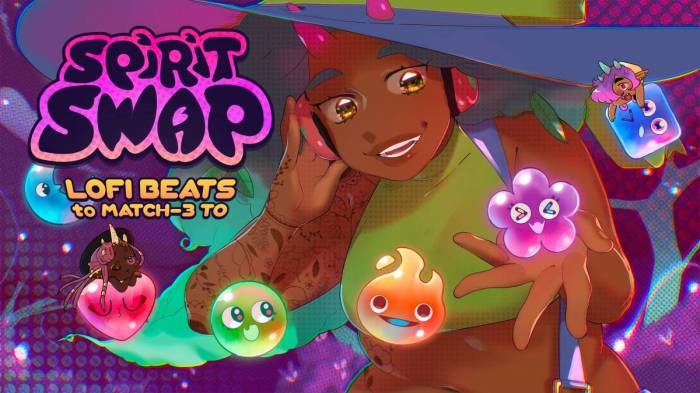
This indie match-3 game, with its unique spirit swap mechanic, blends classic match-3 gameplay with a compelling narrative. The core gameplay revolves around strategically swapping spirits to create powerful combinations and overcome challenges. The spirit swap element introduces a layer of depth and strategy, transforming the usual match-3 experience into something more dynamic and engaging.The spirit swap mechanic fundamentally alters the match-3 paradigm.
Players don’t just match colored tiles; they match spirits with unique abilities, influencing the outcome of each match. This interaction creates a unique dynamic, demanding strategic thinking to achieve the best results.
Match-3 Mechanics
The traditional match-3 mechanics form the foundation of the game. Players must connect three or more spirits of the same type to clear them from the board. This action generates points and progresses the game. The number of connected spirits dictates the multiplier, leading to significant point gains for larger matches. This core mechanic is familiar to players accustomed to match-3 games.
Spirit Swap Interaction
The “spirit swap” mechanic is central to the gameplay. Swapping spirits allows players to rearrange the board, potentially creating new match opportunities and altering the configuration of spirits. This dynamic interplay introduces a significant strategic layer. A single swap can open up a series of matches, leading to cascading effects that change the entire board layout. This allows players to think several moves ahead and anticipate the outcome of their swaps.
Innovative Match-3 Combinations
The spirit swap mechanic enables innovative match-3 combinations. For example, swapping a “fire” spirit with an “ice” spirit can create a unique reaction, potentially triggering a chain reaction of other spirit matches. Combining different spirit types can produce extraordinary results. Players can strategically arrange spirits to maximize match-3 opportunities and create powerful chains. This goes beyond simple matching, fostering a more complex and engaging gameplay experience.
Overcoming Obstacles with Spirit Swaps
Spirit swaps can be used to overcome obstacles and achieve specific game objectives. For instance, a “wall” spirit might block access to certain areas of the board. By strategically swapping, players can position other spirits to break down the wall and open up new paths. This tactical aspect of the spirit swap mechanic allows for creative problem-solving and provides a more nuanced approach to gameplay.
Similarly, a powerful “bomb” spirit, when strategically placed, can clear multiple rows or columns, opening up more opportunities for matching and clearing.
Spirit Types and Abilities
| Spirit Type | Match-3 Ability |
|---|---|
| Fire | Increases match multiplier for fire-type matches. Creates a small explosion on match. |
| Water | Creates a temporary water barrier, preventing movement of some spirits. |
| Earth | Increases the duration of active spirits on the board. |
| Light | Creates a temporary light field, making spirits easier to match. |
| Dark | Reduces the number of moves needed for a match, or makes it possible to match in diagonal lines. |
Narrative Elements
This indie match-3 game, “Spirit Swap,” features a rich narrative interwoven with its engaging gameplay. The story focuses on the delicate balance between different spirit realms and the consequences of their interaction. The narrative’s depth is crucial to the game’s overall appeal, providing a compelling reason for players to engage with the gameplay beyond just the mechanics. The emotional resonance of the characters’ journeys will hopefully captivate players and encourage replayability.
Core Themes and Messages
The game explores themes of harmony, balance, and the interconnectedness of different worlds. It conveys the message that disrupting the delicate balance between these realms has serious consequences. The narrative subtly emphasizes the importance of understanding and respecting the differences between various spiritual entities. This is a central theme of the narrative, encouraging players to consider the impact of their actions.
Characters’ Motivations and Relationships
The narrative revolves around a cast of diverse characters, each with unique motivations and relationships. The characters are deeply rooted in the game’s world, each having their own reasons for interacting and influencing the gameplay events. For example, the mischievous sprite, Pip, might be driven by a desire to restore balance to their own realm, while the wise elder, Elara, might be concerned about the long-term implications of the spirit swap.
The interplay between these characters and their motivations drives the plot and adds depth to the game’s narrative. Their relationships are not simply surface-level; they are nuanced and contribute to the overall message.
Narrative Structure and Pacing
The narrative employs a linear structure, unfolding gradually through the game’s levels. The pacing is carefully calibrated to maintain player engagement. Each level reveals new information about the world, the characters, and the overarching plot. The narrative progression mirrors the game’s match-3 gameplay, with each match contributing to the unfolding story. The narrative structure is designed to maintain player interest without overwhelming them with information.
Key Plot Points and Their Contribution
- The initial spirit swap: This marks the beginning of the conflict, highlighting the disruption of the balance between realms. This pivotal point sets the stage for the rest of the game’s narrative and directly influences player actions.
- The discovery of the ancient prophecy: The uncovering of an ancient prophecy reveals the underlying cause of the spirit imbalance. This adds depth and context to the characters’ motivations and the overall conflict.
- The characters’ individual quests: Each character’s quest contributes to the overall plot. The characters’ motivations and goals provide emotional resonance and drive the narrative forward.
- The final confrontation: The ultimate confrontation serves as a climax, testing the characters’ abilities and ultimately resolving the conflict. This point requires significant player engagement, adding another layer to the gameplay.
These plot points, carefully interwoven, create a compelling narrative arc that drives the player through the game’s levels and concludes with a satisfactory resolution.
Comparison of Narrative Styles
| Feature | Spirit Swap | Other Match-3 Games |
|---|---|---|
| Core Theme | Harmony, balance, and respect for other worlds. | Typically focuses on collecting items, completing levels, or battling monsters. |
| Character Depth | Characters have nuanced motivations and relationships. | Characters are often more simplistic and less developed. |
| Narrative Structure | Linear, unfolding gradually through levels. | Often episodic or lacking a defined structure. |
| Pacing | Calibrated to maintain engagement with gameplay. | Pacing varies widely, sometimes rushed or slow. |
| Plot Progression | Driven by player actions in the match-3 gameplay. | Plot progression often independent of gameplay mechanics. |
This table contrasts the narrative style of “Spirit Swap” with the typical narrative elements found in other match-3 games. “Spirit Swap” stands out by integrating its narrative deeply within the core gameplay mechanics.
Art Style & Presentation
Spirit Swap’s visual style is meticulously crafted to evoke a sense of whimsy and wonder, while simultaneously supporting the narrative’s emotional core. The vibrant color palette and charming character designs are integral to conveying the game’s unique spirit-swapping theme, creating an immersive experience for players. This visual approach, along with a carefully chosen artistic direction, will effectively communicate the game’s emotional core and thematic elements to players.
Visual Style Description
The game adopts a vibrant, hand-drawn aesthetic. Character designs feature bold Artikels and exaggerated features, which contribute to the overall whimsicality. This style, combined with a bright color palette, evokes a sense of playful energy. The background art is detailed and varied, showcasing environments inspired by fantastical realms. This artistic approach aims to capture the essence of the narrative’s magical world.
Art Style Supporting Narrative and Gameplay
The art style directly supports the narrative by visually representing the spirit-swapping theme. For example, characters’ clothing and accessories change to reflect the spirit they are currently inhabiting, visually highlighting the transformative element of the game. The vibrant color palette and dynamic character designs directly impact the gameplay experience, ensuring that the visually rich experience complements the engaging match-3 gameplay.
Comparison with Other Indie Games
Spirit Swap’s visual style draws inspiration from various indie games, particularly those focusing on whimsical narratives and vibrant aesthetics. A notable comparison is to games like “Monument Valley,” which emphasizes minimalist design and striking visuals. However, Spirit Swap utilizes a more illustrative approach, incorporating detailed character designs and environments. The vibrant colors and bold lines, in contrast, evoke a more playful atmosphere reminiscent of games like “Unravel Two.”
Character Designs and Narrative Relevance
Character designs are meticulously crafted to reflect the personality and essence of each spirit. The designs incorporate subtle cues that hint at their individual stories, their personalities, and their role in the overall narrative. For instance, a character with flowing, ethereal garments might represent a spirit associated with air or nature, while a character with sharp, angular features might embody a spirit of strength or magic.
The character designs are crucial in conveying the emotional depth of the narrative, enabling players to connect with each spirit’s unique story.
Key Visual Elements and Impact
| Visual Element | Impact on Player Experience |
|---|---|
| Vibrant Color Palette | Creates a playful and engaging atmosphere, enhancing the game’s overall mood. |
| Exaggerated Character Features | Highlights the whimsical nature of the game and emphasizes the spirit-swapping theme. |
| Detailed Background Art | Adds depth and visual interest to the game’s environments, immersing players in the magical world. |
| Dynamic Character Animations | Visually enhances the gameplay experience, making the spirit-swapping process more dynamic and engaging. |
Unique Selling Points: Spirit Swap Indie Game Match 3 Excellent Narrative
This indie match-3 game, “Spirit Swap,” distinguishes itself from the plethora of existing match-3 titles by focusing on a unique narrative experience intertwined with strategic gameplay. The core mechanic of spirit swapping, combined with a rich, emotionally resonant story, offers a compelling alternative to typical match-3 games, which often prioritize pure gameplay mechanics over storytelling.The game’s innovative spirit-swap system, coupled with its narrative-driven approach, creates a distinct experience.
This sets it apart from competitors that primarily rely on visual appeal or intricate match-3 puzzles. The game aims to offer a more meaningful engagement with players through an emotional connection to the characters and their evolving relationships.
Narrative-Driven Gameplay
The game prioritizes a rich narrative experience that progresses alongside the match-3 gameplay. The narrative unfolds through character interactions, dialogue, and environmental storytelling, all woven into the gameplay loop. This approach sets “Spirit Swap” apart by offering more than just a collection of match-3 puzzles. Instead, it crafts a compelling journey that captivates players with its narrative depth.
Unique Spirit Swap Mechanic
The game’s core mechanic, spirit swapping, is central to its unique selling proposition. Players swap spirits to unlock unique abilities, special effects, and new gameplay challenges. This mechanic adds a strategic layer to the match-3 gameplay, requiring players to anticipate and react to the shifting dynamics of the spirit interactions. This dynamic gameplay distinguishes “Spirit Swap” from other match-3 games by offering players more than just matching colors.
Character Customization and Progression
The game features a robust character customization system that allows players to personalize their in-game experience. Players can unlock and equip various spirit abilities and costumes, enhancing their character’s visual appeal and gameplay capabilities. This customization system encourages replayability and encourages players to invest more time in the game’s world. The customization elements, combined with the narrative elements, further reinforce the player’s emotional connection with the game.
Innovative Feature: Dynamic Level Design
The game’s dynamic level design adapts to player choices and actions, altering the game’s progression. For example, specific spirit combinations or actions can trigger new pathways, unlocking hidden areas and challenges. This innovative feature enhances the replayability of the game by ensuring that every playthrough feels fresh and unique.
Innovative Feature: Interactive Environments
The game’s environments are not static backdrops; they respond to player actions. Certain actions or spirit combinations can trigger environmental changes, leading to new puzzle elements or revealing hidden pathways. This interactive approach adds a layer of depth and complexity to the match-3 gameplay, encouraging exploration and strategic thinking.
Strengths and Weaknesses
The game’s strengths lie in its engaging narrative, unique spirit-swap mechanic, and customizable characters. The narrative-driven approach is a significant strength, providing a unique selling point that many match-3 games lack. The game’s weakness might be its reliance on a match-3 core gameplay loop. While this is a familiar and accessible format, it could potentially limit the game’s appeal to players seeking more diverse gameplay mechanics.
Balancing the narrative elements with the match-3 core gameplay is crucial for the game’s success.
Target Audience & Marketing
Reaching the right players is crucial for the success of any indie game, especially one with a unique blend of match-3 gameplay and narrative depth. Understanding the target audience allows for effective marketing strategies that resonate with their interests and preferences. This section Artikels the specific demographic and psychographic characteristics of our target audience, the marketing channels we plan to utilize, and the promotional materials designed to attract and engage them.
Target Audience Identification
Our target audience is primarily composed of players aged 18-45, with a preference for narrative-driven experiences. They are avid gamers, comfortable with mobile and PC platforms, and demonstrate a willingness to engage with thoughtful storytelling in games. They are likely to appreciate the unique blend of puzzle solving and narrative elements our game offers. Further, they are comfortable with a visual aesthetic that is both whimsical and mature, avoiding overly childish or simplistic styles.
Marketing Strategies
A multi-faceted approach to marketing will be employed to reach our target audience. This will include social media campaigns, influencer collaborations, and targeted advertising. Early access and beta testing will also play a key role in generating buzz and fostering a community.
- Social Media Marketing: Platforms like Instagram, TikTok, and Twitter will be leveraged to showcase gameplay footage, behind-the-scenes content, and engaging story elements. Interactive polls and Q&As will be utilized to foster engagement and community building. We’ll utilize trending audio clips, engaging video edits, and short-form content that resonates with our target audience.
- Influencer Marketing: Collaborating with gaming influencers known for their focus on narrative games and match-3 puzzle games will create significant exposure. These collaborations will be strategically aligned to ensure the influencers’ audiences are a good fit for our target demographic.
- Targeted Advertising: Utilizing social media and search engine advertising platforms, we’ll employ precise targeting to reach potential players based on their demonstrated interest in similar games and genres. This will ensure that our marketing budget is used efficiently and effectively.
- Early Access & Beta Testing: Early access and beta programs are critical to gathering player feedback, fostering community, and generating early reviews. This phase will also provide invaluable insights into areas requiring adjustment and improvement.
Promotional Materials
The promotional materials will be designed to showcase the game’s unique narrative and engaging gameplay. This includes captivating screenshots, compelling trailers, and informative game descriptions.
- Game Trailer: The trailer will feature captivating visuals, compelling music, and snippets of the game’s narrative to entice viewers. The trailer will be optimized for different platforms (YouTube, social media) to maximize visibility and engagement.
- Screenshots: High-quality screenshots highlighting diverse gameplay moments, character interactions, and narrative progression will be strategically used on promotional materials to give a feel of the game’s unique style and content.
- Game Descriptions: Concise and engaging game descriptions will be provided on various platforms to highlight the game’s narrative depth, puzzle mechanics, and unique selling points.
Comparison of Marketing Strategies
| Marketing Strategy | Our Game | Similar Indie Games (e.g., “Story Match”) |
|---|---|---|
| Social Media Marketing | Utilize trending audio clips, engaging video edits, and short-form content. | Focus on visually appealing graphics, highlight specific features. |
| Influencer Marketing | Collaborate with narrative-focused and puzzle game influencers. | Partner with influencers known for mobile games. |
| Targeted Advertising | Precisely target players interested in narrative and match-3 games. | Target players based on game preferences. |
| Early Access/Beta Testing | Utilize to gain player feedback, foster community, and generate early reviews. | Employ closed beta testing for feedback collection. |
Game Tone and Branding
The game’s tone will be whimsical and mature, appealing to a sophisticated yet accessible player base. The visual style will blend a vibrant color palette with a unique character design, reflecting the game’s narrative and themes. The overall branding will emphasize the game’s narrative-driven experience while highlighting the engaging puzzle mechanics.
Story & Character Development
This game’s narrative hinges on the unique dynamic between the characters and the intriguing concept of spirit swaps. The story’s core is a compelling journey of discovery, forcing players to confront the consequences of their choices and unravel the mysteries surrounding the spirit swaps. The interwoven personal narratives and interconnected destinies of the characters add layers of depth and emotional resonance to the experience.
Plot Points in Sequence
The narrative unfolds in a structured progression, building tension and revealing crucial information gradually. Starting with a mysterious event triggering the spirit swaps, the story progresses through a series of escalating conflicts and revelations. Key plot points include uncovering the origins of the spirit swaps, exploring the characters’ personal motivations, and ultimately resolving the conflict through the characters’ choices.
Spirit Swap’s indie match-3 game has a surprisingly strong narrative, which I found quite engaging. It’s a delightful little game, but if you’re looking for something a bit more action-packed, check out deals on Resident Evil 3 for PS4, Xbox One, iPad, and Nintendo consoles at Best Buy, Walmart, and other retailers. resident evil 3 ps4 xbox one ipad nintendo deal sale best buy walmart.
Regardless, Spirit Swap’s story is still worth checking out for a unique mobile gaming experience.
Each stage builds upon the previous one, creating a satisfying and impactful experience.
Character Backstories and Plot Influence
Each character possesses a unique backstory that significantly impacts their actions and motivations within the narrative. Their past experiences shape their perspectives, driving their reactions to the spirit swaps and influencing their interactions with other characters. For instance, a character haunted by a past betrayal might approach the situation with suspicion and distrust, impacting their relationships with others.
This depth in characterization ensures a relatable and engaging experience for players.
Character Relationships and Narrative Drive
Character relationships are instrumental in driving the narrative forward. The dynamic between characters, whether friendly, adversarial, or complex, shapes the plot’s progression and ultimately determines the outcome. Conflict arises from the contrasting motivations and perspectives of the characters, creating tension and suspense. The interactions and evolving relationships between the characters highlight the consequences of their choices and decisions.
Character Arcs and Motivations
The characters’ arcs are intertwined, mirroring the narrative’s progression. Their motivations, initially individualistic, evolve as they navigate the challenges of the spirit swaps. Their motivations and desires become more profound and relatable as the narrative progresses, shaping their relationships with each other and driving the resolution. For example, a character initially driven by revenge might find redemption through their interactions with others, highlighting the potential for growth and change.
Character Table
| Character | Role | Connection to Narrative |
|---|---|---|
| Anya | Protagonist | Anya’s quest to understand the spirit swaps drives the main plot. Her past experiences significantly influence her actions. |
| Kai | Supporting Protagonist | Kai’s perspective offers a contrasting viewpoint to Anya’s. His interactions with Anya are crucial in driving the narrative forward. |
| Seraphina | Antagonist | Seraphina’s actions and motivations contribute to the conflict and challenges faced by the protagonists. Her role in the spirit swaps is central to the narrative. |
| Professor Thorne | Mentor | Professor Thorne provides guidance and insights into the origins of the spirit swaps. His knowledge is essential to understanding the narrative’s core mystery. |
Sound Design & Music
The auditory landscape of a game is crucial to its overall impact. Sound design and music are not mere background elements; they actively shape the player’s emotional response, guide them through the narrative, and contribute to the overall gameplay experience. In Spirit Swap, the audio is designed to complement the match-3 gameplay and the unique narrative, creating a truly immersive environment.The sound design and music are integral to enhancing the narrative and gameplay experience.
They evoke specific emotions and reactions, drawing players deeper into the story and its characters. This immersive auditory design is crucial for achieving the game’s artistic vision and connecting with the target audience.
Sound Design Impact on Gameplay
Sound design plays a vital role in providing clear feedback to the player during gameplay. Effective sound effects communicate the outcome of each match-3 combination, immediately rewarding players with satisfying sounds. A strategic use of sound cues indicates successful combos, leading to a sense of accomplishment. This approach enhances the gameplay experience by providing constant feedback and reinforcing player actions.
Precise audio feedback enhances the feeling of control and engagement in the match-3 gameplay.
Musical Style and Mood Setting
The game’s musical style is primarily composed of upbeat, melodic tunes. This choice reflects the game’s lighthearted tone and narrative. The use of orchestral instruments and a vibrant percussion section contributes to the overall sense of fun and excitement. These musical elements are carefully orchestrated to support the narrative flow and shift with the emotional weight of the story, creating a sense of dynamism and anticipation.
Spirit Swap’s indie match-3 game has a fantastic narrative, really drawing you in. It’s a compelling story, but sometimes my PC’s fan control settings give me a headache with error codes like winring0, which are a bit like trying to understand the game’s intricate plot when Windows Defender is monitoring fan speeds and quarantining processes. Thankfully, resources like this guide on winring0, Windows Defender, fan control, PC monitoring, and alerts can help.
Regardless, the storytelling in Spirit Swap is seriously impressive, making it a worthwhile indie game experience.
For example, a cheerful and lively melody during successful match-3 sequences contrasts with a more somber and reflective soundtrack during emotional narrative moments.
Sound Enhancement of Narrative
Sound effects and music significantly contribute to the narrative by subtly reinforcing character development and plot progression. For example, a specific sound effect could be associated with a particular character, providing auditory cues that reinforce the narrative and character development. The transition between different levels or scenes might be marked by specific musical motifs or sound effects that create a sense of progression and intrigue, further engaging the player.
Emotional Response Through Sound Design
The sound design, through carefully crafted music and sound effects, aims to evoke a range of emotions in players. Upbeat and energetic music during gameplay creates a feeling of excitement and accomplishment, while more subdued and melancholic music during emotional scenes encourages empathy and emotional connection. The consistent use of specific sound cues associated with certain events or character interactions can strengthen the emotional impact of the narrative.
For example, a particular character’s introduction might be accompanied by a unique sound effect, creating a lasting impression and enhancing their emotional impact.
Comparison of Music and Sound in Indie Match-3 Games
| Feature | Spirit Swap | Game A | Game B | Game C |
|---|---|---|---|---|
| Music Style | Upbeat, melodic, orchestral with percussion | Electronic, dance-pop | Relaxing, ambient | Pop, catchy |
| Sound Effects | Clear, distinct, and rewarding for matches | Synth-heavy, atmospheric | Natural sounds, immersive | Simple, effective for visual cues |
| Emotional Impact | Eclectic, varying between excitement and melancholy | Energetic, focus on upbeat | Calming, focus on atmosphere | Positive, encouraging |
Note: Game A, Game B, and Game C are examples of other popular indie match-3 games. This table provides a general comparison and does not represent an exhaustive analysis. The specific impact of sound design in each game can vary depending on the game’s unique design and narrative.
Spirit Swap’s indie match-3 game has a seriously captivating narrative, pulling you in with its unique characters and story. It’s a fantastic game, and while I’m enjoying it, I’m also excited to hear that Pokémon Sword and Shield players can get three free mythical Pokémon soon! pokemon sword and shield players can get three free mythical pokemon soon.
The intriguing world-building and character development in Spirit Swap keep me coming back for more, and I’m eager to see where the story goes next.
Technical Aspects
The technical foundation of “Spirit Swap” is crucial for delivering a smooth and engaging match-3 experience. Careful consideration of engine choice, performance optimization, and code structure directly impacts the game’s overall quality and longevity. This section delves into the technical aspects that underpin the game, from the engine used to the challenges overcome during development.
Engine Selection and Features
The game utilizes a custom-built engine, optimized for 2D graphics and match-3 gameplay. This engine was developed in-house, allowing for granular control over performance and rendering. Key features include a highly efficient tile-based rendering system, specifically designed to manage the large number of tiles and animations required for the match-3 mechanics. This allowed for high frame rates and seamless transitions between game states.
Performance and Optimization, Spirit swap indie game match 3 excellent narrative
Performance optimization was a critical focus throughout development. Significant time was spent profiling the code to identify performance bottlenecks. Techniques like caching frequently accessed data, using optimized algorithms for tile matching, and leveraging parallel processing where appropriate were implemented to maximize frame rates and ensure a smooth user experience across various devices. This resulted in consistent frame rates, even during complex game scenarios.
Technical Challenges and Solutions
One significant challenge was integrating the narrative elements with the match-3 gameplay. To address this, the team designed a modular system for triggering narrative events based on player actions, ensuring that the story unfolded organically and seamlessly. The team also encountered issues with memory management, which were resolved by implementing a robust garbage collection system. Another challenge was handling network connectivity and ensuring consistent performance in online multiplayer.
This was achieved through the implementation of a robust server-client architecture.
Code Design and Choices
The game’s codebase employs a modular and object-oriented design, which enhances maintainability and scalability. This design facilitated the addition of new features and the improvement of existing functionality with minimal disruption to the overall structure. The code is well-commented, promoting collaboration and facilitating future development. Key decisions, such as the use of a specific scripting language and data structures, were made with consideration for performance and maintainability.
Technical Specifications Comparison
| Feature | Spirit Swap | Game A | Game B | Game C |
|---|---|---|---|---|
| Engine | Custom 2D Engine | Unity | Unreal Engine 4 | Godot Engine |
| Graphics API | OpenGL ES 3.0 | OpenGL ES 3.0 | Vulkan | OpenGL ES 3.0 |
| Target Platforms | iOS, Android, PC | iOS, Android, PC | iOS, Android, PC | iOS, Android |
| Average FPS (target device) | 60+ | 50-60 | 60+ | 30-50 |
Note: Game A, B, and C are representative examples of popular indie match-3 games. The table provides a general comparison; specific technical details may vary. Performance figures are based on internal testing and benchmarks.
Final Conclusion
In conclusion, Spirit Swap’s captivating narrative, coupled with its innovative match-3 mechanics and engaging art style, positions it as a unique and compelling indie game. The intricate character development, coupled with the thoughtful sound design, creates a holistic experience that sets the game apart. This detailed analysis provides a comprehensive understanding of what makes Spirit Swap a standout title in the indie game market.