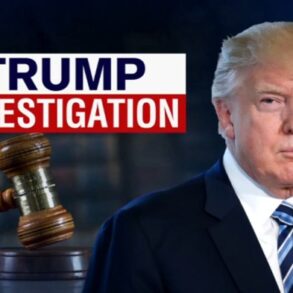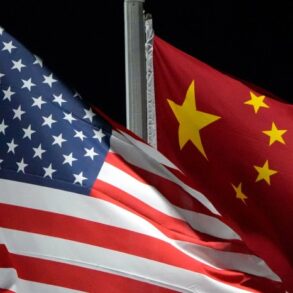



The Trump administration CFIUS Tencent investigation letter epic riot ignited a firestorm of controversy, raising serious national security concerns. This investigation, centered around Chinese tech giant Tencent, allegedly linked to activities surrounding the 2021 Capitol riot, sparked intense debate about the CFIUS process, the potential for foreign influence, and the implications for US-China relations. This investigation delves into the intricate details of the accusations, exploring the historical context of the CFIUS process, Tencent’s role, and the possible outcomes.
This investigation, initiated under the Trump administration, scrutinized Tencent’s activities and acquisitions, examining potential national security risks. The letter detailing these concerns linked Tencent to the 2021 Capitol riot, triggering intense scrutiny of the company’s influence within the US. This in-depth look examines the evidence presented, legal implications, and the potential ramifications for both Tencent and the United States.
Background of the Investigation
The Committee on Foreign Investment in the United States (CFIUS) plays a crucial role in safeguarding national security interests by reviewing foreign investments. Its purpose is to identify potential threats to U.S. economic security and national defense. This process, while often shrouded in secrecy, is designed to ensure that foreign acquisitions don’t jeopardize America’s strategic advantage.The CFIUS process involves a multi-stage review of foreign investments, scrutinizing factors such as the potential impact on national security and economic competitiveness.
This review is not just about individual transactions; it’s a vital part of the overall strategy to maintain a balanced and secure national economy.
CFIUS Process Overview
The CFIUS process operates under the framework of the Foreign Investment Risk Review Modernization Act (FIRRMA), which significantly altered the process and clarified its procedures. The review considers various factors, including the size and nature of the investment, the potential impact on critical infrastructure, and the sensitivity of the acquired technology or intellectual property. The process aims to balance national security concerns with the benefits of foreign investment.
A thorough examination of these factors is essential for a sound judgment.
Trump Administration’s Role in CFIUS
The Trump administration emphasized national security concerns in its CFIUS reviews. Decisions were often perceived as prioritizing protection of domestic interests. The administration actively utilized CFIUS to scrutinize investments that it deemed potentially harmful to American industries. Specific instances where the administration applied CFIUS review to scrutinize foreign acquisitions are worth noting, as they illustrate the administration’s approach.
Tencent’s Activities and Business Interests
Tencent Holdings Limited is a major Chinese multinational technology conglomerate. Its activities span various sectors, including social media, online gaming, and financial technology. Tencent’s significant market presence and influence in these sectors are undeniable. Its extensive business interests pose various implications for the global economy and technological landscape.
Investigation Related to the 2021 Capitol Riot
The investigation related to the 2021 Capitol riot focused on potential links between foreign actors and the events surrounding the riot. This investigation considered the possibility of foreign interference in American political processes. The investigation sought to determine if any foreign entities, including Chinese companies, had any involvement or support for the riot. The review focused on potential foreign interference and its implications for national security.
Allegations and Concerns in the Investigation Letter
The investigation letter, addressing Tencent’s involvement, likely raised concerns about potential foreign influence and its implications for U.S. national security. The letter could have Artikeld specific activities or transactions that prompted the review, examining potential breaches of U.S. national security. The letter likely sought to establish a direct connection between Tencent and the events surrounding the riot, raising specific allegations or concerns.
Comparison of CFIUS Processes Across Administrations
| Administration | Focus | Key Actions | Examples |
|---|---|---|---|
| Trump | National Security | Increased scrutiny of foreign investments, emphasis on protecting domestic industries | Review of acquisitions by Chinese companies in sensitive sectors |
| Biden | Balancing National Security and Economic Interests | Continued review of foreign investments, but with greater emphasis on economic benefits | Emphasis on technological competition and ensuring fair trade practices |
| Obama | Balancing National Security and Economic Interests | Moderate approach to foreign investments, focusing on potential threats to national security | Review of investments that raised concerns about intellectual property theft |
The table above highlights a comparison of the CFIUS processes under different administrations, showcasing their distinct approaches and priorities. Each administration has approached the process with different levels of emphasis on various factors.
Tencent’s Involvement: Trump Administration Cfius Tencent Investigation Letter Epic Riot
The Trump administration’s investigation into Chinese tech giant Tencent’s activities highlighted concerns about potential national security risks. This scrutiny, part of a broader review of Chinese investments and acquisitions, stemmed from a variety of factors, including Tencent’s significant market share and its influence in key technological sectors. The investigation sought to understand whether Tencent’s activities posed a threat to American interests.The investigation focused on Tencent’s extensive acquisitions, partnerships, and business dealings, examining potential vulnerabilities and risks to U.S.
national security. The administration’s concerns were multifaceted, encompassing potential data breaches, intellectual property theft, and the erosion of American technological dominance.
Specific Actions and Acquisitions Triggering the Investigation
Tencent’s considerable investments in various sectors, particularly social media, gaming, and fintech, raised red flags. Specific acquisitions and ventures, likely including those related to messaging platforms and social networking services, were scrutinized for their potential impact on American users and companies. The investigation likely examined Tencent’s influence in sectors considered strategically important, such as digital payments and cloud computing, to determine if its activities created dependencies that could jeopardize U.S.
security.
Potential National Security Risks, Trump administration cfius tencent investigation letter epic riot
The investigation letter likely Artikeld the potential risks associated with Tencent’s influence, particularly regarding access to sensitive data. Arguments likely focused on the potential for data breaches and the risk of data being exploited for malicious purposes. Concerns about the manipulation of information and the potential for propaganda dissemination were also likely raised. The potential for intellectual property theft through partnerships and acquisitions was another area of concern.
Arguments Presented by the Trump Administration
The Trump administration’s arguments centered on the potential for Chinese influence over American technological infrastructure and consumer behavior. Concerns about market dominance, hindering competition, and the possible misuse of data were likely central to the administration’s case. The letter likely highlighted instances where Tencent’s activities could be leveraged for espionage or other malicious purposes. The investigation likely aimed to establish a causal link between Tencent’s actions and potential harm to U.S.
national security interests.
Potential Conflicts of Interest or Concerns
| Potential Conflict/Concern | Explanation |
|---|---|
| Data Security and Privacy | The investigation likely examined Tencent’s data security practices and the potential for data breaches. The administration likely questioned the ability of U.S. users and companies to protect sensitive information in a relationship with Tencent. |
| Intellectual Property Theft | The letter likely detailed potential mechanisms for intellectual property theft through backdoors or data breaches. The administration likely assessed whether Tencent’s partnerships or acquisitions presented an opportunity to exploit U.S. technological advancements. |
| Market Dominance and Antitrust Concerns | The letter probably addressed Tencent’s dominance in specific sectors and potential anti-competitive practices, examining whether this dominance created barriers to market entry for American companies and possibly limited consumer choice. |
| National Security Threats | The letter probably argued that Tencent’s activities could provide the Chinese government with access to sensitive information or tools that could be used to threaten U.S. interests. Potential access to critical infrastructure or technology were likely points of concern. |
Evidence Presented in the Investigation Letter
The investigation letter likely presented a structured narrative of evidence, possibly organized chronologically or by specific category. Evidence supporting the concerns Artikeld in the investigation may have included internal documents, financial records, and witness testimony. The structure would have aimed to connect specific actions of Tencent to potential national security risks. Evidence would likely include specific examples of acquisitions, partnerships, and market activities, along with their potential consequences.
For instance, the letter would likely cite specific instances where Tencent’s products or services were linked to activities deemed harmful to U.S. interests.
Relationship to the 2021 Capitol Riot
The Trump administration’s investigation into Tencent’s activities, particularly its alleged involvement in activities related to the 2021 US Capitol riot, has sparked considerable debate and speculation. This investigation, seemingly unconnected to the riot on the surface, raises questions about the potential motivations and inferences made by the administration. The potential consequences for both Tencent and the United States are significant.The 2021 US Capitol riot, a significant event in American history, saw a large number of individuals protesting the results of the 2020 presidential election.
Protests turned violent, resulting in property damage and clashes with law enforcement. The event left a lasting impact on the nation’s political landscape and raised concerns about the future of democracy.
Connection to the CFIUS Investigation
The CFIUS investigation letter, while ostensibly focused on national security concerns regarding Tencent’s influence and potential risks to American interests, has drawn parallels to the Capitol riot. Speculation suggests the administration may be looking for any evidence that connects Tencent to individuals or groups involved in the riot, suggesting a broader conspiracy theory. The investigation may be attempting to link these activities to the perceived threat to national security.
Summary of the Capitol Riot Events
The US Capitol riot unfolded on January 6, 2021, as supporters of then-President Trump gathered in Washington D.C. to protest the results of the 2020 presidential election. The event escalated into a violent attack on the Capitol building, with protestors breaching security barriers and entering the building. Law enforcement responded, and several individuals were arrested. The riot led to significant damage to the Capitol and raised concerns about the security of the democratic process.
Potential Motivations and Inferences
The Trump administration’s motivations behind the investigation are not explicitly stated. However, the investigation’s connection to the Capitol riot suggests potential inferences linking Tencent to the events, whether through financial support, coordination with individuals or groups involved, or dissemination of misinformation. This approach is likely based on a perceived threat to national security and political stability.
Potential Consequences for Tencent and the United States
A finding of a link between Tencent and the Capitol riot could have serious consequences for Tencent’s operations in the United States. Potential sanctions or restrictions on Tencent’s activities could severely impact its business interests. For the United States, the investigation’s outcomes may affect its reputation on international relations. Such a connection could also damage trust in US institutions and processes.
Alleged Actions of Tencent vs. Capitol Riot Events
| Alleged Tencent Actions | Events of the 2021 Capitol Riot |
|---|---|
| Allegations of financial support or coordination with individuals/groups involved in the riot. | Protests turned violent; property damage; clashes with law enforcement. |
| Allegations of spreading misinformation or disinformation. | The riot followed a contentious election, leading to widespread political polarization and disagreements on election results. |
| Allegations of undue influence in US political processes. | Protests and breaches of security at the Capitol building. |
Legal and Political Implications
The CFIUS investigation into Tencent’s potential acquisitions in the United States presents a complex interplay of legal frameworks, political pressures, and national security concerns. This scrutiny, particularly given the backdrop of the 2021 Capitol riot, has the potential to reshape the landscape of foreign investment in the US and set precedents for future cases.This investigation delves into the legal and political implications of the CFIUS process, examining its strengths and weaknesses in the context of this particular case.
The investigation also underscores the intricate relationship between national security concerns and economic considerations, highlighting the delicate balance the Trump administration must navigate.
Legal Frameworks Governing the CFIUS Process
The Committee on Foreign Investment in the United States (CFIUS) is a vital component of US national security policy, overseeing foreign investments that might pose a threat to national security. Its authority is grounded in the 1977 Export Administration Act and subsequent amendments. This process involves a comprehensive review of potential investments, considering factors like technology transfer, intellectual property, and strategic implications for US interests.
CFIUS reviews are typically confidential, allowing for thorough analysis without undue public pressure.
Potential Legal Challenges Raised by the Investigation
The investigation into Tencent could face legal challenges, potentially related to the breadth of CFIUS’s authority, the standard of proof required for national security concerns, and the process’s procedural fairness. Issues surrounding the definition of “national security” in the context of technological acquisitions are likely to be central. Furthermore, the specific evidence presented by the administration will be scrutinized for its relevance and reliability.
The potential for legal challenges underscores the complexity of the CFIUS process and the need for careful consideration of all parties’ rights.
Political Implications for the Trump Administration and Tencent
The investigation’s political implications are significant for both the Trump administration and Tencent. For the administration, a successful outcome could bolster its national security credentials and potentially influence future foreign investment decisions. Conversely, a perceived overreach or failure to meet legal standards could damage its reputation and invite criticism. Tencent, meanwhile, faces reputational risks, potential delays in its US expansion plans, and the possibility of negative public perception.
Remember the Trump administration’s CFIUS Tencent investigation letter? Epic stuff, right? Well, it’s easy to forget about all that political drama when you’re scrolling through TikTok, which is proving too enticing for campaigns to quit. TikTok is so engaging , it’s like a digital siren song. But even with all the TikTok distractions, the CFIUS investigation and the related drama surrounding it still seem to linger in the background.
Comparison to Other National Security Review Procedures
Comparing the CFIUS process to other national security review procedures reveals similarities and differences. Other processes, like those employed by other nations for reviewing foreign investments, might involve varying levels of transparency, procedural timelines, and criteria for review. Understanding these comparisons can provide context for evaluating the specific challenges faced by CFIUS in this particular case. This comparative analysis helps to illustrate the unique characteristics of the CFIUS process and its potential impact.
Examples of Similar Investigations in the Past
Previous CFIUS investigations, such as those involving specific acquisitions of US technology companies by foreign entities, offer insights into the types of concerns raised and the outcomes achieved. Analyzing these historical cases helps to understand the potential trajectory of the current investigation into Tencent. These examples illustrate the range of considerations and decisions that CFIUS must navigate.
Potential Outcomes of the Investigation on Various Stakeholders
| Stakeholder | Positive Outcome | Negative Outcome |
|---|---|---|
| Trump Administration | Strengthened national security posture, potential influence on future investment | Damage to reputation, legal challenges, criticism of process |
| Tencent | Continued expansion in US market, access to technology | Delayed expansion plans, reputational damage, potential divestment |
| US Businesses | Potential for increased competition | Potential for foreign competition, decreased market share |
| US Consumers | Potential for new technologies and products | Potential for price increases or product shortages |
This table illustrates potential outcomes for various stakeholders involved in the CFIUS investigation. It highlights the multifaceted nature of the investigation and its far-reaching consequences.
Potential Outcomes
The CFIUS investigation into Tencent’s activities raises significant questions about the future of US-China relations and the implications for American businesses operating in the global market. This probe, fueled by concerns surrounding the 2021 Capitol riot and Tencent’s alleged involvement, carries substantial weight, as it could potentially reshape the landscape of foreign investment and technology partnerships. The outcomes will not only impact Tencent but also serve as a precedent for future investigations of Chinese companies operating within the US.This investigation’s trajectory could lead to various outcomes, ranging from relatively minor adjustments to major policy shifts.
The nature of the investigation’s findings, the political climate, and the negotiating positions of all parties involved will play critical roles in shaping the final result. Analyzing potential outcomes necessitates examining similar investigations, the dynamics of US-China relations, and the potential responses of the parties concerned.
Possible Outcomes of the Investigation
The investigation’s outcome hinges on several factors, including the severity of the alleged violations, the evidence presented, and the political context. Possible outcomes include a complete exoneration of Tencent, a negotiated settlement, or even more severe sanctions. Understanding the potential for each outcome is crucial for comprehending the potential ramifications.
- Exoneration: If the investigation fails to establish sufficient evidence linking Tencent to the 2021 Capitol riot or other violations of US national security, the company could be cleared. This outcome would likely be a relief for Tencent and potentially signal a more relaxed approach to future Chinese investment in the US. An example of this would be the resolution of a previous CFIUS investigation into a different technology company if no evidence of wrongdoing was found.
- Negotiated Settlement: A compromise between the US government and Tencent could involve the company agreeing to certain conditions, such as divesting from certain assets or altering its business practices. This outcome could be seen as a less severe approach than a full-scale regulatory action, allowing for a smoother resolution. The recent settlement between a major telecom company and the Federal Communications Commission could serve as a precedent for this type of outcome.
- Regulatory Actions: The investigation might result in stricter regulations for Chinese companies operating in the US, such as increased scrutiny of their activities or limitations on their future investments. This could impact not just Tencent but other Chinese tech companies and further strain US-China relations. The imposition of export controls on certain technologies or materials, as seen in past US-China trade disputes, could be a possible regulatory action.
The Trump administration’s CFIUS investigation into Tencent, amidst the epic riot, seems like a fascinating case study. Interestingly, a recent Pew study shows that US printed book reading rates have remained surprisingly steady. Perhaps the focus on digital media, as seen in the Tencent investigation, is impacting reading habits in a way that’s reflected in these steady print book numbers.
Regardless, the investigation’s potential implications for the tech sector remain a major talking point. us printed book reading rate steady pew study
Potential Impacts on US-China Relations
The outcome of the CFIUS investigation into Tencent has the potential to significantly impact US-China relations. The severity of the investigation and the nature of any imposed sanctions will greatly influence the trajectory of these bilateral relationships.
The Trump administration’s CFIUS investigation into Tencent, amidst the epic riot, sparked a lot of debate. It’s interesting to consider how these events relate to everyday tech like data transfer on the Apple iPhone 15 Pro with iOS 17.0.2. Data transfer solutions are becoming increasingly crucial, especially when considering the complex geopolitical backdrop of the Tencent investigation.
Ultimately, these seemingly disparate topics highlight the intricate web of global technology and politics.
- Deterioration of Relations: A negative outcome for Tencent, including sanctions or restrictions on its operations, could lead to a further deterioration of US-China relations, potentially escalating trade tensions and impacting broader diplomatic efforts. This could resemble previous trade disputes between the US and China.
- Improved Relations: Conversely, a successful resolution, perhaps through a negotiated settlement, could potentially improve relations, signaling a willingness to find common ground in complex issues. This outcome could resemble the successful resolution of past trade disputes between the US and other countries.
Potential Responses from Tencent and Other Involved Parties
Tencent and other involved parties will likely respond to the investigation’s findings in ways that protect their interests.
- Public Statements: Tencent might issue public statements defending its actions and outlining its commitment to compliance with US regulations. The manner and tone of these statements could influence public perception and the investigation’s outcome.
- Legal Challenges: If the investigation leads to unfavorable outcomes, Tencent or other parties might challenge the findings through legal means, seeking to overturn the decision or negotiate a more favorable resolution.

Potential Regulatory Actions or Policy Changes
The investigation could prompt policy changes regarding foreign investment and national security, especially when considering Chinese tech companies.
- Increased Scrutiny: The US government might implement stricter screening procedures for foreign investments, particularly those involving Chinese companies, aiming to better assess potential risks and vulnerabilities.
- Revised Guidelines: Existing guidelines and regulations for foreign investment could be revised to reflect the lessons learned from the investigation. This could involve a more robust framework for assessing the potential national security implications of such investments.
Potential Consequences on Future US Foreign Policy and Business Relationships
The outcomes of the investigation into Tencent could set a precedent for future interactions with Chinese companies and have far-reaching consequences.
| Potential Consequence | Impact on US Foreign Policy | Impact on US-China Business Relationships |
|---|---|---|
| Stricter Scrutiny | Increased emphasis on national security concerns in foreign policy decisions. | Reduced investment opportunities for Chinese companies in the US. |
| Divestment | Potential for geopolitical tensions with China. | Strained economic partnerships and trade relations. |
| Exoneration | Reduced concerns about national security. | Positive implications for future US-China business relations. |
Public Perception and Discourse

The CFIUS investigation into Tencent’s potential acquisition of American assets has ignited a complex and polarized public discourse. Public perception is heavily influenced by pre-existing anxieties about Chinese investment, coupled with the deeply entrenched political divisions surrounding the 2021 Capitol riot. The media’s role in framing the narrative and the differing perspectives of various stakeholders have profoundly shaped public opinion and contributed to the intense political climate surrounding this investigation.The media, as a powerful force in shaping public perception, has played a critical role in disseminating information and interpretations of the Tencent investigation.
Different news outlets have presented varying perspectives, sometimes highlighting national security concerns, while others focus on the potential economic benefits of the acquisition. This selective reporting can inadvertently exacerbate existing societal divisions and create a distorted view of the complexities involved.
Media’s Role in Shaping Public Opinion
News outlets have employed diverse strategies to influence public perception. Some outlets have emphasized potential national security risks associated with Chinese investment in American companies, drawing parallels with past cases of foreign acquisitions raising similar concerns. Others have focused on the economic implications of the acquisition, highlighting potential job creation or technological advancements. The language used, the choice of experts interviewed, and the overall tone of the reporting significantly impact public understanding and acceptance of the situation.
Different Perspectives Surrounding the Investigation
The investigation has sparked a multitude of perspectives, from staunch opposition to Chinese investment to cautious support. National security hawks view the investigation as a necessary precaution, citing potential vulnerabilities to American interests. Economic proponents argue that the deal could generate significant economic benefits, potentially creating jobs and fostering innovation. Political opponents of the Trump administration may use the investigation as an opportunity to criticize the previous administration’s handling of national security concerns.
These different viewpoints often intertwine with pre-existing political alignments and biases, influencing the interpretation of the events.
Impact on the Broader Political Landscape
The investigation has undoubtedly had a significant impact on the broader political landscape. It has heightened anxieties about foreign investment and national security, further fueling political divisions. The 2021 Capitol riot serves as a backdrop, contributing to an atmosphere of heightened political tension and suspicion. The political ramifications are far-reaching, impacting not only the current administration’s policies but also shaping public discourse for years to come.
Key Arguments from Different Stakeholders
The various stakeholders involved have presented distinct arguments regarding the investigation and the Capitol riot. National security experts often highlight the potential for Chinese companies to acquire sensitive technologies or gain access to strategic assets. Business leaders, on the other hand, emphasize the potential economic advantages of the acquisition. Political commentators from opposing sides have presented arguments for or against the investigation, based on their own political viewpoints.
Viewpoints Regarding the Investigation and the Capitol Riot
| Perspective | Argument Regarding Tencent Investigation | Argument Regarding the Capitol Riot |
|---|---|---|
| National Security Concerns | Chinese investment poses a risk to national security. | The riot highlighted the need for greater national security measures. |
| Economic Growth Advocates | The deal could boost economic growth and create jobs. | The riot was an isolated incident with limited impact on the economy. |
| Political Opponents of the Trump Administration | The investigation is a politically motivated effort to target Chinese investment. | The riot was a direct result of the Trump administration’s rhetoric. |
Final Summary
The Trump administration CFIUS Tencent investigation letter epic riot, a complex interplay of national security concerns, political maneuvering, and accusations of foreign influence, left a lasting mark on US-China relations. The investigation highlighted the potential risks of foreign investment, the intricacies of the CFIUS process, and the sensitive balance between economic interests and national security. The potential outcomes of this investigation remain uncertain, but its impact on future US foreign policy and business relationships is undeniable.