BYD Yangwang U9 Xtreme Shatters Records as World’s First Production Car to Break 500 KM/H Barrier

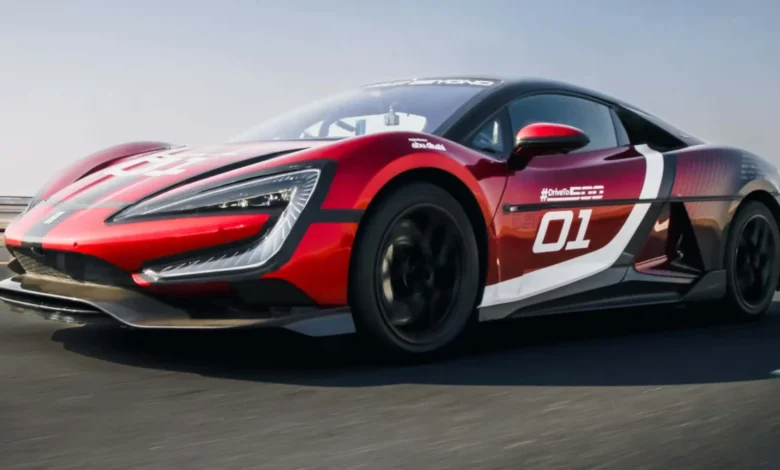
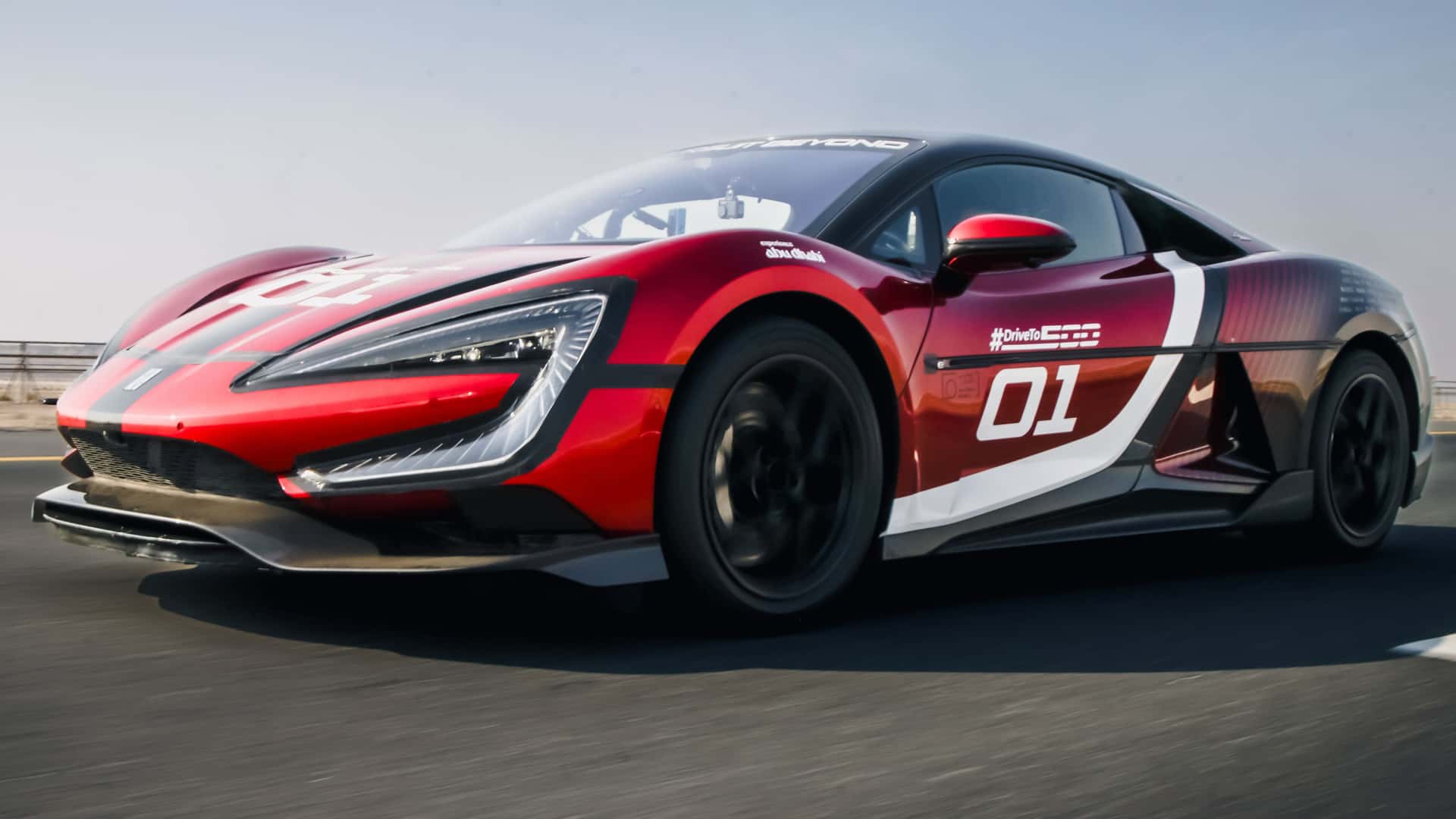
The global automotive landscape has entered a historic new era as Chinese electric vehicle manufacturer BYD officially claims the title of the fastest production car in the world. On November 1, the BYD Yangwang U9 Xtreme—an ultra-high-performance, two-door electric hypercar—surpassed the mythical 500 kilometers-per-hour threshold on a closed public thoroughfare in Abu Dhabi, United Arab Emirates. Reaching a staggering peak velocity of 503.17 kilometers per hour (312.6 miles per hour), the milestone marks the first time in history that a series-production vehicle has crossed the 500-kph barrier, decisively rewriting the record books for both internal combustion engine (ICE) and battery-electric vehicles alike.
The monumental achievement represents the culmination of years of rigorous research, advanced propulsion engineering, and relentless aerodynamic refinement by the Shenzhen-based automaker. For an electric vehicle to achieve speeds once reserved for specialized aerospace applications or heavily modified dragsters highlights the unprecedented maturity and potential of modern high-voltage EV architectures.
Chronology of a Record-Breaking Campaign
The journey to breaking the 500-kph barrier was methodically planned and executed over several months. BYD first signaled its supreme capabilities in September 2025, when a prototype of the Yangwang U9 Xtreme captured global attention by achieving a top speed of 496.22 kph (308.3 mph). While that performance briefly established the vehicle as the fastest car in the world, company leadership made it clear that the ultimate engineering objective remained firmly fixed on surpassing the 500-kph mark.
The record-setting attempt took place on a designated, closed 10-kilometer (6.2-mile) stretch of the E11 highway located within Abu Dhabi’s expansive Al Dhafra Region. Veteran German racing driver Marc Basseng, who had piloted the vehicle during its previous record-setting runs, was once again entrusted with the steering wheel. The multi-day campaign required meticulous calibration and exceptional nerve.
On October 31, during the initial phase of testing, Basseng and the engineering team completed their first two runs, pushing the hypercar to a maximum velocity of 490 kph (304.4 mph). Rather than rushing the final attempt, BYD’s technical crew utilized telemetry data gathered from these initial runs to make immediate adjustments. Engineers systematically fine-tuned the vehicle’s active aerodynamics, recalibrated the multi-stage suspension setup, and optimized tire pressures to maximize high-speed stability and mechanical grip.
On the final run of the second day, under optimal track and weather conditions, the sophisticated Racelogic onboard data logging equipment officially captured the historic 503.17 kph (312.6 mph) run, cementing the vehicle’s place in automotive history.
Verification and Global Recognition
In the wake of the successful test, international motorsport and record-keeping authorities swiftly moved to validate the achievement. According to official declarations, the Yangwang U9 Xtreme now holds definitive recognition from Guinness World Records for achieving the highest speed ever recorded by a production vehicle and an electric production car in a single-direction run. Simultaneously, the Fédération Internationale de l’Automobile (FIA) officially confirmed and published the performance figures on its official channels, establishing external validation for the engineering feat.
However, the nature of the record-breaking run has also sparked discussions within high-performance automotive circles. Traditional land speed records, particularly those monitored by bodies like the FIA for absolute production car supremacy, have historically required two consecutive runs in opposite directions over the same course. This bidirectional methodology is designed to neutralize external variables such as elevation changes, tailwinds, headlamps, and atmospheric fluctuations.
Because BYD opted for a single-direction run in Abu Dhabi, industry analysts suggest that traditional hypercar manufacturers—such as Bugatti, Koenigsegg, and Rimac—may scrutinize the achievement or seek to replicate or surpass the milestone under strict bidirectional conditions. Despite potential protocol debates, achieving a velocity in excess of 500 kph on a real-world road surface remains an engineering triumph of the highest order.
Engineering Excellence and Technical Specifications
The engineering architecture underpinning the Yangwang U9 Xtreme is as extraordinary as the top speed it achieved. Production of the ultra-exclusive hypercar will be strictly limited to just 30 units globally, making it an extraordinarily rare collector’s item as well as a technical showcase.
At the core of the U9 Xtreme’s propulsion system are four independent high-performance electric motors that collectively generate a mind-boggling 2,977 horsepower. This immense output is fed by a cutting-edge 1,200-volt lithium iron phosphate (LFP) battery pack engineered specifically to handle extreme discharge rates. Capable of an astonishing 30C discharge rate, the battery can deliver massive bursts of energy instantaneously to sustain the vehicle’s relentless acceleration curve well past the 300-mph mark.
Keeping nearly 3,000 horsepower safely in contact with the tarmac requires specialized supporting hardware. The hypercar is shod in custom-developed semi-slick GitiSport e-GTR2 Pro tires, which were engineered to withstand the extreme centrifugal forces generated at speeds exceeding 500 kph. Braking duties are handled by heavy-duty carbon-ceramic brake rotors paired with high-performance titanium calipers, ensuring the vehicle can shed velocity safely and effectively after completing its high-speed runs.
Industry Implications and Market Context
The success of the Yangwang U9 Xtreme arrives at a critical juncture for the global automotive industry. As traditional Western and European manufacturers navigate the complex transition toward electrification, Chinese automakers like BYD are increasingly demonstrating technological leadership across every segment of the market—from affordable, mass-market city cars to ultra-exclusive, record-shattering hypercars.
While a 30-unit limited-production hypercar is inherently an halo project rather than a volume seller, the trickle-down effect of BYD’s research and development in high-voltage battery chemistry, thermal management, inverter design, and aerodynamic stability will directly benefit the company’s broader consumer lineup. Innovations initially tested on the racetrack and high-speed testing grounds frequently find their way into family sedans, crossovers, and commercial vehicles, accelerating the pace of EV adoption worldwide.
Furthermore, the record serves as a powerful statement of intent. For decades, the pinnacle of internal combustion performance was defined by European and American boutique hypercar builders. By shattering the 500-kph glass ceiling with a battery-electric platform, BYD has demonstrated that the future of ultra-high-performance motoring is not only electric, but increasingly globalized. As competitors evaluate their next moves, the bar for automotive performance has officially been raised to unprecedented heights.