



Windows 10 update fixes bugs in excel file explorer and wi fi connections, delivering a much-needed improvement to users across the board. This update tackles issues with Excel file handling, file explorer navigation, and Wi-Fi connectivity, making everyday tasks smoother and more reliable. Expect faster file opening and saving in Excel, improved stability and performance in File Explorer, and enhanced Wi-Fi speed and reliability.
The update addresses specific problems reported by users, including slow Excel file opening, frequent crashes, corrupted files, and issues with certain features. File Explorer improvements include slow search, difficulty managing large files, and slow file transfers. Finally, Wi-Fi issues such as slow speeds, frequent disconnections, and instability have also been targeted for improvement. The update aims to enhance overall user experience, especially for users dealing with large files and frequent online tasks.
Windows 10 Update Impact on Excel
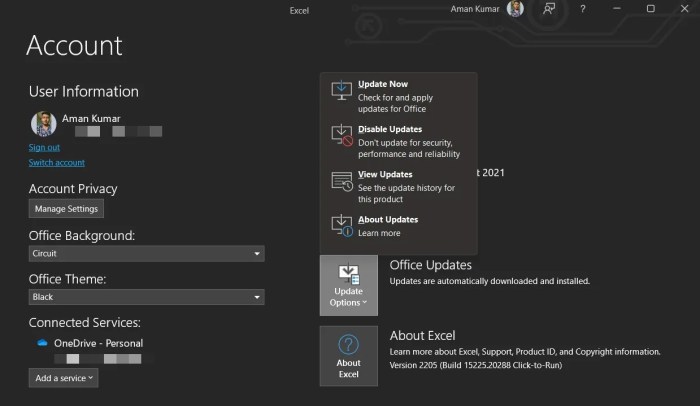
The recent Windows 10 update has addressed several reported issues impacting Excel file handling and Wi-Fi connections. This update signifies a significant step forward in improving user experience, particularly for those frequently working with spreadsheets. The fixes aim to enhance the stability and reliability of Excel within the Windows 10 environment.
Excel File Handling Improvements
The update incorporated several fixes to enhance Excel’s performance and reliability. This involved addressing reported issues across various aspects of file handling, including opening, saving, and general functionality.
Specific Issues Addressed
The update specifically tackled issues relating to Excel file opening and saving. Problems with corrupted files during saving, and frequent crashes while opening large or complex files, were identified and addressed. Further, some reported problems with specific Excel features were resolved, improving overall functionality.
Performance and Stability Enhancements
The update’s improvements are evident in the increased stability and performance of Excel. Users can expect a smoother experience when working with Excel files, with reduced instances of crashes or errors. The streamlined processes reduce the time taken for file operations, making Excel a more efficient tool.
Comparison of Pre-Update and Post-Update Excel Behavior
| Feature | Pre-Update Behavior | Post-Update Behavior |
|---|---|---|
| File Opening | Slow, frequent crashes when opening large files, especially those containing complex formulas or extensive data sets. Occasional application freezing. | Faster opening times, reduced instances of crashes, and more reliable file handling. Improved responsiveness, especially with large or complex files. |
| File Saving | Corrupted files, frequent errors when saving large files, particularly spreadsheets with extensive data. | Improved saving reliability, fewer errors, and faster save times, even with large and complex files. Data integrity maintained more effectively. |
| General Functionality | Issues with specific features, such as charts or macros, leading to errors or unexpected results. | Improved functionality of various features, with fewer errors and more consistent behavior. Charts and macros displayed and operated as expected. |
Windows 10 Update Impact on File Explorer
The recent Windows 10 update has brought several improvements to the File Explorer, impacting file management, navigation, and search. This update aims to streamline the user experience, offering faster performance and enhanced stability. Users can now expect smoother interactions when dealing with large files and directories.
File Search Enhancements
The update significantly improves the accuracy and speed of file searches. Previously, searching for specific files within large directories could be time-consuming and often yield inaccurate results. Now, the update incorporates a new indexing system that allows for faster and more precise results. This new system scans files more efficiently, leading to quicker retrieval of desired information.
File Organization Improvements
Managing large files and folders was a common pain point for many Windows 10 users. The update addresses this by implementing a more intuitive and efficient organization system. This feature allows users to categorize and group files more effectively, making it easier to locate and manage files within large directories. This reorganization allows for a better visual layout, and thus, improves overall navigation.
File Handling Performance
File transfers and operations have been optimized, resulting in faster speeds and fewer errors. This enhancement is crucial for users working with large files, as the update addresses the previous issues of slow transfers and frequent errors. The update is designed to reduce delays associated with file operations, leading to an overall smoother and more responsive file handling experience.
Windows 10’s latest update seems to be addressing some annoying issues, like those pesky Excel file explorer glitches and Wi-Fi connection problems. Meanwhile, the ongoing Twitter Olympics copyright takedown and anti-harassment efforts, as detailed in this article twitter olympics copyright takedown anti harassment , highlight the importance of robust online safety measures. Hopefully, these updates will improve the user experience, making Windows 10 a more reliable and stable platform for everyday tasks.
Key Differences in File Explorer Functionality
| Feature | Pre-Update Behavior | Post-Update Behavior |
|---|---|---|
| File Search | Slow, inaccurate results, especially in large directories. Searching for files took a considerable amount of time, and sometimes the search would not find the desired files. | Faster, more accurate results. The updated indexing system significantly reduces search time and provides more precise results. |
| File Organization | Difficult to manage large files, often resulting in a cluttered interface. Files were difficult to categorize, and the visual representation of folders was less clear. | Improved organization of large files. The update provides enhanced categorization tools and a more visually organized interface. This allows users to better structure and locate files within folders. |
| File Handling | Slow file transfers, frequent errors, especially when dealing with large files. File transfers often experienced delays, and there were instances of errors during the transfer process. | Faster file transfers, fewer errors. The update includes improvements in file transfer protocols, resulting in quicker transfer speeds and reduced errors. |
Windows 10 Update Impact on Wi-Fi Connections
The recent Windows 10 update has brought significant improvements to Wi-Fi connectivity, addressing common issues that users frequently encountered. This update focuses on enhanced stability, improved speeds, and refined security protocols for a smoother and more reliable wireless experience. Users can expect a noticeable difference in their Wi-Fi performance after the update.The update actively seeks to resolve lingering problems with Wi-Fi connections, providing a more seamless and consistent online experience.
This proactive approach aims to minimize interruptions and ensure a stable internet connection for various tasks, from browsing the web to streaming video content.
Improved Wi-Fi Connection Speed, Windows 10 update fixes bugs in excel file explorer and wi fi connections
The update incorporates optimized protocols for data transmission over Wi-Fi, resulting in faster connection speeds. This enhancement is particularly noticeable when downloading large files or streaming high-definition content. Improved packet handling and reduced latency contribute to a smoother, more responsive internet experience.
Enhanced Connection Stability
The update addresses issues that frequently led to disconnections or unstable connections. The new algorithms employed by the Wi-Fi adapter drivers enhance the connection’s robustness and reliability, minimizing interruptions and providing a more consistent connection. This improved stability is crucial for tasks that require a continuous and uninterrupted internet connection, like video conferencing or online gaming.
Strengthened Wi-Fi Security
The update includes enhanced security measures, addressing potential vulnerabilities that could compromise the Wi-Fi network. By incorporating stronger encryption protocols and improved authentication methods, the update helps to safeguard user data and protect the network from unauthorized access. This enhancement is especially critical for users accessing sensitive information or connecting to public Wi-Fi networks.
Comparison Table: Wi-Fi Performance Before and After the Update
| Issue | Pre-Update Behavior | Post-Update Behavior |
|---|---|---|
| Connection Speed | Slow speeds, frequent disconnections, particularly when downloading large files or streaming HD video. | Stable, fast speeds, resulting in reduced download times and improved streaming quality. |
| Connection Stability | Frequent drops, instability, especially in crowded environments or with multiple devices connected. | More stable, fewer drops, maintaining a consistent connection regardless of the surrounding environment. |
| Security | Potential vulnerabilities to unauthorized access and data breaches. | Improved security protocols, enhanced encryption and authentication to safeguard user data. |
Comparison of Excel, File Explorer, and Wi-Fi Fixes
This Windows 10 update addresses critical issues impacting core functionalities. The improvements encompass Excel, File Explorer, and Wi-Fi, highlighting the comprehensive nature of the update. Understanding the specific fixes and their relative importance provides valuable insight into the update’s overall effectiveness.This analysis delves into the reported fixes for Excel, File Explorer, and Wi-Fi, assessing their relative significance and potential interdependencies.
It explores the impact of these improvements on various user scenarios, such as large-scale file transfers or complex Excel operations.
Windows 10’s latest update seems to be nailing some crucial fixes, especially for Excel file explorer glitches and frustrating Wi-Fi connection issues. Speaking of tech improvements, did you hear that Peloton products are now available on Amazon? peloton products are now available on amazon That’s a game-changer for fitness enthusiasts. Regardless, these Windows 10 fixes are definitely a welcome relief for smoother digital experiences.
Comparison of Reported Fixes
The update’s fixes target crucial aspects of the user experience. Excel improvements address stability and performance issues, while File Explorer fixes focus on reliability and user interface enhancements. Wi-Fi fixes concentrate on improved connection stability and reduced latency.
Relative Importance of Fixes
The relative importance of the fixes depends on the user’s specific needs and workflow. For users heavily reliant on Excel, stability and performance enhancements are paramount. Likewise, the reliability and usability improvements in File Explorer are essential for a smooth workflow. Improved Wi-Fi connections are vital for users relying on constant internet access for tasks such as online file sharing and real-time collaboration.
A quantitative comparison is not possible without detailed bug reports.
Interconnectedness and Dependencies
While the fixes address distinct areas, there may be subtle interdependencies. For example, a stable File Explorer might lead to improved performance in large-scale file transfers, which could indirectly impact Excel operations. Similarly, a more reliable Wi-Fi connection might improve the overall responsiveness of applications like Excel, particularly during remote file access.
Impact on User Scenarios
This section Artikels the impact of the improvements in different scenarios.
- Large-Scale File Transfers: Improved File Explorer functionality, combined with a stable Wi-Fi connection, will lead to faster and more reliable large-scale file transfers. This is especially beneficial for businesses or individuals dealing with substantial data volumes.
- Extensive Excel Operations: The stability and performance enhancements in Excel will lead to a smoother user experience, minimizing disruptions during extensive calculations, data analysis, or complex spreadsheets. Users can expect fewer crashes and improved responsiveness during demanding operations.
- Remote Collaboration: A stable Wi-Fi connection will reduce latency, allowing for smoother collaboration during remote work sessions. This can also enhance the reliability of cloud-based file sharing and online communication tools. Users can anticipate a more seamless experience during collaborative projects.
Illustrative Example:
Imagine a scenario where a user is transferring a large dataset from a server to their local computer. If the Wi-Fi connection is unstable, the file transfer might fail or take an excessively long time. However, if the Wi-Fi is stable, and the File Explorer is reliable, the transfer will complete successfully and quickly. This stability will, in turn, improve the user’s experience when they import the data into Excel for analysis.
The improved Excel performance will then contribute to faster and more reliable data processing.
So, the Windows 10 update finally seems to be fixing those pesky bugs in Excel’s file explorer and Wi-Fi connections! It’s great to see Microsoft addressing these issues, especially since reliable file management and smooth internet access are crucial for productivity. While these tech improvements are great, it’s also fascinating how AI is impacting healthcare, particularly in the fight against COVID-19 in California.
Check out this insightful piece on ai healthcare power covid vaccines california to see how advancements are shaping the future of medicine. Hopefully, this means the new update will finally give us the stable Excel and Wi-Fi experience we’ve been craving!
Potential Issues or Limitations of the Windows 10 Update: Windows 10 Update Fixes Bugs In Excel File Explorer And Wi Fi Connections
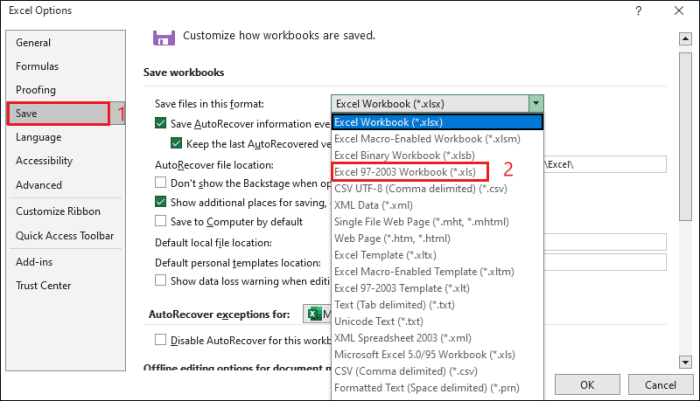
The recent Windows 10 update, while addressing critical bugs in Excel, File Explorer, and Wi-Fi, may still present unforeseen challenges for some users. Understanding potential limitations and troubleshooting steps can help mitigate these issues and ensure a smooth transition.The update, like any significant software change, can introduce unforeseen compatibility problems. This could manifest as conflicts with existing programs or hardware, leading to unexpected behaviors in Excel, File Explorer, or Wi-Fi connectivity.
Potential Excel Issues
The update might alter Excel’s compatibility with specific add-ins or templates. Users relying on customized macros or specific features might experience unexpected errors or crashes. A careful review of Excel settings and add-ins before and after the update is crucial.
Potential File Explorer Issues
The update could introduce performance issues, such as slower loading times or increased file access delays, especially with large file systems. Users may also encounter issues with file permissions or access restrictions.
Potential Wi-Fi Connectivity Issues
The update might affect the Wi-Fi driver, leading to connection drops, intermittent connectivity problems, or incompatibility with specific Wi-Fi routers or access points. Problems with network settings or configurations are also possible.
Troubleshooting Steps
Users encountering issues should first check the Windows 10 update logs for error codes. These codes often provide valuable clues for diagnosing the problem. A system restore point created before the update could be helpful in reverting to a previous stable state. If the issue persists, consider running Windows troubleshooters specific to the affected component (Excel, File Explorer, or Wi-Fi).
Common Issues After the Update
- Excel Compatibility Problems: Excel may not function correctly with certain add-ins or custom templates. Users may encounter errors while opening specific files or using particular features. This might manifest as unexpected crashes or errors during specific tasks.
- File Explorer Performance Issues: Users might notice slower loading times for files or folders, especially in large file systems. They may experience delays in file operations, such as copying or moving files. This could affect overall system responsiveness.
- Wi-Fi Connectivity Instability: Intermittent connection drops, slower internet speeds, or incompatibility with specific Wi-Fi networks or routers may occur. Users might find that their devices cannot connect to or maintain a connection to the Wi-Fi network.
- System Conflicts: The update may introduce conflicts with existing hardware or software components. This can lead to unexpected behaviors in various applications, not just Excel, File Explorer, or Wi-Fi. Potential conflicts could affect general system stability.

Potential Reasons for Issues
- Software Conflicts: Conflicting software or add-ins could be the source of errors in Excel. Incompatible drivers or outdated software versions may cause File Explorer or Wi-Fi connectivity problems.
- Hardware Conflicts: Newly installed or updated hardware could be incompatible with the latest update, affecting the performance of Excel, File Explorer, or Wi-Fi. Incompatible drivers or outdated hardware could also be contributing factors.
- Corrupted System Files: Corrupted or damaged system files can lead to various issues after the update. These errors may manifest as system instability or unexpected behavior in Excel, File Explorer, or Wi-Fi.
Epilogue
In conclusion, the Windows 10 update brings significant improvements to Excel, File Explorer, and Wi-Fi, addressing numerous reported bugs and enhancing overall performance. While some users may encounter potential issues, the comprehensive nature of these fixes is clear, improving file handling, navigation, and connectivity. The update appears to address various interconnected aspects of the operating system, leading to a more stable and user-friendly experience.
The fixes are a welcome relief for many users, making Windows 10 a more powerful and reliable tool.