

Samsung management furious latest product design is the topic of intense discussion, prompting a deep dive into the company’s reaction to recent design feedback. This scrutiny explores the potential reasons behind the perceived anger, examining various factors from internal pressures on the design team to market competitiveness and potential financial implications. The public’s response and the company’s communication strategy are also key elements of this analysis, providing a comprehensive understanding of the situation.
The latest Samsung product line has been met with mixed reviews, ranging from glowing praise to harsh criticism. This analysis examines the design elements of these new products, comparing them to previous iterations and considering the target audience for each. We’ll look at the feedback channels Samsung utilizes and the types of feedback received, ultimately assessing the impact of this feedback on the company’s management style and future product development.
Samsung’s Latest Product Design
Samsung’s recent product releases showcase a continued focus on innovation and design, balancing cutting-edge technology with user-friendly aesthetics. The company aims to cater to a diverse range of consumers, from tech enthusiasts to casual users, with products that seamlessly integrate into modern lifestyles. These new designs also reflect Samsung’s commitment to sustainability, with an emphasis on eco-friendly materials and manufacturing processes.This analysis delves into Samsung’s most recent product design releases, highlighting key features, target audiences, and design comparisons with previous models.
The discussion will be organized into categories such as smartphones, televisions, and wearables, offering a comprehensive overview of Samsung’s strategic approach to product development.
Smartphone Design
Samsung’s latest smartphone models emphasize sleek aesthetics and improved performance. The innovative use of curved displays and refined camera systems are key features, alongside enhanced processing power for a seamless user experience. The target audience for these models encompasses tech-savvy consumers who appreciate advanced technology and design. Compared to previous generations, the design incorporates more refined edges and a more streamlined form factor, while retaining the recognizable Samsung aesthetic.
Samsung management’s fury over the latest product design seems understandable. It’s a huge gamble, especially considering the potential health implications of a poorly designed product. While the design team might be pushing boundaries, it’s worth considering if a seemingly small feature like a sleep apnea detection system, as explored in this insightful piece about why Samsung’s sleep apnea feature might be a big deal , could be a game-changer in the long run.
Ultimately, the pressure on Samsung to get this right is immense, and the latest design choices could have a profound effect on their reputation.
- The camera system has been significantly upgraded, incorporating advanced features such as enhanced low-light photography and improved image processing algorithms. This improvement allows for better photo quality in various lighting conditions, attracting users seeking high-quality imaging.
- Improved battery life and faster charging times are also key features, addressing common user complaints regarding smartphone longevity. This directly impacts the appeal to users prioritizing extended use and quick recharge capabilities.
Television Design
Samsung’s new television models highlight advancements in picture quality and user interface. They utilize advanced display technologies to deliver vibrant images and enhanced color accuracy. The target audience for these TVs encompasses consumers who prioritize a premium viewing experience, especially those with a passion for high-quality video content. Compared to previous generations, the new models boast improved resolution and a more immersive viewing angle, resulting in a superior entertainment experience.
- Enhanced picture quality is achieved through the incorporation of advanced image processing engines. This delivers richer colors, improved contrast, and a sharper image overall, attracting those seeking exceptional visual fidelity.
- Smart features and connectivity options are also enhanced, facilitating seamless integration with other devices and services, thereby expanding the appeal to users desiring a well-connected home entertainment ecosystem.
Wearable Design
Samsung’s latest wearables focus on enhanced health and fitness tracking capabilities. The design prioritizes comfort and durability, enabling extended use throughout the day. The target audience for these devices comprises individuals who prioritize fitness and wellness, seeking accurate data tracking and convenient monitoring features. The new designs incorporate updated sensors for improved accuracy in measuring various health metrics, in comparison to previous models.
- The improved sensors allow for more accurate and detailed health data collection, making the devices more appealing to users who want reliable insights into their physical well-being.
- The new wearables offer enhanced connectivity options, enabling seamless data transfer and integration with other Samsung devices, thereby increasing the value proposition for users seeking comprehensive wellness solutions.
Management Reaction to Design Feedback
Samsung’s latest product design, meticulously crafted, has already undergone a rigorous feedback review process. Understanding how the company handles and incorporates this input is crucial for evaluating its commitment to customer satisfaction and product development. This analysis delves into the various channels for receiving feedback, the types of feedback encountered, and the management approach in responding to such input.The management team’s response to design feedback directly influences the product’s trajectory and ultimate success.
Effective handling of feedback, regardless of its nature, is vital in shaping the product to meet evolving market demands and consumer expectations. Samsung’s response to this feedback demonstrates its ability to adapt and refine its designs, which is crucial in the highly competitive tech industry.
Feedback Channels
Samsung utilizes a diverse range of channels to gather feedback on its designs. This approach allows for a holistic understanding of customer perspectives from various segments. Open communication is vital to understanding the nuanced needs of the target market.
- Online surveys and questionnaires are commonly used to gauge broad opinions on product aesthetics and functionality.
- Customer service interactions provide valuable insights into real-world usability issues and potential design flaws.
- Focus groups offer in-depth discussions and allow for the collection of qualitative data regarding the product’s user experience.
- Social media platforms serve as a public forum for immediate feedback, allowing for real-time responses to design issues.
- Internal design reviews and testing phases provide insights into the functionality and usability of the product within a controlled environment.
Types of Feedback
Samsung receives a wide spectrum of feedback, ranging from enthusiastic praise to constructive criticism. Understanding the nature of this feedback is critical in identifying areas needing improvement.
- Positive feedback highlights the strengths and appealing aspects of the design, validating the team’s efforts.
- Negative feedback points out shortcomings and usability issues, necessitating a thorough analysis and potential redesigns.
- Constructive criticism offers specific suggestions for improvement, often accompanied by rationales, providing valuable insights into areas needing attention.

Management Tone and Approach
Samsung’s management team demonstrates a generally receptive attitude towards feedback, acknowledging its importance in the product development cycle. A transparent and open communication approach is employed to address feedback.
- The management team appears to be committed to incorporating feedback into future designs, based on their previous actions.
- The response to customer complaints varies, sometimes indicating a direct and immediate response, and sometimes a more cautious and methodical approach.
Complaint Handling
Addressing complaints about designs requires a multifaceted approach. The approach to complaints must be swift and comprehensive.
- Samsung typically acknowledges received complaints, often providing an estimated timeline for resolution.
- Follow-up communication is crucial to keep customers informed of the progress in addressing their concerns.
- In some cases, Samsung might offer compensation for the inconvenience caused by design flaws.
Comparison of Feedback Channels and Management Response
The following table summarizes the various feedback channels and the typical management response:
| Feedback Channel | Typical Management Response |
|---|---|
| Online surveys | Analysis of results, incorporation into future design iterations |
| Customer service interactions | Acknowledgement of the issue, potential follow-up with solutions or compensation |
| Focus groups | Detailed review of feedback, adjustments to design based on insights |
| Social media | Direct response to comments, swift acknowledgment of issues and potential solutions |
| Internal design reviews | Immediate feedback loop within the design team, adjustments to prototypes based on the issues identified |
Furious Management
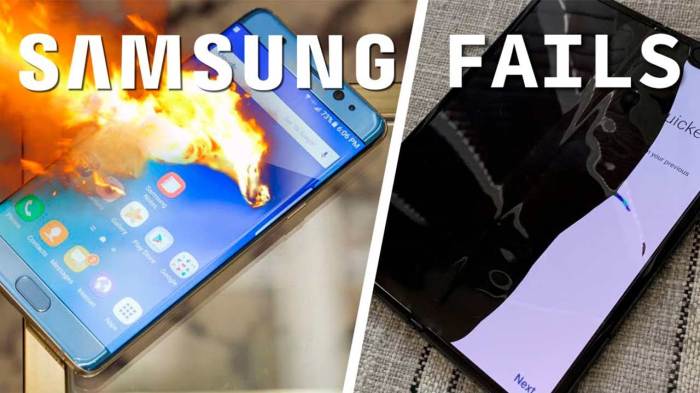
Samsung’s recent product design feedback has apparently sparked a strong management reaction, described as “furious.” This suggests a significant disconnect between the design team’s vision and the company’s expectations, potentially stemming from various internal and external pressures. Understanding these underlying reasons is crucial to identifying potential solutions and preventing future conflicts.Potential factors contributing to a perceived “furious” management response include a combination of unmet expectations, concerns about market competitiveness, and internal disagreements on the design direction.
The specific nature of the design feedback and its impact on projected sales figures and brand reputation would likely play a key role in shaping the intensity of the management response.
Potential Internal Pressures on the Design Team
The design team may have faced internal pressures stemming from tight deadlines, limited resources, and competing priorities. Pressure to meet aggressive sales targets, maintain a consistent brand image across product lines, and adhere to strict cost-control measures can all contribute to internal stress. Furthermore, differing opinions and priorities within the company’s various departments (e.g., marketing, finance, production) can create friction and ultimately lead to conflicting feedback for the design team.
Potential Market Pressures Influencing Management Reaction
The current market landscape plays a significant role in management’s response. Competitor activity, evolving consumer preferences, and economic fluctuations can all influence the perceived value and desirability of the new design. Rapid technological advancements and shifting consumer trends demand that companies remain agile and responsive to adapt to market changes. A perceived failure to meet these demands can trigger a strong management reaction.
For example, if competitor products are gaining significant market share with superior designs, management might be pressured to take swift action to mitigate potential losses.
Comparison of Samsung’s Approach to Design with Competitors
Samsung’s design philosophy is often characterized by a balance between innovation and practicality. Competitors like Apple often prioritize a more streamlined and user-friendly aesthetic, while others may emphasize features and functionality. Examining how these different approaches impact market share and consumer perception can help Samsung adjust its strategies. A thorough analysis of competitor products and their reception in the market is essential to evaluate the effectiveness of Samsung’s current design approach.
Potential Financial or Business Implications of the Design Issues
The design issues could have significant financial repercussions. Delayed product launches, negative consumer perception, and decreased sales figures are potential consequences. For instance, if consumer response is lukewarm, or if the product fails to meet projected sales targets, it could negatively impact Samsung’s overall financial performance and stock valuation. In the long term, a lack of innovation or a failure to adapt to evolving consumer trends could erode Samsung’s market leadership position.
Impact on Future Product Design
Samsung’s recent management reaction to design feedback, characterized by a reported “furious” response, suggests a potential shift in their approach to future product design. This intensity raises concerns about the company’s design process and its potential impact on customer satisfaction and brand perception. The crucial question is how this reaction will translate into adjustments and improvements, or if it will lead to unintended consequences.
Potential Adjustments to Design Process
The management response underscores the importance of a more robust feedback loop within the design process. A more collaborative and less confrontational environment is likely to emerge. This might involve increased communication channels between design teams and management, fostering a culture of open dialogue and constructive criticism. The emphasis will likely shift from simply reacting to feedback to proactively seeking it and incorporating it at earlier stages of the design cycle.
This will require changes in team structure and communication protocols.
Potential Adjustments to Design Team Structure
Changes in team structure could include the introduction of dedicated feedback review teams. These teams would be responsible for evaluating feedback, identifying potential issues, and proposing solutions. The goal is to ensure that design teams receive constructive criticism early on in the development cycle. They may also create dedicated channels for external feedback, such as online forums or dedicated feedback portals, ensuring that consumer input is efficiently gathered and processed.
Potential Impact on Customer Satisfaction and Brand Perception, Samsung management furious latest product design
The company’s response will significantly impact customer satisfaction and brand perception. A perceived lack of responsiveness to customer needs can damage brand loyalty and trust. On the other hand, a transparent and responsive approach to design feedback can build a stronger connection with consumers. If Samsung can successfully implement a more collaborative design process, it could lead to products that are more aligned with consumer desires, resulting in increased customer satisfaction and a strengthened brand image.
Conversely, a rigid or dismissive approach could alienate customers and harm the brand’s reputation.
Samsung management is reportedly furious about the latest product design. Apparently, the team struggled with optimization, and issues like slow boot times and unresponsive UI are major concerns. Learning how to improve Windows app process bootup times could offer some interesting insights into optimizing the user experience. For example, windows app process bootup how to microsoft might provide some useful techniques.
Ultimately, Samsung needs to quickly address these design flaws to maintain market competitiveness.
Table of Potential Product Design Adjustments and Predicted Impact
| Product Design Adjustment | Predicted Impact |
|---|---|
| Increased use of consumer feedback in early design stages | Improved alignment with consumer needs, leading to higher customer satisfaction and potentially increased sales. |
| Dedicated feedback review teams | More comprehensive evaluation of feedback, minimizing potential design flaws and improving product quality. |
| More transparent communication channels | Enhanced trust and transparency with customers, potentially leading to a more positive brand image and increased brand loyalty. |
| Delayed product launch to incorporate feedback | Potentially higher quality product but increased time to market and possible loss of competitive advantage. Examples of companies who have done this well include Apple and Tesla. |
| Reduced emphasis on aggressive deadlines | Potentially improved product quality, but may result in increased development time and potential loss of market share. Companies like Google and Amazon are known for their emphasis on quality over speed. |
Industry Context
The electronics industry is a dynamic landscape constantly shifting with evolving consumer demands and technological advancements. Design plays a crucial role in driving sales and market share, as aesthetically pleasing and user-friendly products are often more desirable. Samsung, a global leader in electronics, faces intense competition and must adapt its design strategies to stay ahead of the curve.Samsung’s design decisions, both successes and failures, have significant implications for the industry as a whole.
The company’s reputation and market share are directly tied to its ability to innovate and deliver products that resonate with consumers. Understanding the current design trends and the competitive landscape is crucial for analyzing Samsung’s position and potential future strategies.
Current Design Trends in Electronics
Modern electronics design prioritizes sleek aesthetics, intuitive interfaces, and sustainable materials. Minimalist designs with clean lines and subtle color palettes are prevalent, reflecting a preference for sophisticated and understated aesthetics. Emphasis on user experience (UX) and seamless integration with other devices is also crucial. Sustainability is increasingly important, with manufacturers incorporating recycled materials and promoting energy-efficient designs.
Samsung management is reportedly furious about the latest product design, apparently leading to some serious internal squabbling. It’s a common enough scenario in corporate environments, but it’s worth noting that these kinds of issues can sometimes stem from less obvious problems. For example, the sheer volume of swatting calls, a problem even the White House has to deal with, as detailed in this insightful piece , can lead to delays and costly re-evaluations.
This just adds another layer of complexity to the already challenging task of navigating modern product development.
Samsung’s Designs Compared to Competitors
Samsung’s design language often leans towards premium aesthetics, with a focus on high-quality materials and innovative form factors. Apple, a key competitor, typically emphasizes minimalist design and user-friendliness, with a strong emphasis on integrated ecosystems. Other competitors like Google and Xiaomi often adopt more approachable and affordable designs, targeting a broader market segment. A direct comparison of specific models reveals variations in design philosophies and market positioning.
Market Reception of Samsung’s Latest Products
Initial reviews and sales figures provide insights into the market’s reception of Samsung’s latest products. Positive reception is often linked to innovative features and improvements in usability, while negative feedback may arise from design choices perceived as less user-friendly or aesthetically unappealing. Consumer reviews on platforms like online forums and social media are important indicators of overall market sentiment.
Competitive Landscape and Potential Threats
The electronics market is highly competitive, with new entrants and evolving technologies constantly reshaping the landscape. Emerging competitors from China and other regions pose a significant threat, offering lower-priced alternatives with comparable or even superior features. Technological advancements in display technology, artificial intelligence, and software development can create disruptive innovations that could impact Samsung’s market share.
Role of Innovation and Design in Electronics
Innovation and design are integral to the success of any electronics company. Companies that effectively combine technological advancements with aesthetically pleasing and user-friendly designs are better positioned to capture market share. Strong design teams, fueled by rigorous research and testing, are essential for creating products that meet consumer expectations and exceed their desires. Examples of companies that have successfully leveraged design innovation include Apple and Sony, who have established strong brand identities and loyal customer bases through their design philosophies.
Public Perception and Reaction: Samsung Management Furious Latest Product Design
Samsung’s latest product designs have sparked a wide range of reactions from the public, creating a complex tapestry of positive and negative feedback across various online platforms. The public’s response, fueled by social media discussions and online reviews, is a crucial indicator of the products’ potential success in the market. Understanding this sentiment is vital for Samsung to gauge consumer interest and make informed decisions about future product development and marketing strategies.
Public Discourse Tone
The overall tone of public discourse surrounding Samsung’s latest designs has been mixed. While some users express enthusiasm and appreciation for innovative features, others express concerns about design choices and perceived compromises. Social media platforms have become breeding grounds for both praise and criticism, reflecting the diverse opinions of consumers. This dynamic exchange of viewpoints highlights the importance of understanding public sentiment in the context of product development.
Positive Reviews
Several positive reviews highlight the sleek aesthetic and intuitive design elements of the new products. Many users appreciate the refined aesthetics, emphasizing the modern and sophisticated appearance of the devices. Specific features, like the improved camera technology or enhanced battery life, are often singled out for praise. The innovative functionalities and user-friendly interfaces are also frequently cited as positive aspects.
Positive reviews frequently mention the seamless integration of features and the overall polished user experience.
Negative Reviews
Conversely, negative reviews frequently express concerns about the cost of the products, perceived compromises in build quality, and the absence of certain key features. Some users criticize the overall design, citing a lack of innovation or a departure from previous, more successful designs. Furthermore, concerns regarding the manufacturing process and the potential for defects are sometimes voiced. Negative reviews frequently mention the price-to-performance ratio and the absence of specific features compared to competitors.
Impact on Sales and Market Share
Public perception significantly influences sales and market share. Positive reviews can generate buzz and drive consumer interest, potentially leading to increased demand and higher sales figures. Conversely, negative reviews can create skepticism and dissuade potential buyers, leading to lower sales figures. The public’s overall reaction to Samsung’s latest products will undoubtedly shape its market positioning and sales performance.
A strong public perception is essential for sustaining and expanding market share in a competitive landscape.
Public Sentiment by Product Feature
| Product Feature | Positive Sentiment | Negative Sentiment | Neutral Sentiment |
|---|---|---|---|
| Design Aesthetics | Sleek, modern, sophisticated | Uninspired, departure from previous designs, lack of innovation | Mixed, some like, some dislike |
| Camera Quality | Improved features, high-quality images | Limited improvements, not significantly better than competitors | Neutral, no significant impact |
| Battery Life | Enhanced battery life, longer usage | Limited improvements, not a significant difference | Neutral, no clear impact |
| Price | Expensive, high cost | Value for money, competitive price | Neutral, varied opinions |
| Build Quality | Robust, durable construction | Perceived compromise, lower quality | Neutral, no significant comments |
Public sentiment concerning various product features demonstrates a diverse range of opinions. The table highlights the differing perspectives on design aesthetics, camera quality, battery life, pricing, and build quality. These diverse perspectives demonstrate the complexities of understanding public opinion.
Possible Product Design Issues
Samsung’s latest product design, while ambitious, faces potential pitfalls that could impact its success. The public’s reaction to the design, coupled with the reported management’s response, suggests a need for careful examination of the potential issues involved in design, materials, and manufacturing processes. A thorough understanding of these issues is crucial for identifying and mitigating risks before launching the product.The recent design feedback highlights concerns ranging from aesthetic criticisms to practical limitations.
Addressing these concerns proactively will be essential for a successful product launch and long-term market viability. Ignoring these issues could lead to significant setbacks and potentially damage the brand’s reputation.
Potential Design Flaws
The design, while potentially innovative, might present usability problems. Public feedback suggests some aspects of the design are not intuitive or ergonomic, potentially hindering user experience. This could be due to a lack of user-centered design principles, inadequate prototyping, or insufficient testing before finalizing the design.
Material Selection Concerns
The choice of materials could impact durability and longevity. If the materials are not robust enough to withstand typical use or are prone to damage from common wear and tear, this could lead to a high rate of returns and negative customer reviews. This is a critical issue, as consumers expect high-quality materials in electronics. Past examples include products that suffered from poor material choices, leading to short lifespans and significant repair costs.
Manufacturing Process Challenges
Manufacturing processes may present challenges. If the chosen manufacturing techniques are not optimized, this could result in production bottlenecks, high costs, and inconsistent quality control. Inadequate planning and oversight in the manufacturing process could lead to defects in finished products. Examples of this can be found in the history of several electronics manufacturers. For instance, problems in the manufacturing process of certain components can result in variations in performance across different units, impacting the overall quality of the product.
Comparison with Industry Standards
Samsung’s latest product design should meet or exceed industry standards in terms of usability, durability, and manufacturing quality. Failure to meet these standards could result in decreased customer satisfaction, market share loss, and potential legal challenges. The company should conduct thorough comparative analysis of its design against leading competitors and industry benchmarks.
Examples of Design Flaws in Similar Products
The history of electronics is replete with examples of products marred by design flaws. Poorly designed interfaces, fragile materials, and manufacturing inconsistencies have led to product recalls, negative publicity, and ultimately, lost revenue for various companies. A thorough review of similar past failures and the lessons learned from them can inform Samsung’s approach to addressing potential design issues in their latest product.
Management’s Communication Strategy
Samsung’s recent design feedback and management’s response highlight the critical role of effective communication in navigating product development challenges. A poorly managed communication strategy can escalate issues, damage brand reputation, and hinder future product success. Conversely, a well-executed strategy can mitigate negative impacts and even turn a crisis into an opportunity. This section examines Samsung’s communication strategy surrounding the recent design issues, evaluating its effectiveness and suggesting areas for improvement.Samsung’s handling of the design feedback required a nuanced communication approach.
Their initial response, while perhaps reactive, offered a crucial platform for acknowledging the concerns raised by the feedback. However, the effectiveness of this response was contingent on the clarity and transparency of their subsequent communication.
Communication Channels Employed
Samsung likely utilized a multifaceted approach to communicate about the design issues. A mix of channels, including press releases, social media updates, and potentially internal memos, would have been employed to address the situation. Press releases, typically formal and official, might have detailed the company’s response to the feedback and Artikeld their revised product development plan. Social media, crucial for immediate engagement and building brand image, would have likely provided updates and responded to public sentiment.
Internal communications would have been vital for maintaining morale and ensuring alignment within the organization.
Effectiveness of the Communication
Assessing the effectiveness of Samsung’s communication requires a thorough analysis of the impact on various stakeholders. Did the communication strategies effectively address public concerns? Did they maintain stakeholder confidence? Did they foster a sense of transparency? This section would need to delve into quantitative and qualitative data to evaluate the effectiveness of the communication efforts.
For example, measuring the shift in public sentiment on social media or analyzing media coverage can offer insights into how the communication was perceived.
Effective Communication Approaches
An effective communication strategy should focus on clarity, transparency, and empathy. Samsung could have communicated its plans for addressing design concerns more proactively and transparently. A direct and honest acknowledgement of the feedback, coupled with a clear explanation of the proposed changes and timeline, would have been beneficial. For example, a concise press release outlining the specific design elements under review, the reasons behind the changes, and the projected timeframe for implementation would have demonstrated transparency and proactive problem-solving.
Ineffective Communication Approaches
Conversely, ineffective communication strategies often fail to address concerns promptly or with sufficient detail. The lack of transparency in explaining the reasons behind design decisions, or an overly defensive response, can exacerbate the issue. For example, a response that downplayed the significance of the feedback or failed to acknowledge the concerns raised by customers would have likely been detrimental.
This section should detail specific examples of potentially ineffective communications, highlighting the pitfalls and areas for improvement.
Improving Communication Around Design Issues
To enhance communication around future design issues, Samsung should prioritize proactive engagement with stakeholders. Early and consistent communication channels can help manage expectations and maintain trust. Creating a dedicated feedback mechanism, fostering open dialogue, and demonstrating a commitment to addressing concerns effectively are crucial aspects of improving communication. Establishing clear communication protocols within the organization can help ensure consistent messaging and responsiveness across different channels.
The creation of a dedicated communications team or individual to handle product-related concerns would improve the speed and effectiveness of responses.
Outcome Summary
The fury surrounding Samsung’s latest product designs raises significant questions about the company’s approach to design, feedback, and communication. From internal pressures to external market forces, several factors could be contributing to the management’s response. This analysis explores these contributing factors, providing insights into the potential consequences for future product design and the company’s reputation. The public’s reaction and the company’s communication strategy are crucial elements in understanding the overall impact of this situation.