


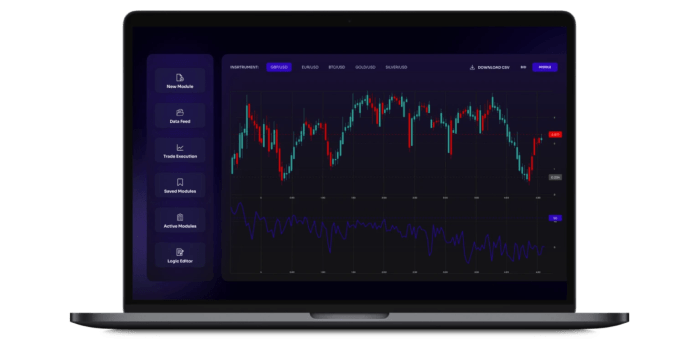
Public app trading stocks live audio sets the stage for this enthralling narrative, offering readers a glimpse into the world of real-time stock market interaction. This dynamic platform blends the convenience of mobile apps with the immediacy of live audio commentary, offering traders a unique perspective on market trends and expert insights. We’ll explore the features, functionalities, and potential impacts of this emerging technology on the stock market.
From defining the various types of stock trading facilitated by these platforms to discussing the security measures in place, we’ll cover a wide range of crucial topics. We’ll also delve into the technical aspects of integrating live audio, the user experience of these apps, and the ethical considerations involved. Expect a comprehensive analysis that covers the potential benefits and drawbacks, as well as illustrative examples and case studies.
Defining Public App Stock Trading: Public App Trading Stocks Live Audio
Public app-based stock trading platforms have revolutionized how individuals access and participate in the financial markets. These user-friendly applications provide a convenient and often cost-effective way to execute trades, monitor portfolios, and gain insights into market trends. Their accessibility has democratized investment opportunities, making it easier for a broader range of people to participate in the stock market.These platforms leverage technology to streamline the entire trading process, from research and analysis to order placement and portfolio management.
The seamless integration of various tools and resources within a single application significantly enhances the user experience, allowing for more informed and efficient trading decisions. The convenience and accessibility of these platforms are crucial factors contributing to their popularity.
Public App Stock Trading Platforms
Public app stock trading platforms provide a comprehensive suite of tools for managing investment portfolios. These platforms are designed to be intuitive and user-friendly, empowering users with a wide range of features.
Features and Functionalities
These platforms typically offer a range of functionalities, including real-time market data, charting tools, news feeds, and research resources. They often allow users to set up alerts for specific stocks or market conditions, enabling them to react promptly to potential opportunities. The ability to track and manage portfolios effectively is a key feature that streamlines the investment process.
- Real-time market data: Access to up-to-the-second stock prices, volume, and other relevant market information is crucial for making timely and informed trading decisions. Real-time data allows users to track market trends and react quickly to changing conditions. For example, observing a significant price spike or a sudden volume increase can signal an emerging trend.
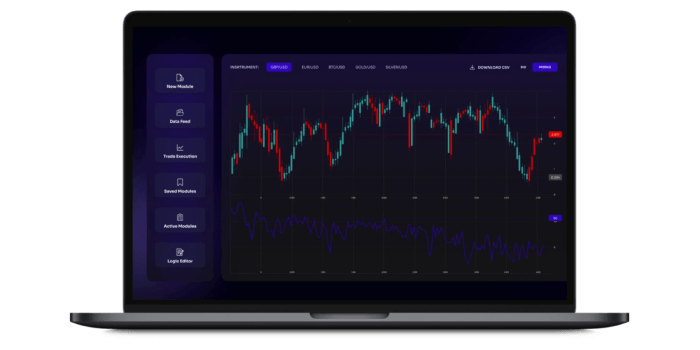
- Charting tools: Visualizing historical price patterns and market trends through charts helps investors identify potential trading opportunities and assess the overall health of a stock. This can include technical analysis tools like moving averages, support and resistance levels, and candlestick patterns. Charts provide a visual representation of the market’s movement, aiding in forecasting and risk management.
- News feeds: Staying informed about market news, company announcements, and economic developments is vital for making sound investment decisions. Access to a curated news feed allows users to stay abreast of relevant events that could impact the market or specific stocks.
- Research resources: Access to company financial reports, analyst ratings, and other research materials allows users to conduct in-depth analysis of stocks and make more informed investment choices. These resources help users understand the fundamental factors driving stock prices.
- Alert system: Setting alerts for specific price movements, market events, or company news allows users to stay ahead of potential trading opportunities. Alerts help investors respond quickly to changes in the market, ensuring they don’t miss important events.
- Portfolio management: Platforms allow users to track their holdings, monitor portfolio performance, and manage trades efficiently. This comprehensive overview enables users to make informed decisions regarding their investment strategies and adapt to changing market conditions.
Types of Stock Trading
Different types of stock trading strategies cater to various investment goals and risk tolerances. Understanding these distinctions is essential for making informed investment decisions.
- Day trading: Involves making short-term trades within a single trading day, often aiming to capitalize on short-term market fluctuations. This strategy requires a deep understanding of market dynamics and a high tolerance for risk.
- Swing trading: A strategy that holds stocks for a few days or weeks, capitalizing on short-term trends and price movements. Swing trading seeks to profit from intermediate-term market fluctuations.
- Long-term investing: This involves holding stocks for an extended period, often years, with the goal of benefiting from long-term growth potential. Long-term investing focuses on the fundamental value of a company and its long-term prospects.
Security Measures
Robust security measures are paramount to protect user accounts and funds in app-based stock trading platforms. These measures are critical to maintaining user trust and confidence in the platform.
- Two-factor authentication (2FA): Adds an extra layer of security by requiring users to verify their identity through multiple channels. 2FA significantly enhances the security of user accounts.
- Encryption: Protecting sensitive data, such as login credentials and transaction details, through encryption techniques safeguards user information from unauthorized access.
- Regular security audits: Thorough security audits help identify and address potential vulnerabilities in the platform, ensuring the safety of user data and funds.
- Compliance with regulations: Adherence to relevant financial regulations and industry standards helps ensure the platform operates within the legal framework, providing a secure environment for users.
Comparison of Popular Platforms
The table below provides a comparative analysis of popular public app stock trading platforms. Evaluating these platforms based on various criteria helps users choose the platform that best suits their needs and preferences.
Following public app trading stocks live audio feeds can be fascinating, but understanding the technical specs of the tools used in such a complex field is also key. For instance, when considering the latest 360-degree camera technology, essential 360 camera features pricing can impact the quality of the live audio feed in those apps. Ultimately, the best public app trading stocks live audio feeds will depend on a mix of factors, including the audio quality and clarity, and the overall reliability of the platform.
| Platform | Strengths | Weaknesses |
|---|---|---|
| Platform A | User-friendly interface, comprehensive research tools | Limited educational resources, potentially higher fees |
| Platform B | Wide range of investment options, competitive pricing | Less intuitive interface, limited customer support |
| Platform C | Excellent customer support, robust security measures | Limited research tools, slightly higher minimum investment |
Live Audio in Stock Trading Apps
Live audio features are increasingly prevalent in public stock trading apps, transforming how investors access and process information. This dynamic element bridges the gap between real-time market data and expert commentary, aiming to enhance the trading experience and provide a more informed decision-making process. The immediacy of live audio allows for instant updates and reactions to market movements, something not possible with static charts or delayed news reports.Live audio in stock trading apps serves as a crucial communication tool, connecting traders with market experts and other users.
This direct interaction can provide critical insights and contribute to a richer understanding of market trends and potential opportunities. The rapid pace of stock trading demands a reliable and accessible information channel, and live audio fulfills this need effectively.
Purpose of Live Audio Features
Live audio features in public stock trading apps are designed to enhance the user experience by providing immediate and relevant information about market conditions. This dynamic approach offers a crucial edge in the fast-paced world of stock trading, enabling traders to react swiftly to changes in the market. The purpose is to offer immediate insights, enabling traders to adjust their strategies in real-time.
Ways Live Audio Can Be Utilized
Live audio in stock trading apps can be leveraged in numerous ways to facilitate informed trading decisions. Market commentary from experienced analysts provides context and interpretation to current market trends, helping traders understand the “why” behind price movements. Real-time updates on significant events impacting specific stocks or sectors provide timely information to make crucial decisions. Expert analysis from seasoned professionals, streamed directly to the platform, offers a crucial perspective on market developments, guiding traders through complex situations and potentially offering early indications of future price movements.
For example, during earnings announcements or significant economic news releases, live audio can provide instantaneous commentary and analysis from experts, allowing traders to adjust their positions based on the immediate implications.
Benefits for Traders
Live audio features offer several benefits for traders, enabling more informed decisions and potentially higher returns. The immediacy of live commentary allows traders to react quickly to market changes, potentially capitalizing on fleeting opportunities. The ability to hear expert analysis provides a critical perspective on market trends, enabling more sophisticated trading strategies. By offering real-time insights, live audio minimizes the risk of lagging behind market developments, a key factor in successful trading.
The access to diverse viewpoints from experts and other traders broadens the range of perspectives available, promoting more robust decision-making.
Following live stock audio on public trading apps is a great way to stay informed. However, sometimes a sleek, foldable phone like the Samsung Galaxy Fold or Apple Fold, might be the perfect device to keep your eyes on the market while you’re on the go. Checking out samsung galaxy fold apple fold foldable phones devices android for the latest specs can help you choose the best option for your trading needs.
Ultimately, these cutting-edge phones are useful for the public app trading stocks live audio experience, providing a convenient way to track market fluctuations and react to changes in real time.
Effectiveness in Different Trading Contexts
The effectiveness of live audio features in stock trading apps varies depending on the context. In high-volume, fast-paced trading environments, such as day trading, the real-time updates and commentary are crucial for reacting swiftly to market changes. In more long-term investment strategies, live audio can offer valuable context and insights, aiding in the development of informed investment strategies.
Live audio can also be particularly useful for new traders, offering a learning environment by providing real-time commentary and analysis from experienced traders.
Pros and Cons of Live Audio
| Feature | Pros | Cons |
|---|---|---|
| Real-time Updates | Provides immediate market feedback | Potential for overwhelming information |
| Expert Analysis | Offers valuable insights | Analyst bias or misinformation |
| Market Commentary | Provides context to market movements | Can be subjective or opinionated |
| Community Interaction | Allows for interaction and learning | Potential for misinformation or noise |
| Accessibility | Enables traders to access information easily | Requires reliable internet connection |
User Experience of Public Stock Trading Apps
The user experience (UX) is paramount in public stock trading apps. A seamless and intuitive interface is crucial for attracting and retaining users, who need to navigate complex financial data and execute trades with confidence. A well-designed app fosters a positive experience, increasing user engagement and ultimately, boosting platform success.The design of public stock trading apps should prioritize ease of use and accessibility for a wide range of users, from novice investors to seasoned traders.
Intuitive navigation, clear visualizations of market data, and straightforward trade execution processes contribute significantly to a positive user experience.
Key Aspects of Intuitive Design
A successful stock trading app prioritizes clear and concise information presentation. Users should easily locate key market data, including real-time stock prices, charts, and news feeds. The layout should be logical and well-organized, allowing users to quickly access the information they need. A user-friendly design fosters a positive experience and reduces the risk of errors.
Examples of Intuitive Interfaces
Several successful apps utilize innovative design elements. For example, interactive charts that allow users to zoom, pan, and compare different timeframes enhance understanding of market trends. Similarly, clear and concise summaries of stock information, including company financials and news, aid in informed decision-making. Real-time data updates, combined with customizable alerts, allow users to stay ahead of market movements.
Importance of User Feedback
User feedback is essential for continuous improvement of the platform. Collecting and analyzing user feedback helps identify areas where the app can be enhanced. This data can inform design choices, feature additions, and overall platform optimization. User reviews, feedback forms, and direct communication channels are crucial in understanding user needs and expectations.
Enhancing User Engagement and Retention, Public app trading stocks live audio
User engagement and retention are directly correlated with a positive user experience. A well-designed app provides a compelling experience that motivates users to actively utilize the platform. Engaging content, such as market analysis and educational resources, fosters user loyalty and encourages continuous use. Additionally, features that offer personalized recommendations based on user preferences increase user engagement.
Table: Key Design Elements Enhancing User Experience
| Design Element | Description | Impact on User Experience |
|---|---|---|
| Clear Information Architecture | Logical organization of information, easy navigation, intuitive menus | Improved efficiency and user satisfaction. Users quickly find the information they need. |
| Visual Clarity | Use of charts, graphs, and other visual aids to present complex information in a clear and understandable way | Enhanced understanding of market trends, improved decision-making, reduced cognitive load. |
| Intuitive Controls | Simple and straightforward controls for executing trades, setting alerts, and managing accounts | Reduced errors, improved efficiency, and greater user confidence in executing trades. |
| Accessibility | Design considerations for users with disabilities, such as alternative text for images and keyboard navigation | Increased inclusivity, wider appeal, and adherence to best practices in app development. |
| Personalization | Features that adapt to user preferences, such as customized dashboards and alerts | Enhanced user engagement, tailored experience, and increased platform loyalty. |
Market Analysis and Insights from Audio
Live audio in stock trading apps provides a unique window into the collective market sentiment and expert analysis. This real-time feedback loop can offer valuable insights into evolving trends and potential opportunities. Understanding how to interpret and leverage these audio discussions is crucial for informed trading decisions.
Potential Benefits of Live Audio for Market Analysis
Live audio commentary allows traders to tap into the collective intelligence of a diverse group. This shared understanding, often forming in real-time, can provide a more comprehensive perspective on market events than traditional sources alone. The immediacy of audio discussions allows for rapid responses to breaking news and market shifts, offering crucial advantages in reacting to changing conditions.
Furthermore, the dynamic nature of live audio fosters a continuous exchange of ideas, allowing traders to quickly assess the implications of new information and adjust their strategies accordingly.
How Audio Discussions Reveal Market Trends
Audio discussions often reveal subtle shifts in market sentiment before they manifest in price movements. The tone and language used in discussions can indicate underlying anxieties, optimism, or cautiousness about particular sectors or assets. A sudden surge in discussions about a specific stock or sector, accompanied by enthusiastic commentary, can suggest an emerging trend that might not be immediately apparent from price charts alone.
Conversely, a predominance of negative or cautious language about a sector can highlight potential risks and warn of upcoming corrections.
Methods for Extracting Actionable Insights from Live Audio Commentary
Several methods can be employed to extract actionable insights from live audio commentary. Note-taking during sessions, focusing on recurring themes and key takeaways, is essential. Identifying the consensus viewpoint, while also recognizing dissenting opinions, helps build a more nuanced understanding. Creating a simple framework for categorizing different opinions, like “bullish,” “bearish,” or “neutral,” can streamline analysis and improve decision-making.
Examples of Successful Market Analysis Derived from Public Audio Trading Sessions
A popular example of successful market analysis is the swift response to unexpected announcements from prominent companies. In a recent session, traders noticed a consistent stream of pessimistic commentary regarding a technology company’s earnings report. This analysis, gleaned from the audio discussion, led to a proactive adjustment of trading positions, allowing traders to capitalize on the ensuing stock price correction.
Table Demonstrating Different Types of Market Analysis from Audio Commentary
| Type of Analysis | Description | Example |
|---|---|---|
| Sentiment Analysis | Determining the overall mood or tone of the discussion regarding a specific asset or sector. | A majority of traders expressing concern about a potential recession could indicate a bearish sentiment towards certain sectors. |
| Trend Identification | Identifying emerging trends and patterns from recurring themes in discussions. | Frequent discussions about a particular sector’s innovative products suggest a potential upward trend. |
| News Impact Analysis | Evaluating the immediate and long-term implications of breaking news based on the audio response. | An unexpected positive announcement regarding a pharmaceutical company’s clinical trial results might elicit significant bullish sentiment. |
| Expert Opinion Synthesis | Combining insights from various experts in the audio discussion to form a comprehensive picture of the market. | Different analysts’ perspectives on a macroeconomic event, like a central bank decision, can be synthesized to formulate a more robust analysis. |
Integration of Trading Platforms and Audio Features
Integrating live audio into stock trading apps is a significant step toward enhancing user experience and providing real-time market insights. This integration demands careful consideration of technical complexities, security protocols, and user experience to ensure a reliable and valuable tool for investors. The ability to access real-time market commentary, expert analysis, and news feeds directly within the trading platform is a major improvement in the investor workflow.This integration involves more than just adding a speaker icon; it necessitates a robust technical framework that supports seamless audio transmission, data privacy, and user interface design.
The successful implementation of such a feature depends heavily on the quality and stability of the underlying infrastructure. Furthermore, the system needs to adapt to fluctuating network conditions and varying bandwidth availability to maintain a consistent user experience.
Public app trading stocks with live audio feeds is definitely buzzing right now. But the recent news about Foxconn’s profit decline, potentially due to a fall in iPhone X demand and their role as an Apple assembler, foxconn profit decline fall iphone x apple assembler , is making investors rethink their strategies. Still, the real-time data on public app trading platforms remains a fascinating way to stay on top of the market fluctuations.
Technical Aspects of Audio Integration
The integration of live audio requires a sophisticated architecture, involving multiple components that work in harmony. A critical aspect is the selection of a reliable audio streaming protocol, such as WebRTC or a dedicated audio streaming API. These protocols must be chosen to ensure low latency and high-quality audio transmission, critical for a seamless user experience. The application needs to handle various audio formats and adjust to different network conditions to avoid disruptions in the live audio feed.
Challenges and Considerations in Audio Integration
Several challenges arise when integrating live audio into stock trading apps. Ensuring consistent audio quality across different network conditions is paramount. This necessitates sophisticated error handling and adaptive bitrate streaming mechanisms. The integration must also account for potential bandwidth limitations and network congestion, and implement strategies to mitigate these issues. Finally, the application needs to efficiently manage multiple concurrent audio streams to avoid buffering issues and provide a smooth user experience.
Ensuring Seamless and Reliable Audio Transmission
A crucial element of the integration process is establishing a reliable audio transmission channel. This involves employing techniques like adaptive bitrate streaming to dynamically adjust the audio quality based on the user’s network conditions. A robust buffering mechanism is essential to prevent interruptions during network fluctuations. Additionally, a reliable monitoring system is required to detect and address potential issues in real time, ensuring continuous audio delivery.
This often involves sophisticated algorithms for error correction and packet loss recovery.
Security and Data Privacy in Audio Integration
Security and data privacy are paramount when handling sensitive financial data and live audio streams. Secure communication protocols, such as TLS (Transport Layer Security), must be employed to encrypt audio streams and protect user data from unauthorized access. Robust authentication mechanisms are needed to verify user identities and restrict access to audio streams based on user permissions. Privacy policies should clearly Artikel how user data and audio streams are handled, stored, and protected.
Technical Requirements and Specifications for Audio Integration
| Requirement | Specification |
|---|---|
| Audio Protocol | WebRTC or dedicated audio streaming API |
| Audio Quality | High fidelity, low latency |
| Network Adaptability | Adaptive bitrate streaming, error handling |
| Security | TLS encryption, robust authentication |
| Scalability | Support for multiple concurrent audio streams |
| Buffering | Efficient buffering mechanisms |
| Monitoring | Real-time monitoring and issue resolution |
| User Interface | Intuitive user interface for audio controls |
Impact on the Stock Market
Live audio trading, integrated into stock apps, introduces a dynamic element to the market. The constant flow of real-time information and opinions can significantly alter how investors perceive and react to market events. This immediacy can lead to both heightened volatility and potentially more informed investment decisions. The sheer volume of information available, often with varying perspectives, could impact market trends in unpredictable ways.Increased transparency and real-time information are key drivers of this impact.
Market participants can now access a wider range of opinions and analyses, instantly. This can lead to faster price adjustments and more rapid reactions to news or developments. The immediacy can encourage both speculative and informed trading strategies.
Influence of Transparency on Market Behavior
Transparency, fostered by live audio, can alter investor behavior by creating a more fluid and reactive market. Investors can quickly assess market sentiment and adjust their strategies accordingly. This can result in a more efficient allocation of capital as participants respond to real-time market changes. Real-time feedback loops are established, leading to a greater likelihood of informed trading decisions.
However, the potential for manipulation and the spread of misinformation must also be considered.
Implications for Market Volatility and Price Fluctuations
Live audio trading can heighten market volatility. The rapid exchange of information, often with varying degrees of credibility, can lead to sudden price swings. Emotional responses to discussions can amplify these fluctuations, making it harder for investors to maintain a steady approach. Market sentiment, influenced by the audio stream, plays a crucial role in these fluctuations.
Influence of Public Audio Discussions on Investment Decisions
Public discussions on stock trading apps can significantly influence investment decisions. The volume and tone of conversations surrounding a specific stock can sway investor sentiment. If the audio stream presents a generally positive view, investor interest may increase, potentially leading to price appreciation. Conversely, negative discussions can deter investment and lead to price drops. The impact is further influenced by the perceived credibility of the audio commentators.
Correlation Between Live Audio Trading Activity and Market Fluctuations
The direct correlation between live audio trading activity and market fluctuations is complex and difficult to quantify precisely. Several factors contribute to this complexity, including the volume of audio, the sentiment expressed, and the level of market activity at the time. To illustrate this, a hypothetical example follows:
| Live Audio Trading Activity | Market Fluctuation |
|---|---|
| High volume, positive sentiment | Potential for price increase |
| High volume, negative sentiment | Potential for price decrease |
| Low volume, mixed sentiment | Minimal impact on price |
| High volume, conflicting opinions | Increased volatility |
The table above provides a simplified illustration. Actual market behavior is influenced by a multitude of factors beyond just the audio discussions. This demonstrates a possible correlation but does not establish a definitive causal link. The dynamic interplay between live audio trading and market fluctuations remains a subject of ongoing research.
Illustrative Examples of Public Audio Trading Platforms
Public stock trading apps are increasingly incorporating live audio features, creating dynamic and interactive environments for users. This evolution fosters real-time communication and collaboration, potentially enhancing the trading experience and driving engagement. However, the effectiveness of these features hinges on careful design and execution. Successful platforms understand the nuances of both the technical and human aspects of trading, leveraging audio to facilitate information sharing and strategic decision-making.
Successful Public App Stock Trading Platforms with Live Audio
Several platforms are successfully integrating live audio into their stock trading apps. These platforms often feature dedicated chat rooms, real-time commentary sections, and expert panels, enabling users to connect with others and gain insights. A crucial element of success is ensuring the quality of the audio, maintaining a professional environment, and preventing the spread of misinformation.
Case Studies of Effective Utilization of Live Audio
One successful example is a platform that allows users to connect with experienced traders in dedicated rooms. These rooms are designed to foster a sense of community and knowledge sharing. The platform’s success hinges on the community’s active participation and the expertise of the featured traders. Another platform utilizes live audio to host expert-led webinars and Q&A sessions.
This model effectively delivers valuable information and allows users to interact directly with experts. By providing in-depth analysis and timely insights, the platform distinguishes itself in the market.
Strategies Employed by Successful Platforms
Successful platforms employ a multifaceted approach to utilizing live audio. Crucially, they focus on community building by encouraging interaction and fostering a sense of belonging. They provide opportunities for users to connect with like-minded individuals, share ideas, and learn from each other’s experiences. Furthermore, these platforms feature high-quality audio streaming to ensure a clear and professional experience.
Models for Monetizing Live Audio Features
Several models are employed to monetize live audio features in public stock trading apps. Subscription-based access to premium audio channels is one common approach. Another model involves offering exclusive insights and analysis from experts through paid audio streams. A third model features sponsored content or advertisements during live audio sessions, which can be carefully integrated to avoid disrupting the user experience.
Table of Exemplary Public App Stock Trading Platforms with Live Audio
| Platform | Features | Functionalities | Success Metrics |
|---|---|---|---|
| Platform A | Dedicated chat rooms, real-time commentary, expert panels | Community building, knowledge sharing, direct interaction with experts | High user engagement, positive user feedback, significant increase in platform traffic |
| Platform B | Expert-led webinars, Q&A sessions | Delivery of valuable information, direct interaction with experts, timely insights | Increased user engagement, positive user reviews, substantial growth in active user base |
| Platform C | Premium audio channels, exclusive insights | Subscription-based access to exclusive content, expert analysis | Significant subscriber base, increased revenue generation, enhanced platform reputation |
Security and Ethical Considerations
Public stock trading apps, particularly those incorporating live audio features, present unique security and ethical challenges. Protecting user data and ensuring fair trading practices are paramount. The real-time nature of audio interactions necessitates robust security protocols to prevent unauthorized access and manipulation. Ethical considerations include the potential for market manipulation and the need for transparency in audio commentary.
Importance of Security Measures
User data and financial transactions are highly sensitive. Protecting this information is crucial to maintaining user trust and preventing fraudulent activities. Strong encryption, multi-factor authentication, and regular security audits are essential components of a robust security framework. The security protocols should be designed to withstand evolving cyber threats. Data breaches can result in significant financial losses and reputational damage for both the platform and its users.
Potential Risks and Vulnerabilities
Live audio trading introduces new vulnerabilities. Unauthorized access to audio channels can allow for insider trading, market manipulation, or the spread of misinformation. Malicious actors could exploit real-time audio interactions to influence trading decisions. The lack of moderation or filtering in audio streams could result in the propagation of harmful or misleading information. Protecting the integrity of the audio channels is essential to preventing these risks.
Ethical Implications of Real-Time Commentary
Real-time market commentary, while potentially valuable, can also introduce ethical concerns. Influencing trading decisions through biased or misleading audio commentary is a serious ethical breach. Transparency in the source of audio commentary and potential conflicts of interest is critical. Users need to be aware of the potential for emotional or psychological manipulation in the live audio environment.
Regulatory Compliance
Regulatory compliance is paramount for public stock trading platforms with live audio. Compliance with securities regulations, privacy laws, and other relevant legal frameworks is essential. Audits and certifications demonstrate a platform’s commitment to meeting regulatory standards. Failure to comply can result in severe penalties and legal ramifications.
Summary of Security Protocols and Ethical Guidelines
| Category | Description |
|---|---|
| Security Protocols |
|
| Ethical Guidelines |
|
End of Discussion
In conclusion, public app trading stocks live audio presents a compelling blend of technology and finance. While offering potential advantages like enhanced market awareness and real-time insights, it also raises crucial questions about security, ethics, and the impact on market behavior. Ultimately, this new dynamic in stock trading demands careful consideration of both the opportunities and challenges it presents.
The future of stock trading may very well be intertwined with the power of live audio. Stay tuned for more on this!