



Delving into the Chevy Bolt EV GM Ultium battery, we uncover the innovative power behind this electric vehicle. From its groundbreaking battery technology to its integration into the Bolt’s design, this exploration promises a comprehensive understanding of this crucial component. We’ll examine its performance, manufacturing process, and future implications, offering insights into the exciting world of electric vehicle powertrains.
The Chevy Bolt EV, a popular choice in the electric vehicle market, relies heavily on the GM Ultium battery for its performance and range. This battery, a key innovation, brings a new level of efficiency and potential to the electric vehicle landscape. This deep dive will investigate the technical specifications, comparing it to other battery types, and scrutinizing its integration into the Bolt EV.
Overview of the Chevy Bolt EV
The Chevrolet Bolt EV, a pioneering electric vehicle, has carved a niche in the automotive market. Its introduction marked a significant step towards mainstream adoption of electric vehicles, particularly for everyday commuters. The Bolt’s compact size and accessible price point made it an attractive option for those seeking an eco-friendly and practical transportation solution.The Bolt EV, designed for practicality and performance, stands out for its efficiency and cutting-edge technology.
This overview delves into its key features, evolution, target audience, and performance characteristics.
Key Features and Design Aspects
The Bolt EV boasts a sleek, aerodynamic design, contributing to its impressive efficiency. Its compact size makes it maneuverable in urban environments, while its interior space provides ample room for passengers and cargo. The vehicle’s modern design elements and technological features contribute to its overall appeal.
Evolution of the Bolt EV Model
The Chevrolet Bolt EV’s evolution reflects the rapid advancements in electric vehicle technology. Early models focused on establishing a strong baseline for electric vehicle performance and range. Subsequent iterations have incorporated refinements to battery technology, increasing the range and performance while reducing charging times. These advancements have contributed to the Bolt’s continued competitiveness in the market.
Target Audience and Market Positioning
The Bolt EV primarily targets environmentally conscious consumers seeking a practical and affordable electric vehicle. Its market positioning focuses on urban commuters and families looking for an eco-friendly option with everyday usability. This market segment values efficiency, affordability, and convenient technology.
Performance Characteristics
The Bolt EV’s performance is largely defined by its electric powertrain. Its acceleration is responsive and suitable for everyday driving. The vehicle’s range varies depending on factors like driving style and environmental conditions, typically providing a considerable amount of driving distance on a single charge. The Bolt EV’s performance characteristics align well with the needs of its target audience.
The Ultium Battery
The Ultium battery, a cornerstone of General Motors’ electric vehicle strategy, represents a significant leap forward in battery technology. This next-generation power source promises enhanced performance, longer range, and improved sustainability compared to previous EV battery systems. Its modular design allows for a wide range of applications across GM’s diverse vehicle lineup.The Ultium battery system is more than just a collection of cells; it’s a sophisticated architecture designed for versatility and efficiency.
Its modular design facilitates scalability and customization, allowing GM to tailor battery packs to specific vehicle needs, from compact hatchbacks to full-size SUVs. This flexibility is crucial for meeting the diverse demands of the modern EV market.
Technical Specifications
The Ultium battery system utilizes a sophisticated combination of lithium-ion cell chemistry and advanced manufacturing processes. Specific details are proprietary, but the general approach involves a high-energy density cathode material, likely nickel-rich, and a highly efficient electrolyte. The precise composition is critical for maximizing energy storage while minimizing material costs.
Design and Construction
The Ultium battery pack design is modular, allowing for varying capacities and chemistries depending on the application. This modularity simplifies production, facilitates scaling, and reduces costs. The cells are arranged in a sophisticated manner to optimize energy flow and thermal management. Cooling systems are integral to maintaining stable operating temperatures, ensuring longevity and performance.
Performance Comparison
Compared to existing lithium-ion battery technologies, the Ultium battery offers superior energy density. This translates to potentially increased driving range and faster charging capabilities. However, direct comparisons with specific competitors must be treated cautiously, as exact figures are not always publicly available.
Advantages and Disadvantages
The Ultium battery’s advantages include its potential for higher energy density, longer range, and faster charging speeds. Its modular design allows for more efficient manufacturing and a wider range of applications. However, the initial cost of the battery technology, along with the complexities of its production and potential long-term maintenance needs, are still areas of concern. This contrasts with the established, lower-cost chemistries of previous battery designs.
Production and Maintenance Challenges
Manufacturing the Ultium battery presents challenges related to the supply chain of raw materials, particularly those needed for high-nickel cathode chemistries. Maintaining the battery pack over its lifetime requires specialized expertise and potentially more complex diagnostic procedures. Proper handling, temperature control, and potentially more frequent monitoring may be needed for optimal performance and safety.
Battery Lifecycle
The Ultium battery’s projected lifecycle is significant, with the potential for hundreds of charge cycles while retaining a substantial portion of its original capacity. This translates to a potentially longer operational lifespan for the electric vehicle, which is crucial for long-term sustainability. The precise figures are often model-specific, as is the degree of degradation over time, but the design is aimed at providing reliable performance for the expected operational life of the vehicle.
The Bolt EV and the Ultium Battery Integration
The Chevy Bolt EV, a pioneer in the electric vehicle market, now embraces the Ultium battery platform. This integration marks a significant step in the evolution of electric vehicles, promising enhanced performance and efficiency. The Ultium battery’s modular design and flexible architecture allow for a seamless transition from the Bolt EV’s existing platform to this advanced technology.The integration process involves a careful evaluation of the existing Bolt EV chassis and powertrain.
Engineers meticulously analyzed the space constraints, weight distribution, and thermal management requirements to accommodate the Ultium battery pack. Critical design considerations included ensuring optimal packaging within the vehicle’s footprint, while maintaining the Bolt EV’s handling characteristics and passenger space. This necessitates trade-offs between battery capacity, weight, and vehicle dimensions.
Engineering Considerations and Design Trade-offs
The design trade-offs in integrating the Ultium battery into the Bolt EV platform highlight the complexity of electric vehicle development. Engineers must balance maximizing battery capacity with maintaining vehicle weight, center of gravity, and passenger comfort. A larger battery pack, for example, would increase range but also increase vehicle weight, potentially impacting handling and fuel economy. To mitigate this, engineers utilize lightweight materials and optimized battery cell placement to minimize the added weight.
Sophisticated thermal management systems are also crucial for maintaining optimal battery performance under varying conditions.
Powertrain Architecture Comparison
The Bolt EV’s powertrain architecture, when integrating Ultium, differs from other electric vehicle models in several key aspects. Compared to traditional gasoline-powered vehicles, the electric powertrain simplifies the mechanical components, eliminating the need for a complex transmission. This simplicity translates to reduced weight and increased efficiency. However, the powertrain architecture also necessitates specific considerations for energy management and motor control strategies.
Impact on Range and Performance
The Ultium battery’s high energy density directly impacts the Bolt EV’s overall range and performance. The higher energy density allows for a larger energy storage capacity, which translates to a greater driving range. This increased range is coupled with the Ultium battery’s ability to deliver higher power output, resulting in quicker acceleration and better performance.
Charging Infrastructure and Speeds, Chevy bolt ev gm ultium battery
The Ultium battery is designed to be compatible with existing and future charging infrastructure. This compatibility ensures seamless integration with a wide range of charging stations, from Level 1 to Level 3. The charging speeds are a key factor in the overall user experience. While specific charging times depend on the charging station type, the Ultium battery is engineered to facilitate relatively quick charging times compared to some other battery technologies.
Battery Technology Comparison
| Feature | Ultium Battery | Other Battery Technology |
|---|---|---|
| Cell Chemistry | Lithium-ion | Lithium-ion |
| Energy Density | High | Moderate |
| Range | High | Moderate |
| Charging Time | Moderate | Varies |
The table above summarizes the key characteristics of the Ultium battery and other battery technologies, highlighting the Ultium battery’s competitive advantages in terms of energy density, range, and charging speed. These characteristics play a critical role in the overall performance and practicality of the Bolt EV.
Manufacturing and Production
The Ultium battery, a cornerstone of General Motors’ electric vehicle strategy, represents a significant leap forward in battery technology. Understanding its manufacturing process is crucial to appreciating its potential and the challenges involved in its widespread adoption. This section delves into the intricacies of Ultium battery production, from raw materials to final assembly.
Ultium Battery Manufacturing Process
The Ultium battery manufacturing process is a complex undertaking, requiring precise control at each stage. The process involves multiple steps, each critical to the battery’s performance and safety. A streamlined approach is essential for maximizing efficiency and minimizing costs.
Raw Material Acquisition and Processing
The production of the Ultium battery begins with the acquisition of raw materials. This includes the extraction and processing of lithium, cobalt, nickel, and other critical components. Sustainable sourcing and ethical practices are paramount, as are responsible environmental policies.
The Chevy Bolt EV’s GM Ultium battery is a fascinating development, but the real question is, is a foldable phone like the Huawei Mate XT Reaction truly necessary? While the Ultium battery technology promises significant advancements in electric vehicle range and performance, the usefulness of a tri-fold phone like the Huawei Mate XT Reaction, as discussed in this article, huawei mate xt reaction is a tri fold phone necessary , remains debatable.
Ultimately, both the battery technology and the phone’s design choices are interesting but their impact on daily life is still open for debate, and I’m personally more interested in the future of the Chevy Bolt EV and its Ultium battery.
- Raw Material Sourcing: The process begins with identifying and securing high-quality raw materials. This includes sourcing from responsible and ethical mines or suppliers, prioritizing those with robust sustainability practices. Examples of such practices include implementing stringent environmental controls and ensuring fair labor standards in the supply chain.
- Material Refining and Processing: Raw materials undergo various refining and processing steps to transform them into usable components. This includes purification, mixing, and shaping. The quality of the processed materials directly impacts the performance and lifespan of the final battery.
Component Fabrication and Assembly
After the raw materials are processed, the components are fabricated and assembled. This intricate process includes manufacturing the battery cells, assembling the battery modules, and integrating the battery management system.
- Cell Manufacturing: Battery cells are fabricated through advanced manufacturing techniques, involving precise control of material deposition and electrolyte integration. High-quality materials and consistent production processes are essential for optimal performance and safety.
- Module Assembly: Individual battery cells are assembled into battery modules. This intricate process involves careful placement, precise connections, and rigorous quality checks to ensure optimal performance and safety. Advanced robotic systems are often employed to enhance efficiency and accuracy.
- System Integration: The battery management system (BMS) is integrated into the battery pack. The BMS monitors and controls the battery’s functions, ensuring optimal performance and safety. This includes voltage and temperature regulation, as well as protection against overcharging and discharging.
Supply Chain Management
The supply chain for Ultium batteries is a complex network encompassing various stakeholders. Effective management of this network is critical for maintaining production efficiency and cost-effectiveness.
- Global Sourcing: The Ultium battery supply chain often involves sourcing materials and components from various locations around the world. This necessitates strong relationships and communication channels between suppliers, manufacturers, and GM.
- Logistics and Transportation: The transportation of raw materials, components, and finished products is crucial to the overall efficiency of the supply chain. Efficient and sustainable logistics play a vital role in reducing environmental impact and maintaining production timelines.
Environmental Impact and Sustainability
The manufacturing of the Ultium battery has a significant environmental impact. GM is committed to reducing the environmental footprint of its operations.
- Material Selection: The selection of sustainable materials and the use of recycled components can reduce the environmental impact of the manufacturing process.
- Energy Efficiency: Optimizing energy efficiency throughout the manufacturing process can significantly reduce the carbon footprint.
- Waste Management: Effective waste management strategies are essential for minimizing environmental pollution and promoting resource conservation.
Production Scaling Challenges
Scaling up Ultium battery production poses significant challenges. Managing the supply chain, optimizing production processes, and maintaining quality control are crucial aspects of this endeavor.
- Material Availability: Ensuring a consistent supply of critical materials like lithium, nickel, and cobalt can be a major hurdle in scaling production.
- Infrastructure Development: Expanding manufacturing facilities and establishing the necessary infrastructure to support the production process is a considerable investment.
- Skill Development: Attracting and retaining skilled workers with the necessary expertise for battery manufacturing is vital for smooth production.

Performance and Efficiency
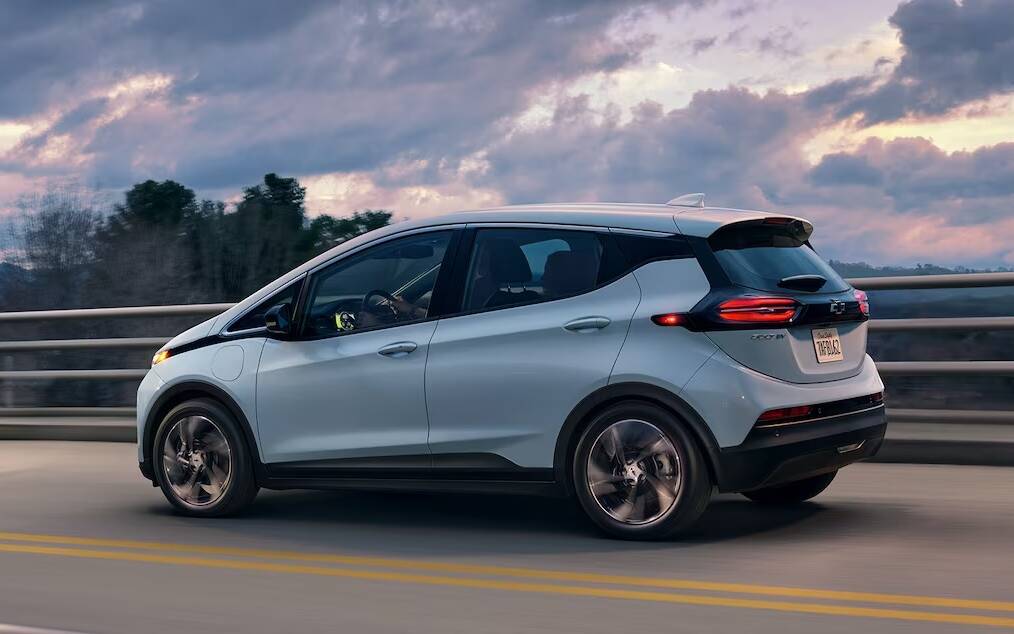
The Chevy Bolt EV, powered by its Ultium battery, delivers a compelling blend of performance and efficiency. This segment delves into the specific metrics of the battery’s capabilities, examining factors that influence range and driving experience, and highlighting the advanced thermal management system. Understanding these aspects provides a complete picture of the Bolt EV’s practical application.
Ever wondered about the Chevy Bolt EV’s GM Ultium battery tech? It’s a fascinating area, but advancements in AI like Google Assistant’s new Siri-like shortcuts ( google assistant getting its own version siri shortcuts heres how it works ) are equally intriguing. These shortcuts could potentially impact how we interact with electric vehicles, potentially even influencing battery management systems in the future.
Ultimately, both Chevy Bolt EV GM Ultium battery technology and AI advancements are shaping the future of electric vehicles.
Performance Metrics
The Ultium battery in the Bolt EV boasts impressive performance metrics. It’s designed for rapid acceleration and sustained high-speed cruising. Peak power output and torque delivery are key factors in determining the vehicle’s responsiveness and acceleration. These characteristics, combined with the battery’s overall efficiency, contribute to a dynamic driving experience.
The Chevy Bolt EV’s GM Ultium battery is a fascinating tech development, but recent news about Jaguar’s Formula E sponsorship with Panasonic, as detailed in this article , makes me wonder if similar battery tech might be at play in the future of electric vehicles. Ultimately, the Chevy Bolt EV’s Ultium battery technology still holds a lot of promise for future electric vehicles.
Energy Efficiency and Power Output
The Bolt EV’s Ultium battery demonstrates high energy efficiency. This means the battery converts a significant portion of the stored energy into usable power for driving. The power output of the battery is also crucial, directly affecting acceleration, climbing hills, and maintaining speed. The combination of these factors dictates the vehicle’s overall performance characteristics. Efficient power delivery and optimal energy conversion contribute to extended range and a smoother driving experience.
Factors Influencing Range and Driving Experience
Several factors influence the Bolt EV’s range and driving experience. These include driving style, ambient temperature, vehicle weight, and the terrain encountered during the journey. Aggressive acceleration, frequent braking, and high ambient temperatures can significantly impact range. Conversely, a smooth driving style, lower temperatures, and a lighter vehicle contribute to a longer driving range. These factors must be considered for real-world applications.
Thermal Management System
The Ultium battery incorporates a sophisticated thermal management system to maintain optimal operating temperatures. This system uses advanced cooling technologies to prevent overheating and ensure consistent performance. Proper temperature control is critical to battery lifespan and efficiency, enabling the battery to deliver consistent power and range over its operational life. The system’s effectiveness is essential for reliable performance in varying conditions.
Range Comparison
| Vehicle | Range (miles) |
|---|---|
| Chevy Bolt EV | 259 |
| Tesla Model 3 | 330-350+ (depending on the model) |
| Ford Mustang Mach-E | 270-330 (depending on the model) |
This table provides a general comparison of ranges for these popular electric vehicles. Note that range figures can vary based on specific configurations and driving conditions. For instance, a higher-capacity battery pack within the Bolt EV, or varying road conditions, can slightly alter the range.
Safety and Reliability
The Ultium battery, a cornerstone of the Chevy Bolt EV’s future, prioritizes safety and reliability. Its design incorporates advanced features and rigorous testing protocols to mitigate potential hazards and ensure long-term performance. Understanding these safety mechanisms and the potential for degradation is crucial for prospective owners.
Safety Features of the Ultium Battery
The Ultium battery’s safety is paramount. It employs multiple layers of protection to prevent thermal runaway and other potential hazards. These include advanced thermal management systems, sophisticated battery cell designs, and robust enclosure materials. These measures work together to ensure the battery’s safety in various operating conditions.
Safety Mechanisms for Preventing Fires and Other Hazards
The Ultium battery design incorporates several critical safety mechanisms. These include:
- Thermal Management Systems: Sophisticated cooling systems, including liquid cooling and advanced thermal sensors, are designed to maintain optimal battery temperature. This proactive approach prevents overheating, a major cause of battery fires.
- Cell Design and Separator Materials: The battery cells are engineered with advanced separator materials and unique cell architectures to limit short circuits and prevent thermal runaway events. This is achieved through careful material selection and robust design to ensure stability even under stress.
- Protective Enclosures: The battery pack is housed within a robust enclosure that withstands impact and prevents leakage. This enclosure acts as a barrier to contain any potential incident.
- Overcharge Protection: Advanced electronics monitor and regulate the charging process, preventing overcharging, which can lead to battery degradation and safety risks. A safety cut-off system is also in place to halt charging at critical thresholds.
Reliability and Potential Risks of Degradation Over Time
Battery degradation is a concern for any EV. The Ultium battery’s design, however, addresses this issue through meticulous materials selection and robust manufacturing processes. While degradation is inevitable, factors like consistent charging practices, temperature control, and driving habits significantly influence the battery’s lifespan.
Battery Lifespan and Maintenance Requirements
The Ultium battery is designed for a long lifespan. GM estimates that the battery should retain a significant portion of its initial capacity over its service life. However, factors like excessive heat, frequent rapid charging, and deep discharges can accelerate degradation.
- Charging Practices: Regular charging and avoiding extremely rapid charging are crucial for maximizing battery longevity. Using slower, more controlled charging speeds can help reduce the stress on the battery cells.
- Temperature Control: Maintaining optimal temperatures, avoiding extreme heat or cold, is vital for battery health. Parking in shaded areas or using climate control features when possible can help.
- Maintenance: Regular battery health checks, typically performed by authorized GM service centers, can identify any potential issues early on. Following the manufacturer’s recommended maintenance schedule and charging procedures is crucial.
Future Trends and Developments
The Ultium battery platform, a cornerstone of General Motors’ electric vehicle strategy, promises a future of increasingly sophisticated and adaptable electric powertrains. Its modular design allows for significant flexibility in cell chemistry, pack configurations, and ultimately, performance characteristics. This adaptability paves the way for substantial advancements in battery technology, which will undoubtedly impact the cost and performance of vehicles like the Bolt EV, and potentially open up new avenues beyond the automotive industry.The rapid pace of innovation in battery technology necessitates a forward-looking perspective.
The future of Ultium batteries will be shaped by ongoing research and development in areas such as solid-state batteries, advanced electrode materials, and improved battery management systems. These innovations are poised to transform the EV landscape, making electric vehicles even more appealing and accessible.
Potential Advancements in Battery Technology
Several key advancements are likely to significantly impact battery technology in the coming years. These advancements are driven by the need for greater energy density, improved safety, and reduced manufacturing costs.
- Solid-State Batteries: Solid-state batteries hold immense promise due to their potential for higher energy density, enhanced safety, and improved thermal stability. They could revolutionize EV performance by enabling significantly longer ranges on a single charge. While still in the developmental stages, numerous automotive manufacturers are actively investing in solid-state battery research, and early prototypes demonstrate the potential for substantial improvements in energy density.
- Advanced Electrode Materials: Research into new electrode materials is driving progress in improving battery performance and lifespan. Materials like silicon and lithium metal oxides, when incorporated into electrodes, could lead to increased energy storage capacity. This would allow for potentially faster charging and longer driving ranges. The development and refinement of these materials are essential for realizing the full potential of electric vehicles.
- Improved Battery Management Systems (BMS): Sophisticated BMS systems are crucial for optimizing battery performance and ensuring safety. Future BMS will likely be more sophisticated, providing real-time monitoring and analysis of battery health and performance, enabling proactive maintenance and longer battery lifespans. This capability would greatly benefit both consumer and industrial applications.
Impact on Bolt EV Performance and Cost
The advancements in battery technology will undoubtedly affect the performance and cost of the Bolt EV. Future iterations of the Bolt EV, or perhaps an entirely new vehicle built on the Ultium platform, will likely benefit from the enhanced performance characteristics of these advanced battery chemistries. This includes potentially higher energy density, improved charging speeds, and increased range.
However, the initial cost of these advanced batteries could be higher than current lithium-ion batteries, but ongoing research and economies of scale are likely to drive down these costs in the future. This is a trend observed in the evolution of other technological advancements, where early adopters often bear higher costs.
Potential New Applications Beyond Automotive
The modularity of the Ultium battery platform suggests potential applications beyond the automotive sector. This adaptability could make it suitable for stationary energy storage systems, such as power grids or large-scale energy storage solutions. Further, the battery technology might also find application in portable power tools, drones, and even in the development of advanced medical devices.
Closing Notes: Chevy Bolt Ev Gm Ultium Battery

In conclusion, the Chevy Bolt EV’s GM Ultium battery represents a significant advancement in electric vehicle technology. Its high energy density, innovative design, and integration into the Bolt EV powertrain make it a standout. However, challenges in manufacturing and scaling production must be addressed. The future of the Ultium battery and its potential applications beyond the automotive sector are undoubtedly promising, with continued advancements likely to shape the future of electric transportation.