

The most important feature of a folding phone is durability. A foldable phone’s ability to withstand daily wear and tear is paramount. This blog post delves into the crucial aspects of durability, from the materials used to the design choices that impact longevity. We’ll explore how manufacturers test durability, the unique challenges folding phones face, and how design trade-offs affect consumer perception.
Durability testing methodologies vary among manufacturers, reflecting differing priorities. The unique mechanical stresses on folding phones, particularly the hinge mechanism, are a major focus. Ultimately, consumer perception and satisfaction hinge on a phone’s ability to endure, which can be impacted by both materials and design choices.
Defining Durability in Folding Phones
Folding phones represent a significant leap in mobile technology, but their unique design introduces new challenges in ensuring long-term usability. Durability, in this context, extends beyond simple scratch resistance and encompasses the phone’s ability to withstand the stresses of repeated flexing, impacts, and environmental factors. A robust understanding of durability is crucial for consumer confidence and the long-term success of this innovative technology.Defining durability in folding phones requires a multi-faceted approach, considering both the physical stresses on the hinge and display, and the inherent properties of the materials used.
This involves rigorous testing protocols to assess the phone’s ability to maintain its functionality over time.
Physical Stresses and Material Properties
Durability in folding phones is evaluated by subjecting prototypes and finished products to various physical stresses, simulating real-world usage scenarios. These tests aim to determine the phone’s resistance to bending, flexing, and impact. The hinge mechanism is a critical component, as repeated flexing can lead to wear and tear, potentially compromising the functionality of the phone. Impact resistance is also essential, as a drop or collision could damage the screen, the hinge, or internal components.
The material properties themselves play a crucial role. Scratch resistance is vital for preserving the aesthetic appeal of the phone, while water resistance is important for preventing damage from spills or accidental immersion.
While durability is key for a folding phone, sometimes you need to clean up your digital footprint. If your Twitter feed is a bit cringe-worthy, consider checking out this guide on how to delete old tweets is your twitter embarrassing heres how to delete all your old tweets. Ultimately, a tough, reliable folding phone needs to stand up to daily use, just like your carefully curated online persona should.
A durable phone is the best way to deal with the bumps and scrapes of daily life.
Durability Testing Methodologies
Different manufacturers employ various testing methodologies, reflecting their unique approaches to design and quality control. Some companies may focus on a higher number of bending cycles, while others may prioritize drop tests from greater heights. These methodologies are often proprietary, but general categories exist, including:
- Flexing Tests: These tests involve repeatedly flexing the phone’s hinge to assess its durability over time. The number of cycles and the specific flexing angle are crucial parameters. For example, some tests might involve flexing the phone 100,000 times at a specific angle to simulate prolonged use.
- Drop Tests: These tests involve dropping the phone from varying heights onto different surfaces to assess its impact resistance. The type of surface (concrete, carpet, etc.) and the angle of impact are factors that influence the outcome. A folding phone’s ability to maintain functionality after multiple drops is a key metric.
- Environmental Tests: These tests simulate various environmental conditions, such as extreme temperatures, humidity, and exposure to dust. These tests help determine how the phone performs under different weather conditions.
Comparison of Manufacturers’ Testing Methodologies
Direct comparisons of specific testing methodologies between manufacturers are often difficult due to the proprietary nature of these tests. However, some general trends can be observed. Some manufacturers might emphasize the number of bending cycles a phone can withstand, while others may focus on drop tests from higher heights. The specifics of these tests are often not publicly available, making it challenging to directly compare their effectiveness.
Nonetheless, the overall aim of these tests is to ensure the phone meets a minimum standard of durability.
Importance of Long-Term Durability
Long-term durability directly impacts consumer satisfaction and product longevity. A phone that breaks down quickly after a few months of use diminishes its value and creates a negative user experience. Consumers are more likely to trust a brand that consistently delivers durable products. This leads to increased customer loyalty and brand reputation. In the long run, the ability to maintain durability translates to reduced repair costs and extended product lifespan.
Folding Phone Material Durability Comparison
| Material | Scratch Resistance | Flexing Resistance | Impact Resistance | Water Resistance | Cost |
|---|---|---|---|---|---|
| Glass | High | Moderate (depending on hinge design) | High | Variable (depends on coating) | Moderate to High |
| Plastic | Moderate | Moderate (depending on polymer type) | Moderate | Variable (depends on coating) | Low to Moderate |
| Metal | High (for specific alloys) | High (depending on alloy and hinge design) | High | Good (depending on coating) | High |
This table provides a general comparison, but the actual durability of each material can vary significantly based on specific manufacturing techniques, design considerations, and coatings.
Durability Challenges Specific to Folding Phones
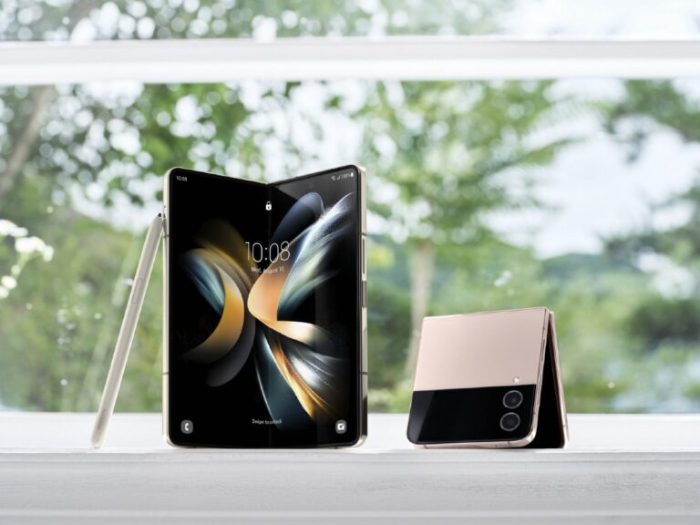
Folding phones, while offering a unique form factor, face specific mechanical challenges that traditional smartphones don’t. These challenges stem from the inherent complexity of the folding mechanism and the delicate balance between flexibility and strength required for the display and other components. Understanding these specific durability hurdles is crucial for manufacturers and users alike to ensure longevity and reliability.The inherent flexibility and fragility of the foldable display, coupled with the intricate hinge design, introduce a range of potential failure points.
This requires manufacturers to meticulously consider and test various stress scenarios to guarantee a robust and long-lasting product. User habits also play a critical role in determining the lifespan of a folding phone, emphasizing the importance of understanding how users interact with the device.
While the sleek design of folding phones is undeniably appealing, the most important feature, in my opinion, is durability. Imagine the countless bumps, drops, and general wear and tear these devices face. The recent Uber Waymo trial of self-driving cars, previewed in this article , highlights a different kind of resilience. Ultimately, a folding phone’s ability to withstand daily use is what truly sets it apart, making it a worthwhile investment.
Mechanical Stresses and Wear Patterns
Folding phones are subjected to unique mechanical stresses unlike any other phone design. Repeated bending and flexing of the hinge mechanism, coupled with the pressure on the display itself, introduce significant wear and tear over time. These stresses manifest in various ways, including fatigue on the hinge materials, potential display cracking or warping, and the overall structural integrity of the phone.
The unique stress patterns are a critical consideration in materials selection, design, and manufacturing.
While a folding phone’s durability is crucial, recent news about bitcoin cryptocurrency hackers targeting YouTube channels and users highlights a different kind of fragility. The recent thefts and robberies, detailed in this article about bitcoin cryptocurrency hackers youtube theft robbed , really make you think about the importance of physical resilience in a phone, especially considering the ever-increasing reliance on these devices for everything from banking to entertainment.
Ultimately, a folding phone needs to stand up to daily use, and that’s still the most important feature.
Potential Failure Points
Several critical components are vulnerable to damage in folding phones. The hinge mechanism, often a complex interplay of gears, bearings, and structural components, is a prime failure point. Repeated flexing can lead to wear, friction, and ultimately, hinge failure. The foldable display itself is susceptible to cracking or warping, especially at the crease where the phone folds. Other potential failure points include the internal components (such as battery contacts) that are strained by the repeated folding, and the adhesive layers holding the display in place.
The protective layers of the display, especially in areas prone to repeated stress, are also important to consider.
Impact of User Habits
User habits significantly influence the durability of folding phones. Frequent and forceful folding can accelerate wear and tear on the hinge mechanism, display, and other components. How the phone is handled, such as dropping it while folded or carrying it with the screen exposed, will also affect durability. Aggressive handling and placing the phone in the pocket or bag can cause damage to the delicate hinge.
This means that users need to adopt mindful practices to maximize the lifespan of their device.
Common Durability Issues
Users have reported various durability issues with different folding phone models. These issues include hinge breakage, display cracking or warping, and overall phone structural failure after repeated folding cycles. Users have also reported that improper handling or placing the phone in a pocket or bag can lead to damage. Understanding the specific issues reported by users across different models can help manufacturers identify weak points in their designs and implement corrective measures.
Table of Potential Failure Modes
| Potential Failure Mode | Description | Probability (Estimated) |
|---|---|---|
| Hinge Breakage | Complete failure of the hinge mechanism due to fatigue or stress. | Medium |
| Display Cracking/Warping | Cracks or warping of the foldable display at the crease or other stress points. | High |
| Internal Component Damage | Damage to internal components due to stress from repeated folding. | Low |
| Adhesive Layer Failure | Failure of the adhesive holding the display in place, leading to display detachment. | Medium |
| Protective Layer Damage | Damage to the protective layer of the display, leading to scratches or other imperfections. | High |
Durability and Design Trade-offs
Folding phones, with their innovative designs, present a fascinating interplay between aesthetics, functionality, and, crucially, durability. The very act of folding introduces unique challenges that designers must address to create a device that is both visually appealing and reliable over time. Balancing these competing factors is key to the long-term success of folding phones.The inherent design choices for a folding phone, from the materials used in the hinge to the protection of the display, directly impact the phone’s overall durability.
Compromises often need to be made to achieve a desirable balance. For instance, a hinge that is exceptionally strong might compromise the phone’s sleekness and portability.
Folding Phone Design Variations and Durability
Different folding phone designs have varying strengths and weaknesses in terms of durability. Clamshell phones, with their simple folding mechanism, generally offer more robust protection for the display and internal components compared to other folding designs. Inner-folding phones, where the display folds inwards, often utilize more complex hinges, which can introduce potential points of weakness. Outer-folding phones, which fold outwards, present unique durability challenges concerning the display’s protection during the folding and unfolding process.
The design choices for these differing folding methods significantly impact the device’s susceptibility to damage.
Impact of Hinge Materials on Durability
The hinge, the crucial component enabling the folding action, plays a pivotal role in the durability of a folding phone. Different materials, such as metal alloys, polymers, and even carbon fiber composites, each offer varying degrees of strength, flexibility, and resilience. Stronger materials may result in a heavier phone, potentially affecting its portability. Lightweight materials might be less durable, increasing the risk of damage from stress and wear.
The longevity of the hinge is directly related to the longevity of the phone itself.
Display Protection and Durability
Protecting the delicate display from scratches, cracks, and impacts is a significant concern for folding phones. The display’s durability is enhanced through layers of protective glass or reinforced polymer materials. The robustness of these protective layers directly correlates with the phone’s overall resistance to physical damage. For example, Gorilla Glass Victus, often used in folding phones, is designed for high impact resistance.
However, even the most durable protective layers may not fully eliminate the risk of damage, especially with repeated folding and unfolding cycles.
Trade-offs Between Durability, Aesthetics, and Size
The pursuit of durability often comes at the cost of aesthetics or overall device size and weight. A highly durable hinge might add bulk to the phone, making it less compact and potentially impacting its portability. Thin and lightweight designs might compromise the hinge’s strength and resilience. Finding the optimal balance between these factors is a critical design challenge.
The trade-offs are especially important to consider in the context of user experience.
Impact on User Experience
The durability of the phone’s components directly affects the overall user experience. A phone prone to damage, either from scratches or frequent hinge failures, negatively impacts the user’s confidence and satisfaction. Conversely, a durable phone provides a more reliable and enjoyable experience, allowing users to confidently use the device without fear of premature failure.
Durability Comparison Across Folding Phone Models
| Model | Folding Design | Hinge Material | Display Protection | Durability Rating (1-5, 5 being highest) |
|---|---|---|---|---|
| Samsung Galaxy Z Fold 4 | Inner-folding | Metal alloy | Gorilla Glass Victus | 4 |
| Motorola Razr 5G | Outer-folding | Metal alloy | Scratch-resistant glass | 3 |
| Xiaomi Mix Fold 2 | Inner-folding | Metal alloy with polymer support | Gorilla Glass | 4.5 |
Note: Durability ratings are based on a combination of reviews, benchmarks, and industry analysis. Actual results may vary depending on usage and environmental factors.
Durability and Consumer Perception
Folding phones, with their innovative design, face a unique challenge: convincing consumers that they can withstand the rigors of daily use. Beyond the technical aspects of hinge durability and screen protection, consumer perception plays a crucial role in the success of this burgeoning technology. Consumers’ understanding of and trust in a product’s longevity directly impacts adoption rates and ultimately, market share.Consumers, naturally, prioritize durability in any purchase, especially when it comes to devices they interact with frequently.
For folding phones, this translates to a heightened concern about the longevity of the intricate hinge mechanism, the susceptibility of the flexible screen to damage, and the overall robustness of the device against drops and bumps. This concern isn’t unique to folding phones; it’s a universal consumer expectation for any electronics product. However, the very nature of a folding phone’s design introduces a new set of potential failure points, which necessitates a more careful consideration of durability claims by manufacturers.
Consumer Value of Durability
Consumer perceptions of durability in folding phones are multifaceted. A reliable hinge, capable of withstanding repeated flexing, is paramount. The screen, with its delicate nature and vulnerability to scratches and cracks, requires robust protection. Beyond the physical components, consumers also value the overall build quality and the longevity of the device’s performance. This includes the phone’s ability to maintain its functionality over time, free from software glitches and hardware malfunctions that can negatively impact the user experience.
This is not limited to the physical durability, but also encompasses the device’s software updates and support over its life cycle.
Marketing’s Role in Shaping Perception
Marketing and advertising campaigns play a significant role in influencing consumer perceptions of folding phone durability. Effective campaigns showcase the phone’s robust design through visually appealing demonstrations of its resilience. They may highlight the use of advanced materials, reinforced structures, or innovative protective technologies to build confidence in the device’s ability to withstand everyday use. Transparency in materials and manufacturing processes can also enhance consumer trust.
Visual demonstrations of the phone’s resistance to drops and bending are frequently used, often showing repeated cycles of use.
Consumer Expectations
Consumer expectations regarding the lifespan and reliability of folding phones are influenced by the experiences with traditional smartphones. Consumers expect a comparable lifespan, potentially even exceeding it, given the advanced technology and higher price point of folding phones. Consumers are looking for a product that can last through at least two years of regular use, free from significant performance issues or frequent repairs.
This aligns with the general expectation for modern electronic devices.
Durability Claims and Customer Satisfaction
Durability claims directly impact customer satisfaction and loyalty. When manufacturers deliver on their promises of durability, consumers are more likely to be satisfied with their purchase. Conversely, a folding phone that fails to meet these expectations can result in negative reviews, reduced customer loyalty, and potentially damage the brand’s reputation. Positive experiences with durability foster a sense of value and reliability, increasing customer satisfaction.
This is a key factor in brand perception and future purchases.
Consumer Reviews and Feedback
“The hinge feels sturdy, but I’m still a bit apprehensive about how it will hold up over time.” “The phone survived a few drops, but the screen protector cracked. Not a great start.” “It’s expensive, so I expect it to last longer than my previous phones.”
These excerpts highlight the range of opinions and concerns surrounding folding phone durability. The comments suggest a cautious optimism, with consumers acknowledging the innovative design but also expressing their concern about the long-term reliability of the product. The expectation of a longer lifespan, given the cost, is also a significant factor.
Future Trends in Folding Phone Durability
The quest for durable folding phones extends beyond current materials and manufacturing techniques. Innovations are crucial to addressing the unique challenges inherent in the design, ensuring longevity, and meeting consumer expectations. This exploration delves into the future of folding phone durability, examining emerging technologies and potential advancements.The future of foldable phones hinges on their ability to withstand repeated bending and flexing without compromising performance or aesthetic appeal.
This necessitates a deeper understanding of material science and manufacturing processes. The aim is to develop phones that can maintain their functionality and appearance throughout their lifecycle, surpassing the durability limitations of current models.
Material Innovations and Manufacturing Techniques
Advanced materials, such as reinforced polymers and bio-inspired composites, hold significant promise for enhancing folding phone durability. These materials exhibit enhanced strength and flexibility, potentially allowing for thinner, lighter devices while maintaining resilience. Researchers are exploring techniques to create layered structures that distribute stress more effectively, preventing critical points from excessive strain. Examples include incorporating high-strength fibers within polymer matrices or developing bio-inspired materials mimicking the structural integrity of natural materials.
Advanced Polymer Composites, The most important feature of a folding phone is durability
Advanced polymer composites, with their exceptional strength-to-weight ratios, represent a promising avenue for enhancing folding phone durability. These composites can be tailored to specific stress points in the phone’s design, potentially reducing the risk of cracks and failures. The ability to integrate complex, multi-layered designs within these composites could lead to foldable phones with increased structural integrity. A notable example is the use of carbon fiber-reinforced polymers in aerospace applications, showcasing their capability to withstand extreme forces and maintain structural integrity.
Challenges in Maintaining High Durability Standards
As folding phone designs become more complex, incorporating multiple hinges and intricate mechanisms, maintaining high durability standards becomes increasingly challenging. Increased complexity necessitates rigorous testing and validation procedures to ensure the longevity of these components. Engineers face the challenge of designing for both flexibility and rigidity, often requiring a trade-off between these properties. A comprehensive understanding of stress distribution and material behavior under repeated flexing is paramount.
User-Centered Design for Durability
User-centered design plays a pivotal role in ensuring durability for future generations of folding phones. Understanding how users interact with the device, including the frequency and nature of folding, can inform the design of hinges, materials, and protective coatings. This approach focuses on anticipating potential stress points and incorporating preventative measures into the design process. Involving users in the design process through feedback loops and usability testing can contribute to the development of more resilient devices.
Self-Repairing Materials
Advances in self-repairing materials could revolutionize the future of folding phone design. These materials possess the unique ability to repair microscopic damage automatically, potentially extending the lifespan of the device and reducing the need for costly repairs. Such self-healing capabilities could be incorporated into the hinges and other critical components of folding phones, ensuring the device can withstand daily wear and tear.
Preliminary research in self-healing polymers suggests their potential for integration into electronic devices.
Final Conclusion: The Most Important Feature Of A Folding Phone Is Durability
In conclusion, the durability of a folding phone is more than just a feature; it’s the cornerstone of its success. The intricate interplay of materials, design, and testing methods directly impacts consumer satisfaction and the overall longevity of the product. Future trends in materials and manufacturing will likely play a critical role in shaping the durability of these devices in the years to come.
The most durable folding phones will ultimately be those that prioritize long-term use and user experience.